

How to Care for Your Moustache or Beard After a Transplant: A Guide to Natural-Looking Results
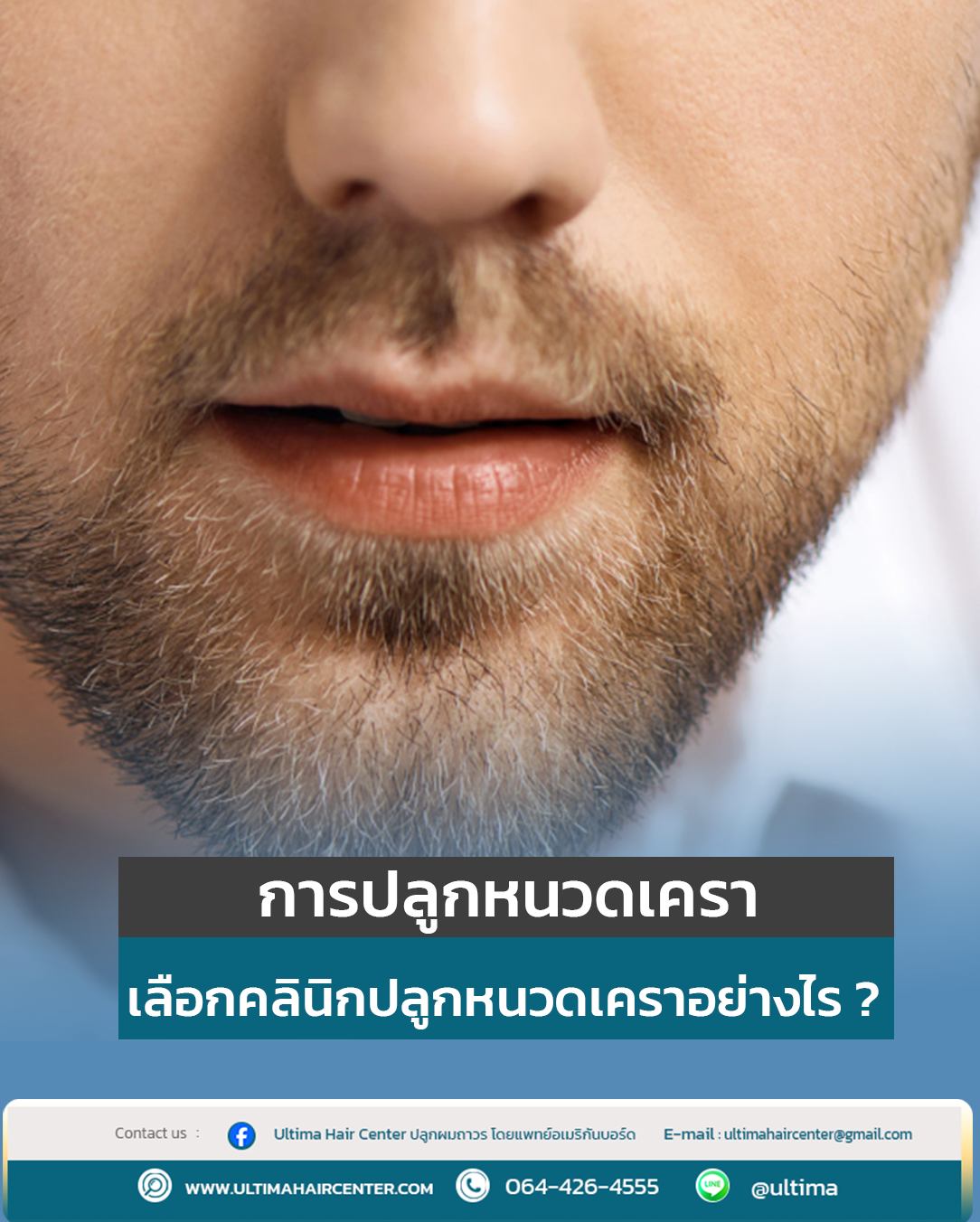
A Moustache or Beard Transplant can help improve facial hair density, fill in sparse areas, or create a more defined facial hair pattern. However, the final appearance depends not only on the transplant procedure itself but also on appropriate aftercare, the condition of the recipient area, and how the transplanted follicles develop over time
At Ultima Hair Center, we believe that a natural-looking Moustache or Beard Transplant begins with careful planning and continues with appropriate postoperative care. Patients should understand what to expect during recovery, how to protect the transplanted area, and when to resume their usual activities
This guide explains essential aftercare considerations following a Moustache or Beard Transplant, from washing and managing scabs to shaving, exercise, skincare, and the expected growth timeline
 1. Why Is Aftercare Important After a Moustache or Beard Transplant?
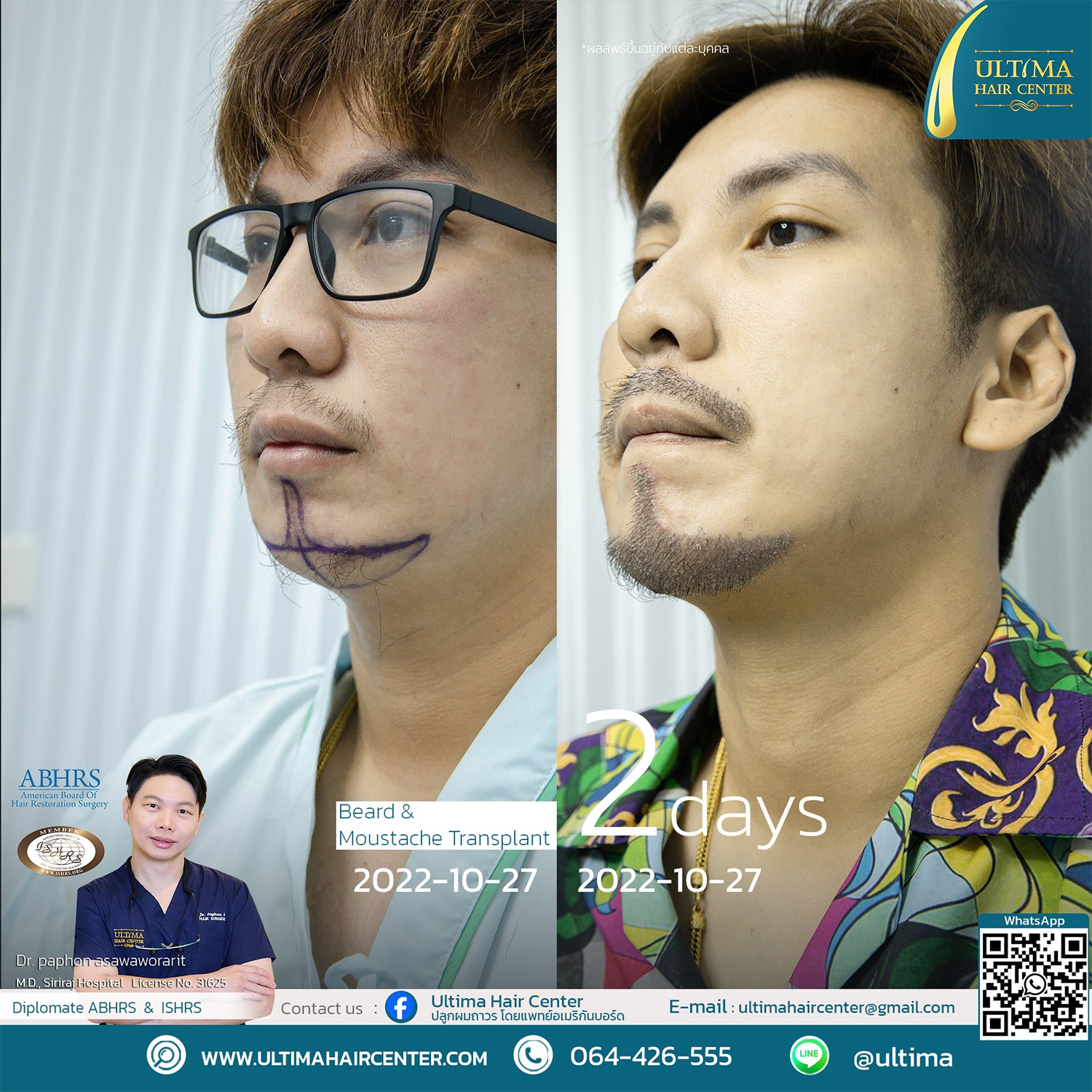
After a transplant, the newly implanted follicles need time to settle into the recipient area. The skin may be red, swollen, or sensitive during the early recovery period. Small scabs can also form around the transplanted hairs
Appropriate aftercare helps protect the recipient area while the skin recovers. It also helps patients avoid unnecessary irritation or accidental trauma to the transplanted follicles
The most important principles are:
- Follow the postoperative instructions provided by your physician
- Handle the transplanted area gently
- Avoid rubbing, scratching, or picking at scabs
- Keep the area clean according to the recommended washing routine
- Avoid activities that may cause excessive sweating, friction, or direct impact during the early recovery period
- Contact your clinic if you notice symptoms that concern you
Aftercare instructions may differ depending on the number and location of transplanted follicles, your skin condition, and the details of the procedure. Always follow the instructions provided by your treating physician rather than relying on a general timetable alone
 2. How Should You Wash Your Moustache or Beard After a Transplant?
Washing is an important part of postoperative care, but the transplanted area should be handled carefully, particularly during the first few days
During the early recovery period
Follow your clinic’s instructions about when to begin washing. Depending on the postoperative protocol, your physician may recommend a gentle washing method that minimizes pressure on the transplanted area
General principles include:
- Use the recommended cleanser or shampoo
- Avoid directing a strong stream of water at the recipient area
- Do not scrub the transplanted hairs with your fingers
- Avoid rubbing the area with a towel
- Pat surrounding skin dry gently, following your physician’s instructions
Do not assume that stronger washing will remove scabs more quickly or improve the result. Excessive friction can irritate healing skin
When can you return to your normal washing routine?
The timing depends on the healing process and your clinic’s protocol. Gradually return to your usual routine only when your physician advises that it is appropriate
If you are unsure whether a particular cleanser, facial wash, or skincare product is suitable, ask your treating physician before applying it to the transplanted area
 3. What Should You Do About Scabs After a Moustache or Beard Transplant?
Small scabs around the transplanted hairs are common during the early healing period. They form as part of the skin’s natural healing process
Although scabs may look noticeable, do not pick, scrape, or pull them off prematurely. Removing them forcefully can irritate the skin and potentially disturb the healing recipient area
Instead:
- Follow the clinic’s recommended washing routine
- Allow the scabs to loosen naturally
- Avoid scratching the area when it feels itchy
- Contact your clinic if the scabs are accompanied by increasing pain, spreading redness, discharge, or other concerning symptoms
Scabs generally become less noticeable as healing progresses, but the timeline varies from person to person. If they persist longer than expected, consult your physician rather than attempting to remove them aggressively
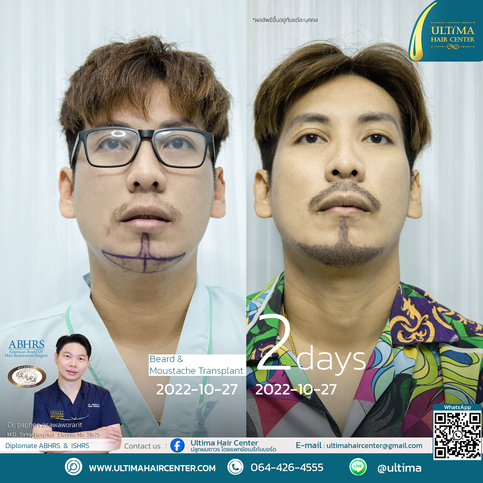
4. When Can You Shave After a Moustache or Beard Transplant?
Shaving is a common concern because patients may want to maintain their usual appearance while the transplanted area heals
However, shaving too early can irritate the skin or cause unnecessary friction around the newly transplanted follicles
The appropriate time to resume shaving depends on the condition of your skin, the healing process, and the technique recommended by your physician
Before shaving, consider the following:
- Wait until your physician confirms that shaving is appropriate
- Avoid using a razor directly over areas that have not healed sufficiently
- Do not pull, scrape, or press firmly against the transplanted hairs
- Ask your physician whether an electric trimmer would be more suitable during the initial period of returning to facial hair grooming
There is no single timetable that is appropriate for every patient. If you need to shave for work or personal reasons, discuss this with your clinic before the procedure so that you can plan accordingly
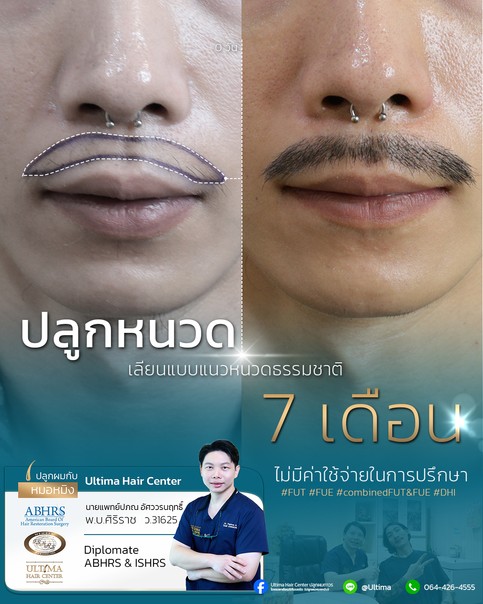
5. When Can You Exercise After a Moustache or Beard Transplant?
Exercise may increase sweating, blood flow, and the chance of accidental contact with the transplanted area. Strenuous activity too soon after surgery may also interfere with the recovery plan
For this reason, patients are generally advised to limit strenuous exercise during the early recovery period
Light activities
Gentle daily activities may be resumed when you feel comfortable and your physician considers them appropriate. Avoid activities that cause excessive sweating or put pressure on the recipient area
Strenuous exercise
High-intensity workouts, heavy weightlifting, contact sports, and activities with a risk of facial impact should be postponed until your physician confirms that it is safe to resume them
The appropriate waiting period varies according to the procedure and individual recovery. Rather than following a fixed number of days from an online article, use your clinic’s postoperative instructions as the primary guide
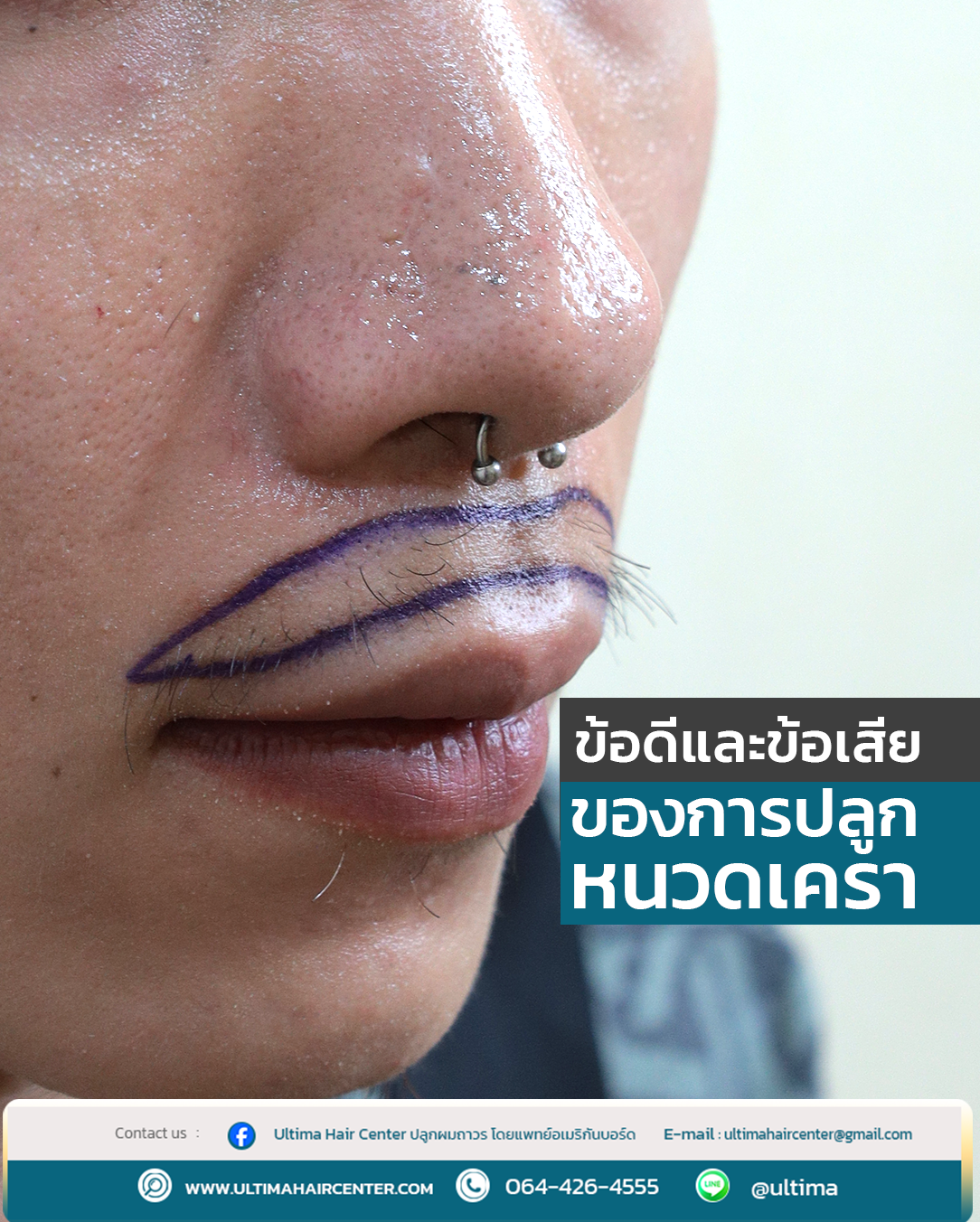 6. How Should You Sleep After a Moustache or Beard Transplant?
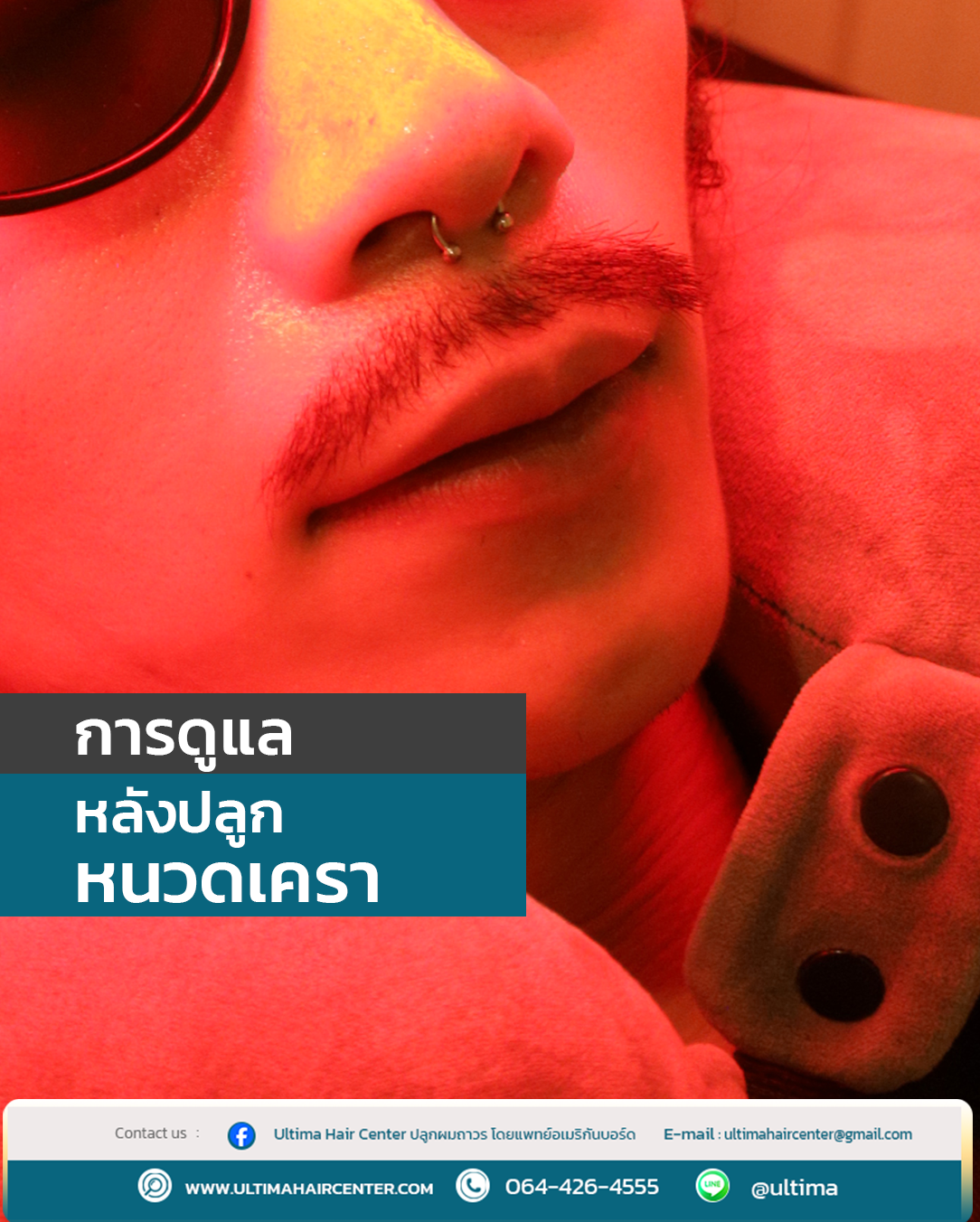
Sleeping positions can matter during the early recovery period because direct pressure or friction against the recipient area may irritate the healing skin
Your clinic may recommend a sleeping position that minimizes contact with the transplanted area, particularly during the first few nights
Practical considerations include:
- Avoid pressing the transplanted area against your pillow
- Use clean pillowcases
- Follow any recommendations about head elevation
- Be careful when changing sleeping positions
- Avoid scratching or rubbing your face while asleep as much as possible
The specific sleeping position and duration of these precautions depend on the area treated and your physician’s protocol
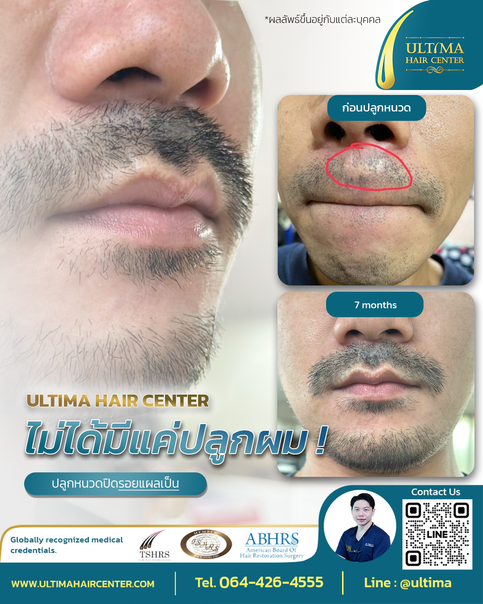
7. What Skincare Products Can You Use After a Moustache or Beard Transplant?
Patients may wonder when they can resume using facial cleansers, moisturizers, sunscreen, exfoliants, or other skincare products
During the early recovery period, the priority is to avoid unnecessary irritation and protect the healing skin
Facial cleansers and moisturizers
Use only products that your clinic has approved for the current stage of recovery. Products containing strong active ingredients or fragrances may irritate some patients, especially when the skin is still healing
Sunscreen and sun exposure
Avoid excessive direct sun exposure to the healing recipient area. Ask your physician when and how to resume sunscreen use, particularly if the skin remains red, sensitive, or scabbed
Exfoliants and active ingredients
Products containing exfoliating acids, retinoids, or other potentially irritating ingredients should not be applied to the recipient area until your physician confirms that it is appropriate
If you experience worsening redness, burning, swelling, or a rash after using a product, stop using it and contact your clinic for advice
 8. Do You Need Medication After a Moustache or Beard Transplant?
Your physician may prescribe medication or recommend specific products depending on your procedure, medical history, and recovery needs
Follow the prescribed instructions carefully. Do not start, stop, or change medication doses on your own
In particular:
- Take prescribed medication according to your physician’s instructions
- Do not use leftover antibiotics or other prescription medication without medical advice
- Inform your physician about any medication, supplement, or topical product you are already using
- Contact your clinic if you experience a suspected medication reaction
Not every patient requires the same medication regimen. Your treatment plan should be based on your individual circumstances rather than another patient’s experience or an online recommendation
 9. What Happens to Transplanted Hairs During the First Few Months?
One of the most important things to understand after a Moustache or Beard Transplant is that the transplanted hairs may shed before new growth becomes visible
The first few weeks
During the early recovery period, redness and small scabs may gradually improve. Some patients may notice that the transplanted hair shafts shed over the following weeks
Shedding of the visible hair shaft does not necessarily mean that the transplant has failed. It can be part of the normal post-transplant cycle
The following months
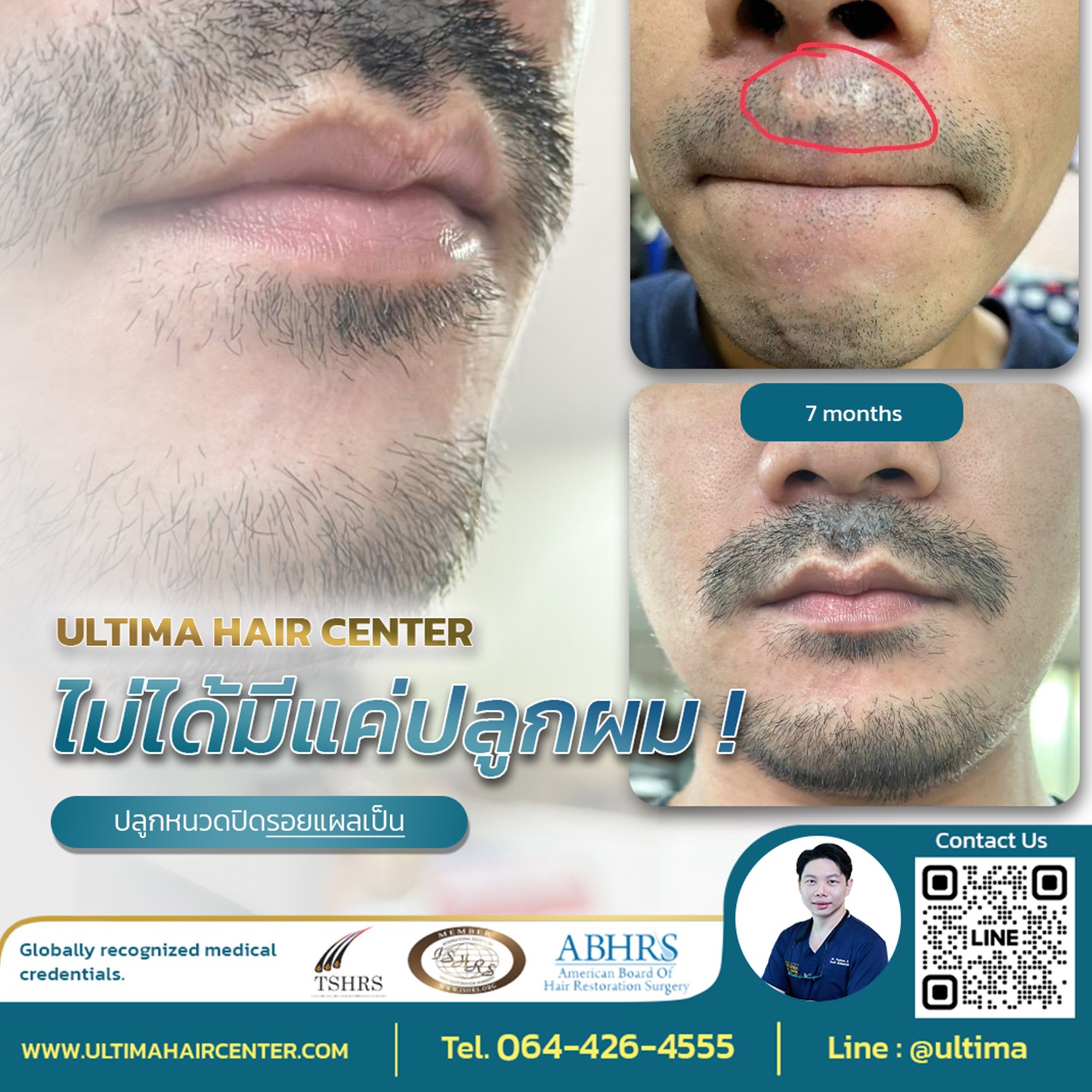
New growth may begin to appear gradually. The timing and rate of growth vary from patient to patient, and different areas may develop at different rates
Later growth and maturation
As growth continues, the transplanted hairs may become longer and more noticeable. Their density, direction, texture, and overall appearance can change over time
It is important not to judge the final outcome too early. Follow-up appointments allow your physician to assess progress and discuss whether the growth pattern is developing as expected
If you have concerns about persistent inflammation, unusual discomfort, or growth that appears different from what your physician explained, arrange a follow-up assessment
 10. How Can You Achieve a Natural-Looking Moustache or Beard?
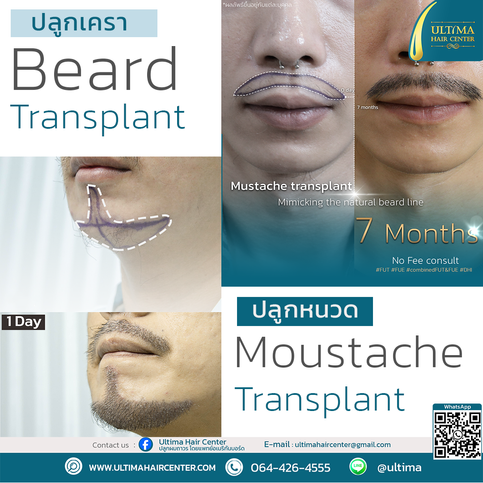
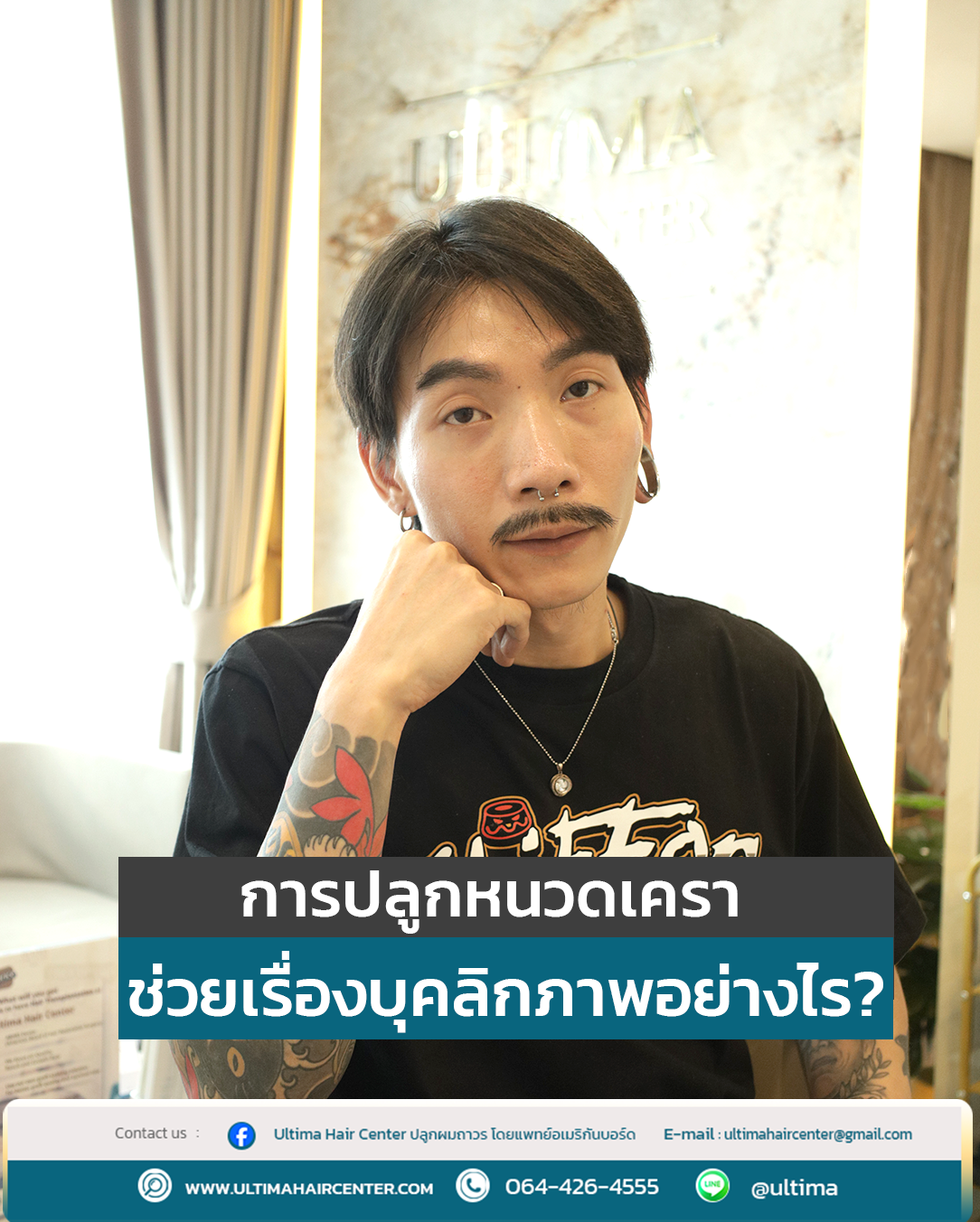
A natural-looking Moustache or Beard Transplant depends on more than the number of transplanted grafts. Planning, hair direction, distribution, facial proportions, and the characteristics of the available donor hair all contribute to the overall appearance
Important considerations include:
- Hairline and outline design: The shape should suit the patient’s facial structure and desired style
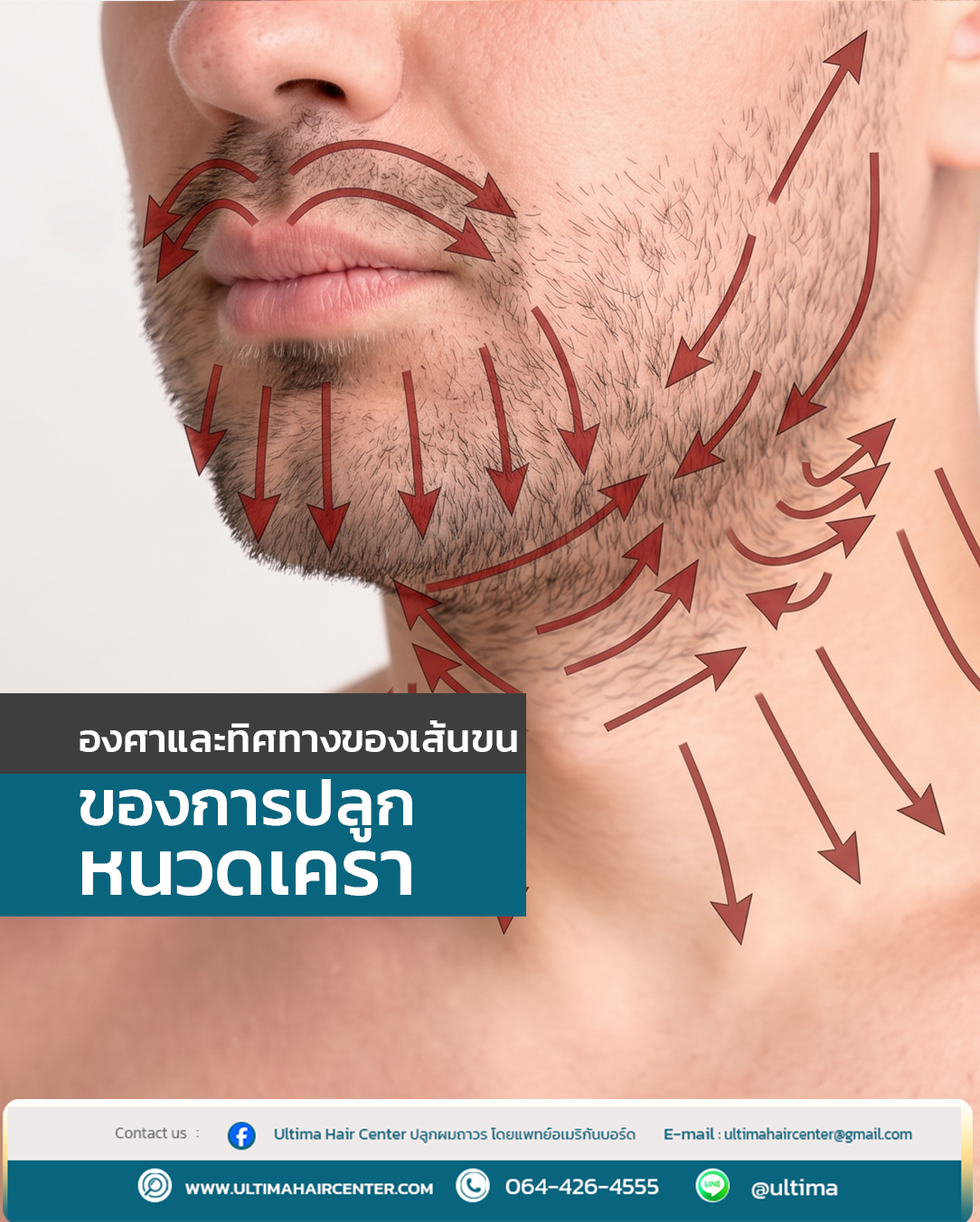
- Hair direction and angle: Transplanted hairs need to be planned with attention to the direction in which facial hair naturally grows
- Density and distribution: The placement should be planned to create an appropriate visual balance rather than focusing only on maximum density
- Donor Area management: Available donor hair should be assessed and managed carefully
- Individual expectations: The treatment plan should reflect the patient’s existing facial hair, skin characteristics, and desired outcome
The appearance of the result also depends on the healing process and how the transplanted hairs develop. No procedure can guarantee an identical result for every patient
At Ultima Hair Center, the goal is to plan treatment around the patient’s individual characteristics and aim for facial hair that looks appropriate for their face
 11. What Should You Look for in Moustache or Beard Transplant Reviews?
When reading Moustache or Beard Transplant Reviews, it is helpful to look beyond promotional photographs or brief testimonials
Consider the following points:
- Photographs from multiple stages: Early recovery photographs alone do not show the eventual growth pattern
- Consistent viewing angles and lighting: These make before-and-after comparisons more useful
- The design of the moustache or beard: Assess whether the shape and direction of growth suit the patient’s face
- The patient’s starting condition: Existing facial hair and donor characteristics can affect the treatment plan
- Follow-up information: Longer-term updates can provide a better understanding of the development of the result
- Realistic expectations: Reliable information should acknowledge that individual outcomes vary
Reviews can help you understand other patients’ experiences, but they cannot predict exactly what your own result will look like. A consultation with a qualified physician is important for assessing your individual suitability
 12. How Should You Prepare for a Moustache or Beard Transplant?
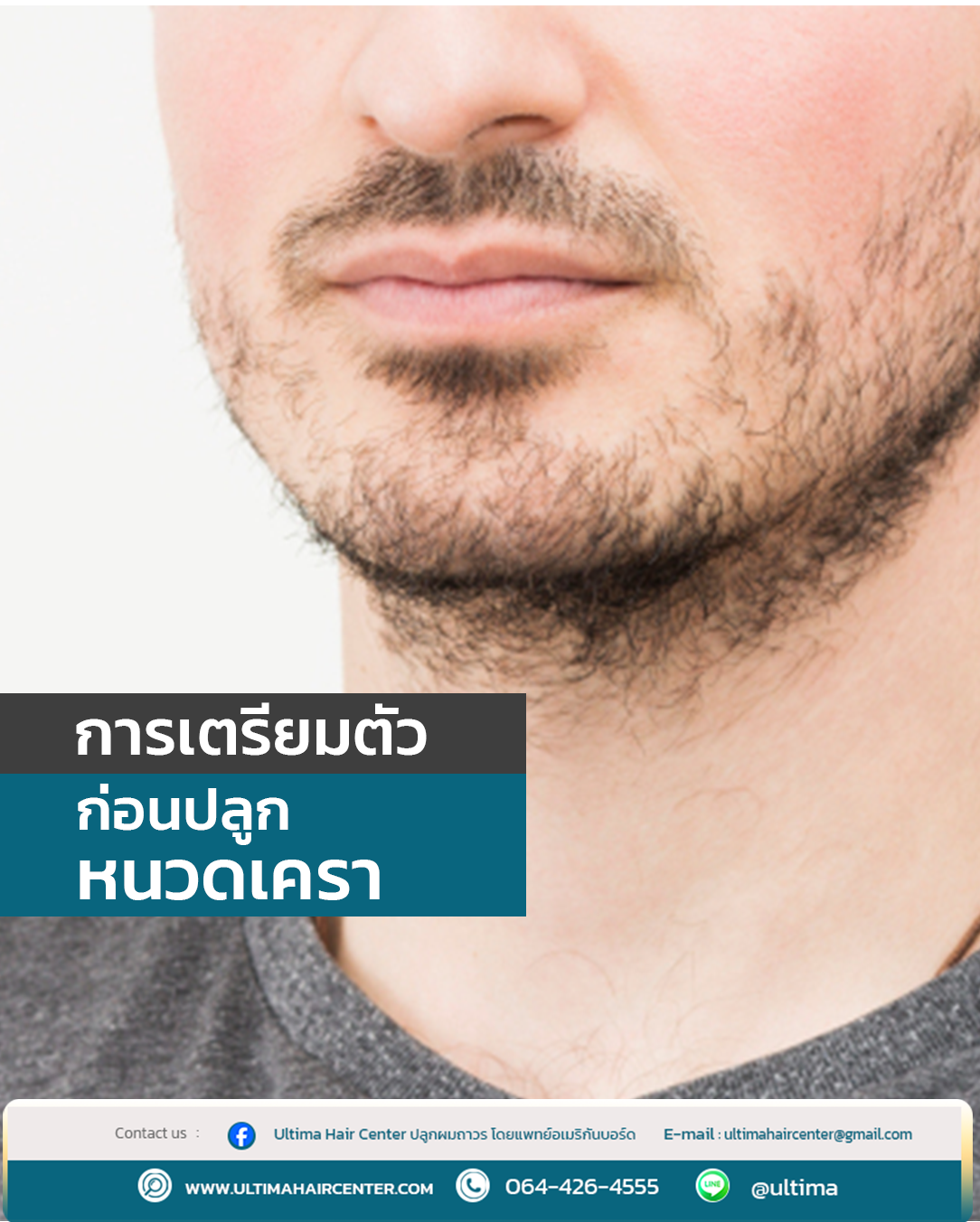
Good preparation helps you understand the procedure, recovery requirements, and the steps needed after treatment
Before your appointment:
- Tell your physician about your medical history, allergies, medications, and supplements
- Follow the clinic’s instructions regarding medication and supplement adjustments
- Ask when you can return to work, exercise, shaving, and your normal skincare routine
- Arrange transportation or assistance if recommended by your clinic
- Make sure you understand the washing and follow-up instructions
- Discuss your desired moustache or beard shape and what can realistically be achieved
Do not stop prescribed medication or supplements without appropriate medical guidance. If you have an important event or need to return to work quickly, tell your physician in advance so that recovery expectations can be discussed
 13. Why Choose Ultima Hair Center for a Moustache or Beard Transplant?
Choosing a clinic should involve more than comparing prices or the number of grafts offered. Facial hair transplantation requires individualized planning and careful attention to the direction, angle, and distribution of the transplanted hairs
At Ultima Hair Center, our approach emphasizes quality-focused treatment, realistic expectations, and planning tailored to each patient
Patients can discuss their concerns directly with Dr. Ming, who personally responds to patient messages. This allows patients to ask questions and receive guidance without pressure from sales staff
Our approach emphasizes:
- Individual assessment and treatment planning
- Attention to facial proportions and natural-looking hair direction
- Careful management of the Donor Area
- Clear communication about expected results and limitations
- Appropriate postoperative guidance and follow-up
Patients considering a Moustache or Beard Transplant can consult Dr. Ming to discuss their goals, suitability, and treatment options
If you are also researching a hair transplant, Ultima Hair Center provides consultations focused on medical assessment and individualized planning. Patients seeking a quality-focused hair transplant can learn more about the clinic and its approach before deciding whether to proceed
 Frequently Asked Questions About Moustache or Beard Transplant Aftercare
1. How long does it take for the transplanted area to heal?
The early healing period varies from person to person. Redness, sensitivity, and small scabs may gradually improve over the first several days and weeks. Follow your physician’s instructions and attend recommended follow-up appointments
2. Is it normal for transplanted hairs to fall out?
Some shedding of the visible hair shafts can occur in the weeks after a transplant. This does not necessarily mean that the procedure has failed. New growth may develop later, although the timing varies between patients
3. Can I wash my face after a Moustache or Beard Transplant?
Washing may be possible according to your clinic’s postoperative protocol. The key is to use the recommended method and avoid rubbing or applying strong water pressure to the transplanted area during early healing
4. Can I remove the scabs myself?
You should not pick, scrape, or pull scabs off prematurely. Follow the washing instructions provided by your clinic and ask your physician for advice if the scabs persist or you are concerned about the healing process
5. When can I shave after a Moustache or Beard Transplant?
The timing depends on how well the skin has healed and your physician’s recommendations. Wait for medical guidance before shaving directly over the transplanted area, and ask whether an electric trimmer may be suitable when you resume grooming
6. When can I return to exercise?
Light daily activities and strenuous exercise may have different recovery timelines. Avoid activities that cause excessive sweating, friction, or a risk of facial impact until your physician confirms that it is appropriate to resume them
7. Can I use facial cleanser and moisturizer after the transplant?
Use products approved by your clinic for your current stage of recovery. Avoid applying potentially irritating products to the recipient area until your physician confirms that the skin has healed sufficiently
8. Will the transplanted hairs grow immediately?
No. The visible transplanted hairs may shed before new growth appears. Growth develops gradually, and the timing differs between individuals. Follow-up assessments can help evaluate your progress
9. Can a Moustache or Beard Transplant look natural?
A natural-looking result depends on factors such as facial proportions, hair direction, angle, distribution, donor hair characteristics, and the patient’s individual healing and growth. Careful planning is important, but outcomes cannot be guaranteed to be identical for everyone
10. What should I look for in Moustache or Beard Transplant Reviews?
Look for photographs taken at different stages, consistent before-and-after comparisons, information about the patient’s starting condition, and realistic descriptions of the recovery process. Reviews are useful references but cannot guarantee your personal result
11. Is every patient suitable for a Moustache or Beard Transplant?
Not necessarily. Suitability depends on factors such as the reason for sparse facial hair, the condition of the skin, available donor hair, medical history, and expectations. A physician should assess these factors before recommending treatment
12. How can I consult Ultima Hair Center?
You can contact Ultima Hair Center to arrange a consultation and discuss your concerns with Dr. Ming. The consultation can help you understand your suitability, the treatment plan, expected recovery, and realistic goals before making a decision
 Conclusion
Aftercare is an important part of the Moustache or Beard Transplant journey. Gentle washing, avoiding premature shaving, protecting the healing skin, following medication instructions, and allowing enough time for growth can help you manage recovery appropriately
Just as importantly, the treatment should begin with careful planning and realistic expectations. A natural-looking Moustache or Beard Transplant is not determined by graft numbers alone, but by how the treatment is designed for the patient’s face and individual characteristics
At Ultima Hair Center, patients can consult Dr. Ming for free to discuss their goals and treatment options. Dr. Ming personally responds to patient messages, helping patients make informed decisions without pressure-selling
 Contact Us:
