

Where Can Women Have Hair Transplants?
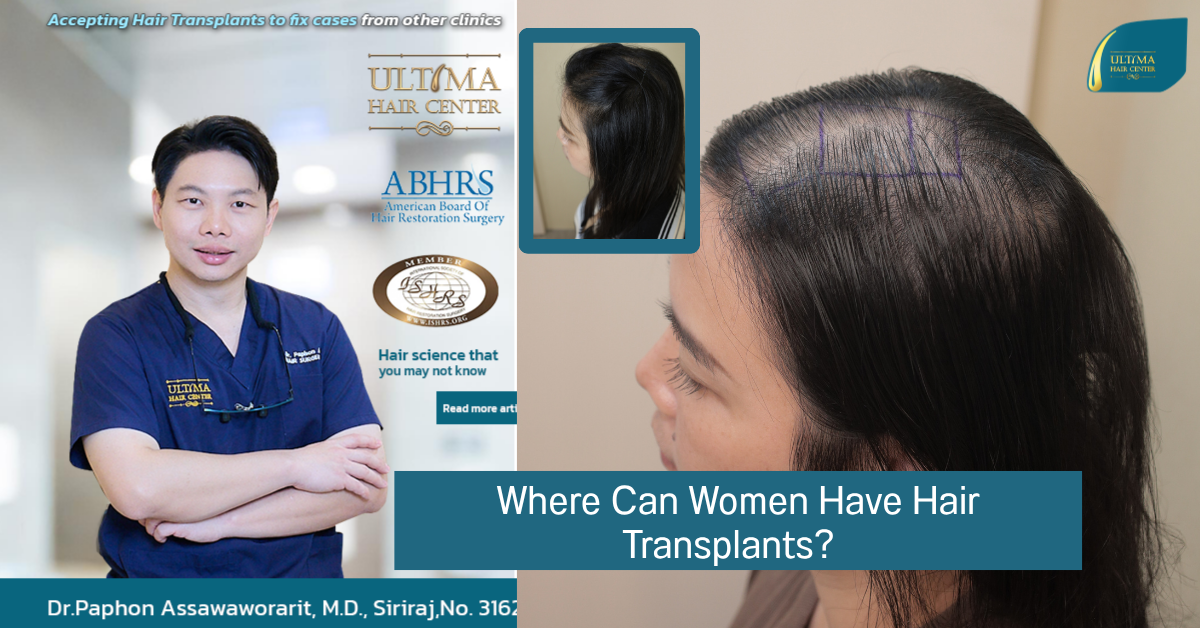
Areas That Can Be Treated and What to Know Before Making a Decision
Hair thinning and hair loss in women can occur for many reasons, including genetics, hormonal changes, aging, stress, nutritional deficiencies, illness, certain medications, and scalp conditions. Therefore, when a woman begins to notice that her hair is becoming thinner, the first step should not be to rush into a hair transplant. Instead, it is important to identify the cause of the problem and determine whether hair transplantation is an appropriate option.
When asking where women can have hair transplants, the answer is that several areas may be considered. Hair transplantation is not limited to the frontal hairline. Potential treatment areas include the hairline, temples, central parting, crown, and scarred areas. In selected cases, eyebrow transplantation may also be an option.
However, female hair thinning differs from male hair loss in several important ways. Many women do not develop the same receding hairline pattern seen in men. Instead, they experience diffuse thinning across the scalp, particularly along the central parting and the top of the head. Hair transplant planning must therefore consider the cause of hair loss, the density of the Donor Area, and the overall pattern of thinning.
This article explains which areas women may be able to have transplanted, the considerations associated with each area, and how to prepare before making a decision. The goal is to help ensure that a natural-looking hair transplant is planned according to each individual’s hair characteristics and facial proportions.
1. Hair Transplantation Along the Frontal Hairline
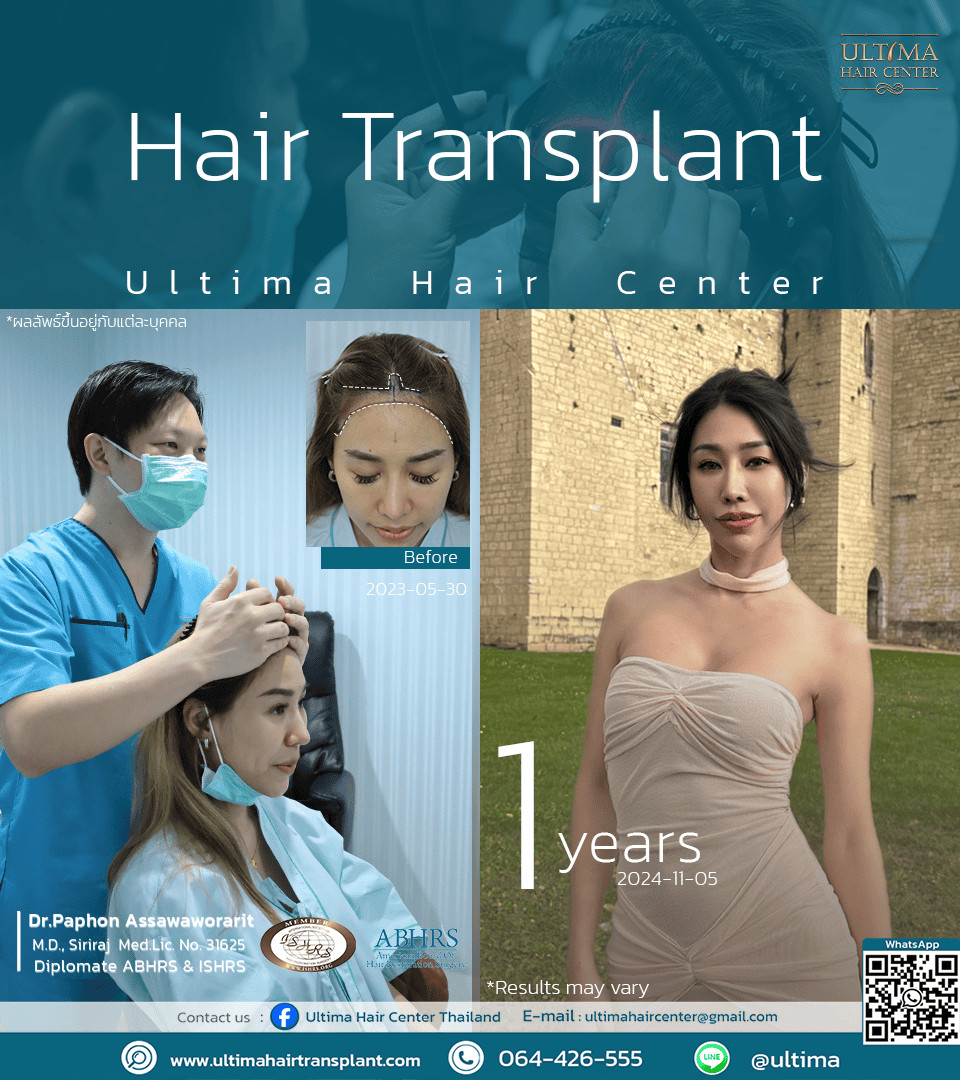
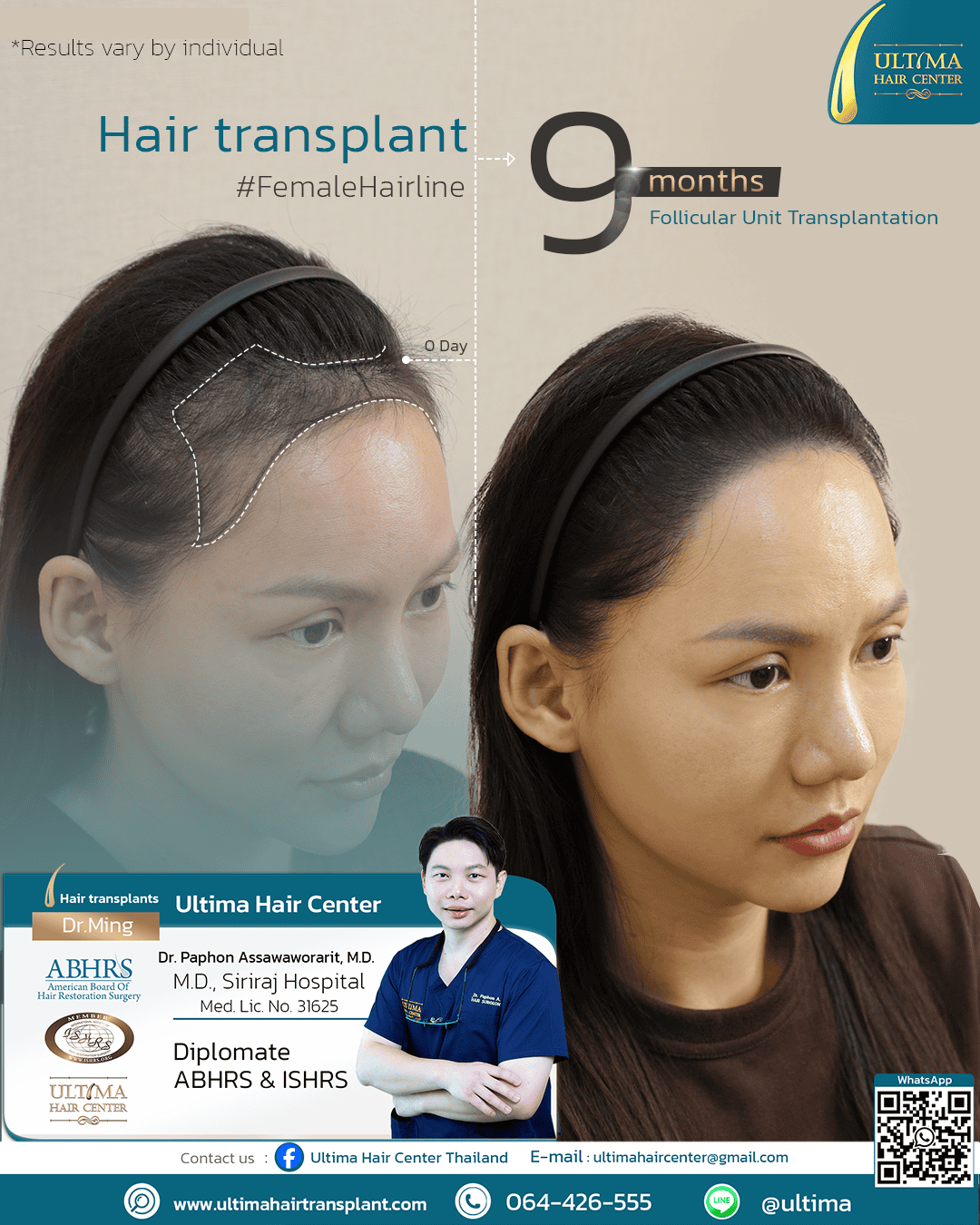
The frontal hairline is one area where women may consider hair transplantation, particularly those with a thinning hairline, a naturally broad forehead, or an irregular hairline.
Some women have had a high hairline since childhood, while others notice changes following hair loss, hormonal changes, or prolonged hair pulling.
Hair transplantation along the hairline can increase hair coverage in areas where hair is thin or missing. However, the key is to design a hairline that suits the individual’s facial features and existing hair characteristics.
Women’s hairlines often require particularly delicate planning, especially where fine hairs grow along the front edge. Graft placement must take into account hair caliber, hair characteristics, and the growth direction of the existing hair.
The goal is not to create a completely straight hairline or uniform density across the entire front. Instead, the hairline should transition appropriately from the forehead into the surrounding hair, so that the transplanted hair blends in as it grows.
 2. Hair Transplantation in the Temple Area
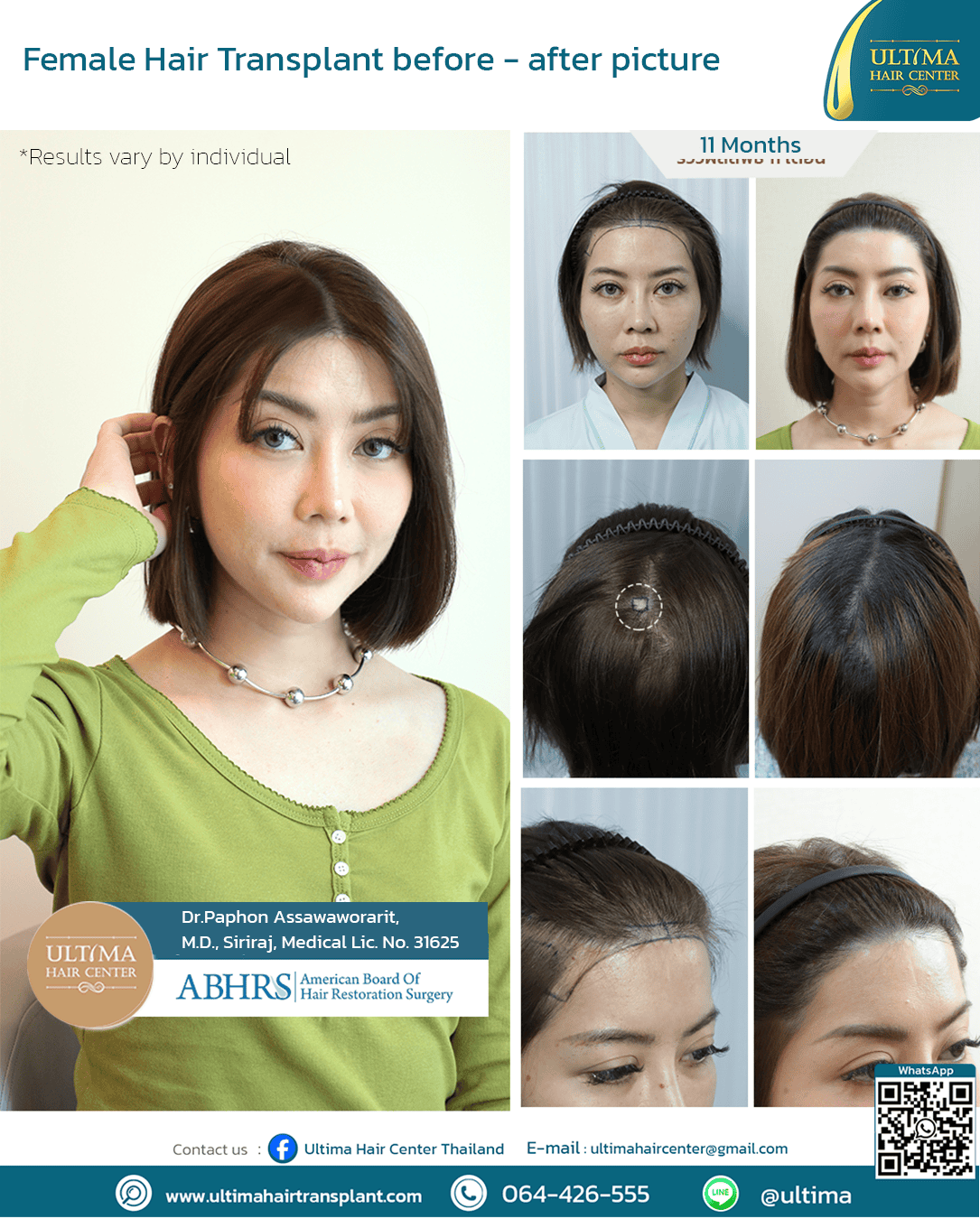
Some women have naturally recessed temples or thinning hair around the temples, which may make the face appear broader or the facial frame less balanced.
Hair transplantation in the temple area may be considered in selected cases, particularly when there is noticeable thinning or a clearly defined area where hair is missing.
However, temple transplantation in women requires particular attention to detail because this area forms the transition between the face and the hair along the sides of the head.
The physician should assess whether the temples appear broad because of actual hair loss or whether their shape reflects the person’s natural facial structure. Not every temple shape needs to be altered through hair transplantation.
When appropriate, restoring a relatively small amount of hair may help create a more balanced facial frame without requiring a large number of grafts.
3. Hair Transplantation Along the Central Parting
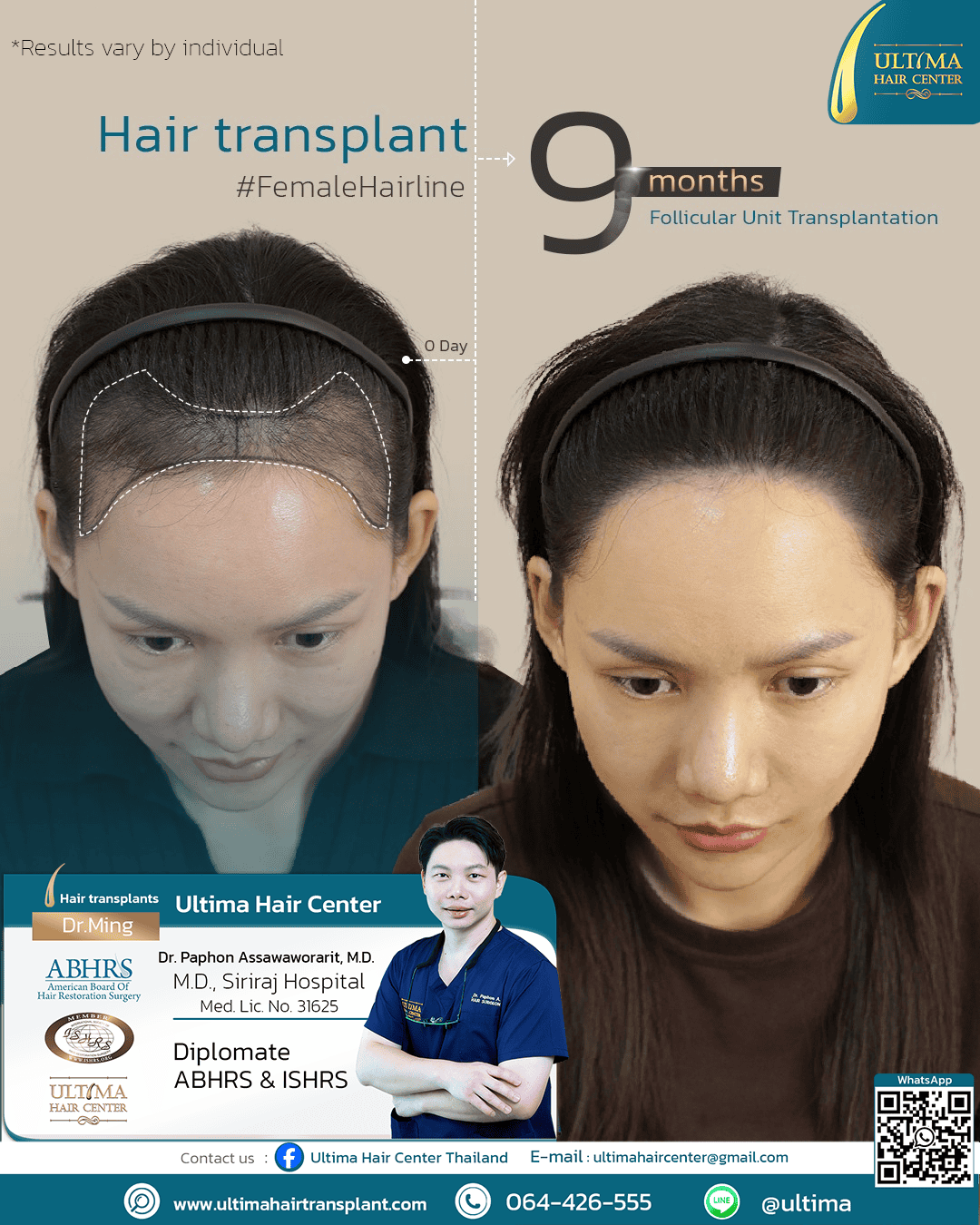
The central parting is one of the areas where many women notice hair thinning most easily, particularly when the part becomes wider or the scalp becomes more visible under bright lighting.
Thinning along the central parting may be caused by Female Pattern Hair Loss, but other contributing factors may include hormonal changes, nutritional deficiencies, stress, or certain medical conditions.
Women who notice a widening part should therefore have the cause assessed before deciding on treatment.
If the condition is suitable for hair transplantation, a physician may consider adding hair to the thinning area to help reduce visible scalp.
However, central-parting transplantation has an important limitation. If thinning is widespread across the scalp and the Donor Area also has low density, transplanting additional grafts may not be the best option.
The assessment should therefore consider the entire scalp, not just the central parting.
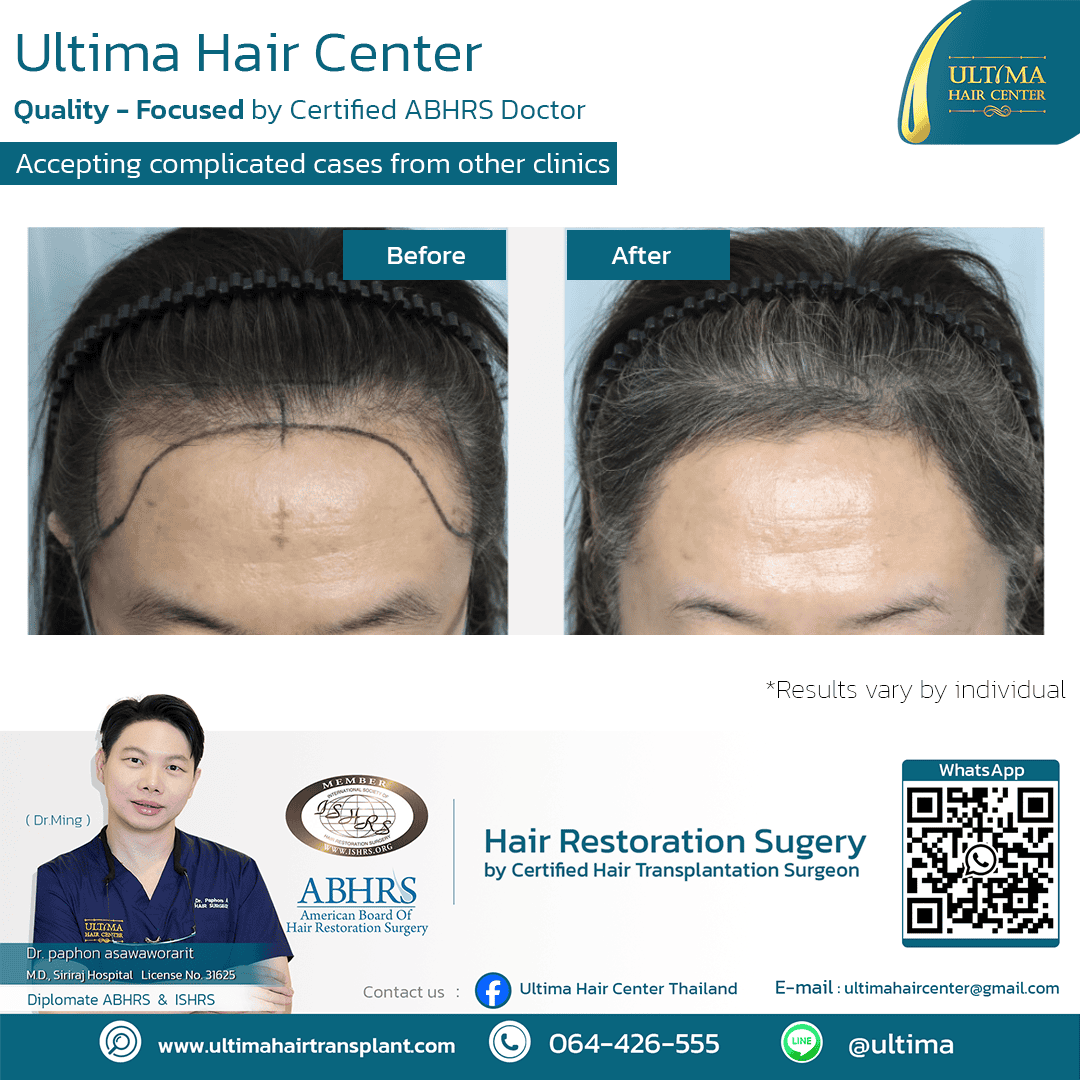 4. Hair Transplantation on the Top of the Head
Some women experience thinning across a broad area of the top of the head. The problem may begin along the central parting and gradually progress until more of the scalp becomes visible.
When thinning is diffuse, hair transplantation may be more challenging than when hair is missing from a few clearly defined areas. This is because a large number of grafts may be required to achieve a noticeable increase in density.
Before proceeding, the physician should assess whether the hair in the Donor Area has sufficient density and identify which areas can provide grafts appropriately.
Some women may be better suited to medical treatment, management of the underlying cause of hair loss, or other approaches rather than transplantation.
Conversely, if the thinning area is suitable for treatment and the Donor Area provides sufficient grafts, hair transplantation may be one option to consider.
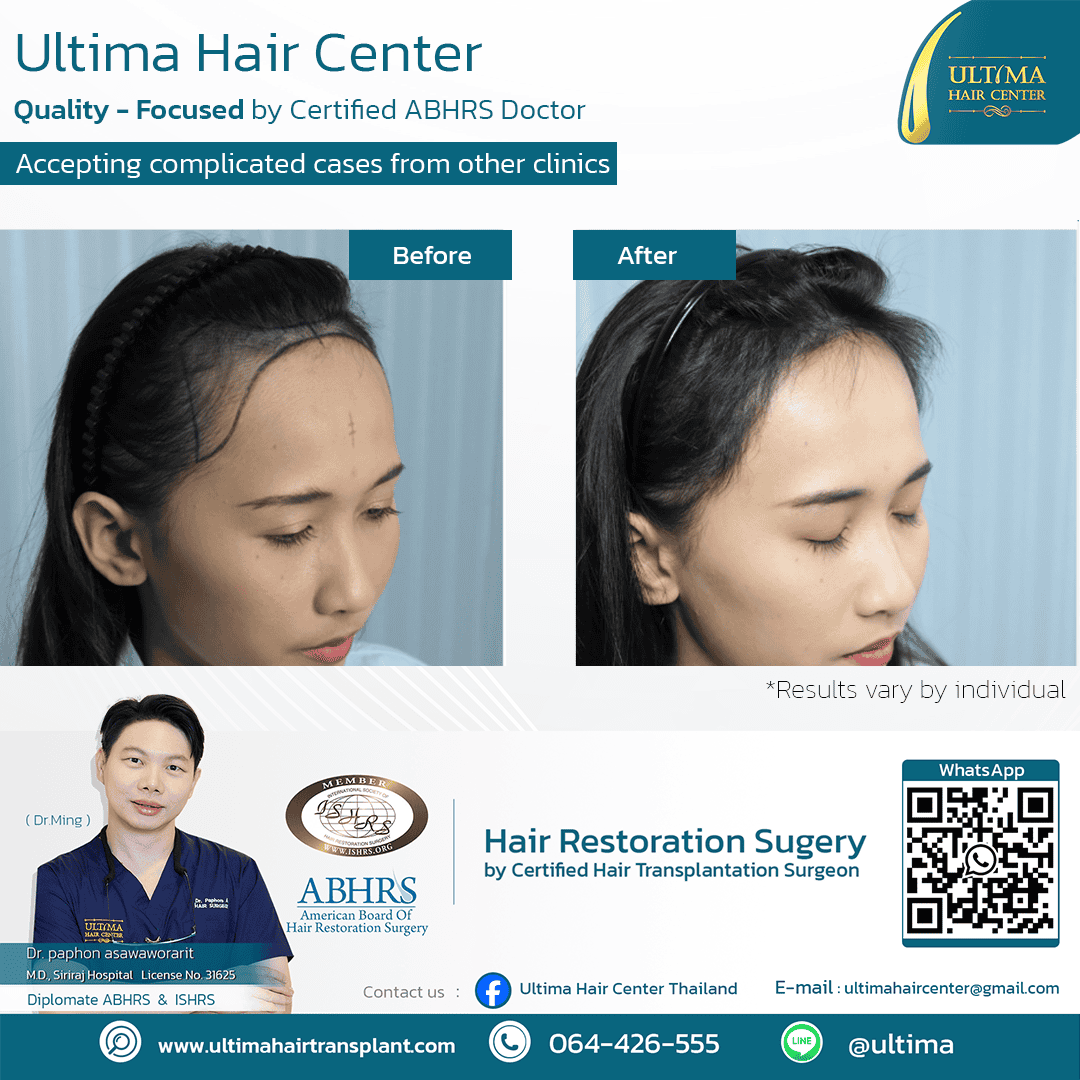 5. Hair Transplantation at the Crown
Women can also experience thinning at the crown, although the pattern often differs from that typically seen in men.
If there is a clearly defined area of crown thinning, hair transplantation may help increase hair coverage in that area. However, the cause of the thinning should be assessed first.
Another important consideration is that the crown has a different hair-growth pattern from the frontal hairline. Hair often follows a whorl or changes direction according to its position.
Graft placement must account for these patterns rather than simply adding more hair to the thinning area.
If the transplanted hair does not follow the direction of the surrounding hair, the result may look inconsistent with the adjacent areas.
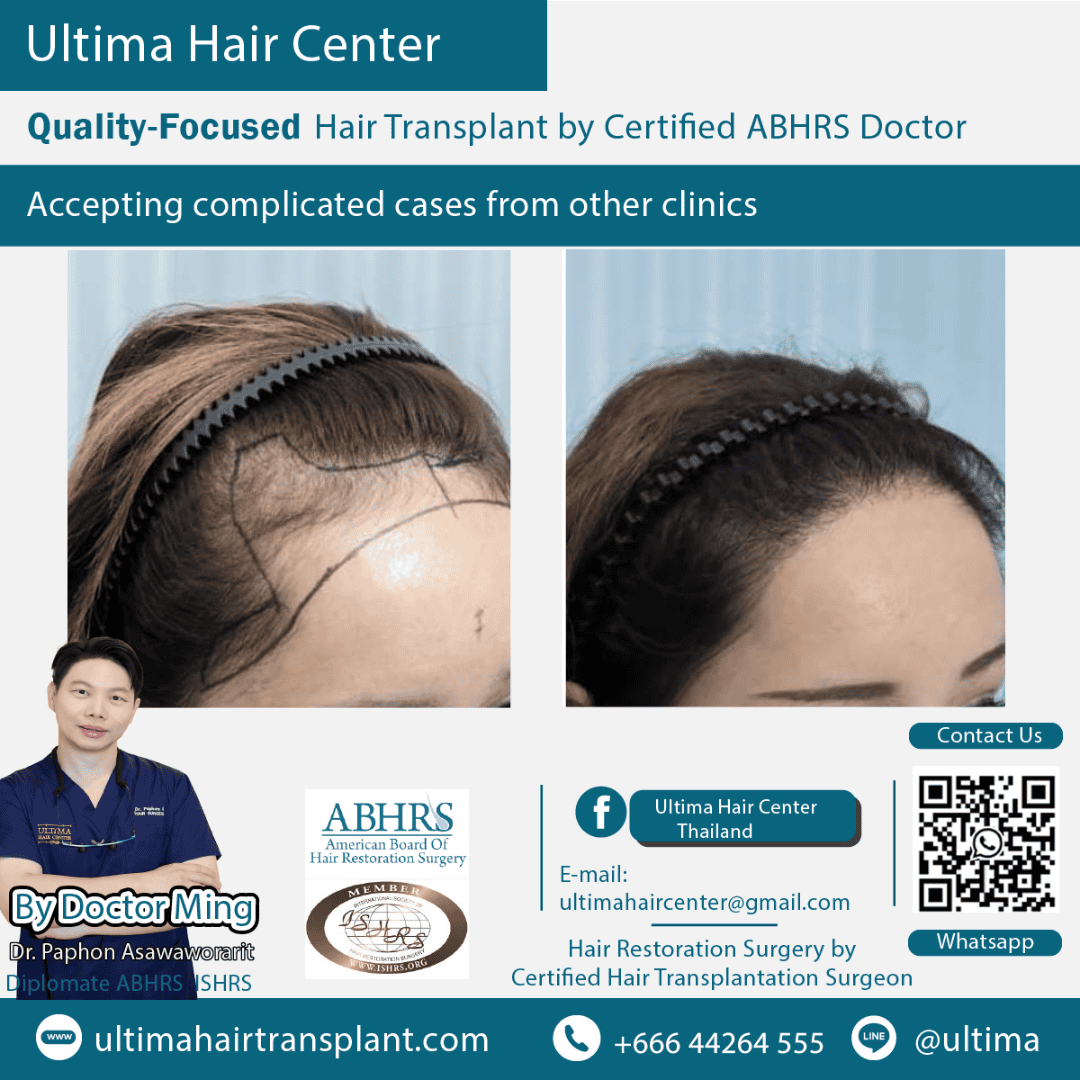 6. Hair Transplantation Along the Lateral Hairline
Some women have thinning or asymmetry along the lateral hairline, which may result from genetics, hair pulling, or other causes of hair loss.
This area may be suitable for transplantation in selected cases, particularly when there is a clearly defined area where hair is missing.
The design should suit each person’s facial proportions because the lateral hairline contributes to the overall facial frame.
In some cases, restoring a small amount of hair may help create a more balanced appearance without requiring a large number of grafts.
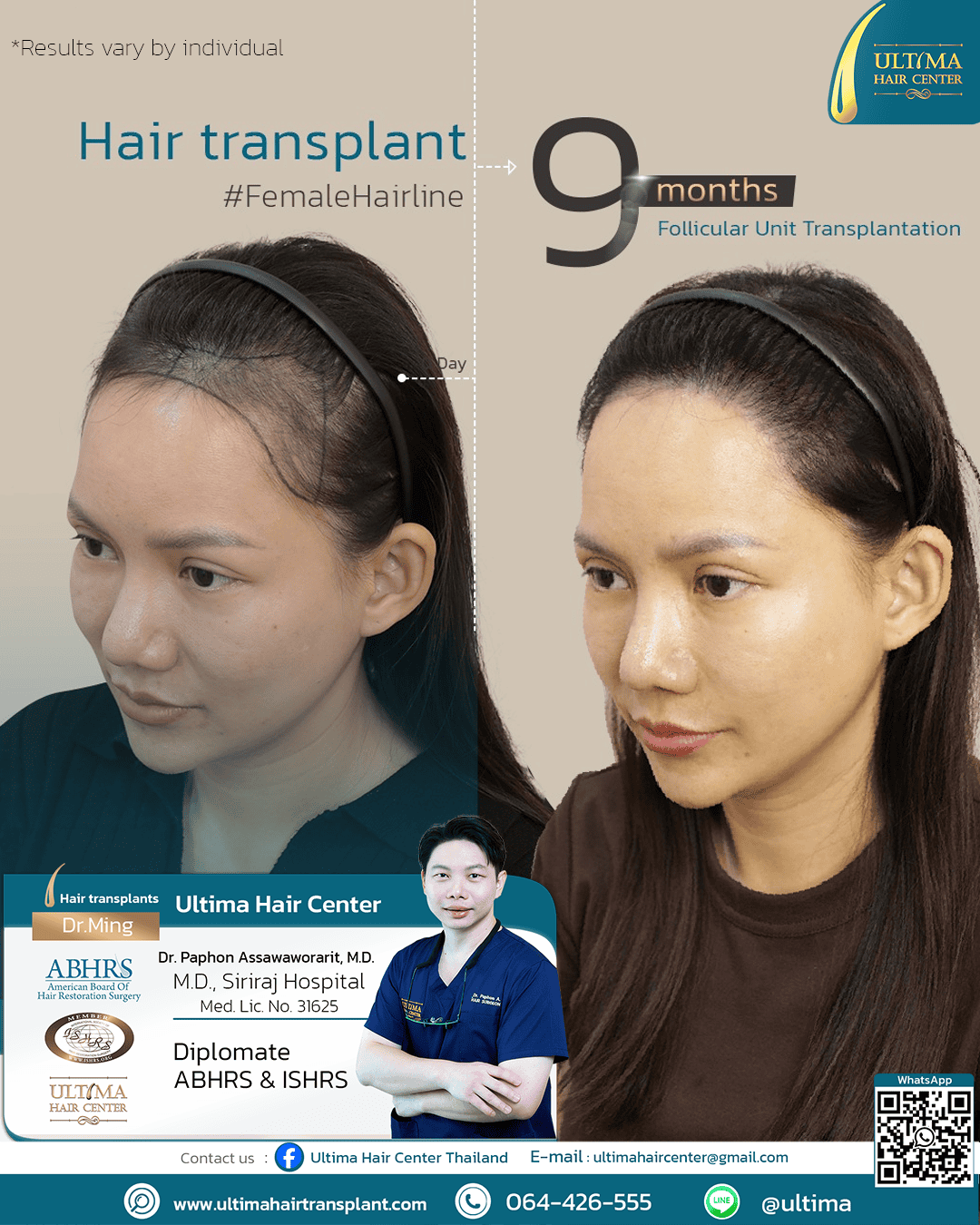 7. Hair Transplantation for Hair Loss Caused by Prolonged Tight Hairstyles
Some women regularly wear tight ponytails, tightly tied hairstyles, braids, or other styles that place prolonged tension on the hairline. This may contribute to Traction Alopecia, a form of hair loss caused by repeated pulling on the hair.
When hair thinning is caused by traction, some hair may recover if the underlying cause is addressed early enough. Therefore, not every case requires a hair transplant.
However, if hair has been lost for a prolonged period and the affected area is unlikely to recover, transplantation may be one option to consider.
It is important to stop or modify the hairstyles that cause excessive tension first. If tight hairstyles continue, the hair surrounding the transplanted area may also be affected.
 8. Hair Transplantation into Scarred Areas
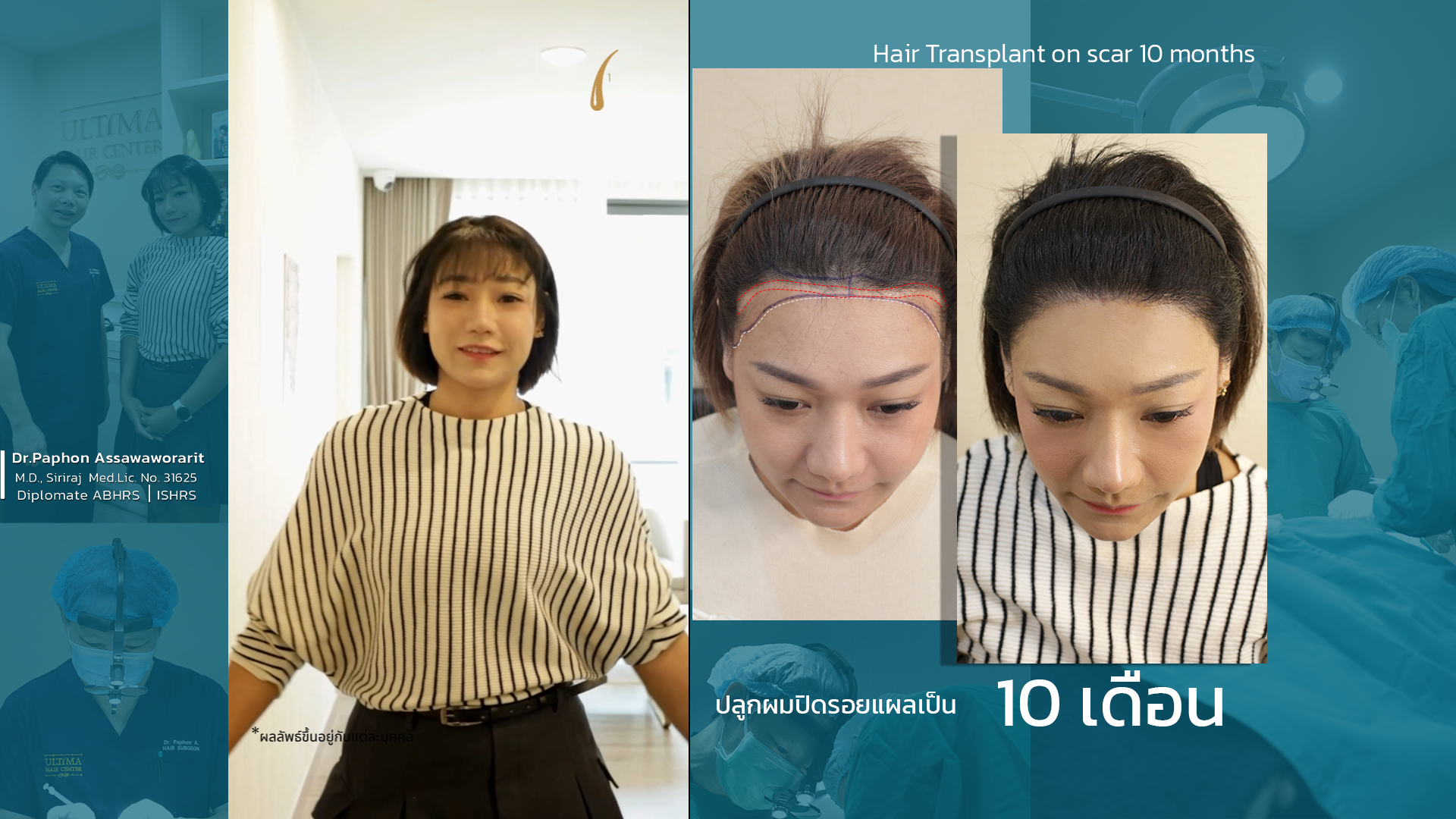
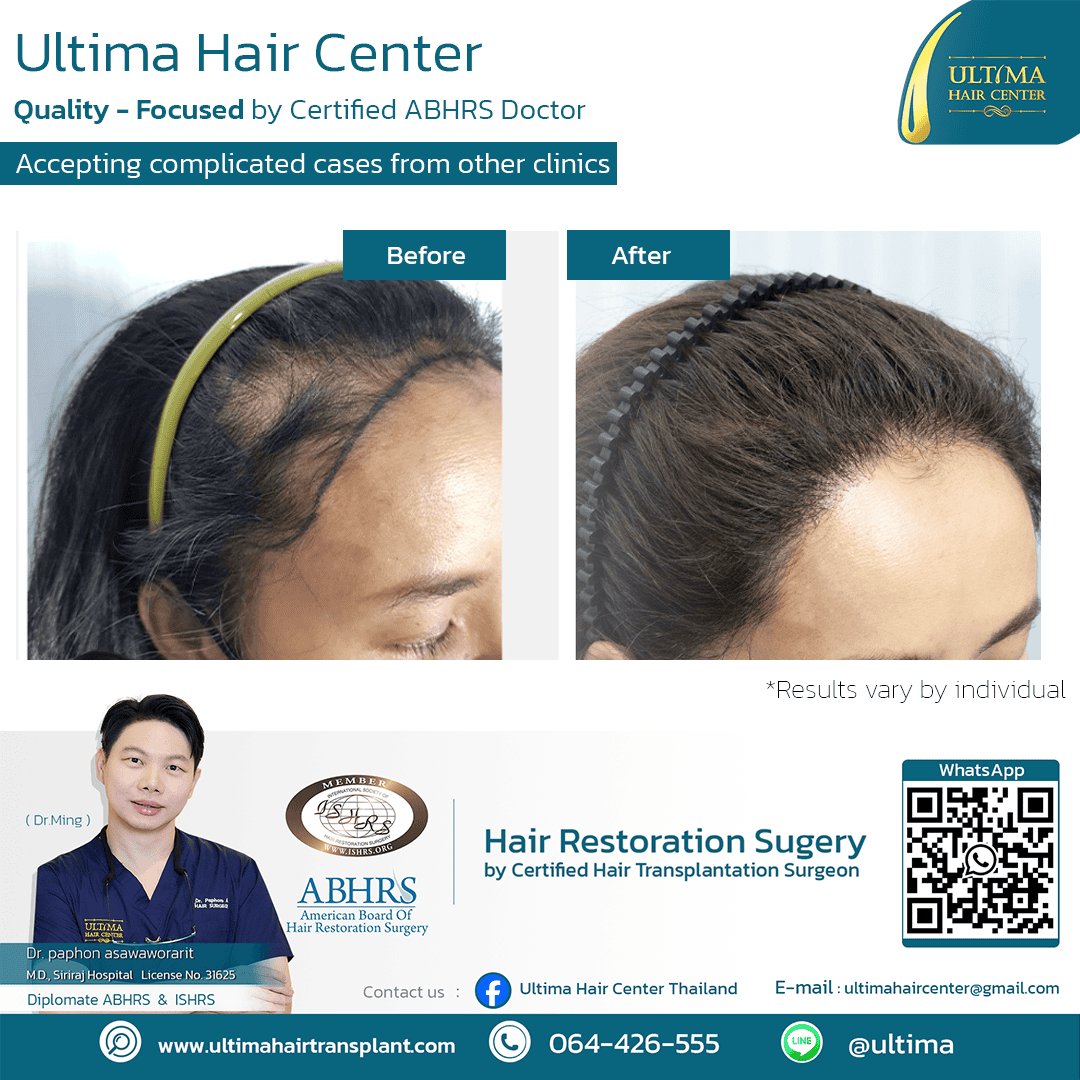
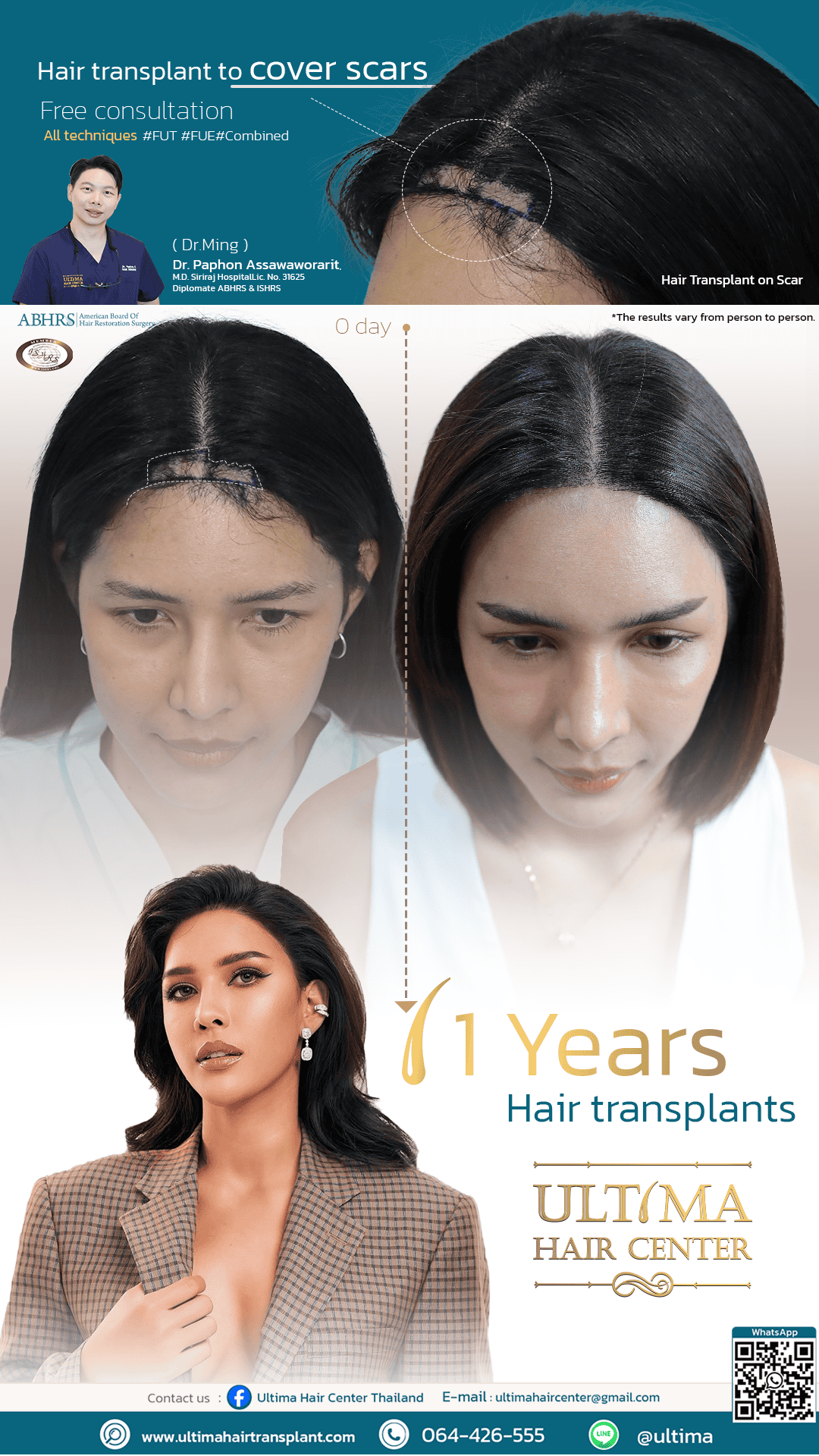
Some women have scalp scars caused by accidents, surgery, injuries, or other conditions and would like to restore hair coverage to make the scars less noticeable.
In selected cases, hair transplantation into scar tissue may be possible. However, the scar must be assessed first because scar tissue behaves differently from normal skin.
Factors to consider include scar thickness, skin flexibility, and the condition of the underlying tissue.
Women who have linear scars following scalp surgery or scars caused by accidents may be able to consider hair transplantation as part of a corrective treatment plan in selected cases.
 9. Eyebrow Transplantation for Women
Although hair transplantation is primarily associated with the scalp, some women may also be interested in eyebrow transplantation.
Eyebrow transplantation may be suitable for women with naturally sparse eyebrows, partial eyebrow hair loss, or areas without eyebrow hair due to accidents, scarring, or prolonged plucking.
The eyebrow area requires a high level of precision because each hair has a growth direction and angle that contributes to the overall eyebrow shape.
Planning should therefore consider facial proportions, the existing eyebrow shape, and the patient’s preferences.
An eyebrow design should not simply be copied from another person’s photograph because a shape that suits one individual may not suit another.
 10. Can Women Have Hair and Eyebrow Transplants at the Same Time?
In selected cases, hair and eyebrow transplantation can be planned together. However, the physician must assess the available grafts, the Donor Area, and the overall treatment plan.
For example, a woman may have both a thinning hairline and sparse eyebrows. If the Donor Area provides sufficient grafts, the physician may consider allocating grafts to both areas.
However, treating multiple areas at the same time should not automatically be the goal. The more important consideration is whether the treatment plan addresses the patient’s actual concerns appropriately.
If the number of available grafts is limited, prioritizing the most important area may be more beneficial than distributing grafts across several areas.
 11. Can Women With Diffuse Hair Thinning Across the Scalp Have Hair Transplants?
This is one of the most important questions for women considering hair transplantation.
Many women with hair thinning do not have clearly defined bald patches like those commonly seen in men. Instead, they experience reduced density across the upper scalp.
These cases require a detailed assessment to identify the cause of thinning and determine whether the Donor Area is sufficiently healthy and dense.
If the Donor Area is also affected by thinning, there may not be enough suitable grafts available for transplantation.
This is why examining the hair and scalp is so important. Noticing thinning does not automatically mean that a hair transplant is necessary, and transplantation is not the answer for every type of hair loss.
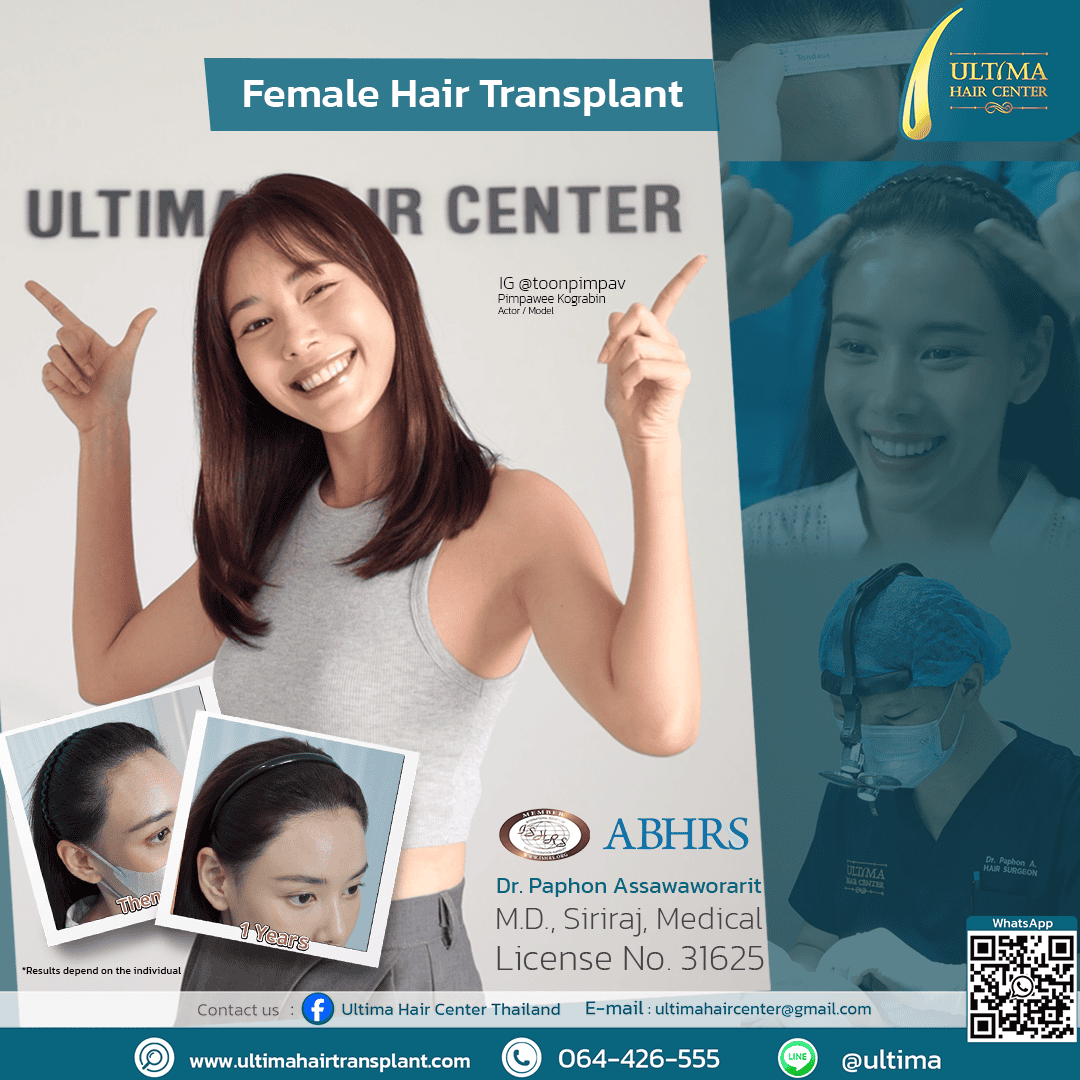 12. Women Should Identify the Cause of Hair Loss Before Having a Hair Transplant
Hair loss in women can have many causes, including:
- Female pattern hair loss
- Hormonal changes
- Postpartum hair loss
- Stress
- Certain nutritional deficiencies
- Medical conditions
- Certain medications
- Traction Alopecia caused by pulling on the hair
- Scalp diseases or inflammation
- Alopecia areata
If hair is falling out rapidly, or if there is itching, burning, pain, an abnormal scalp appearance, or patchy hair loss, a medical assessment should be carried out before deciding on treatment.
Hair transplantation adds hair to a targeted area, but it does not treat every underlying cause of hair loss.
This is why consulting a physician before making a decision is particularly important for women who do not yet know why their hair is thinning.
 13. Can FUE and FUT Be Used for Women’s Hair Transplants?
Women may consider FUE or FUT, just as men do. However, the choice of technique should not be based on sex alone.
FUE (Follicular Unit Excision) involves extracting individual grafts from the Donor Area before transplanting them into the target area.
FUT (Follicular Unit Transplantation) involves removing a strip of scalp from the Donor Area and separating it into individual grafts before transplantation.
Each technique has different advantages and limitations. The choice should take into account hair characteristics, Donor Area density, the number of grafts required, and the hairstyles the woman typically wears in daily life.
Women who wear long hair may have different considerations regarding scar concealment and postoperative care compared with those who wear short hairstyles.
Therefore, a technique should not be selected based on advertising claims that one method is always better. The preferred approach should be appropriate for the individual’s concerns and treatment plan.
 14. Women’s Hair Transplants Should Be Designed Around Individual Hair Characteristics
One factor that makes women’s hair transplantation particularly detailed is that many women have fine hair with distinctive characteristics.
Graft placement is not simply about adding hair to an empty area. It must also consider direction, angle, density, and the transition between existing and transplanted hair.
At the frontal hairline in particular, creating a rigid, straight line should generally be avoided because it may not match the natural characteristics of a woman’s hairline.
The aim is to add hair that blends with the existing hair and achieve a natural-looking hair transplant to the greatest extent possible for each individual.
 15. Choosing the Physician Is More Important Than Choosing a Graft Count
Women searching for a hair transplant in Bangkok may find many clinics that promote prices and graft numbers as their main selling points.
However, the number of grafts alone cannot determine whether a treatment plan is appropriate.
Important considerations include:
- Who examines and assesses the patient’s condition
- Whether the physician investigates the cause of hair thinning
- Whether the Donor Area is assessed
- How the hairline is designed
- Whether limitations and risks are discussed
- Whether the plan considers the future condition of the existing hair
- Whether follow-up care is provided
- Whether Before & After photographs are available for cases with similar characteristics
Quality-focused hair transplantation should mean prioritizing assessment, planning, and care at every stage, rather than simply increasing the number of grafts used.
 16. How Should Women Evaluate Hair Transplant Reviews?
Reading hair transplant reviews can help inform a decision, but it is important to look beyond ratings or brief comments.
Women should pay particular attention to whether the cases described in the reviews have concerns similar to their own, such as:
- Thinning along the central parting
- A thinning frontal hairline
- Temple thinning
- Hair loss caused by traction
- Scarring
- Hair thinning following hormonal changes
- A similar Donor Area condition
Review Before & After photographs taken at appropriate follow-up intervals, including the camera angle, lighting, and hair length.
Do not assume that one person’s result guarantees the same outcome for everyone. Hair quality, graft numbers, the cause of thinning, and the response to treatment differ from person to person.
 17. Why Is a Physician Consultation Important for Women?
In men, a receding hairline or thinning crown may make the pattern of hair loss relatively straightforward to identify. In women, however, hair thinning can have a wider range of causes.
Women with thinning hair should therefore be assessed to determine whether transplantation is appropriate or whether treatment of another underlying cause should come first.
At Ultima Hair Center, the approach emphasizes individualized assessment rather than focusing only on graft numbers or treatment prices.
For those interested in hair transplantation with Dr. Ming, preliminary questions about hair thinning and specific areas of concern can be discussed. Dr. Ming personally responds to patient messages, helping prospective patients understand the initial options before undergoing a medical assessment.
For those who place importance on a physician’s credentials, anyone searching for hair transplantation with an American Board-certified ABHRS physician should verify the physician’s qualifications and current status directly through the relevant professional sources.
 18. Can Problems From a Previous Hair Transplant at Another Clinic Be Corrected?
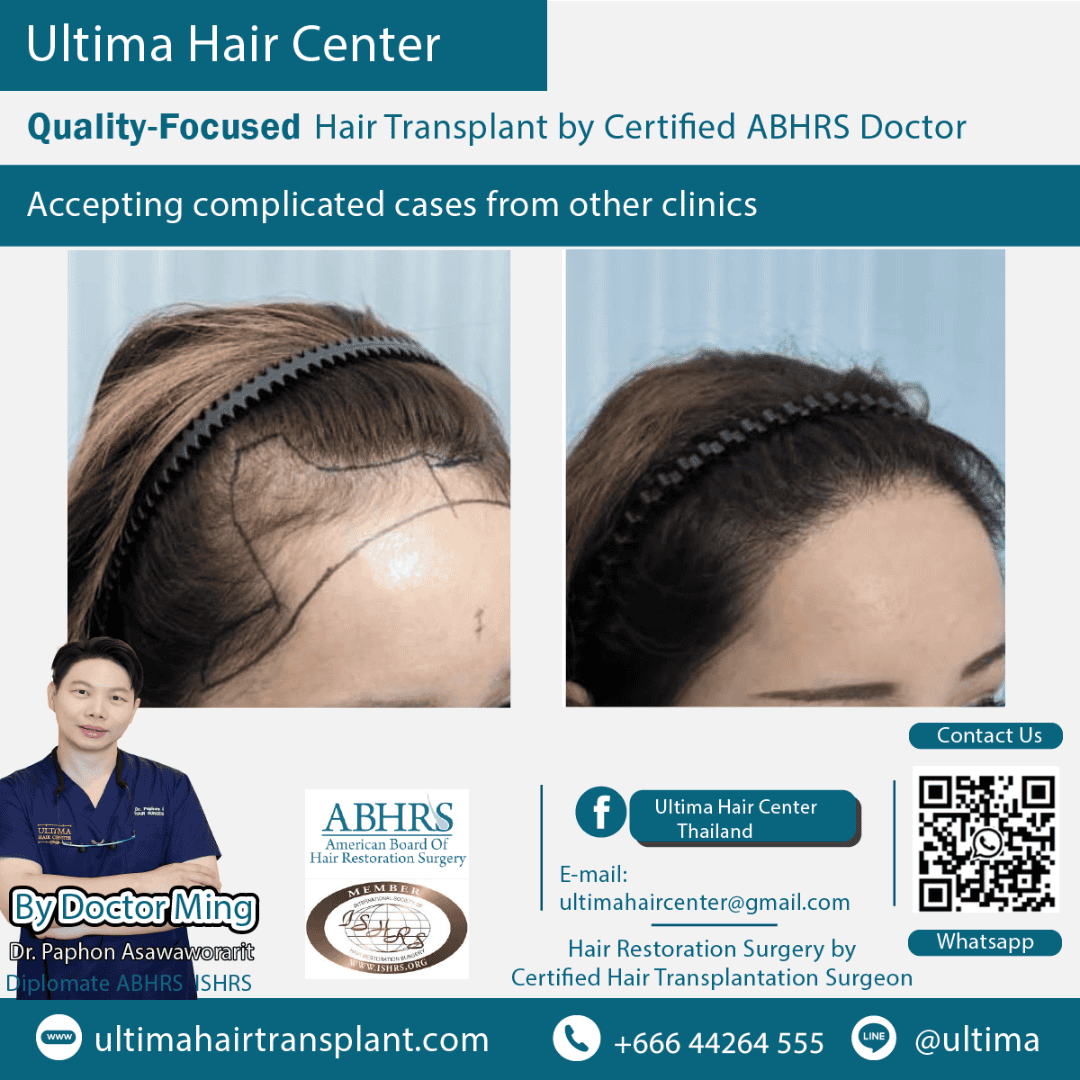
Some women may have undergone hair transplantation previously and later experienced problems such as an unsuitable hairline, uneven hair growth, insufficient density, or scars they would like to improve.
In such cases, a corrective assessment may be possible, but revision procedures often involve more limitations than an initial hair transplant.
The physician must assess how many grafts remain available in the Donor Area, where the previous grafts were placed, whether scarring is present, and how much density remains in the existing hair.
Women looking for a clinic that offers hair transplant repair for cases treated elsewhere should consider bringing their previous treatment records, preoperative photographs, and postoperative photographs for a detailed assessment.
Some cases may be improved by adding more grafts, while others may require hairstyle planning or a different approach depending on the limitations involved.
 19. How Ultima Hair Center Approaches Individualized Treatment Planning
For women researching hair transplantation, it is important not to begin with the question, “How many grafts do I need?” alone.
More useful starting questions include:
“What is causing my hair thinning?”
“Which area is my main concern?”
“Is my Donor Area suitable?”
“Do I actually need a hair transplant?”
“If transplantation is appropriate, how should the grafts be placed to suit my face and existing hair?”
The approach at Ultima Hair Center emphasizes assessment and planning before treatment, helping patients understand both what may be achievable and what limitations they should consider.
Quality-focused hair transplantation should begin with assessment and continue through design, graft preparation, implantation, and follow-up care. It should not focus solely on the day of the procedure.
 Summary: Where Can Women Have Hair Transplants?
Women may be candidates for hair transplantation in several areas, including:
- The frontal hairline
- The temples
- The central parting
- The top of the head
- The crown
- The lateral hairline
- Areas affected by traction-related hair loss
- Scarred areas
- The eyebrows, in selected cases
However, more important than knowing where hair can be transplanted is understanding which areas should be treated and whether transplantation is appropriate at all.
Women experiencing hair loss or thinning should have the cause assessed first because female hair loss has many possible causes, and hair transplantation is not the right solution for every case.
If transplantation is considered appropriate, planning should take into account the hairline, facial proportions, hair characteristics, Donor Area, graft numbers, and the likely future progression of existing hair loss. These considerations help support a result that looks natural and suits each individual’s characteristics.
 Frequently Asked Questions About Hair Transplantation for Women
1. Can Women Have Hair Transplants?
Women may be suitable candidates for hair transplantation in selected cases, but the cause of hair loss should be assessed first because female hair thinning can have many different causes. If there is an appropriate area for restoration and the Donor Area provides sufficient grafts, transplantation may be one suitable option.
2. Which Areas Can Women Have Hair Transplants In?
Potential areas include the frontal hairline, temples, central parting, top of the head, crown, lateral hairline, scarred areas, and, in selected cases, the eyebrows. The choice of area depends on the cause and pattern of each person’s hair loss.
3. Can Women With Broad Foreheads Have Hair Transplants?
Hair transplantation along the frontal hairline may be considered to adjust the facial frame. However, the hairline should be designed to suit facial proportions and hair characteristics rather than being based solely on forehead height.
4. Can Women With Thinning Along the Central Parting Have Hair Transplants?
In selected cases, this may be possible, but the cause of thinning should be assessed first. This is particularly important when thinning affects a large area of the scalp, because low density in the Donor Area may limit the availability of suitable grafts.
5. Should Women Who Experience Postpartum Hair Loss Have Hair Transplants?
Postpartum hair loss can occur because of changes in the hair-growth cycle and hormonal levels. In many cases, some recovery may occur over time. Women should therefore avoid rushing into transplantation before the cause and likely recovery pattern have been assessed.
6. Can Women Who Frequently Wear Tight Hairstyles Have Hair Transplants?
If hair thinning is caused by traction, the tension-producing hairstyle should be modified first. If hair has been lost for a prolonged period and does not recover, hair transplantation may be an option to consider.
7. Can Women Have Hair and Eyebrow Transplants at the Same Time?
In selected cases, both procedures may be performed as part of a coordinated plan if sufficient Donor Area hair is available and the patient’s overall health is suitable. However, the graft requirements and priorities for each area should be assessed first.
8. Which Is Better for Women: FUE or FUT?
Neither technique is best for every woman. The choice between FUE and FUT should take into account Donor Area density, the number of grafts required, hair characteristics, preferred hairstyles, and the overall treatment plan.
It is advisable to consult a physician experienced in both techniques so that you can receive clear information before choosing an approach.
9. Will Women’s Hair Transplants Leave Visible Scars?
FUE and FUT produce different types of scars and involve different postoperative considerations. The appearance of scars depends on the technique, individual skin characteristics, healing, and postoperative care. Discuss these factors with the physician before selecting a technique.
10. What Should Women Look for in Hair Transplant Reviews?
Consider whether the patient has concerns similar to your own, along with Before & After photographs, follow-up intervals, hair characteristics, and information about the treatment plan. Do not rely solely on review ratings or photographs taken shortly after treatment.
11. Can a Hair Transplant Look Natural on Women?
The result depends on several factors, including hairline design, graft direction, hair characteristics, graft numbers, and postoperative care. Appropriate planning can help transplanted hair blend with the surrounding hair and achieve a natural-looking hair transplant.
12. Can Problems From a Previous Hair Transplant at Another Clinic Be Corrected?
Some cases can be assessed for corrective treatment. However, the remaining graft supply, Donor Area condition, scarring, and problems caused by the previous procedure must be evaluated before planning. Those seeking hair transplant repair for cases treated elsewhere should have their previous treatment records reviewed by a physician.
13. How Should Women Choose a Hair Transplant Clinic?
Consider the physician’s qualifications, how the cause of hair loss is assessed, Donor Area evaluation, hairline design, transparency about limitations, postoperative care, and hair transplant reviews from patients with similar characteristics.
14. Can I Consult Ultima Hair Center Before Making a Decision?
You can contact Ultima Hair Center to ask preliminary questions about hair loss and the areas that concern you. Dr. Ming personally responds to patient messages, helping prospective patients understand the initial information before undergoing an assessment. The decision to proceed with treatment should be based on an appropriate medical examination and evaluation.

Contact Us:
Dr. Paphon Asawaworarit (Dr. Ming)
Physician Directory ABHRS
Ultima Hair Center (Thailand Website)
Ulitma Hair Transplant (English Website)
Line: @ultima
E-mail: ultimahaircenter@gmail.com
