

Why Direct Communication with the Doctor Before and After Hair Transplantation Matters
Today, people interested in hair transplantation can easily contact clinics. A simple message through LINE, Facebook, or other online channels can be enough to ask about pricing, the number of grafts, FUE or FUT, and consultation appointments
But there is one question that many people may not think to ask before making a decision:
“When I have a question, who is actually answering my messages?”
Is it an admin, a sales representative, or the doctor personally?
For hair transplantation, this question is more important than it may seem. Each person has different causes of hair loss, different levels of hair thinning, different donor area characteristics, and different expectations. Questions about treatment therefore should not rely solely on general information or standardized packages
At Ultima Hair Center, direct communication between the doctor and patient is an important part of the approach. Dr. Ming personally responds to patients’ messages both before and after hair transplantation, helping maintain continuity in communication about hair loss and hair transplantation from the initial decision-making stage through post-transplant follow-up
This article explains the potential benefits of having the doctor personally respond to patients, what you should ask before undergoing a hair transplant, and why direct communication is relevant to the concept of quality-focused hair transplantation
Are There Hair Transplant Clinics Where the Doctor Personally Answers Patients’ Messages?
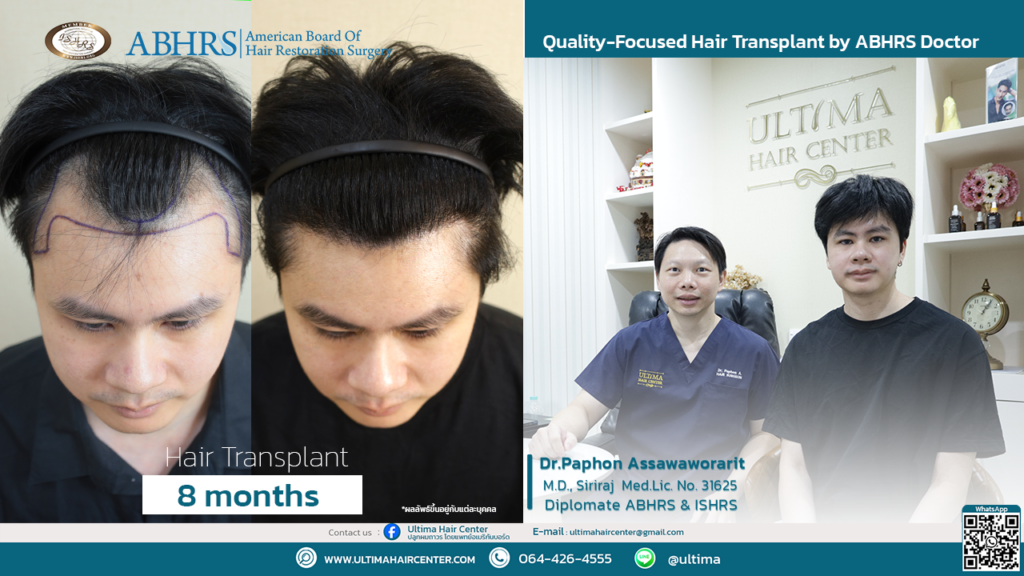
Yes
However, it is important to distinguish between
“A clinic where you can send a message to the doctor”
and
“A clinic where the doctor personally responds to your messages”
These are not necessarily the same thing
Some clinics may provide a channel through which patients can submit questions, but the messages may first be handled by an administrator or staff member. Only questions requiring medical input may then be forwarded to the doctor
There is nothing inherently wrong with this system. However, if you want to communicate directly with the doctor, it is reasonable to ask from the beginning:
“Does the doctor personally answer the messages?”
When a question involves diagnosis or hair transplant planning, receiving information directly from the medical professional responsible for the treatment is different from receiving general information from an administrative staff member
Why Is It Important for the Doctor to Answer Messages Personally?
Hair transplantation does not have one standard answer that applies to everyone
For example, someone might ask:
“How many grafts do I need for this level of hair loss?”
But the answer cannot always be determined from a single photograph
A doctor may need to consider:
- Whether hair transplantation is appropriate
- The underlying cause of hair loss
- The degree of hair thinning
- Age
- Existing hairline
- Density of existing hair
- Donor area quality
- Hair characteristics
- Previous hair transplantation
- Potential future hair loss
- The areas that need to be treated
Speaking directly with the doctor can therefore provide more context around the patient’s individual situation
“The Doctor Answers Messages Personally” Does Not Mean Chat Can Replace an Examination
Even when the doctor personally responds to messages, online communication cannot replace a physical examination or detailed medical assessment in every case
This is particularly important for people who have:
- Rapid hair loss
- Patchy hair loss
- Scalp inflammation
- Scarring
- Hair loss from multiple causes
- A previous hair transplant
- Problems with the donor area
Additional assessment may be necessary in such cases
The benefit of having the doctor answer messages personally is that initial communication can be directly with the medical professional responsible for the patient’s care. It does not mean that online chat can diagnose every condition
What Should You Ask the Doctor Before a Hair Transplant?
Having the opportunity to speak directly with the doctor allows you to ask questions that go beyond price
1. What Is Causing My Hair Loss?
One of the first questions to ask is:
“What is causing my hair loss?”
Hair loss can have many causes, including:
- Genetic hair loss
- Patchy hair loss
- Traction-related hair loss
- Scalp conditions
- Hair loss caused by other factors
If the cause has not yet been identified, rushing into a hair transplant may not be the first or most appropriate step
2. Do I Actually Need a Hair Transplant?
Not everyone with thinning hair necessarily needs a hair transplant
Some people may benefit from treating their existing hair first
Some may need monitoring over time
Some may need treatment for an underlying health or scalp problem
Others may be suitable candidates for hair transplantation
A consultation with a doctor can help determine which situation applies
3. How Many Grafts Do I Need?
The number of grafts should come from a treatment plan rather than simply being determined by a package
The doctor should assess:
- Which areas need greater density
- Whether the hairline needs to be redesigned
- Approximately how many grafts are needed
- Whether the donor area has sufficient resources
- Whether grafts should be conserved for future needs
Therefore, a package advertised as “3,000 grafts” does not necessarily mean that 3,000 grafts are appropriate for everyone
4. Is FUE or FUT More Suitable for Me?
FUE and FUT have different advantages and limitations
The choice of technique should take into account:
- Donor area condition
- Number of grafts required
- Hair characteristics
- Hairstyle
- Previous hair transplantation
- Patient preferences
- Long-term treatment planning
The doctor should therefore help assess which technique is appropriate
Where possible, consulting a doctor experienced in both techniques can provide a balanced understanding of their respective advantages and limitations, helping you make an informed decision
5. How Should My Hairline Be Designed?
The hairline is another important topic to discuss directly with the doctor
Lowering the hairline as much as possible is not necessarily the best approach. The hairline should be considered in relation to:
- Age
- Facial shape
- Forehead proportions
- Hair characteristics
- Number of available grafts
- Potential future hair loss
The goal is to design a hairline appropriate for each individual and help the overall appearance look natural
6. Is My Donor Area Sufficient?
The donor area is an important part of hair transplant planning
The doctor should assess:
- Hair density
- Hair shaft characteristics
- Approximate available grafts
- How many grafts can reasonably be harvested
- Whether grafts have previously been harvested
This assessment is particularly important for people with significant hair loss
7. What Happens If My Existing Hair Continues to Thin in the Future?
This is a question that many people overlook
Hair transplantation does not necessarily stop the progression of thinning in the existing hair
Therefore, people considering a hair transplant should ask:
“If my existing hair continues to thin in the future, how should we plan for it?”
This question helps patients understand the long-term treatment strategy rather than focusing only on the immediate result
What Are the Benefits of Having the Doctor Personally Answer Your Messages?
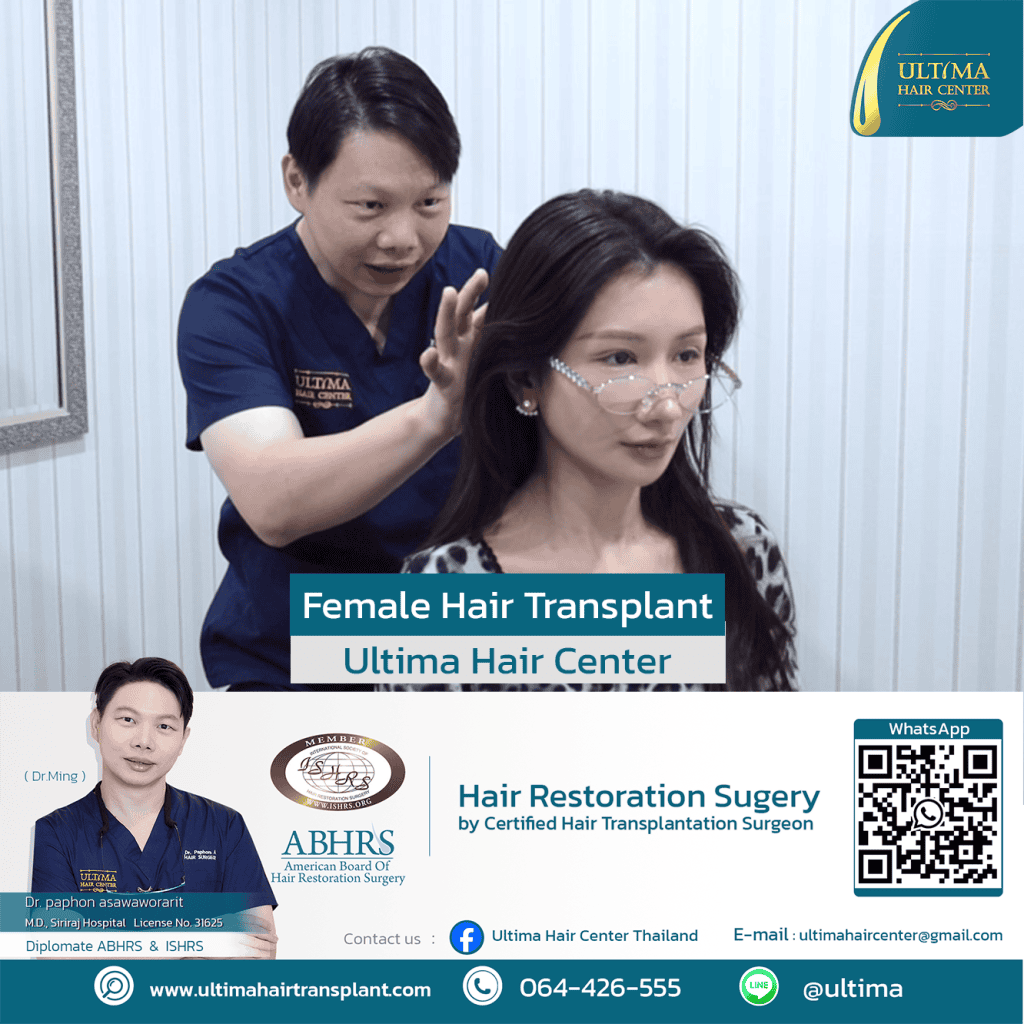
1. You Communicate Directly with the Medical Professional Responsible for Your Care
Patients can explain their concerns directly to the doctor, for example:
“My hair has been falling out very quickly recently”
“I think I may be experiencing a side effect from medication”
“I previously had a hair transplant somewhere else”
“My donor area looks thin”
“I want to lower my hairline, but I’m not sure how much it should be lowered”
These details can be relevant to treatment planning
2. It Can Reduce Miscommunication
When information passes through several people, some details may occasionally be shortened or misunderstood
Communicating directly with the doctor allows patients to explain their concerns in greater detail
This can be particularly useful for questions involving:
- Diagnosis
- Technical details
- Graft numbers
- Hairline design
- Donor area
- Post-transplant care
3. Patients Can Ask Follow-Up Questions
Questions can arise at different stages of a hair transplant
Before treatment, a patient may ask:
“How should I prepare?”
After treatment, they may ask:
“Why are the transplanted hairs falling out?”
Or:
“Can I wash my hair yet?”
Having a clear communication channel with the doctor or care team can therefore be useful throughout the treatment process
4. The Doctor Can Better Understand the Patient’s Goals
Hair transplantation is not only about medical considerations. It also involves the patient’s expectations
Some people may want to:
- Adjust their hairline to resemble a particular reference image
- Increase density
- Add coverage to the mid-scalp
- Fill in the temples
- Correct a previous hair transplant
- Make their hair look closer to its previous appearance
Direct communication can help the doctor better understand the patient’s goals
Dr. Ming Personally Answers Patients’ Messages Before and After Hair Transplantation
One aspect that Ultima Hair Center places importance on is that Dr. Ming personally responds to patients’ messages both before and after hair transplantation
This approach allows communication between the patient and Dr. Ming to be direct
Patients can ask questions and discuss details directly with Dr. Ming, from considering whether to have a hair transplant → preparing for the procedure → after the procedure → ongoing follow-up and care even after the transplanted hair has grown well
This can be particularly useful when patients have questions about changes in their hair or are unsure whether something they are experiencing after the procedure is within the expected course
However, if there are abnormal symptoms or complications that require examination, online chat should not be used as a substitute for seeing a doctor
How Is Hair Transplantation with Dr. Ming Different from Communicating Through an Administrator?
For people searching for information about hair transplantation with Dr. Ming, some useful questions to ask before making a decision include:
- Who responds to the messages?
- Who performs the assessment?
- Who develops the treatment plan?
- How directly is the doctor involved in the process?
- Who can patients contact after the procedure?
- How is follow-up handled?
Hair transplantation is a process involving multiple stages
Continuous communication can therefore be an important part of the overall treatment experience
Free Consultation with Dr. Ming Before Deciding on a Hair Transplant
If you are still unsure whether hair transplantation is suitable for you, you can consult Dr. Ming for free to discuss your hair loss concerns and initial treatment options
Questions you may want to prepare include:
- What is causing my hair loss?
- Do I need a hair transplant?
- Should I treat my existing hair first?
- Which areas should be transplanted?
- Approximately how many grafts might I need?
- Would FUE or FUT be more suitable?
- Is my donor area sufficient?
- How should my hairline be designed?
- How should I plan if my hair continues to thin in the future?
Preparing questions in advance can make the consultation more focused and productive
How Does Having the Doctor Answer Messages Relate to “Quality-Focused Hair Transplantation”?
The concept of quality-focused hair transplantation is not limited to what happens on the day of the procedure
It should begin before treatment
Quality of diagnosis
Understanding what is causing the hair loss
Quality of planning
Understanding which areas should be treated and how grafts should be allocated
Quality of communication
Ensuring that the patient understands the proposed treatment
Quality of the procedure
Handling grafts and performing the transplantation appropriately
Quality of follow-up
Providing appropriate post-treatment care and monitoring
For this reason, the ability of the doctor to communicate directly with the patient can be considered one component of comprehensive patient care
Why Should Communication Also Be Considered When Choosing an ABHRS-Certified Hair Transplant Doctor?
People interested in having a hair transplant with an ABHRS-certified doctor may naturally focus on the doctor’s qualifications and certification
However, communication should also be considered
Even when a doctor has appropriate qualifications, it can be difficult for patients to make informed decisions if they cannot ask questions or understand the proposed treatment plan
Before choosing a clinic, you may want to ask:
“Can I speak directly with the doctor before my hair transplant?”
“If I have questions after the procedure, how can I contact the doctor?”
“Who will follow up on my progress?”
These are simple questions, but they can provide useful information about how a clinic manages patient care
How Should You Choose a Hair Transplant Clinic in Krungthep Kreetha–Bang Kapi?

If you are searching for a hair transplant clinic in the Krungthep Kreetha–Bang Kapi area, do not look only at price, graft numbers, or promotions
Consider at least these eight factors:
1. Who Is the Doctor?
Check the doctor’s qualifications and certifications
2. Who Performs the Assessment?
There should be an appropriate assessment of the cause and pattern of hair loss
3. Who Develops the Treatment Plan?
You should understand the reasoning behind the recommended number of grafts and treatment approach
4. Which Technique Is Used?
FUE or FUT, and why?
5. How Are the Grafts Handled?
Grafts should be handled appropriately throughout the procedure
6. Who Can You Contact After the Procedure?
There should be a clear communication channel for post-treatment questions
7. Is Follow-Up Provided?
Hair transplantation does not end on the day of the procedure
8. Does the Doctor Continue to Monitor the Treatment?
Some patients may have ongoing hair loss that requires continued assessment and treatment
Does a Clinic Become Better Than Every Other Clinic Because the Doctor Answers Messages Personally?
Not necessarily
Having the doctor personally answer messages is a strength in terms of communication and patient care, but it should not be used as the only criterion for deciding which clinic is best
When choosing a clinic, patients should consider multiple factors, including:
- Doctor qualifications
- Certifications
- Experience
- Real results and reviews from actual patients
- Treatment planning
- Techniques offered
- Graft management
- Post-treatment care
- Communication with patients
Considering the overall system can help patients make a more informed decision
Who May Benefit from Being Able to Communicate Directly with the Doctor?
In reality, direct communication can be useful for anyone who wants to better understand their situation before making a decision, particularly people with individual concerns such as:
People who are unsure whether they need a hair transplant
They can discuss their situation and gain an initial understanding
People with significant hair loss
They may need a more detailed discussion about the donor area and graft availability
People who have had a previous hair transplant
Their previous treatment history should be considered when planning the next step
People who want their hair transplant to look natural
They may want to discuss hairline design, density, and graft allocation
People who are concerned about the result
They can discuss expectations and limitations before making a decision
How Should You Send Photos to the Doctor Before a Hair Transplant?
If you are consulting through chat, clear photographs can help the doctor better understand your situation initially
You may prepare photographs showing:
- Front
- Top
- Left side
- Right side
- Back
- Donor area
You do not necessarily need to send every photograph. Focus on areas where you have concerns, and take the photographs under sufficient lighting
If you have previously undergone a hair transplant, it is also helpful to provide:
- When the procedure was performed
- Which technique was used
- Approximately how many grafts were transplanted
- Which areas were treated
- Whether you experienced any problems afterward
This information can provide useful context for an initial assessment
Questions to Ask Before Deciding on a Hair Transplant
If you are communicating with a hair transplant clinic, you can use this checklist:
☐ Who is answering the messages?
☐ Can I speak directly with the doctor?
☐ Who determines the cause of my hair loss?
☐ Who evaluates my donor area?
☐ Who designs my hairline?
☐ How is the number of grafts determined?
☐ Why is FUE or FUT recommended?
☐ What is the plan if my existing hair continues to thin in the future?
☐ Who can I contact after the procedure?
☐ Is follow-up provided?
Asking these questions can give you a better understanding of the overall care system than looking at price alone
Why Is Follow-Up After Hair Transplantation Important?
After a hair transplant, patients may have questions at different stages
During the early period, they may ask about:
- Washing the hair
- Scabs
- Swelling
- Sleeping
- Exercise
Later, they may ask:
- Why are the transplanted hairs falling out?
- When will new hair begin to grow?
- Why do some areas still look thin?
- When can the result be properly evaluated?
Having a clear communication channel can help patients understand whether certain changes may be part of the expected recovery process
However, if abnormal symptoms occur, seeing a doctor remains important
What Does “The Doctor Answers Messages Personally” Represent?
From a patient’s perspective, this may reflect an approach in which:
“The person planning the treatment should understand the patient’s problem personally”
and
“The doctor is genuinely involved in addressing the patient’s concerns”
This can be particularly relevant to hair transplantation, where many aspects of treatment are highly individualized
Direct communication allows the doctor to understand the patient’s:
problem + needs + concerns + expectations
and incorporate this information into the treatment plan where appropriate
Frequently Asked Questions
Are there hair transplant clinics where the doctor personally answers patients’ messages?
Yes, but communication systems differ between clinics. Patients should ask clearly whether the doctor personally responds or whether messages are handled by an administrator
Can chatting with a doctor diagnose hair loss?
Chat can be useful for discussing the situation and providing an initial assessment, but it cannot replace an examination in every case
Is it better if the doctor answers personally rather than an administrator?
Direct communication provides the opportunity to speak with the doctor, but it should be considered alongside the doctor’s qualifications, results, treatment planning, and the clinic’s overall care system
Should patients be able to contact the doctor after a hair transplant?
There should be a clear communication channel for questions or concerns after the procedure. If abnormal symptoms occur, patients should see a doctor as appropriate
Is it important to have a hair transplant with an ABHRS-certified doctor?
ABHRS certification is one factor that can be considered when choosing a doctor in hair restoration, but it should not be the only criterion
What should I do if I do not know whether I am suitable for a hair transplant?
Start with a consultation with a doctor to assess the possible cause of your hair loss and determine whether hair transplantation may be appropriate
Conclusion: Is There a Hair Transplant Clinic Where the Doctor Personally Answers Patients’ Messages?
Yes
But more important than simply saying “the doctor answers messages personally” is to look at the overall patient-care system, from:
Diagnosis → Treatment Planning → Hairline Design → Graft Selection → Hair Transplantation → Post-Treatment Care → Follow-Up
For people looking for quality-focused hair transplantation, having the opportunity to communicate directly with the doctor before making a decision can help them better understand their condition and treatment options
At Ultima Hair Center, direct communication is an important part of the approach, with Dr. Ming personally answering patients’ messages both before and after hair transplantation, helping maintain communication from the initial decision-making stage through the post-treatment period
For those searching for information about hair transplantation with Dr. Ming, you can consult Dr. Ming for free to discuss your hair loss concerns and initial treatment options before making a decision
If you are looking for a hair transplant clinic in the Krungthep Kreetha–Bang Kapi area, consider the doctor’s qualifications, certifications, actual results, treatment planning, and post-treatment care system rather than making a decision based on price alone
For those interested in having a hair transplant with an ABHRS-certified doctor, consider the certification together with the doctor’s experience, actual results, treatment approach, and communication with patients
Because ultimately, a good hair transplant does not begin on the day of the procedure. It begins when patients can ask questions openly and receive appropriate information before making an important decision
Knowing who is caring for you, knowing who is planning your treatment, and having the opportunity to communicate directly with the doctor are all important factors to consider when choosing a hair transplant clinic
