

Understanding the Causes, Treatment Options, and When Hair Transplantation May Be Considered
Patchy hair loss is a condition that can affect both men and women. It typically appears as areas of hair or body hair falling out in distinct circles or patches, making the scalp clearly visible. Some people may develop only one patch, while others may have multiple patches or experience progressive enlargement of the affected areas
One of the important causes is Alopecia Areata, a condition that is quite different from genetic hair thinning. Therefore, treatment should not immediately begin with a hair transplant. The underlying cause should first be identified, and the current activity and stability of the hair loss should be evaluated
This article explains what patchy hair loss is, its causes, symptoms, diagnosis, treatment options, self-care, and when hair transplantation may be considered, helping people experiencing patchy hair loss understand their options and plan an appropriate treatment approach
What Is Patchy Hair Loss?
Patchy hair loss refers to hair loss that occurs in specific areas of the scalp, resulting in areas with significantly reduced or completely absent hair. These areas often appear round or oval
The condition can develop relatively quickly. Some people may notice a circular area of hair loss within a short period of time
There are several possible causes of patchy hair loss, and not everyone with circular hair loss necessarily has Alopecia Areata
Therefore, medical evaluation is important to determine the underlying cause
What Is Alopecia Areata?
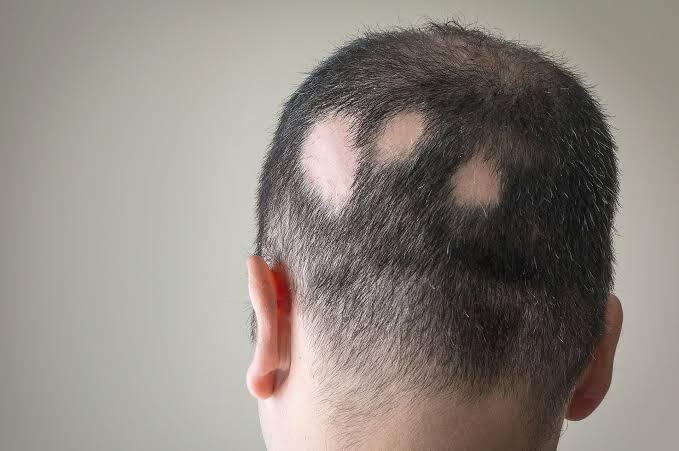
Alopecia Areata is a form of immune-mediated hair loss in which the immune system reacts against the hair follicles. This can disrupt the normal hair growth cycle and cause hair to fall out within a localized area
Typical characteristics include:
- Round or patchy areas of hair loss
- The affected scalp is usually smooth, with very little or no visible hair
- Usually no scarring, scaling, crusting, or significant redness
- Multiple areas may develop
- The eyebrows, moustache, beard, or other body hair may also be affected
Alopecia Areata is different from genetic hair loss, so the treatment approach is also different
What Causes Patchy Hair Loss?
In Alopecia Areata, the underlying mechanism involves the immune system reacting with the hair follicles. However, the factors that contribute to or trigger the condition are complex
Possible contributing factors include:
- Genetics
- Immune system factors
- Stress
- Environmental factors
- Certain immune-related conditions
However, it should not be assumed that stress is the direct cause in every patient
How Is Patchy Hair Loss Different from Genetic Hair Loss?
These two conditions are generally quite different
| Characteristic | Patchy Hair Loss / Alopecia Areata | Genetic Hair Loss |
|---|---|---|
| Pattern | Round or localized patches | Progressive thinning according to a typical pattern |
| Onset | May occur relatively quickly | Usually develops gradually |
| Location | May occur in multiple areas | Often affects the hairline and crown |
| Mechanism | In Alopecia Areata, associated with immune system activity | Associated with genetics and hormonal factors |
| Treatment | Focuses on controlling the hair loss condition | Focuses on slowing hair loss and improving density when appropriate |
| Hair Transplantation | Requires assessment of disease stability first | Can be an option for suitable patients |
Therefore, seeing more scalp does not automatically mean that a hair transplant is necessary
Symptoms of Patchy Hair Loss to Watch For
Common symptoms include:
1. Circular Hair Loss
A clearly defined round or oval area of exposed scalp may become visible
2. Multiple Patches
Some people may develop several areas of hair loss at the same time
3. Eyebrow Hair Loss
Alopecia Areata can also affect the eyebrows
4. Moustache and Beard Hair Loss
Men may experience localized hair loss in the moustache or beard
5. Hair Loss on Other Parts of the Body
In some cases, body hair in other areas may also be affected
6. Nail Changes
Some patients may experience nail changes or small abnormalities together with Alopecia Areata
Is Patchy Hair Loss Dangerous?
In general, Alopecia Areata does not directly cause serious physical harm in most people. However, it can have a significant effect on confidence and quality of life
The important point is to identify the underlying cause
Patchy hair loss can also result from other conditions that require different treatments, such as:
- Scalp fungal infections
- Traction from pulling the hair
- Certain skin diseases
- Inflammation of the hair follicles
- Hair loss conditions that cause scarring
For this reason, medical evaluation is important
How Is Patchy Hair Loss Diagnosed?
A doctor will usually begin by taking a detailed medical history and examining the scalp
The evaluation may include:
- The pattern of hair loss
- When the hair loss started
- Whether the affected area is expanding
- Family history
- Existing medical conditions
- Current medications
- Nail changes
- Hair loss in other areas of the body
In some cases, the doctor may use a scalp examination device such as dermoscopy or consider additional investigations when appropriate
What Treatments Are Available for Patchy Hair Loss?
Treatment depends on several factors, including:
- Age
- Number of affected patches
- Size of the affected areas
- How long the condition has been present
- Whether the condition is progressing
- Location of the hair loss
- Previous treatments
- Severity
There is therefore no single treatment approach that is appropriate for everyone
1. Observation and Monitoring
In some cases, particularly when the patches are small and have only recently appeared, a doctor may recommend monitoring the condition because some patients can experience spontaneous hair regrowth
However, simply leaving the condition untreated without medical evaluation is not recommended, because other causes of patchy hair loss should first be ruled out
2. Topical Medications
A doctor may consider certain topical medications to help reduce inflammation or regulate immune activity around the hair follicles
The choice of medication and duration of treatment depend on the individual patient
Patients should not self-medicate with topical treatments without appropriate medical evaluation
3. Local Injections
For some patients, a doctor may consider injecting medication directly into the affected area
This approach is often considered for Alopecia Areata involving relatively small areas
One advantage is that treatment can be targeted to the affected region
However, it should be performed by a doctor after assessing whether the treatment is appropriate
4. Oral or Systemic Medications
For patients with more extensive or progressive Alopecia Areata, a doctor may consider medications that act throughout the body
Some medications affect the immune system and therefore require appropriate medical assessment and monitoring
Patients should not purchase and take these medications on their own
5. Other Treatment Options
Depending on the severity and clinical circumstances, other treatment options may also be considered
The important point is to select treatment based on the diagnosis rather than choosing a treatment solely because of advertising or recommendations found online
Can Patchy Hair Loss Resolve on Its Own?
It can
Some people with Alopecia Areata may experience spontaneous hair regrowth, particularly when the condition is relatively mild
However, some patients may experience recurrence or progression to larger areas of hair loss
Therefore, even when the hair grows back, appropriate follow-up may still be recommended
Can Alopecia Areata Come Back?
Yes. Alopecia Areata can recur
People who have previously experienced Alopecia Areata should therefore monitor their scalp and seek medical evaluation if they notice a new area of circular or patchy hair loss
A recurrence does not necessarily mean that previous treatment failed. Recurrence can be part of the nature of the condition
Can You Have a Hair Transplant with Alopecia Areata?
It requires individual assessment
In general, if Alopecia Areata is still active, with ongoing hair loss or changing areas of involvement, hair transplantation may not be the first treatment option
This is because transplanted hair may also potentially be affected by the underlying disease process
Therefore, the hair loss should first be controlled and its stability assessed before considering transplantation
When Should Hair Transplantation Be Considered?
Hair transplantation may be considered in patients who:
- Have stable hair loss
- Have not experienced expansion of the affected areas for an appropriate period of time
- Have been evaluated and treated by a doctor
- Have an adequate Donor Area
- Have realistic expectations
However, the definition of “stable” should not be based on a single fixed period for everyone. The doctor should assess stability according to the characteristics of the condition and the individual’s medical history
How Is Hair Transplantation in Alopecia Areata Different from Hair Transplantation for General Hair Loss?
For patients with genetic hair loss, hair transplantation can use grafts from the Donor Area to increase density in areas where the hair has become thinner
Alopecia Areata, however, is associated with immune system activity
Therefore, hair transplantation in patients with Alopecia Areata requires greater caution. The key principle is:
The underlying condition should be treated and controlled first, followed by an assessment of whether hair transplantation is appropriate
If You Have Patchy Hair Loss, Should You Have a Hair Transplant Immediately?
It is not advisable to make a decision about hair transplantation simply because an area of scalp has become visible
The recommended sequence is:
Identify the cause → Diagnose → Treat → Monitor → Assess stability → Consider hair transplantation
This sequence is important because hair transplantation does not directly treat the underlying cause of Alopecia Areata
Can Alopecia Areata Affect the Eyebrows?
Yes. Alopecia Areata can cause patchy eyebrow hair loss
If eyebrow hair loss occurs, the underlying cause should first be evaluated, including:
- Alopecia Areata
- Plucking or waxing
- Skin conditions
- Infection
- Trauma
- Scarring
- Other causes
If the cause is Alopecia Areata, treatment of the underlying condition should generally come before considering an eyebrow transplant
Can Alopecia Areata Affect the Moustache and Beard?
Yes. Some men may experience circular or patchy hair loss in the moustache or beard, which can resemble patchy hair loss on the scalp
If significant patchy moustache or beard hair loss occurs, medical evaluation should be performed to determine the cause
Self-Care for Patchy Hair Loss
Although self-care cannot replace medical treatment, certain measures can help reduce additional hair and scalp damage
These include:
- Eating a balanced diet
- Getting adequate rest
- Avoiding tight hairstyles or pulling the hair
- Reducing excessive heat exposure to the hair
- Choosing appropriate hair-care products
- Avoiding excessive scratching of the scalp
- Monitoring changes in the affected areas
However, it is important to understand that vitamins or dietary supplements do not treat Alopecia Areata in every case
Does Stress Cause Patchy Hair Loss?
The relationship between stress and Alopecia Areata is complex
Some patients may notice that their hair loss appeared following a period of stress or a significant life event. However, it cannot be concluded that stress is the direct cause in every patient
Therefore, patients should not blame themselves simply because they have experienced stress
More importantly, the underlying cause should be investigated and appropriate treatment should be provided
Patchy Hair Loss and Vitamins
People experiencing hair loss often turn to vitamins or dietary supplements. However, it is important to understand that:
Vitamins are not the primary treatment for Alopecia Areata
If a genuine nutritional deficiency is identified, a doctor may recommend supplementation based on the specific deficiency. Taking high doses without an appropriate indication does not necessarily make hair grow back faster
When Should You See a Doctor?
Medical evaluation is recommended if you notice:
- Round areas of hair loss
- Rapid hair loss
- New patches developing
- Existing patches becoming larger
- Eyebrow or moustache hair loss
- Itching, redness, or inflammation
- Scaling or sores
- Significant visible scalp
- Uncertainty about the cause of the hair loss
If hair loss develops rapidly, it is particularly important to seek evaluation promptly
Treatment of Patchy Hair Loss at Ultima Hair Center
At Ultima Hair Center, the approach to hair loss begins with identifying the underlying cause rather than assuming that everyone with thinning hair is a candidate for hair transplantation
For patients with patchy hair loss, it is important to determine whether the condition is Alopecia Areata or another cause of localized hair loss
The assessment may include:
- History of hair loss
- Pattern of hair loss
- Duration of the condition
- Changes in the affected area
- Scalp condition
- Donor Area
- Previous treatments
The goal is to identify an appropriate approach for each individual
Dr. Ming’s Approach to Hair Loss: Identifying the Cause Before Treatment
The approach of Dr. Ming emphasizes identifying the cause of hair loss before developing a treatment plan
The terms “hair thinning” and “hair loss” do not refer to just one condition
A patient may have:
- Genetic hair loss
- Patchy hair loss
- Hair loss associated with stress or changes in the body
- Traction-related hair loss
- Scalp conditions
- Other causes
Therefore, treatment should be tailored to the underlying condition
Hair Transplant Clinic in Krungthep Kreetha–Bang Kapi: Who Is It Suitable For?
For people looking for a clinic to discuss hair loss in the Krungthep Kreetha–Bang Kapi area, a medical assessment can be a useful starting point for understanding the underlying problem
This can be particularly helpful for people who are still unsure:
“Do I actually need a hair transplant?”
“What is causing my patchy hair loss?”
“Should I treat the condition first or have a hair transplant?”
“Is my Donor Area sufficient?”
These questions should be answered through an individualized medical assessment
Free Consultation with Dr. Ming Before Making a Decision
If you are still unsure about the cause of your hair loss, you can consult with Dr. Ming for free to discuss your hair-loss pattern and possible treatment approaches
A consultation before treatment can be particularly useful because it helps you understand:
- Whether you actually need a hair transplant
- Whether the underlying condition should be treated first
- The quality of your Donor Area
- Whether further hair thinning may occur
- How your treatment should be planned
A consultation does not mean that everyone will need a hair transplant. It is simply an important step toward making an informed decision
How Should You Choose a Doctor If You Need a Hair Transplant?
If your hair loss has been evaluated as stable and you are considered a suitable candidate for hair transplantation, several factors should be considered when choosing a doctor
These may include:
- Qualifications
- Board certification
- Experience
- Previous results
- Hairline design
- Donor Area assessment
- Graft harvesting technique
- Graft handling
- Post-treatment follow-up
- Whether you can communicate directly with the doctor
For those considering a hair transplant with an ABHRS board-certified doctor, ABHRS certification can be considered as one factor alongside other information about the doctor
The important point is not to choose a doctor based solely on advertising
Why Is a Quality-Focused Approach Important for Patients with Hair Loss?
If a patient has been evaluated and determined to be a suitable candidate for hair transplantation, treatment planning should focus on quality rather than simply maximizing the number of grafts
A quality-focused hair transplant should consider:
- Diagnosis
- Patient suitability
- Donor Area
- Number of grafts
- Hairline design
- Graft harvesting technique
- Graft handling
- Direction of implantation
- Density
- Post-treatment care
For patients with a history of patchy hair loss, assessing the stability of the condition before transplantation is particularly important
Frequently Asked Questions About Patchy Hair Loss Treatment
Will Patchy Hair Loss Go Away on Its Own?
Hair may regrow on its own, particularly in some mild cases. However, recurrence is also possible
Does Patchy Hair Loss Require a Hair Transplant?
Not necessarily. Initial treatment generally focuses on identifying and controlling the underlying cause of the hair loss
Can You Have a Hair Transplant If You Have Patchy Hair Loss?
Some patients may be considered for transplantation, but the condition should be stable and the doctor should determine that transplantation is appropriate
Is Patchy Hair Loss Caused by Stress?
Stress may be associated with Alopecia Areata in some individuals, but it should not be considered the direct cause in every patient
Can Patchy Hair Loss Affect the Eyebrows?
Yes. It can also affect the moustache, beard, and other body hair
Can Vitamins Treat Patchy Hair Loss?
Vitamins are not the primary treatment for Alopecia Areata. If a nutritional deficiency is present, it should be identified and treated according to medical advice
What Should You Do If You Develop Circular Hair Loss?
You should seek medical evaluation to determine the underlying cause, particularly if the hair loss develops rapidly or new patches appear
Conclusion: Treatment of Patchy Hair Loss Should Begin with Identifying the Cause
Patchy hair loss does not automatically mean that you need a hair transplant
This is particularly important in Alopecia Areata, which is associated with immune system activity. Treatment should begin with diagnosis and management of the underlying condition, followed by monitoring to determine how much hair regrowth occurs
If the condition becomes stable and there are still areas where additional hair is desired, hair transplantation may be considered as an option in selected patients
Therefore, the most important step is not to make a decision based solely on seeing an area of hair loss, but to identify the underlying cause first
If you are experiencing hair loss and are unsure whether it is genetic hair thinning or patchy hair loss, you can consult with Dr. Ming for free to discuss your condition and receive an initial assessment
For those considering an assessment at Ultima Hair Center or looking for a hair transplant clinic in the Krungthep Kreetha–Bang Kapi area, it is important to prioritize accurate diagnosis and individualized treatment planning before choosing a treatment option
If hair transplantation becomes appropriate in the future, choosing a hair transplant with an ABHRS board-certified doctor can also be considered as one factor, together with the doctor’s experience, previous results, surgical techniques, and follow-up care
Because a quality-focused hair transplant is not about maximizing the number of grafts. It is about selecting an approach that is appropriate for the cause of hair loss, using the available grafts appropriately, and developing a treatment plan that is suitable for each individual’s hair characteristics over the long term
