

Modern hair transplantation is not simply about adding more hair to areas affected by baldness or thinning. For many people, an equally important goal is having a result that blends in so well that people around them cannot easily tell they have had a hair transplant
This can be particularly important for people who regularly spend time with friends, colleagues, clients, or family members. Many patients do not want a noticeable change in their hairstyle that immediately leads to questions such as, “Did you have a hair transplant?”
Achieving a subtle result is not determined by choosing FUE, FUT, DHI, or Long Hair alone. It depends on careful planning before the procedure, including hairline design, graft selection, hair direction, density planning, and post-transplant care
The key is to make the transplanted hair blend naturally with the existing hair and complement the patient’s facial features, so that it looks like the patient’s own hair rather than something that has been added
How Can You Make a Hair Transplant Less Noticeable?
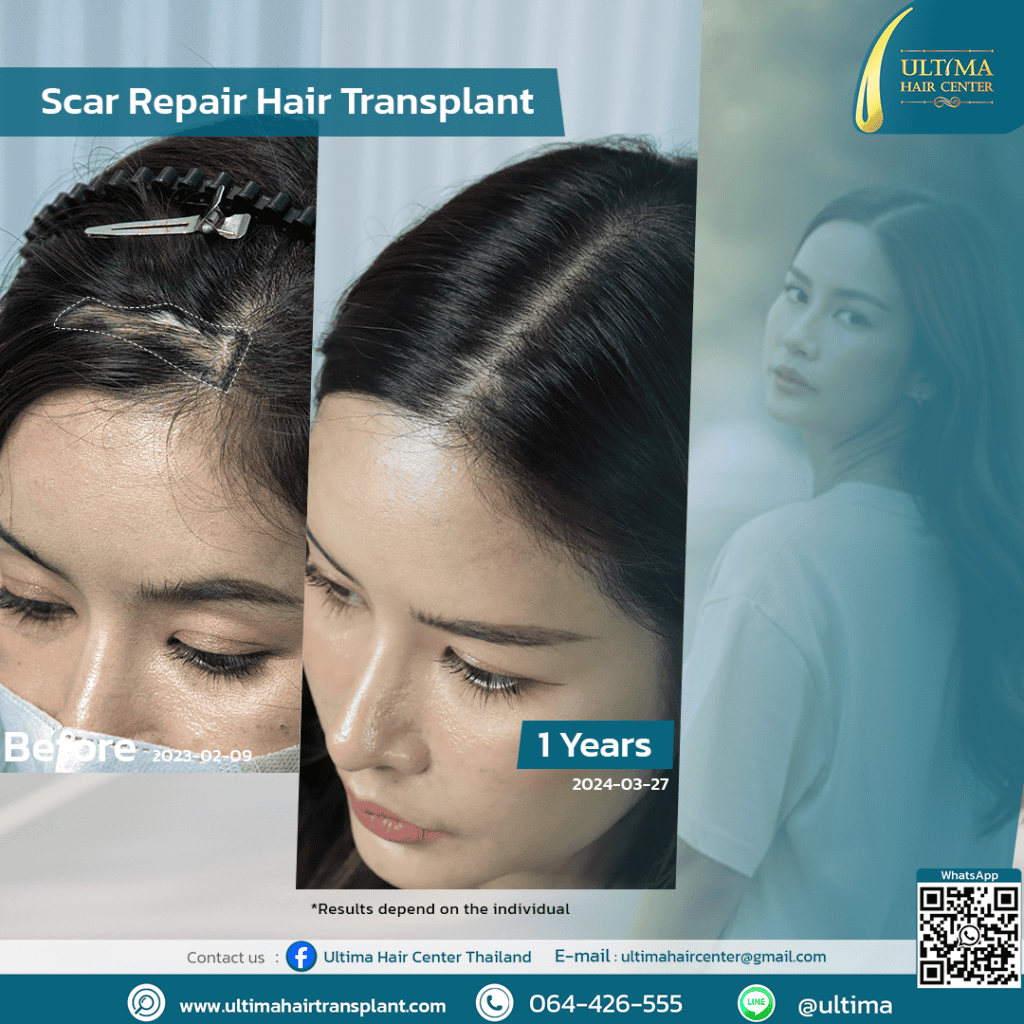
If you want a subtle and natural-looking result after a hair transplant, several factors are important:
- Appropriate hairline design
- Using suitable grafts for each area
- Correct hair direction and angle
- Appropriate density planning
- Careful graft selection for the frontal hairline
- Planning according to age and facial structure
- Preserving existing hair
- Long-term treatment planning
- Proper post-transplant care
- The experience and medical standards of the doctor and medical team
Therefore, a quality-focused hair transplant does not mean using the largest possible number of grafts. It means using the available grafts appropriately in every aspect of the procedure to create a result that blends well with the patient’s facial features and existing hair
1. The Hairline Should Look Like a Natural Hairline, Not a Straight Line
One of the first things people may notice when a hair transplant does not look subtle is the frontal hairline
A natural-looking hairline is not perfectly straight. It usually has slight irregularities and variations that resemble the characteristics of a natural hairline
The doctor therefore needs to consider:
- Facial structure
- Age
- Gender
- Hair characteristics
- Donor Area density
- Hair loss pattern
- Potential future hair loss
Designing the hairline too low may make it look less appropriate as the patient gets older, while designing it too high may not meet the patient’s expectations
The goal is to create a natural-looking hairline that is appropriate for each individual
2. How Should Grafts Be Used in the Hairline Area?
The frontal hairline generally requires more precision than other areas
In general, grafts containing fewer hairs, such as single-hair grafts, may be suitable for the very front of the hairline. They can help create a transition zone between the forehead and the areas with greater hair density
As the graft placement moves further behind the hairline, density can gradually increase according to the treatment plan
This approach helps create a gradual transition from the forehead to the hair-bearing area, making the overall result appear more subtle and natural-looking
3. Hair Direction Is Extremely Important
Even when the same number of grafts is used, incorrect hair direction can make a significant difference in the final appearance
Different areas of the scalp have different natural hair directions, including:
- The frontal hairline
- The temples
- The mid-scalp
- The crown and hair whorl
The crown is particularly important because the hair naturally grows in a whorl pattern. Hair transplantation in this area therefore requires careful consideration of the existing direction and angle of hair growth
4. Hair Density Does Not Need to Be the Same Everywhere
Another common misconception is:
“The denser the hair transplant, the better the result”
In reality, achieving a good overall appearance may require different levels of density in different areas, for example:
- Frontal hairline: focus on fine, detailed placement
- Behind the hairline: gradually increase density
- Mid-scalp: focus on connecting the surrounding areas
- Crown: follow the natural direction and whorl pattern
Distributing grafts appropriately may produce a better overall appearance than concentrating all available grafts in a single area
5. You Do Not Always Need to Recreate Your 18-Year-Old Hairline
People in their 30s, 40s, or 50s may sometimes want a hairline similar to the one they had as teenagers
However, from a long-term planning perspective, a hairline that suits the patient’s current age and facial features may be a better option
This is because hair transplantation should be considered as a long-term treatment plan
An appropriate hairline should continue to complement the patient’s face as they age, rather than simply looking good once the final result has developed
6. Grafts Should Be Selected According to the Area Being Transplanted
Grafts do not all contain the same number of hairs
Some grafts contain:
- 1 hair
- 2 hairs
- 3–4 hairs
The doctor and medical team therefore need to carefully sort and plan how different grafts should be used
This is particularly important in the frontal hairline, where precision is essential. Placing too many multi-hair grafts too close to the front of the hairline may make the hairline appear excessively dense or stiff compared with a typical natural hairline
7. Existing Hair Is Just as Important as Transplanted Hair
Hair transplantation is not simply about adding grafts to areas where hair is missing. The existing hair should also be considered
If the surrounding existing hair continues to thin over time, gaps may eventually develop between the transplanted hair and the remaining natural hair
For some patients, the doctor may therefore consider treatments or strategies to help preserve the existing hair alongside the hair transplant
8. Do Not Use Up the Entire Donor Area
Hair transplantation relies on grafts taken from the Donor Area, which has a limited supply of available grafts
A good treatment plan should therefore consider the future, particularly for people with genetic hair loss that may continue to progress with age
Using too many grafts during the first procedure may leave fewer options available for future treatment if additional hair loss occurs
Therefore, a quality-focused hair transplant should place strong emphasis on appropriate management and preservation of the Donor Area
9. Does FUE Make a Hair Transplant Look More Natural?
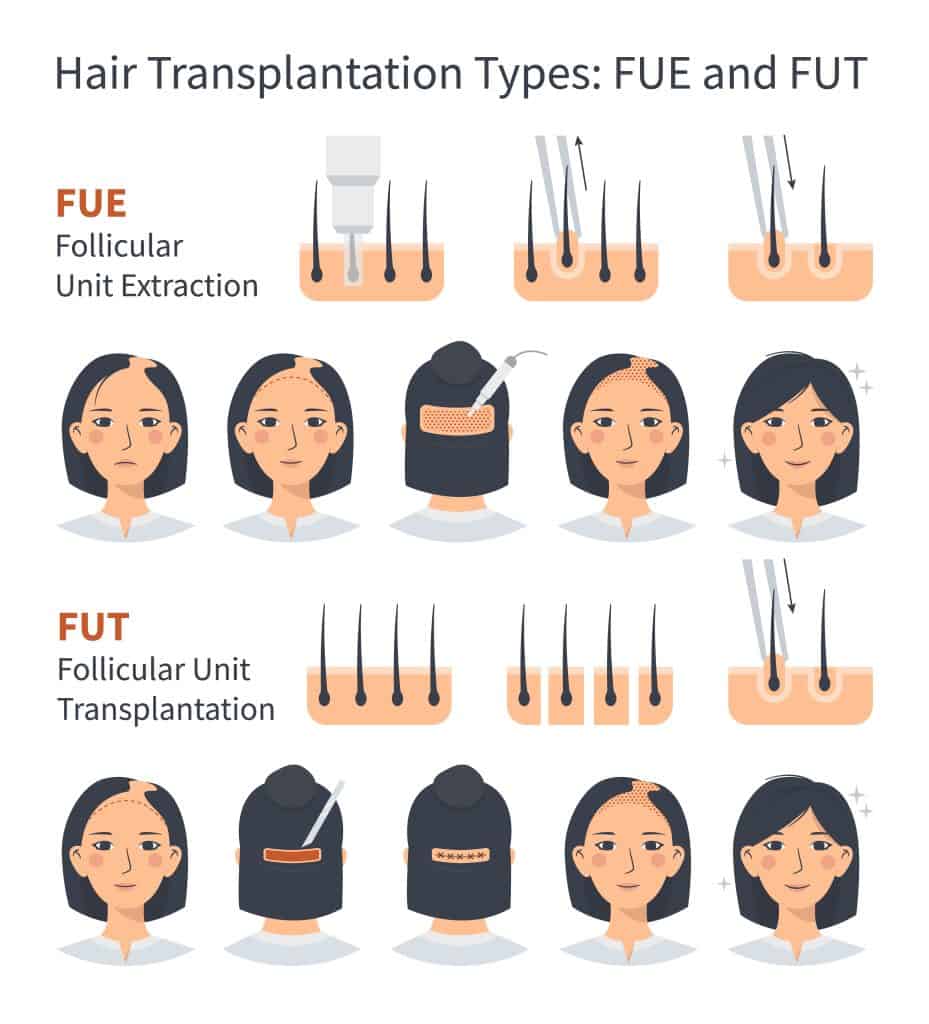
FUE is one of the most widely used hair transplant techniques. It involves extracting individual grafts from the Donor Area
One advantage is that it does not create the linear scar associated with the strip harvesting technique used in FUT
However, choosing FUE does not automatically mean that the final result will look better or more natural. FUE primarily describes how the grafts are harvested from the Donor Area
Creating a natural-looking result depends on many other factors, including:
- Hairline design
- Graft selection
- Graft harvesting
- Graft handling
- Graft placement
- Hair direction
- Post-treatment care
Therefore, the technique itself is only one part of the overall treatment and does not by itself determine whether the final result will look natural
10. Can FUT Also Produce a Natural-Looking Result?
Yes. FUT can also produce a natural-looking result for the same reasons discussed above
FUT involves removing a strip of tissue from the Donor Area and then separating it into individual grafts before placing them in the areas requiring transplantation
The main difference is that FUT leaves a linear scar in the donor area
The choice between FUT and FUE should therefore be based on the individual patient’s condition and treatment goals rather than assuming that one technique is automatically better for everyone
11. Will People Know That You Have Had a Hair Transplant?
When the procedure is appropriately planned and performed, it may be difficult for other people to notice once the final result has developed
Factors that contribute to a subtle result include:
- An appropriate hairline
- Correct hair direction
- Appropriate graft selection
- Balanced density
- Good integration with the existing hair
- Proper management of the Donor Area
The goal is not to make people realize that you “have had a hair transplant”
Instead, the goal is for people to simply notice:
“Your hair looks better lately”
without necessarily knowing what has changed
12. How Can You Make a Hair Transplant Less Noticeable?
If you want the change to be as subtle as possible, planning should begin before the procedure
Important topics to discuss with your doctor include:
When do you need to return to work?
There is a recovery period after a hair transplant, and some temporary signs may be visible in the transplanted area
Do you want to keep your hair very short?
If you prefer very short hairstyles, discuss how the Donor Area should be managed with your doctor
Which areas do you want to treat?
Treating only the areas that require transplantation may help keep the overall change more subtle
Do you have important work or social activities soon after the procedure?
The recovery period should be planned around your work and daily schedule
13. Will People Notice During the Early Recovery Period?
During the early period after a hair transplant, some temporary signs may occur, including:
- Redness
- Scabbing
- Swelling in some patients
Therefore, patients should not expect the scalp to immediately look as though no procedure has taken place
The time required for these temporary signs to subside varies from person to person
If you want the procedure to be less noticeable to people around you, it is important to plan the timing of your hair transplant around your work and daily activities
14. Good Results Take Time
A hair transplant does not produce its final result immediately
After the procedure, the transplanted hair gradually changes according to its natural growth cycle
In general, the result becomes progressively more noticeable over time and can usually be assessed more clearly at around 9–12 months
Therefore, looking at the early stages and deciding whether the hair transplant has been successful may be premature
15. Post-Transplant Care Is Important
To ensure that the transplanted area receives appropriate care, patients should follow their doctor’s instructions, which may include:
- Avoiding scratching or picking at the transplanted area
- Washing the hair according to the doctor’s instructions
- Avoiding activities that the doctor recommends limiting during the early recovery period
- Caring for the wounds and scalp as instructed
- Taking prescribed medications as directed
- Attending scheduled follow-up appointments
Patients should not experiment with different aftercare methods without consulting their doctor
16. Why Is Choosing the Right Doctor So Important?
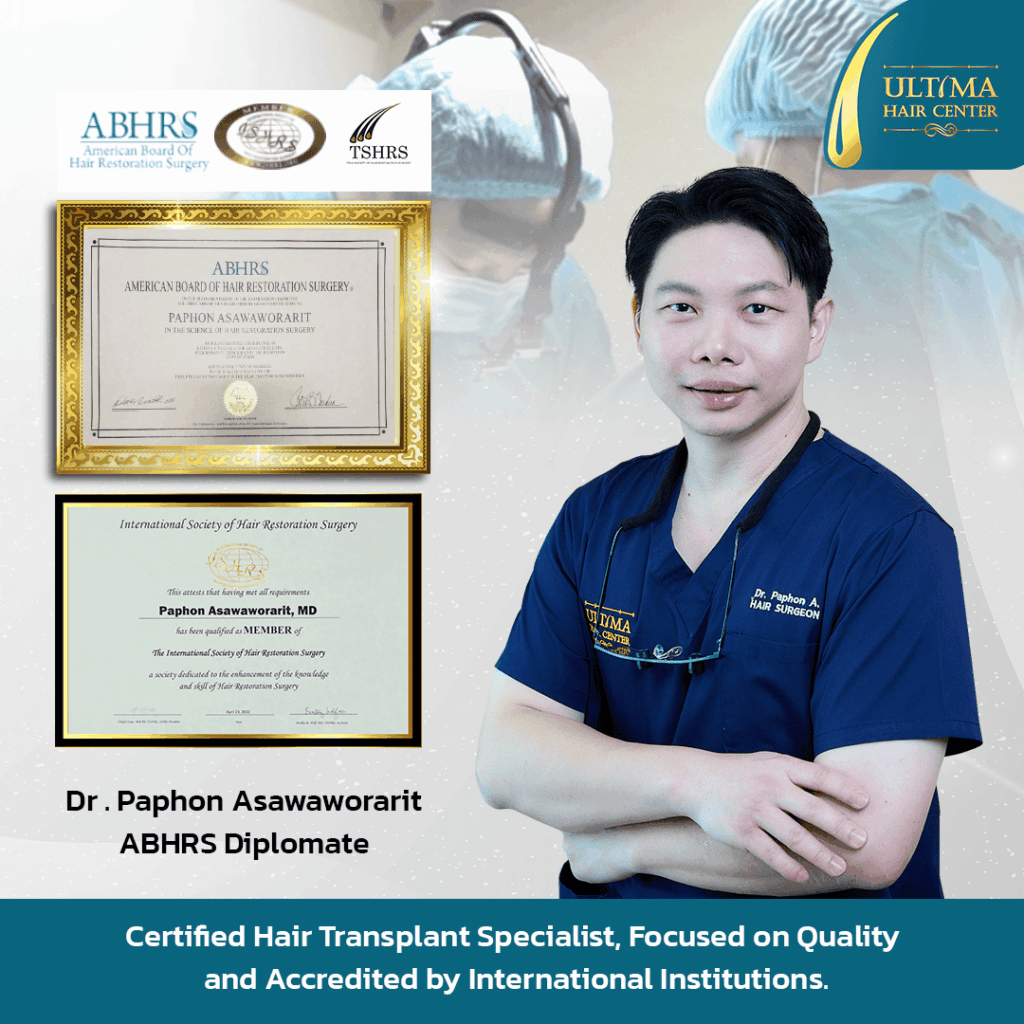
The outcome of a hair transplant does not depend on equipment alone. The doctor plays an important role in:
- Assessing the hair loss problem
- Evaluating the Donor Area
- Designing the hairline
- Determining the number of grafts
- Developing the treatment plan
- Assessing treatment feasibility
- Monitoring the results
For patients who want a subtle and natural-looking result, appropriate planning and design are particularly important
What Are the Benefits of Choosing an ABHRS-Certified Hair Transplant Surgeon?
Choosing an ABHRS-certified hair restoration surgeon is one factor that people considering a hair transplant may wish to take into account
ABHRS stands for the American Board of Hair Restoration Surgery, an organization that evaluates the knowledge, skills, and experience of physicians in hair restoration surgery
Being ABHRS-certified indicates that the physician has undergone an assessment process based on the organization’s requirements
According to the source material, ABHRS certification is held by a relatively limited number of physicians, with only a little over 200 certified hair restoration surgeons worldwide as of 2026
Choosing an ABHRS-certified physician may therefore provide additional confidence for patients seeking hair restoration treatment
However, patients should also consider other factors, including:
- The doctor’s experience
- Previous results
- Treatment planning approach
- Follow-up care
- Medical facility standards
- The doctor’s understanding of the patient’s individual needs
What Is the Difference Between “Natural-Looking” and “Completely Natural”?
In hair transplantation, the goal is not necessarily to make transplanted hair identical in every way to the patient’s original hair
Instead, the goal is for the transplanted hair to look natural and blend as closely as possible with the existing hair
Factors that contribute to this appearance include:
- Appropriate graft selection
- Hairline design
- Hair direction
- Control of hair angles
- Density management
- Graft placement
These small details can have a significant impact on the overall appearance
Should You Tell Your Doctor That You Do Not Want Your Friends to Know You Had a Hair Transplant?
Yes
Your personal preferences can affect treatment planning
If you want the change to be as difficult as possible for people around you to notice, tell your doctor during the consultation
The doctor can then explain:
- Approximately how many grafts may be needed
- Which areas should be transplanted
- The expected recovery period
- What temporary signs may be visible during the early stages
- How to plan the timing of the procedure
Do Not Choose a Hair Transplant Clinic Based on the Word “Natural” Alone
Words such as “natural” or “undetectable” are easy to understand, but they should not be the only criteria when evaluating a hair transplant clinic
Before choosing a clinic, consider objective factors such as:
- Is the patient assessed by a doctor?
- Can you communicate directly with the doctor?
- Is the hairline individually designed?
- Is the Donor Area properly evaluated?
- Is the number of grafts carefully planned?
- Is there a follow-up system?
- Are long-term results available to review?
These factors can help you make a more informed decision
A Quality-Focused Hair Transplant Is Not About Using the Maximum Number of Grafts
The concept of a quality-focused hair transplant means paying attention to every stage of the treatment process:
Dr.Ming > Assessment → Planning → Design → Graft Harvesting → Graft Preparation → Hair Transplantation → Follow-Up
It is not simply about the number of grafts that can be transplanted
Hairline design, appropriate graft placement, and correct hair direction are also important factors in achieving a good result that blends well with the existing hair
Conclusion: How Can You Have a Hair Transplant That Your Friends May Not Notice?
If you want to undergo a hair transplant while making the change as difficult as possible for people around you to notice, the most important factor is not choosing the technique with the most modern-sounding name. It is having a treatment plan that is appropriate for your individual condition
The key factors include:
- Designing a hairline that suits your facial features and age
- Using appropriate grafts for each area
- Matching hair direction and angles with the existing hair
- Planning density appropriately
- Managing the Donor Area carefully
- Preserving existing hair
- Considering long-term hair loss
- Following post-treatment instructions
- Choosing a doctor with appropriate knowledge and experience in hair transplantation
For people looking for a hair transplant that places strong emphasis on detail, the concept of a quality-focused hair transplant means prioritizing careful planning and suitability rather than simply focusing on the number of grafts
If you are considering a hair transplant with an ABHRS-certified physician, it is also important to consider the certification together with the doctor’s experience, previous results, treatment planning approach, and follow-up care, so that your decision is based on comprehensive information
Ultimately, the goal of a hair transplant is not to make everyone know that you “had a hair transplant”
It is to create transplanted hair that blends with your facial features and existing hair so well that people around you may simply think:
“You look better lately”
without knowing exactly what has changed
