

Do You Need Medication After a Hair Transplant?
Should You Continue Taking Finasteride or Using Minoxidil?
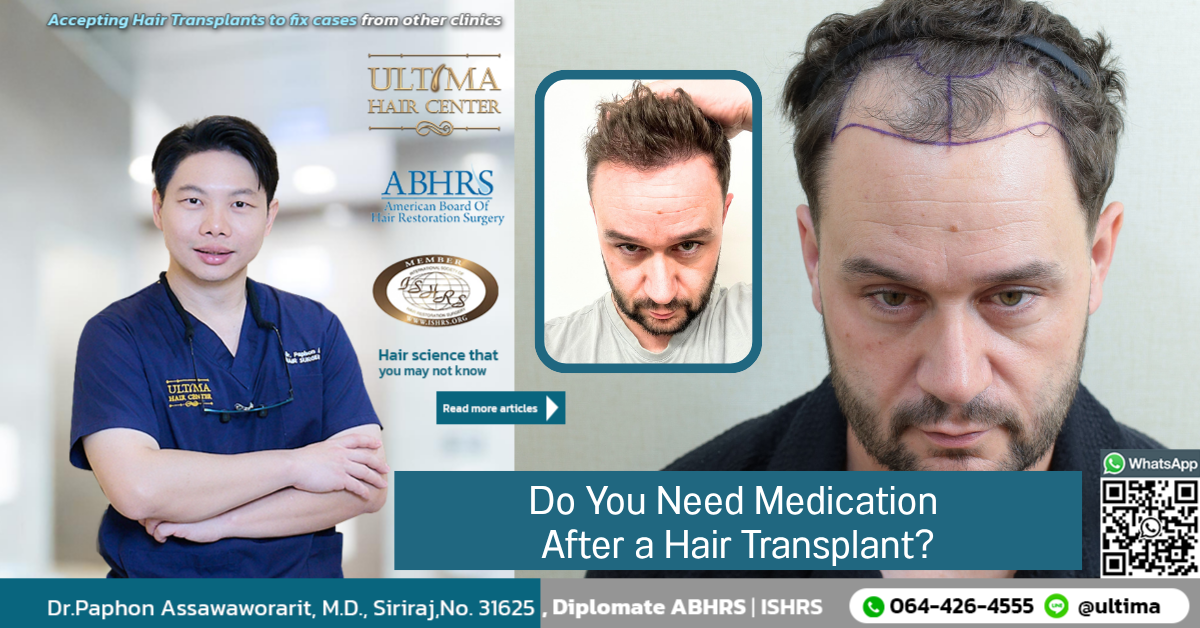
Do You Need Medication After a Hair Transplant? Should You Continue Finasteride or Minoxidil?
One of the most common questions patients ask after deciding to undergo a hair transplant is:
“Do I still need to take medication or use hair loss treatments after a hair transplant?”
The answer is that not everyone who undergoes a hair transplant needs to continue medication in the same way. However, for people with genetic hair loss, also known as Androgenetic Alopecia, medication may continue to play an important role even after a hair transplant.
The main reason is that a hair transplant adds hair to areas with thinning or hair loss, but it does not stop the ongoing miniaturization of existing, non-transplanted hair.
As a result, some patients may achieve good results from their hair transplant, but if the original hair surrounding the transplanted area continues to thin over time, the overall appearance of their hair may change in the future.
Hair Transplant Practice Guidelines describe androgenetic alopecia as a progressive condition and recommend that patients undergoing hair transplantation be informed about the importance of ongoing medical treatment after surgery. Treatments with supporting evidence for androgenetic alopecia include topical Minoxidil and oral Finasteride, although treatment choices should be individualized.
Therefore, the more appropriate question is not simply:
“Do I need medication after a hair transplant?”
Instead, it should be:
“Is my existing hair still at risk of further thinning after a hair transplant, and how should I manage that risk?”
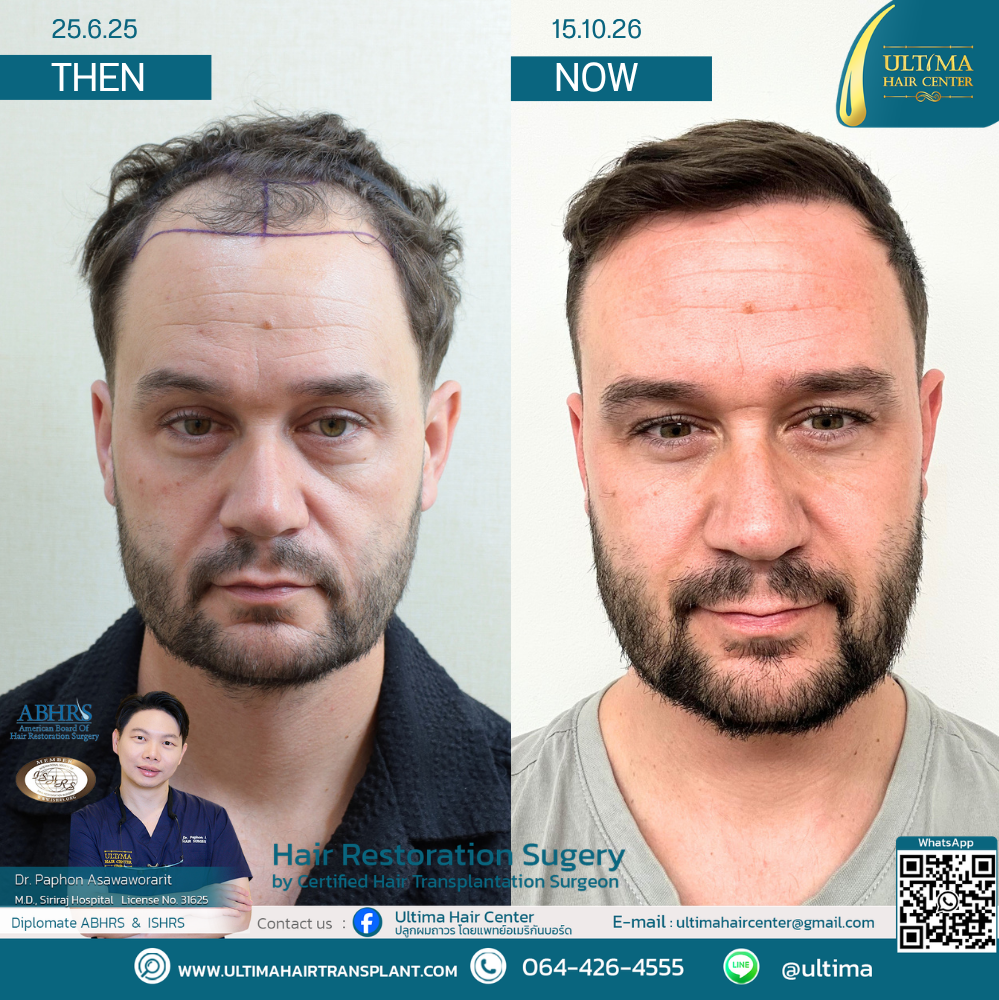
Does Everyone Need Medication After a Hair Transplant?
No.
The need for medication after a hair transplant depends on several factors, including the cause of hair loss, age, sex, pattern of hair thinning, condition of the existing hair, risk of further hair loss, and individual medical history.
In general, medications related to hair transplantation can be divided into two main groups.
Group 1: Medications Used During Post-Transplant Recovery
After surgery, a doctor may prescribe medications to support recovery, such as pain relievers, anti-inflammatory medications, or other medications when appropriate.
These medications are generally intended to help manage the post-operative recovery period. They do not necessarily need to be continued for an extended period.
The specific medications and duration of use depend on the surgical procedure, the patient’s symptoms, and the doctor’s judgment.
Group 2: Medications for Hair Loss
These medications are used to help manage or treat hair thinning and may include:
- Finasteride
- Dutasteride
- Topical Minoxidil
- Low-dose oral Minoxidil in selected patients
These medications serve a different purpose from post-operative medications. Their goal is to manage hair loss or help maintain existing hair.
Therefore, even after the surgical wounds have healed, a doctor may recommend continuing these medications for certain patients.
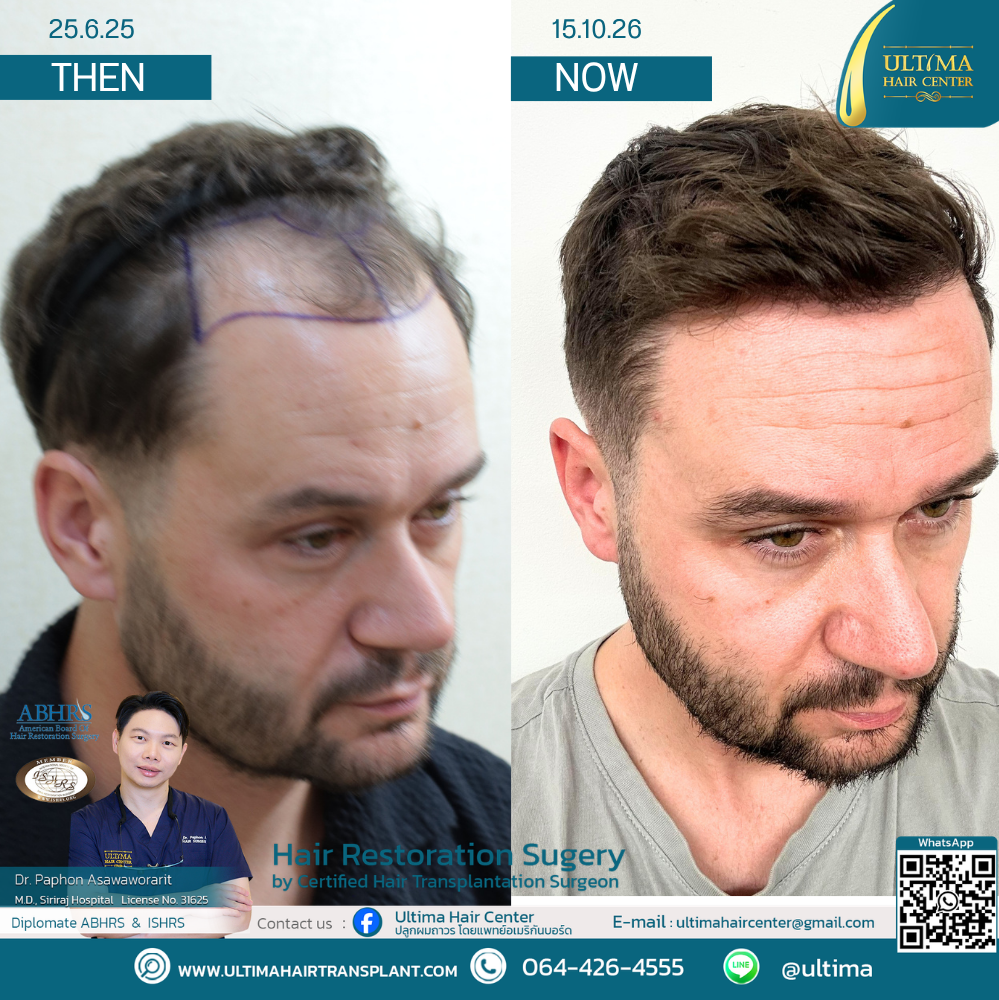 Why Do Some People Still Need Medication After a Hair Transplant?
This is one of the most important points to understand.
A hair transplant does not stop every existing hair from becoming thinner.
For example, a man may have thinning hair at the front and middle of his scalp and undergo a hair transplant to increase density in these areas.
The transplanted grafts may be more resistant to the hair-loss process than some of the original hairs. However, existing hair between the transplanted grafts or behind the transplanted hairline may still be affected by Androgenetic Alopecia.
If the original hair continues to thin over time, areas of reduced density may become visible between the transplanted areas.
This is why hair transplant planning should not focus only on the areas that are thinning today. It should also take into account how the patient’s hair may change in the future.
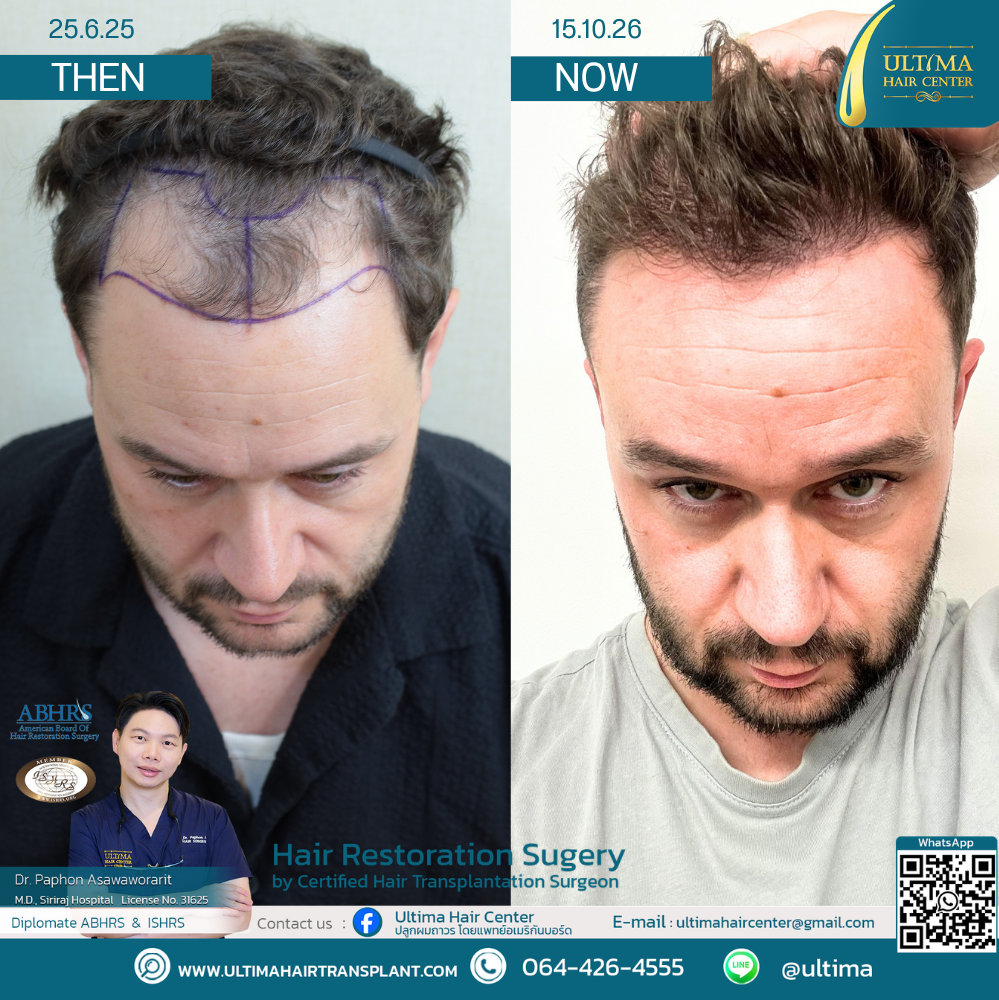 Do You Need to Continue Taking Finasteride After a Hair Transplant?
Not everyone needs Finasteride, but for men with androgenetic alopecia, it may be an important treatment option for managing existing hair
Finasteride works by inhibiting the enzyme 5-alpha-reductase, which is involved in converting testosterone into dihydrotestosterone, or DHT.
DHT plays an important role in the miniaturization of hair follicles in people with androgenetic alopecia.
For this reason, several treatment guidelines include oral Finasteride as one of the treatment options for men with androgenetic alopecia.
However, Finasteride should be used under medical supervision because there are precautions and potential side effects that patients should understand before starting treatment.
If You Were Taking Finasteride Before Your Hair Transplant, Should You Stop?
Do not stop or change your medication on your own
If you were taking Finasteride before your hair transplant, tell your doctor which medication you are using, the dosage, and how long you have been taking it.
Your doctor can assess whether you should continue, stop, or adjust your treatment based on your health and hair transplant plan.
You should not stop medication simply because you assume that “a hair transplant means I no longer need hair loss medication.”
The medication may also be intended to help maintain your original, non-transplanted hair.
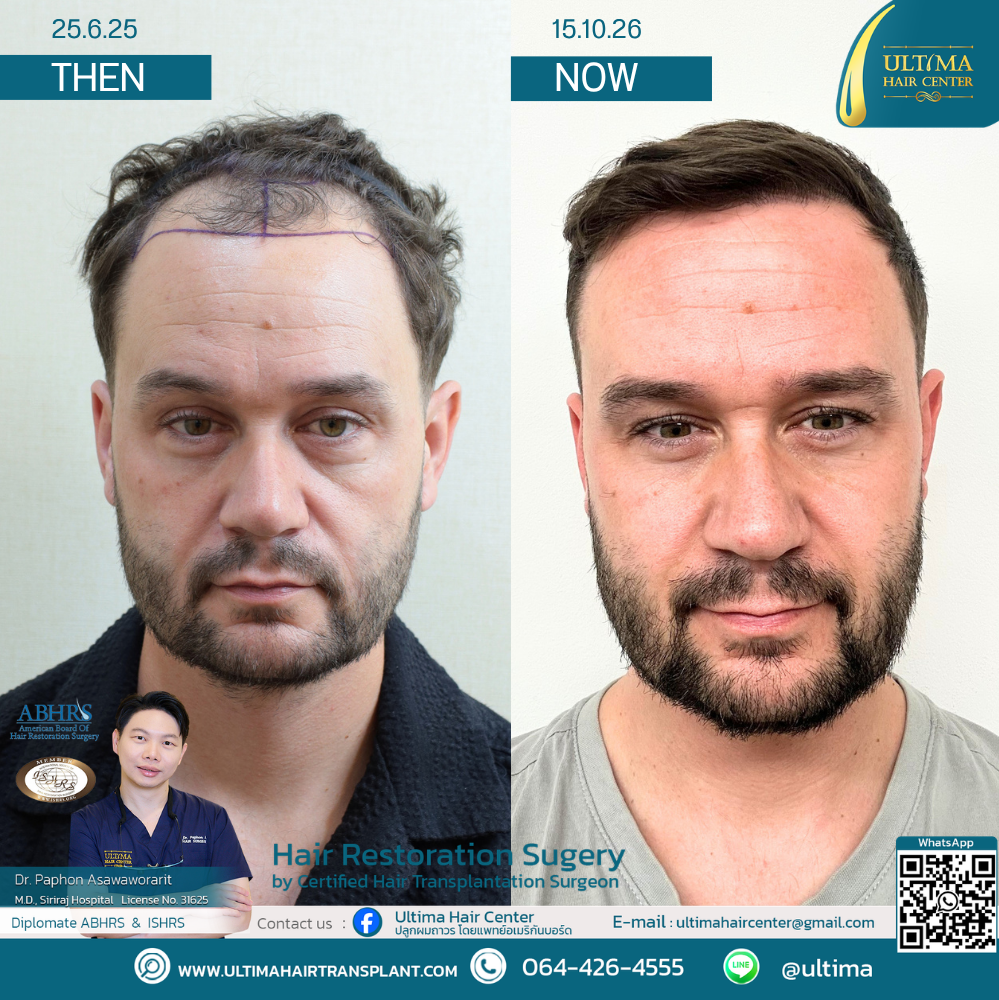 What Happens If You Stop Finasteride After a Hair Transplant?
If Finasteride has been used to manage androgenetic alopecia, stopping it means that the medication’s benefits in controlling the condition will not continue indefinitely.
Existing hairs that remain susceptible to androgenetic alopecia may gradually begin thinning again as the condition progresses.
Importantly, this does not mean that all transplanted grafts will fall out when you stop taking Finasteride
Instead, the concern is that your original, non-transplanted hair may continue to thin, potentially changing the overall appearance of your hair in the future.
Therefore, always discuss the decision to stop medication with your doctor first.
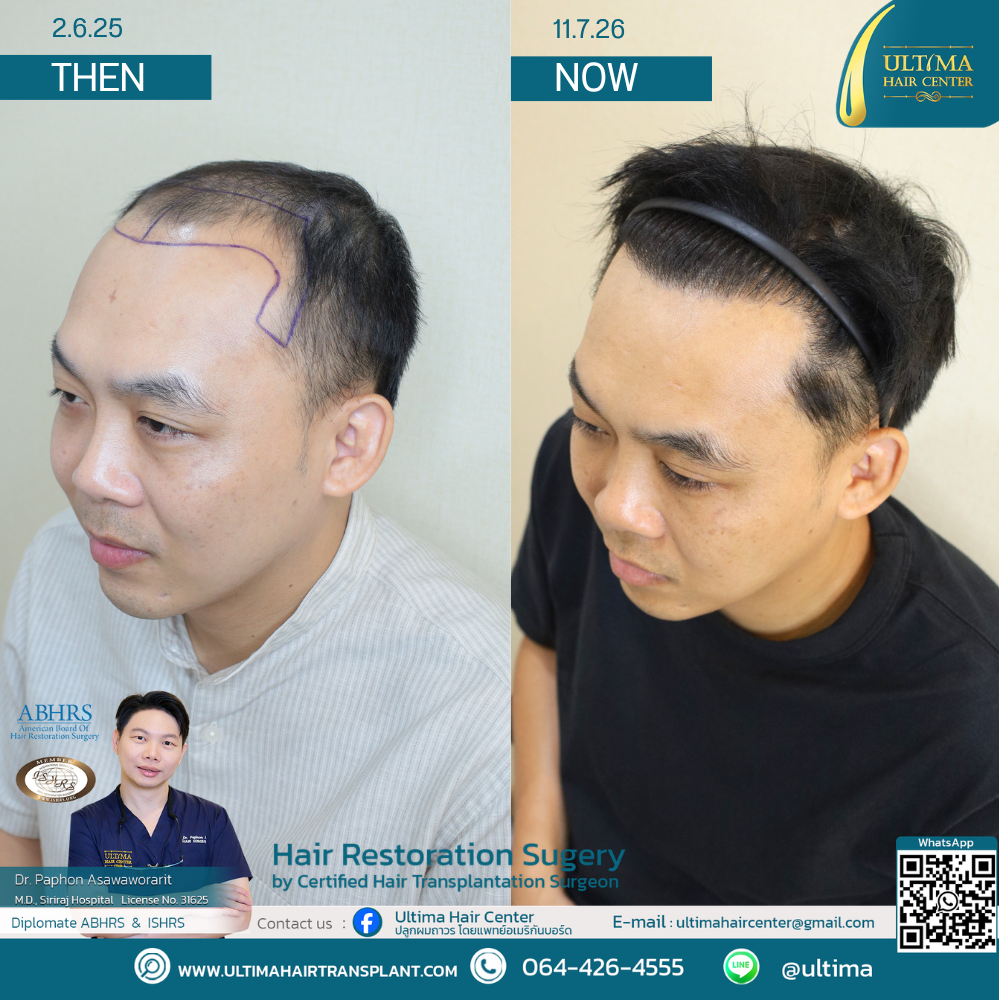 Do You Need to Continue Using Minoxidil After a Hair Transplant?
Minoxidil is another medication used to treat hair loss. It is available as a topical treatment and, in selected cases, as low-dose oral medication.
Reviews of androgenetic alopecia treatments identify topical Minoxidil as one of the established treatment options. Finasteride and Dutasteride may also be considered for certain patient groups.
However, this does not mean that everyone who undergoes a hair transplant must use Minoxidil.
A doctor may consider Minoxidil for patients who:
- Still have thinning in their existing hair
- Want to help maintain the density of their original hair
- Have a type of hair loss that may respond to Minoxidil
- Need an additional treatment before or after a hair transplant
- Are unsuitable for certain other medications or have limitations affecting alternative treatments
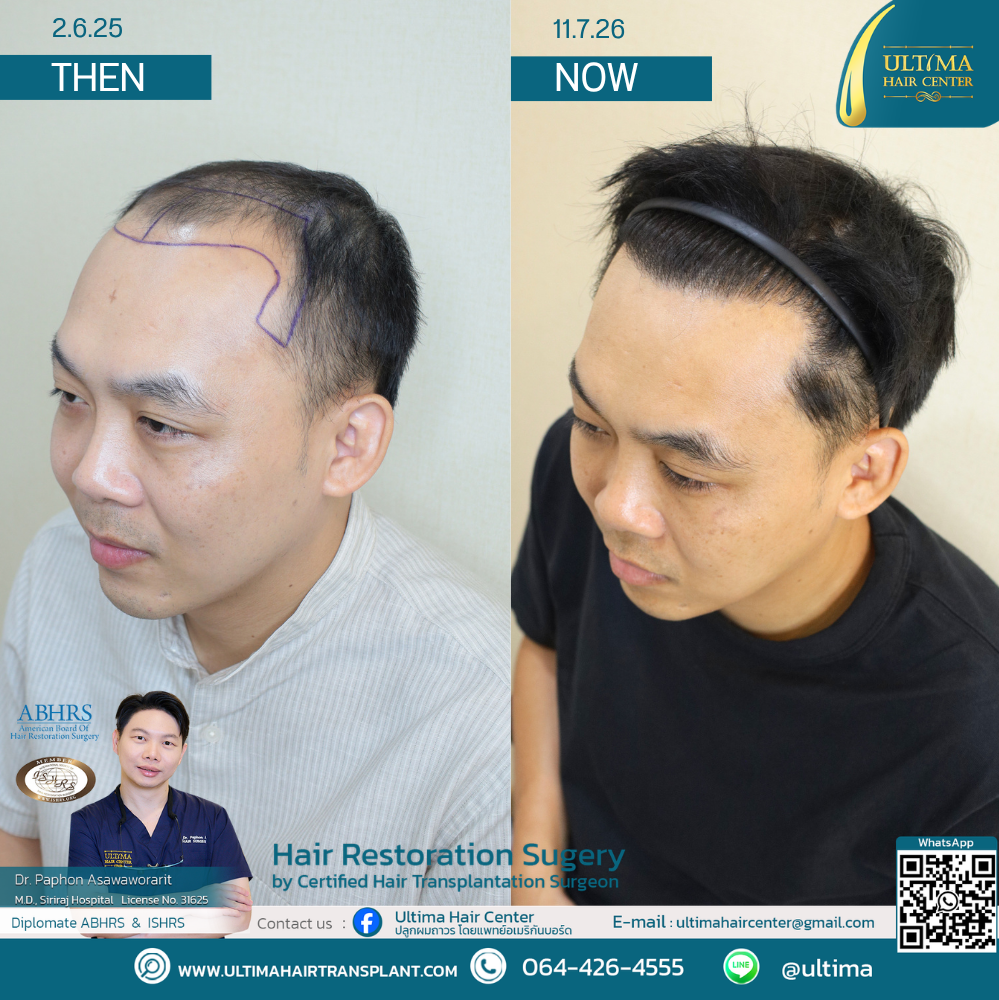 When Can You Start Using Minoxidil After a Hair Transplant?
The appropriate time to restart Minoxidil after a hair transplant varies from person to person and should depend on the condition of the scalp and the doctor’s instructions.
A 2026 consensus developed by hair transplant experts states that topical Minoxidil may be considered for restarting in the transplanted area approximately 7–14 days after surgery. In selected cases, low-dose oral Minoxidil may be considered earlier, depending on the patient’s suitability and safety profile.
These recommendations represent expert consensus, not a rule that everyone should start medication on day 7 or day 14.
If the transplanted area still has wounds, scabs, or irritation, your doctor may recommend waiting longer before restarting treatment.
Therefore, do not start using Minoxidil on your own immediately after a hair transplant without consulting your doctor.
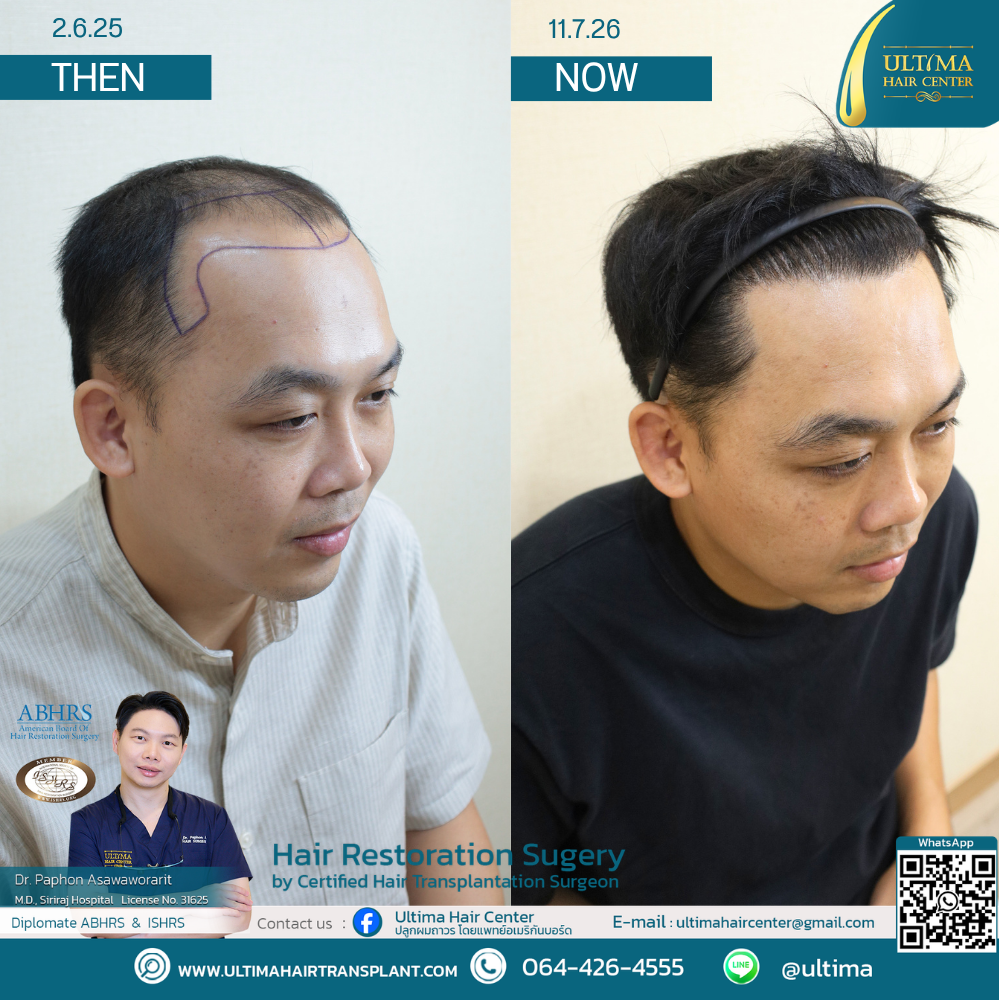 Is Low-Dose Oral Minoxidil Necessary After a Hair Transplant?
Low-dose oral Minoxidil has attracted increasing attention as a treatment option for hair loss.
However, because it is an oral medication, its safety requires careful consideration rather than simply choosing a product as one might with an ordinary topical treatment.
The 2026 consensus recommends assessing body weight and blood pressure before treatment. Dosage recommendations may differ according to sex and the pattern of hair loss, and treatment should be monitored and individualized.
Because oral Minoxidil can affect the cardiovascular system, you should never use another person’s dosage as a guide for your own treatment.
Potential adverse effects that doctors may need to consider include:
- Low blood pressure
- Palpitations or a rapid heartbeat
- Swelling
- Dizziness
- Increased body hair growth
Low-dose oral Minoxidil should therefore be used only when a doctor has assessed that it is appropriate.
 Do Women Need the Same Medication as Men After a Hair Transplant?
No. Treatment is not the same for everyone.
Hair thinning in women can have several causes, including female pattern hair loss, hormonal factors, certain medical conditions, nutritional deficiencies, or scalp disorders.
The cause of hair loss should therefore be evaluated before treatment begins.
Topical Minoxidil plays an important role in treating female pattern hair loss. Some antiandrogen medications have specific restrictions for women and should not be used during pregnancy.
For example, certain guidelines list oral Finasteride and Dutasteride as contraindicated for female pattern hair loss within the context of those guidelines. Medication selection for women requires particular attention to pregnancy potential and safety.
Women should not use the same medication regimen as men who have undergone hair transplantation without first receiving appropriate medical advice.
 Can You Have a Hair Transplant Without Taking Medication?
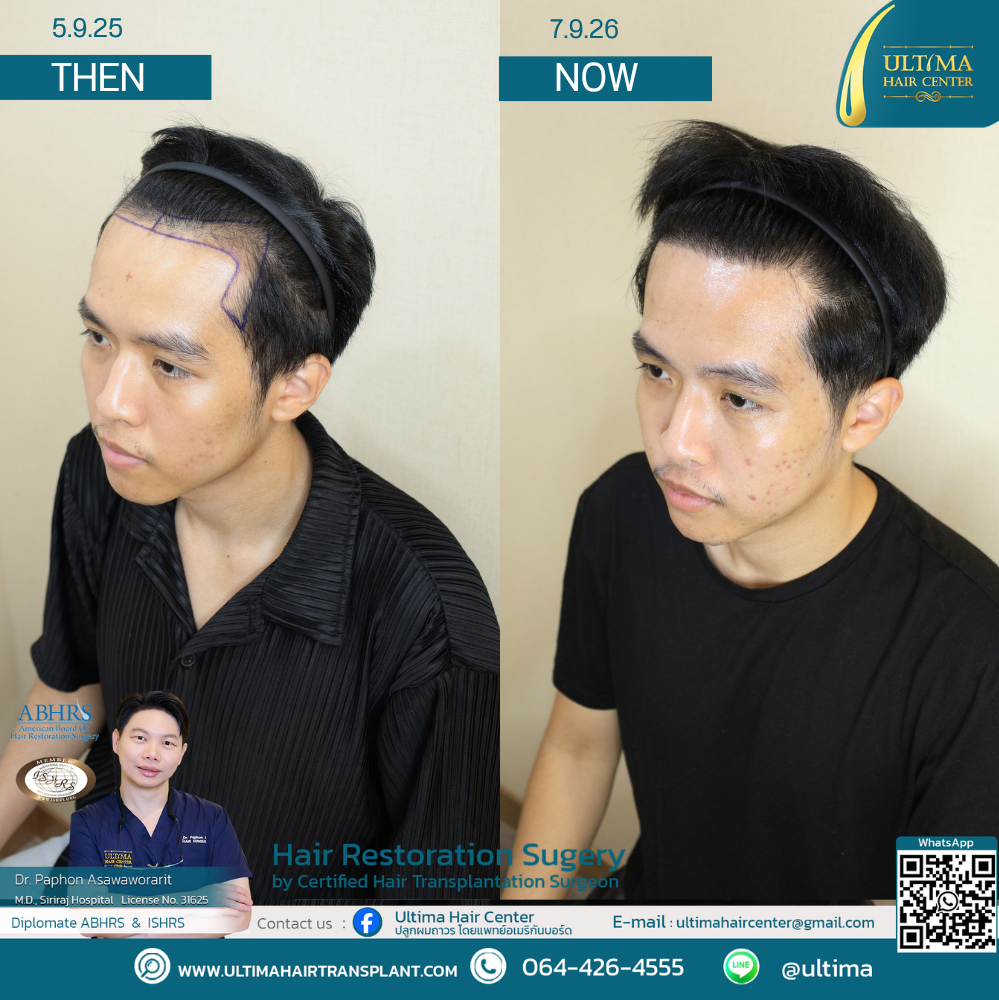
Yes, this may be possible for some people.
However, it is important to understand that choosing not to use medication may limit how effectively ongoing thinning of existing hair can be managed, compared with using medication when it is medically appropriate.
Doctors may consider several factors, including:
- Age
- Pattern of hair loss
- Rate of progression
- Family history
- Age and quality of the Donor area
- Density of existing hair
- Available graft supply
- The patient’s goals
- The patient’s willingness to accept the risk of further thinning of existing hair
Some people have relatively mild hair loss that appears stable, while others have androgenetic alopecia that is continuing to progress.
These two situations should not automatically be managed with the same treatment plan.
 Can a Hair Transplant Replace Hair Loss Medication?
A hair transplant and hair loss medication should not be viewed as completely interchangeable treatments
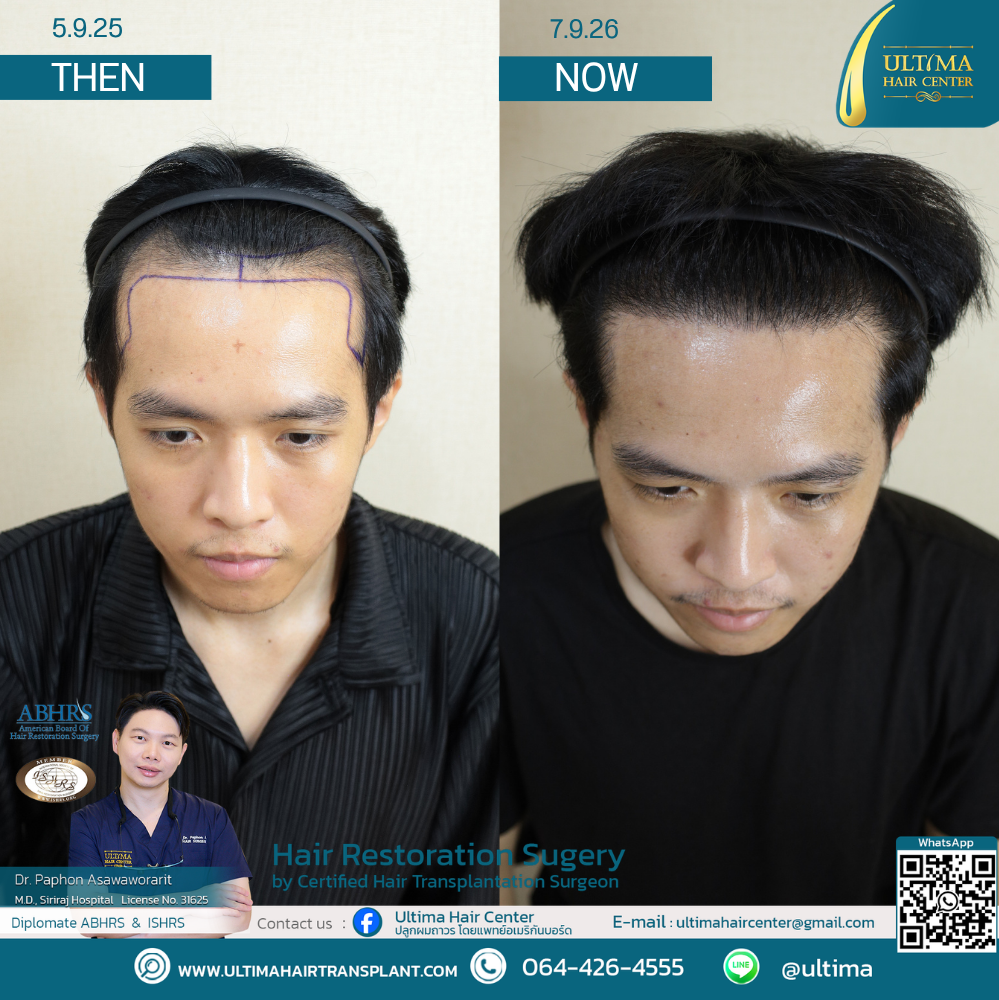
The primary purpose of a hair transplant is to add hair to a target area by moving grafts from the donor area to the recipient area.
Medications such as Finasteride and Minoxidil are intended to manage hair loss and help maintain existing hair.
These treatments therefore serve different purposes.
For some patients, an appropriate treatment plan may involve:
Medication + Hair Transplant + Follow-up
For others, a suitable plan may be:
Hair Transplant + Follow-up Without Certain Medications
The treatment approach should be individualized rather than assuming that everyone needs the same combination.
 If You Are Already Taking Medication, Do You Still Need a Hair Transplant?
For some people, yes.
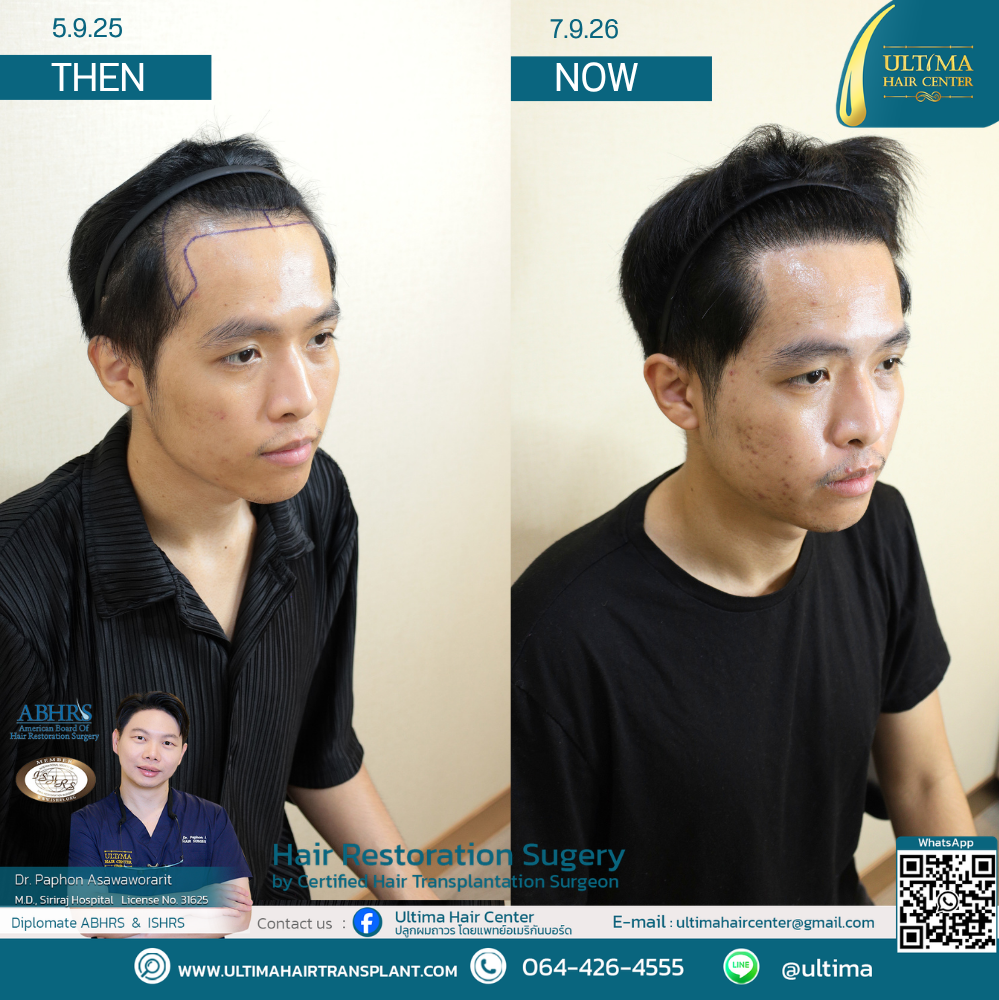
Medication may help slow or manage hair loss, but it does not necessarily restore the density of an area that has already lost a substantial amount of hair to the same extent as transplanting grafts into that area.
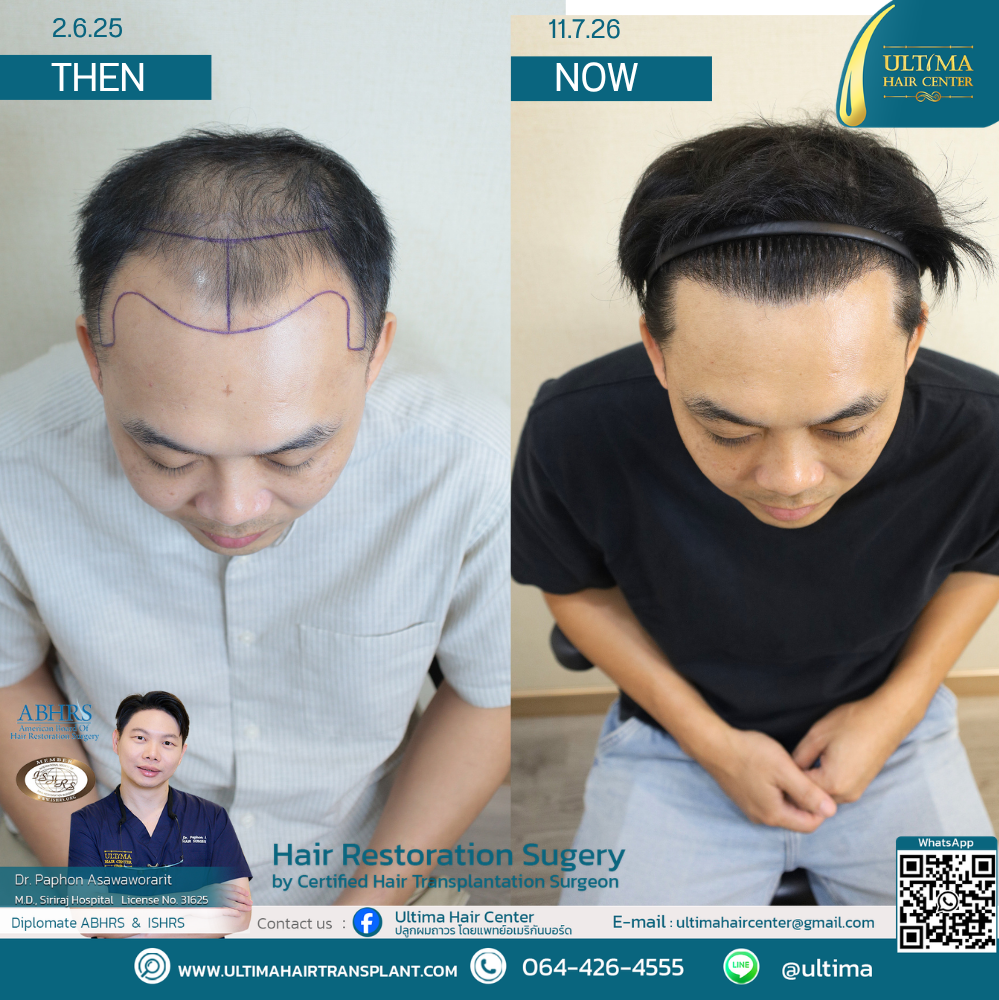
If an area has experienced significant hair loss, a hair transplant may be an option for increasing the number of hairs in that region.
Therefore, medication and hair transplantation can be used together in suitable patients.
How Long Do You Need to Take Medication After a Hair Transplant?
The answer depends on the purpose of the medication.
Post-operative medications, such as pain relievers or other drugs prescribed to support recovery, are generally used for the duration recommended by the doctor.
However, medications used to manage androgenetic alopecia, such as Finasteride or Minoxidil, may need to be considered as long-term treatments if the goal is to maintain their benefits.
The 2026 consensus states that low-dose oral Minoxidil may be continued long term in patients who respond to and tolerate it, provided that treatment is monitored and its suitability is reassessed individually.
It is therefore important not to assume that:
“Taking medication for three months will cure hair loss”
Androgenetic alopecia is a condition that may continue to progress over time.
Will All My Hair Fall Out If I Stop Medication?
Not necessarily. Stopping medication does not mean that all your hair will fall out immediately.
The important distinction is between transplanted hair and original, non-transplanted hair.
Stopping hair loss medication is associated with losing the medication’s benefits for hair that remains susceptible to the hair-loss process. Transplanted grafts may have different characteristics and susceptibility to androgenetic alopecia compared with the original hair.
Therefore, if you are currently taking medication and want to stop, discuss the decision with your doctor first.
Is Medication Necessary for Transplanted Grafts to Grow?
It is not accurate to assume that Finasteride or Minoxidil is necessary for every patient’s transplanted grafts to grow.
Hair transplant outcomes depend on multiple factors, including:
- Patient selection
- Treatment planning
- Donor hair quality
- Graft harvesting
- Graft handling and care
- Graft preparation
- Graft placement
- Post-operative care
- The patient’s overall health
Hair loss medications serve a different role, particularly in helping manage the original hair that remains.
Therefore, it is not appropriate to tell every patient that they “must take medication to ensure graft survival.”
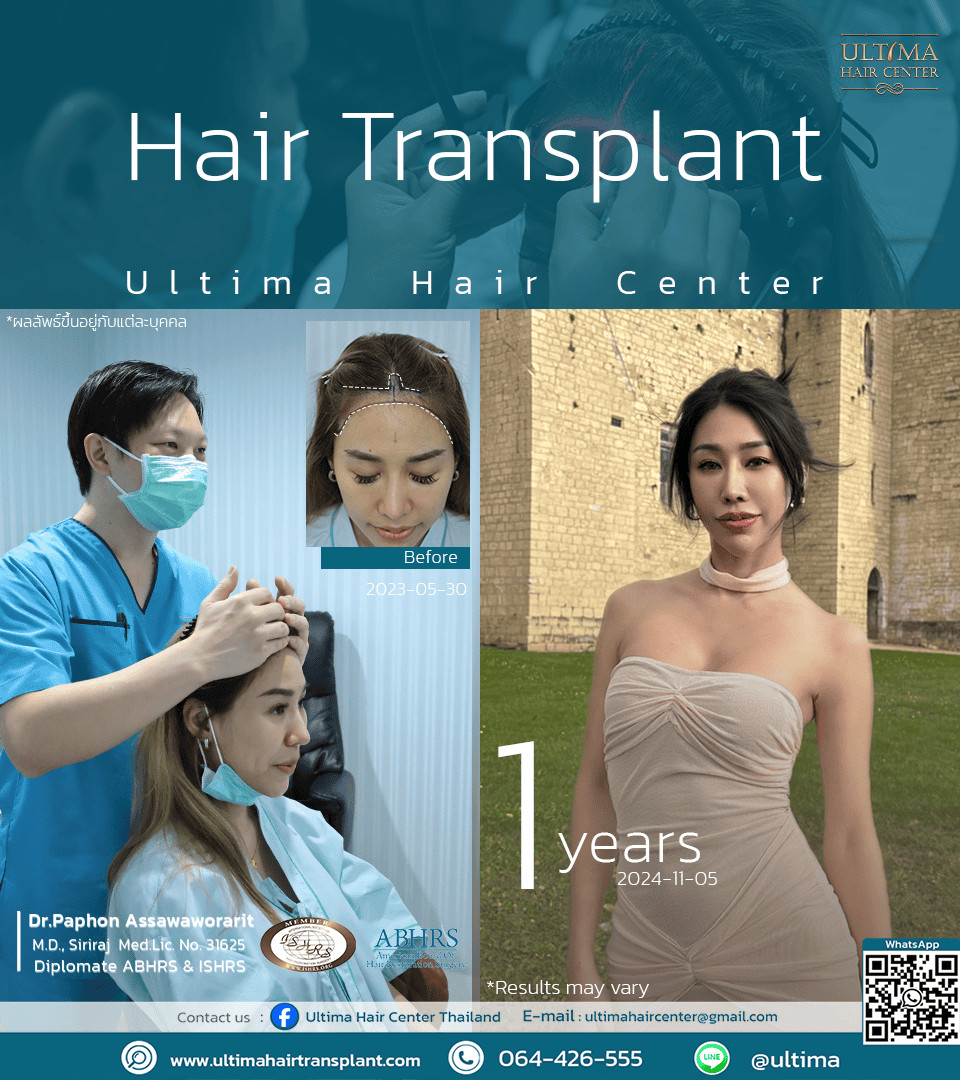 Why Is Evaluation Before a Hair Transplant More Important Than Simply Choosing Medication?
Choosing medication without diagnosing the cause of hair loss may not be the most appropriate approach.
Before a hair transplant, the doctor should assess what is causing the hair loss.
Not every type of hair thinning is caused by androgenetic alopecia.
If hair loss is related to a scalp disorder, another medical condition, or a different type of hair loss, the appropriate treatment may be different.
The doctor should also assess the Donor area to determine whether the number and quality of available grafts are sufficient.
A well-planned hair transplant should begin with diagnosis and treatment planning, rather than focusing only on questions such as “How many grafts do I need?” or “Which medication should I take?”
Do You Need Follow-up After a Hair Transplant?
Appropriate follow-up is recommended. Monitoring after a hair transplant can help with:
- Assessing recovery
- Evaluating the transplanted area
- Monitoring hair growth
- Assessing the original, non-transplanted hair
- Determining whether medication should be continued
- Adjusting the treatment plan if problems arise
Follow-up is particularly important for people with androgenetic alopecia, because hair thinning can change over time.
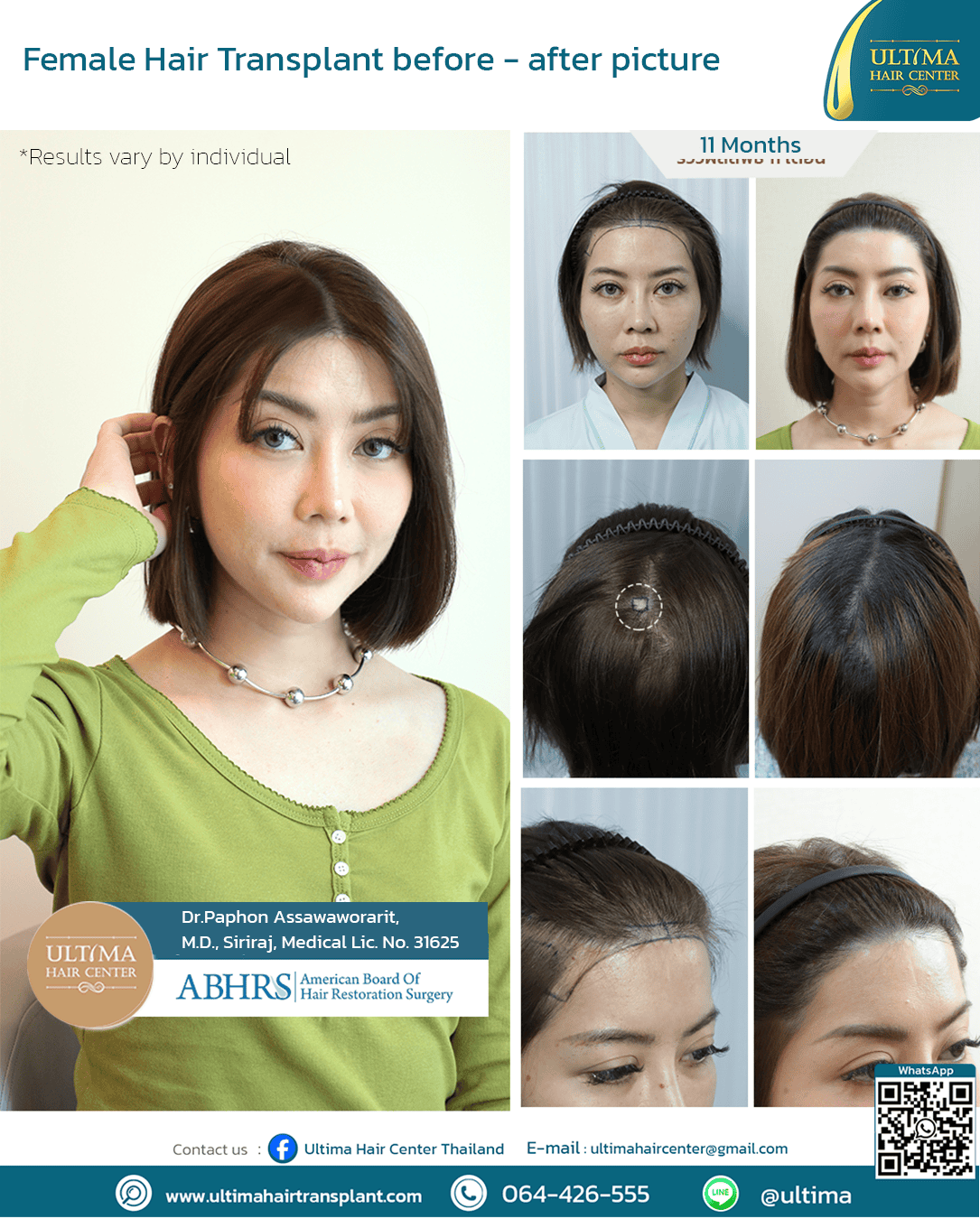 Do You Need Medication to Achieve a Natural-Looking Hair Transplant?
A natural-looking hair transplant does not depend on medication alone.
Important considerations include planning from the beginning, such as:
- Designing a hairline appropriate for the patient’s age
- Assessing hair characteristics
- Evaluating the Donor area
- Selecting an appropriate number of grafts
- Placing grafts according to the natural direction and angle of hair growth
- Distributing density appropriately
- Considering how the original hair may change in the future
Medication may help manage existing hair when the doctor determines that it is appropriate.
A good hair transplant plan should therefore consider both adding hair and maintaining existing hair.
How to Choose a Hair Transplant Clinic If You Want an Appropriate Medication Plan
If you are looking for a hair transplant clinic in Bangkok, choose a medical facility that can evaluate your hair loss before recommending a treatment plan.
Questions to ask your doctor include:
- What is causing my hair loss?
- Do I need medication?
- If I am already taking medication, should I continue?
- Which medication is appropriate for me?
- What potential side effects should I know about?
- What alternatives are available if I do not want to take medication?
- Is my existing hair likely to continue thinning?
- If I undergo a hair transplant without medication, how should my treatment be planned?
- When should I attend follow-up appointments after my hair transplant?
Getting answers to these questions before surgery can help you understand the overall treatment plan rather than making a decision based only on graft numbers or price.
Ultima Hair Center’s Approach to Medication After a Hair Transplant
At Ultima Hair Center, we emphasize quality-focused hair transplantation and individualized treatment planning.
Medication after a hair transplant should not be prescribed according to a one-size-fits-all formula.
For some patients, a doctor may recommend medication to help manage existing hair. Others may not need medication, or they may have medical considerations that require a different approach.
Dr. Paphon Asawaworarit is listed in the Physician Directory of the American Board of Hair Restoration Surgery (ABHRS). His ABHRS profile lists the status as Verified, identifies Ultima Hair Center, and states a certification year of 2019.
If you are looking for a hair transplant with an American Board-certified ABHRS physician, you can verify the information directly through the ABHRS Physician Directory.
We also place importance on direct communication with the doctor, because decisions about medication should be based on each patient’s medical history and individual hair characteristics.
At Ultima Hair Center, Dr. Ming personally responds to patient messages, allowing patients to ask directly about hair loss, preparation for a hair transplant, medication, and post-transplant care.
If you are unsure whether you should undergo a hair transplant, continue medication, or consider both approaches, you can consult Dr. Ming for free to discuss your hair loss and the options that may be appropriate for you before making a decision.
 Summary: Do You Need to Continue Medication After a Hair Transplant?
The answer is that not everyone needs medication, but some people with androgenetic alopecia may continue to benefit from medical treatment after a hair transplant.
The most important point to understand is that:
A hair transplant adds hair to the desired area, but it does not automatically stop the hair-loss process affecting your original, non-transplanted hair
Therefore, Finasteride, Minoxidil, or other treatments may play a role in managing existing hair for suitable patients.
However, you should not take medication simply because someone else uses it, and you should not stop medication you are already taking without consulting your doctor.
In particular, low-dose oral Minoxidil requires an assessment of suitability and safety before use. Women who may become pregnant need specific safety advice regarding medication choices.
Ultimately, quality-focused hair transplantation should begin with an accurate diagnosis, careful surgical planning, evaluation of existing hair, selection of appropriate treatments, and long-term follow-up.
If you are deciding whether to undergo a hair transplant, continue medication, or consider both approaches, you can consult Dr. Ming for free at Ultima Hair Center to discuss your hair loss and develop a plan suited to your individual hair characteristics.

Contact Us:
Dr. Paphon Asawaworarit (Dr. Ming)
Physician Directory ABHRS
Ultima Hair Center (Thailand Website)
Ulitma Hair Transplant (English Website)
Line: @ultima
E-mail: ultimahaircenter@gmail.com
