

Why Is Hair Growth Sparse After a Hair Transplant? Causes and How to Evaluate the Results
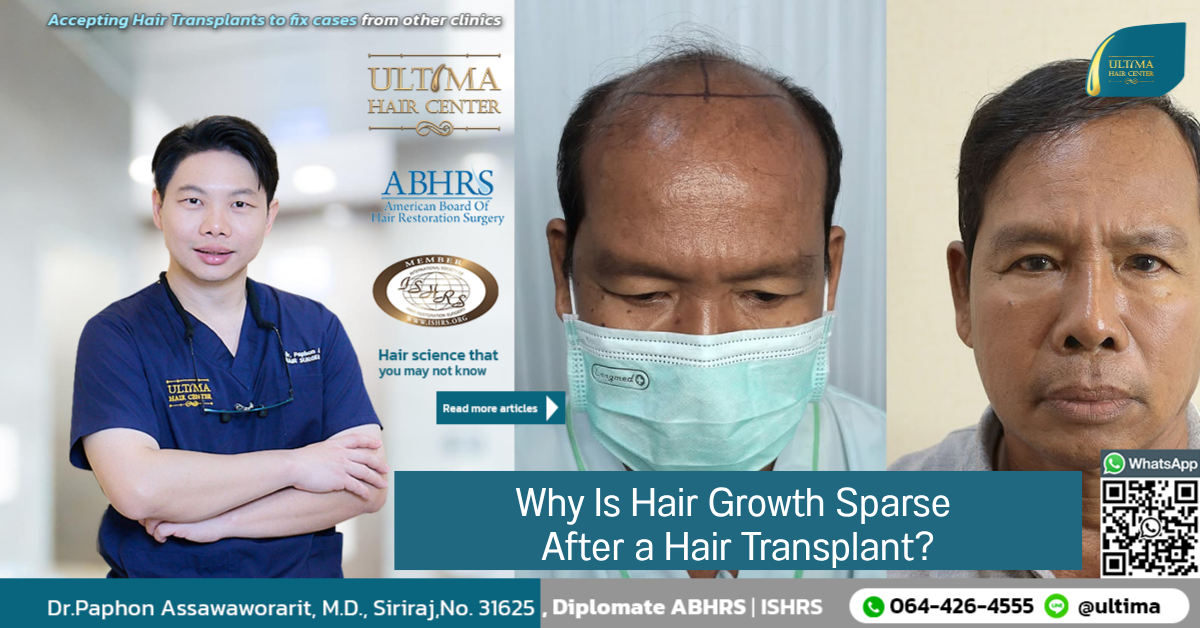
Why Is Hair Growth Sparse After a Hair Transplant?
One of the most common concerns after a hair transplant is noticing that the transplanted hair appears less dense than expected as time passes, or that the treated area still looks thin rather than as full as desired
This often leads to questions such as:
“Why is my hair growing so sparsely after a hair transplant?”
“What happened to the grafts that were transplanted?”
“Is my body rejecting the grafts?”
“How long should I wait before I can tell whether my hair transplant has been successful?”
Before answering these questions, it is important to distinguish between genuinely poor hair growth and a normal stage in the hair growth cycle following transplantation
After a hair transplant, the visible hair shafts may shed during the initial period. However, the hair roots may remain beneath the skin and enter a resting phase before producing new hair. Therefore, assessing the results too early may lead patients to believe that their hair is “not growing,” even though it may still be going through the recovery process
On the other hand, if the transplanted area remains noticeably sparse after an appropriate period for evaluation, other causes may need to be considered. These include graft damage during harvesting or preparation, graft dehydration, excessive time outside the body, graft placement issues, or patient-related health factors
Therefore, poor hair growth after a hair transplant should not immediately be attributed to a single cause. A systematic assessment is needed
 First, What Does “Poor Hair Growth After a Hair Transplant” Actually Mean?
The term “poor growth” can refer to several different situations
Case 1: Transplanted Hair Sheds During the Early Period
After a hair transplant, the hair shafts attached to the grafts may shed. However, this does not necessarily mean that the hair roots have been lost
This is why the visible hair during the early recovery period may not accurately predict the final result
Case 2: Existing Hair Sheds After the Transplant
The recipient area may already contain native hair before surgery. Following the procedure, some of this existing hair may enter a shedding phase known as shock loss
Reviews of hair transplant complications report that recipient-site effluvium, or shock loss, often occurs approximately 2–8 weeks after surgery. Existing hair may begin to grow back afterward, although the timing and severity vary from person to person
Case 3: The Transplanted Grafts Do Not Grow as Expected
If the transplanted hair remains sparse after an appropriate evaluation period, there may be a genuine problem with graft growth
This situation requires a detailed assessment of the possible causes rather than a conclusion based on a single photograph
 How Long Should You Wait Before Determining Whether Hair Growth Is Truly Poor?
Timing is a particularly important consideration
A hair transplant is not a procedure whose final results can be judged within just a few weeks
After surgery, hair follows its own growth cycle, and the transplanted grafts need time to recover before entering the hair-producing phase
Therefore, if only a few months have passed and the transplanted area still looks thin, you should not rush to conclude that the grafts have failed to grow
In general, results should be assessed at intervals over several months, as visible changes become clearer when new hair begins to grow longer and thicker
In practice, overall results are often evaluated at approximately 9–12 months, while certain areas, such as the crown, may take longer
Therefore, if you are only 3–4 months post-transplant and your hair does not yet look dense, it is too early to conclude that the hair transplant has failed to produce growth
 Cause 1: Evaluating the Results Too Early
One common reason patients believe their hair transplant has produced poor growth is evaluating the results too early
During the initial period after surgery, patients may experience:
- Swelling
- Scabbing
- Changes in the skin around the recipient area
- Shedding of transplanted hair
- Shock loss of existing hair
- New hair that is still short and fine
These changes can make the overall result appear sparse
However, they do not necessarily mean that the grafts will be unable to grow
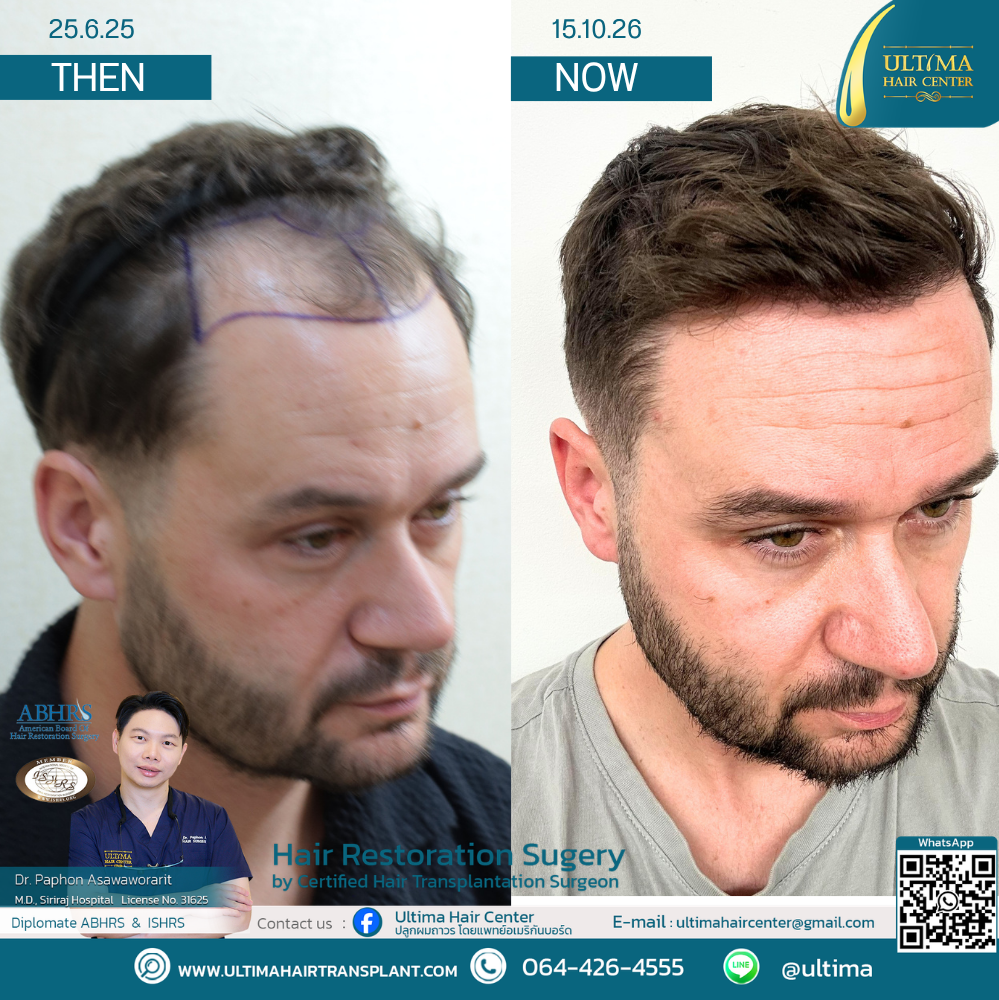
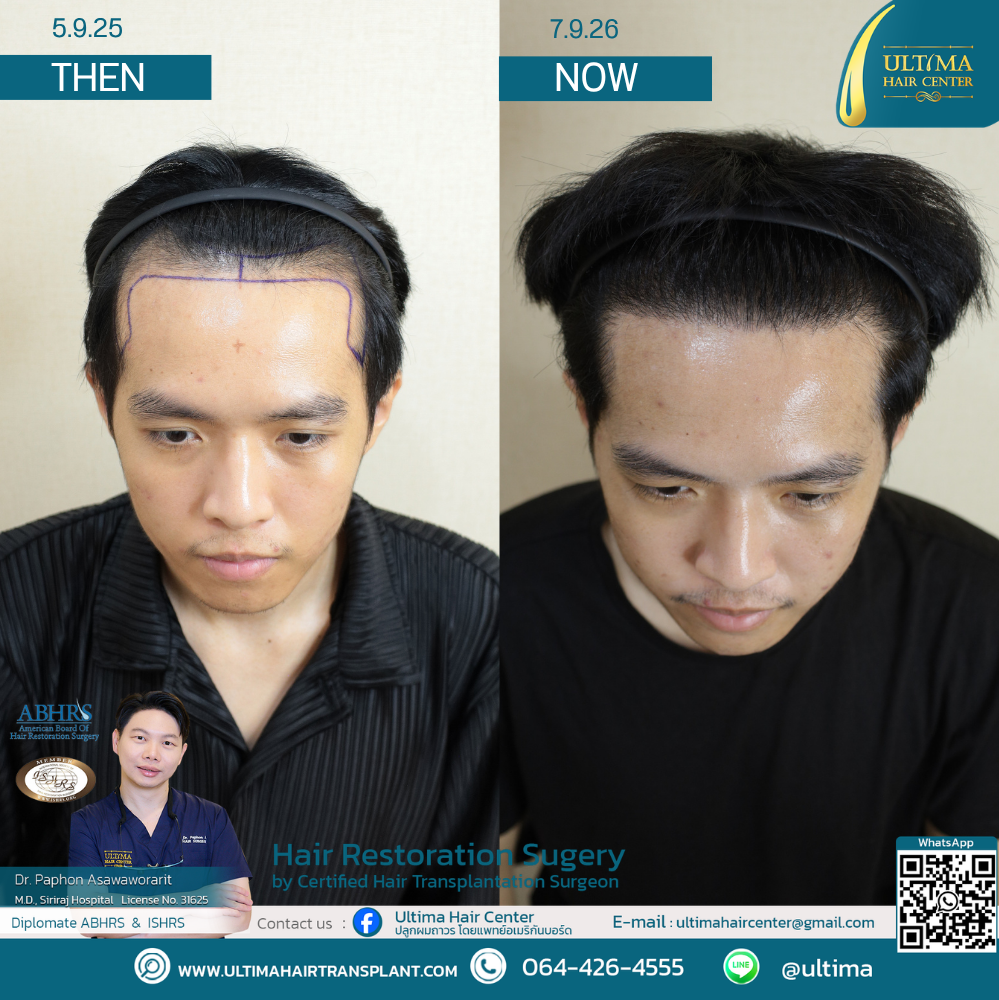
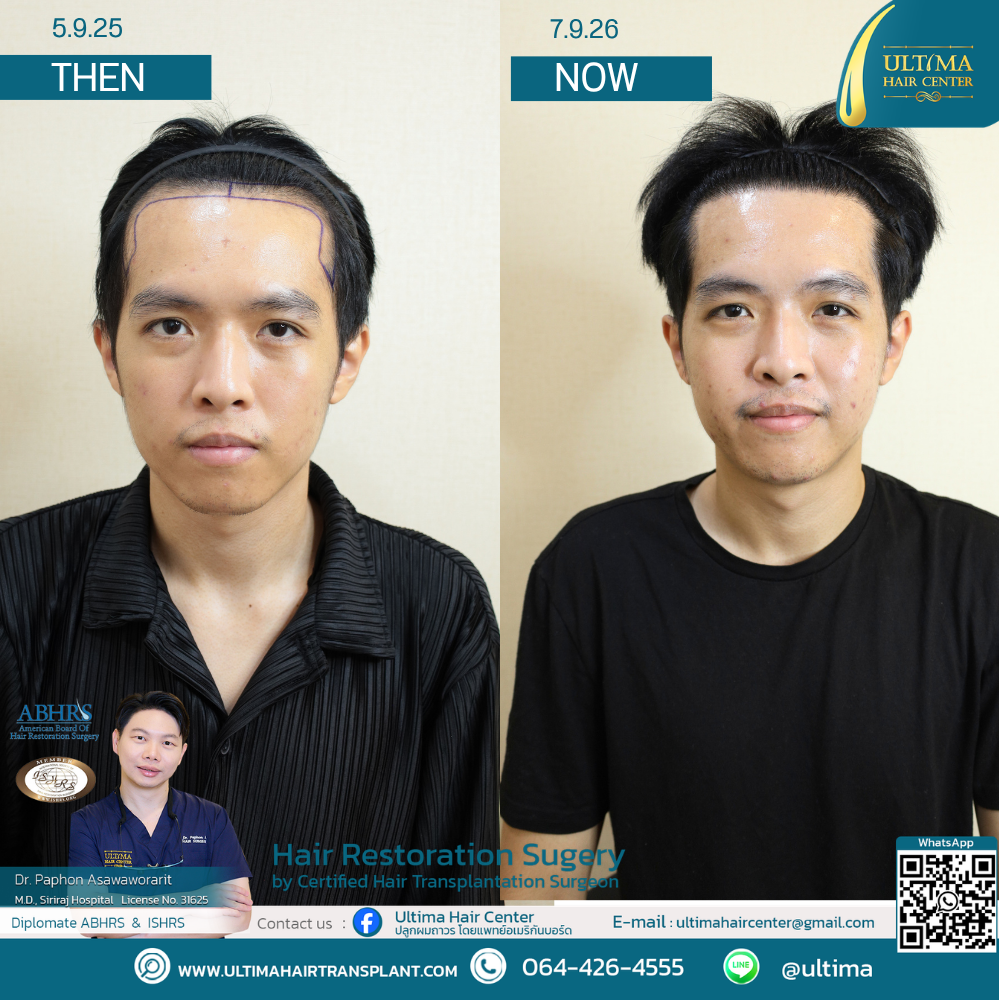
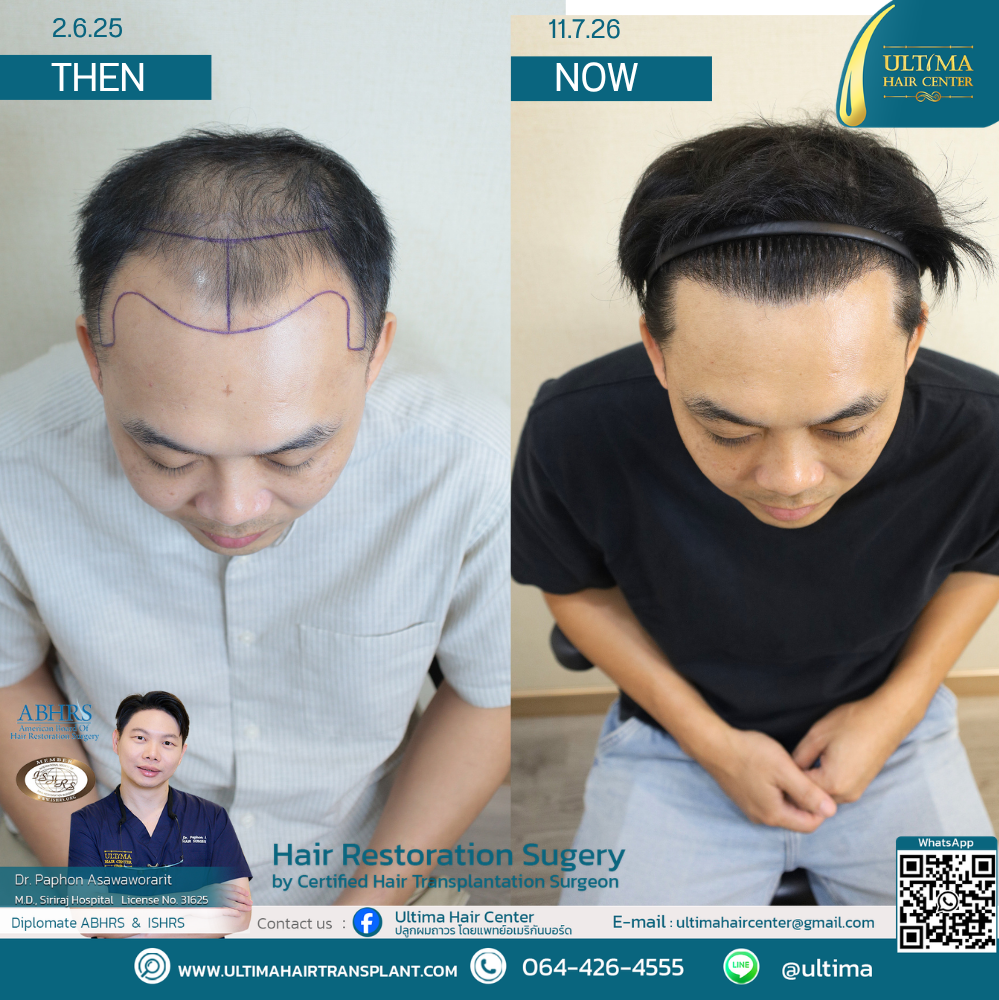
Photographs should therefore be compared at appropriate intervals and taken from similar angles, under similar lighting conditions, and at comparable distances
 Cause 2: Grafts Are Damaged During Harvesting
Grafts harvested from the Donor area are delicate structures
During harvesting, a Follicular Unit may be injured, for example, if the punch transects the hair follicles or damages important graft structures
Recent reviews of FUE complications identify physical damage to Follicular Units during harvesting, handling, and placement as one of the important factors associated with poor graft growth
Therefore, hair transplant outcomes depend not only on the number of grafts harvested but also on the quality and structural integrity of the harvested grafts
 Cause 3: Grafts Become Dehydrated or Remain Outside the Body for Too Long
After grafts are removed from the scalp, they must be handled and stored appropriately before implantation
Important factors include:
- Maintaining graft hydration
- Temperature
- Time the grafts remain outside the body
- The storage solution used
- Gentle handling of the grafts
- Minimizing tissue injury
Reviews of factors affecting Follicular Graft growth and survival identify hydration, temperature, time out of the body, and gentle handling as important principles of graft management during hair transplantation
If grafts become dehydrated or sustain damage before implantation, their subsequent growth potential may be affected
 Cause 4: Grafts Are Damaged During Preparation and Placement
Even when grafts are harvested successfully, they may still be damaged during subsequent stages, including:
- Handling grafts too forcefully
- Applying excessive pressure to the tissue
- Allowing grafts to dry out
- Placing grafts in the wrong direction
- Mechanically disturbing the grafts
- Applying excessive force during implantation
Reviews of FUE complications indicate that excessive pressure from forceps or implanters may damage important Follicular Unit structures. Prolonged dehydration can also cause cellular injury to grafts
This demonstrates that hair transplantation involves much more than simply “removing grafts and putting them back.” Multiple stages can influence the final outcome
 Cause 5: Grafts Are Injured During Implantation
Creating recipient sites and inserting grafts into the Recipient area require careful technique
If grafts are injured during this stage, their subsequent growth may be affected
Graft placement must also take into account:
- Position
- Angle
- Direction
- Depth
- Distribution
- Density
Inappropriate placement may affect more than whether the hair grows. It may also influence the direction of hair growth and how natural-looking the final result appears
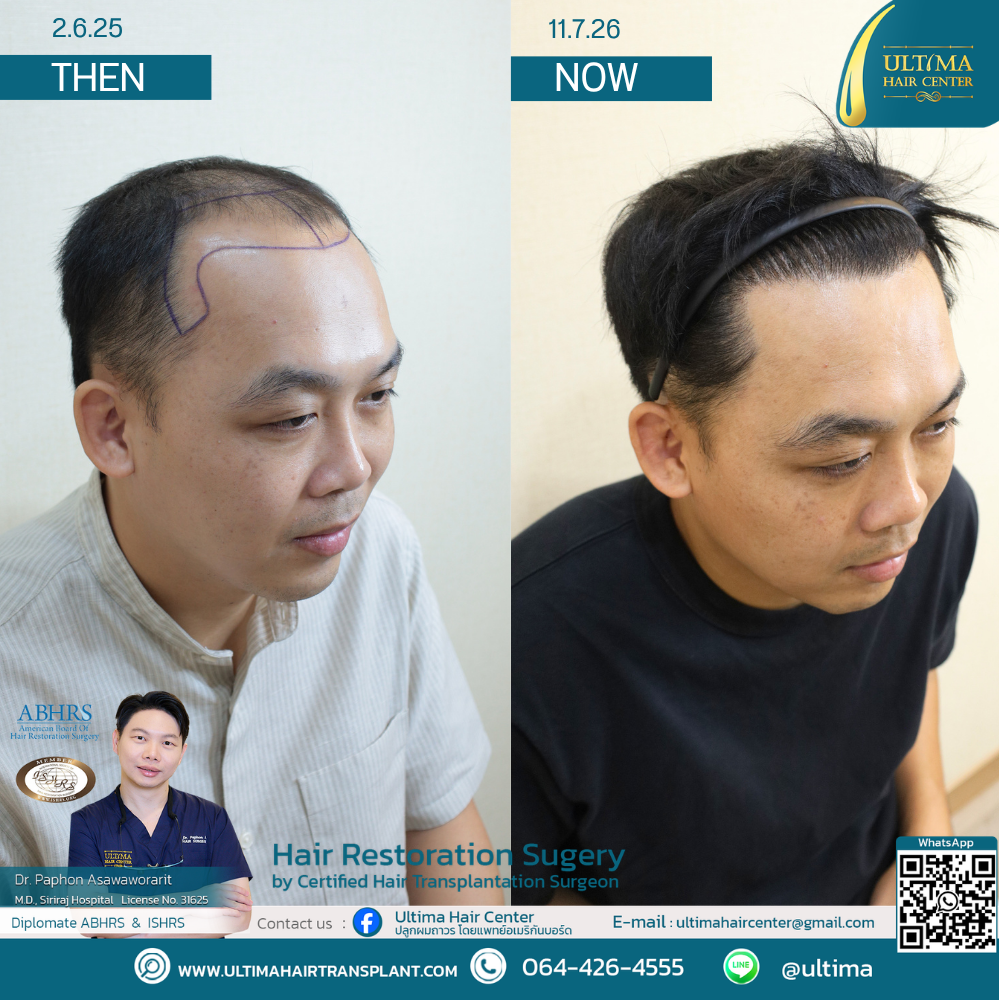 Cause 6: Inappropriate Graft Planning and Density Design
Sometimes patients notice that their transplanted hair is growing but still wonder:
“The grafts have grown, so why does my hair still look thin?”
This does not necessarily mean that the grafts have failed to grow
One possible explanation is that the number of grafts used was insufficient to cover the intended area from the beginning
For example, if the thinning area is extensive but only a limited number of grafts are used, the overall density may remain low even if most of the grafts grow successfully
Reviews of hair transplant complications indicate that inadequate coverage may be associated with an insufficient number of Follicular Units and inappropriate treatment planning
Therefore, before concluding that hair growth is poor after a transplant, it is important to distinguish between:
Grafts that have genuinely failed to grow
and
Grafts that have grown, but are insufficient in number to provide the desired coverage
These are two very different situations
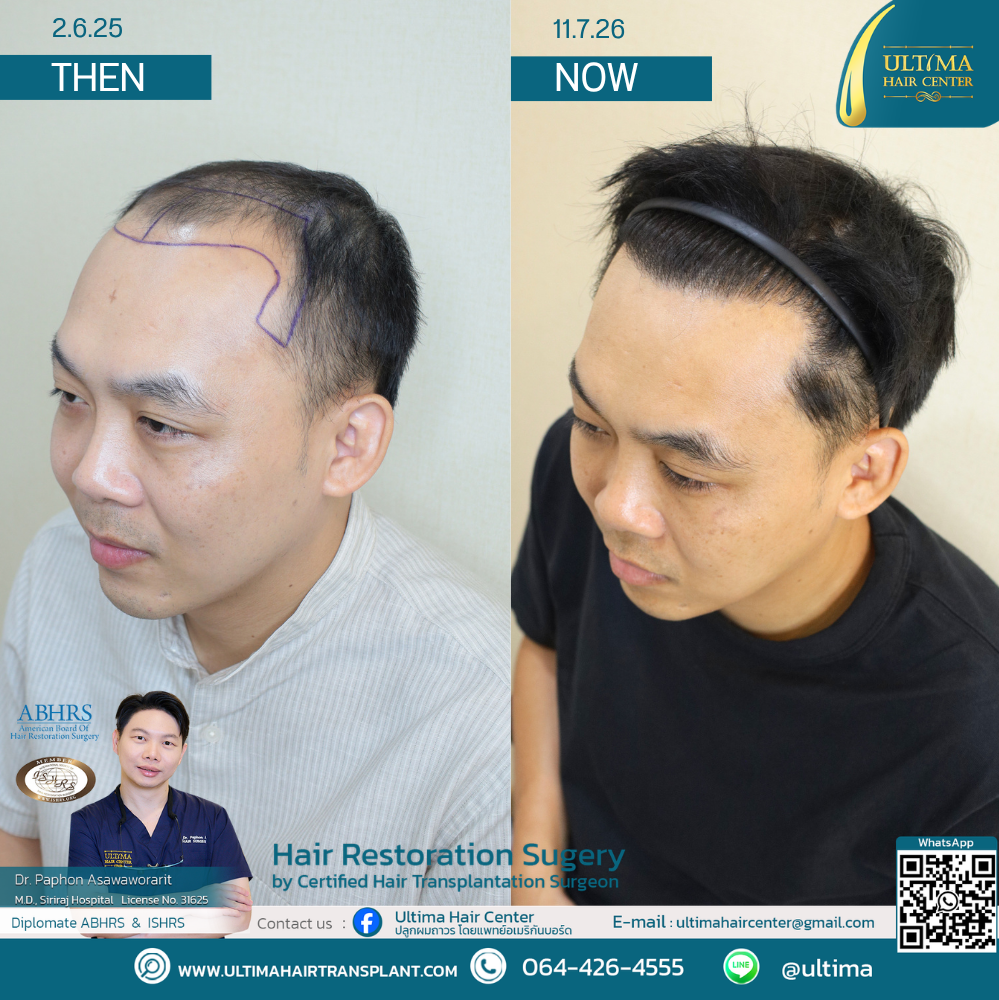 Cause 7: Existing Hair Continues to Thin After the Transplant
Another reason patients may feel that their hair remains sparse after transplantation is that their existing, non-transplanted hair continues to thin
Hair transplantation does not stop the underlying progression of genetic hair loss in native hair
For example, a patient may have thinning at the frontal scalp and mid-scalp and undergo transplantation to add density
If the surrounding native hair continues to thin over time, the overall appearance may become sparse again even when the transplanted grafts continue to grow
Reviews of hair transplant complications and patient dissatisfaction note that density can decline over time because of continued loss of native hair. Hair transplantation does not stop the progression of hair loss in hair that was not transplanted
This is an important reason why long-term planning matters
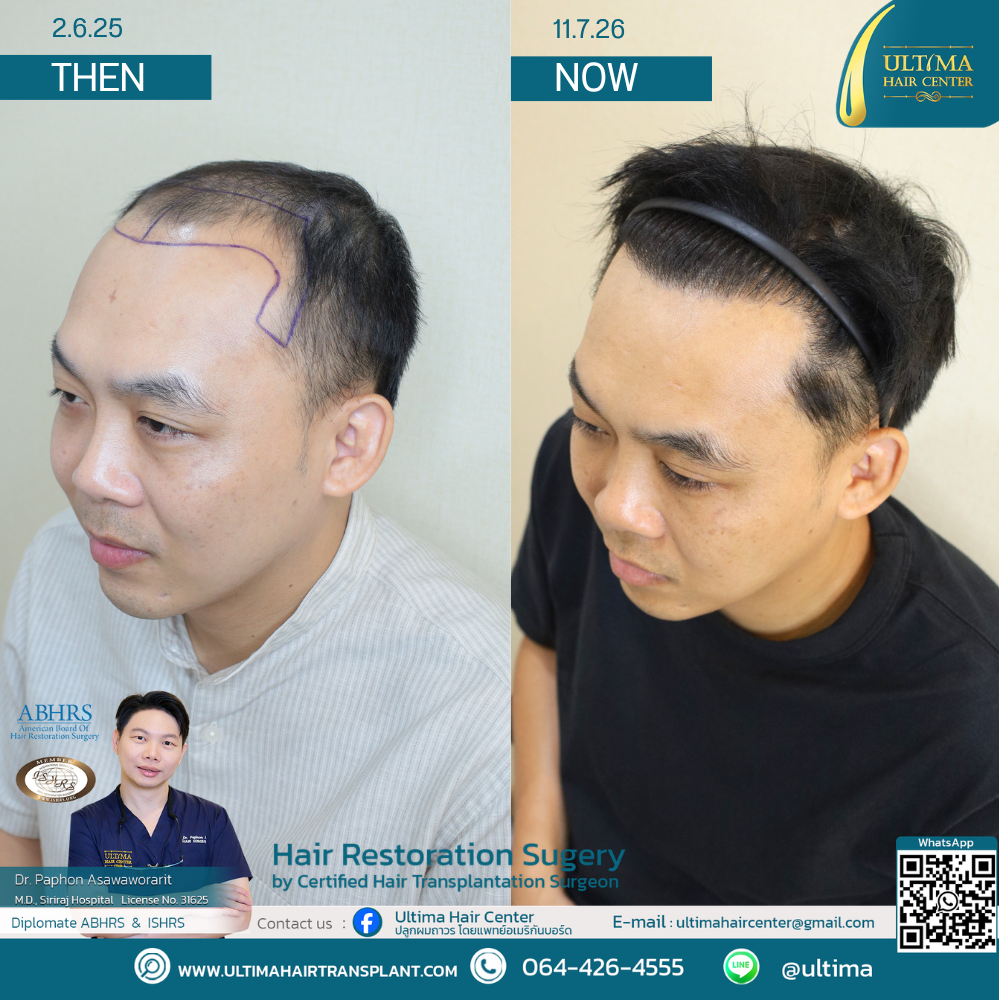 Cause 8: Shock Loss Makes It Appear That the Hair Transplant Has Failed
Shock loss, also known as recipient-site effluvium, occurs when existing hair around the transplanted area sheds following surgery
It generally occurs during the first several weeks after the procedure
Recent reviews indicate that shock loss may be associated with changes in the hair growth cycle, inflammation, surgical trauma, local blood supply changes, and other factors. It often begins approximately 2–8 weeks after surgery
People who already have fine, miniaturized hair affected by ongoing hair loss may be at greater risk of some native hairs not fully recovering
Therefore, if the recipient area appears much thinner approximately one to two months after a hair transplant, it is still too early to conclude that the transplanted grafts have failed to grow
 Cause 9: Patient-Related Health Factors
Overall health can also influence recovery and hair transplant outcomes
Factors that should be discussed with your physician include:
- Existing medical conditions
- Current medications
- Scalp disorders
- Smoking
- Diabetes
- Conditions that affect blood circulation
- Nutritional status
- Previous surgeries or treatments
Reviews of hair transplant complications indicate that patient-related factors, including smoking, diabetes, and certain health conditions, may be associated with outcomes and complications
Before undergoing a hair transplant, provide your physician with a complete medical history and a list of your current medications
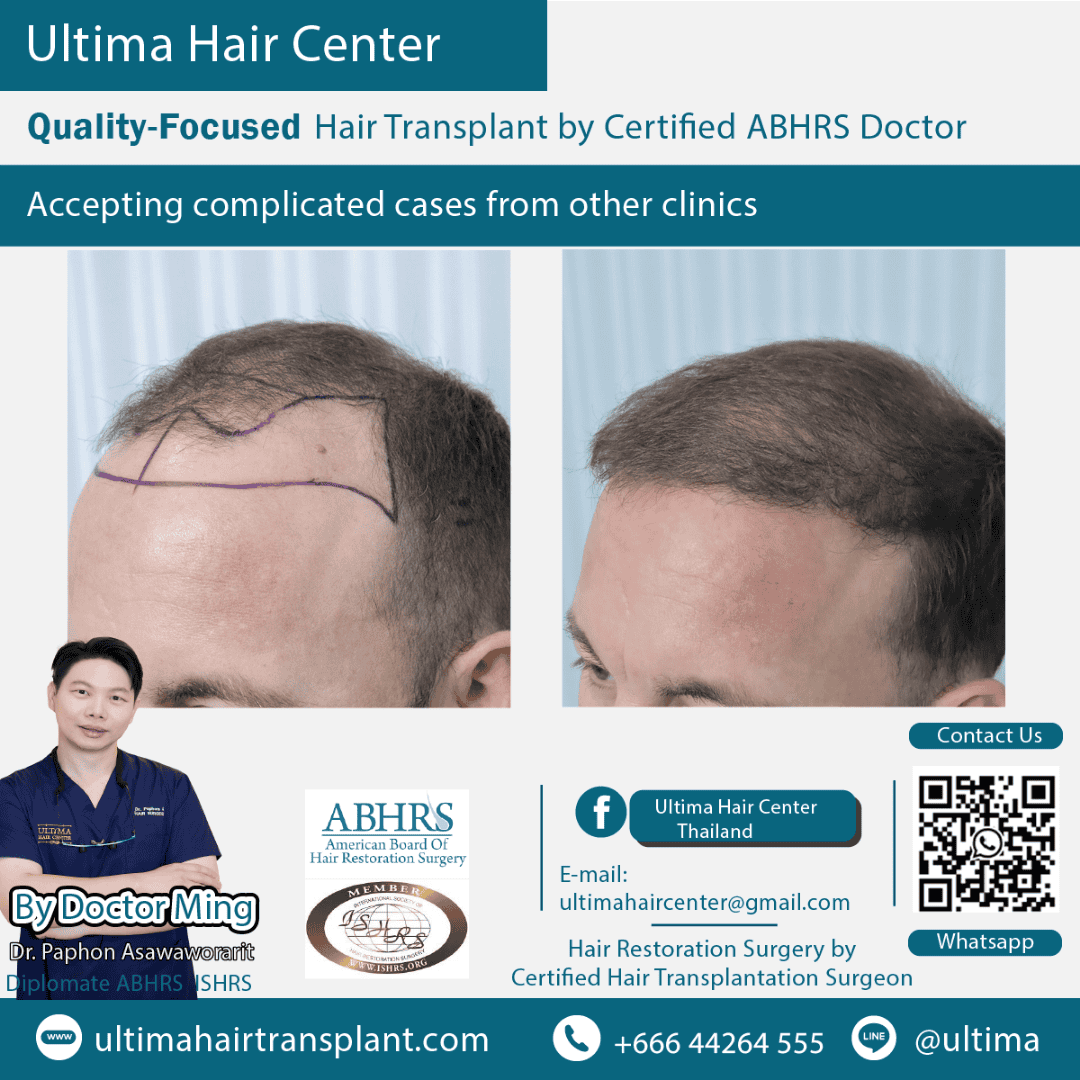 Cause 10: Scalp Disorders or Other Hair Loss Conditions
If you experience unusual symptoms after a hair transplant, such as:
- Significant scalp redness
- Pustules
- Unusually severe pain
- Wounds
- Persistent scabbing
- Severe itching or inflammation
- Patchy hair loss
- Rapidly worsening hair thinning
You should return to your physician for an assessment
These symptoms may indicate problems that are not directly related to graft growth, such as folliculitis, inflammation, or certain scalp disorders
 Cause 11: The Donor Hair May Not Be Suitable for the Desired Result
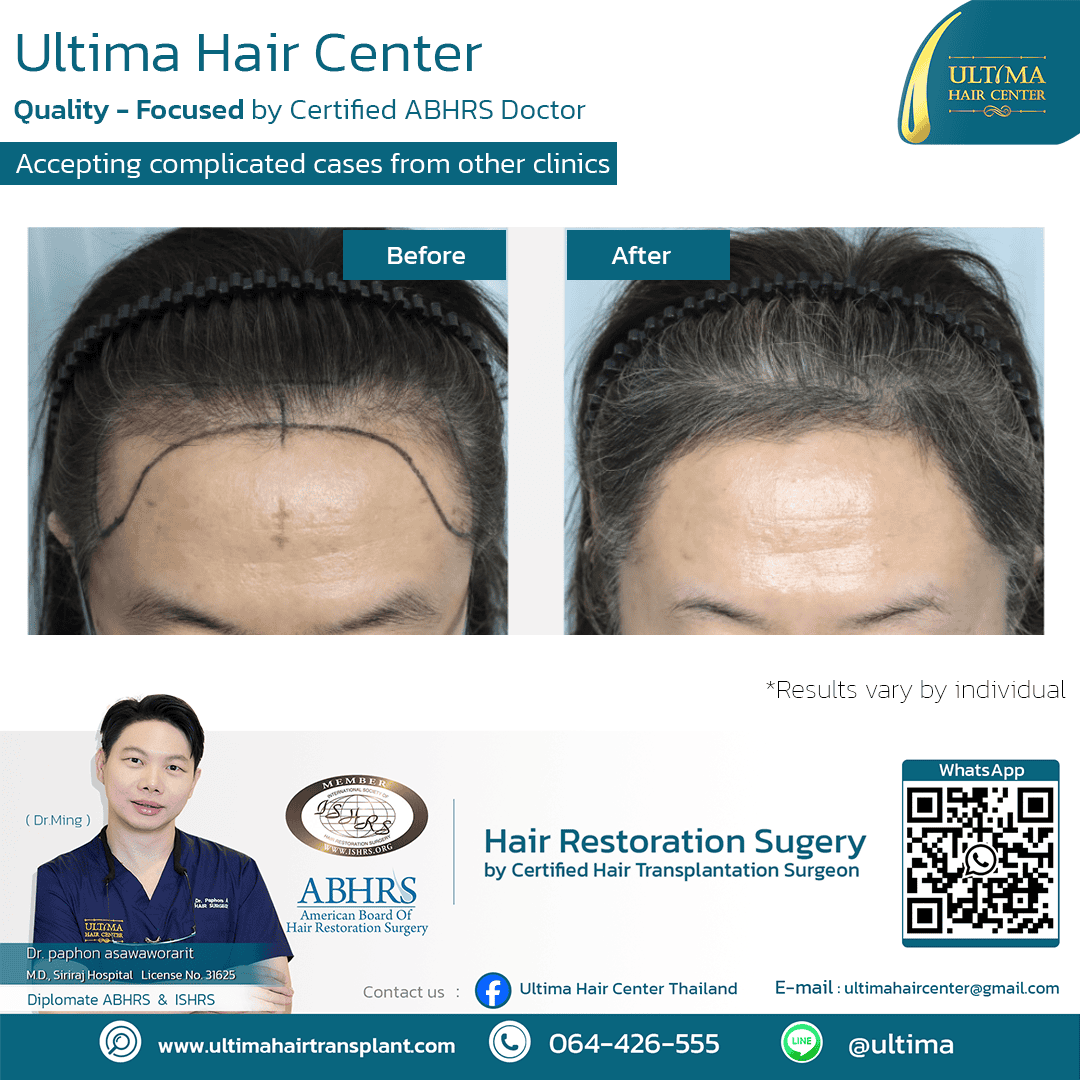
The characteristics of the hair in the Donor area also influence the overall appearance of a hair transplant
If the hair shafts are very fine or the Donor area is also affected by thinning, using a large number of these grafts may still not produce the expected density
Preoperative assessment should therefore consider:
Number of grafts + number of hairs per graft + hair shaft diameter + Donor area density
The number of grafts alone does not provide a complete picture
 What Should Be Examined If Hair Growth Is Poor After a Hair Transplant?
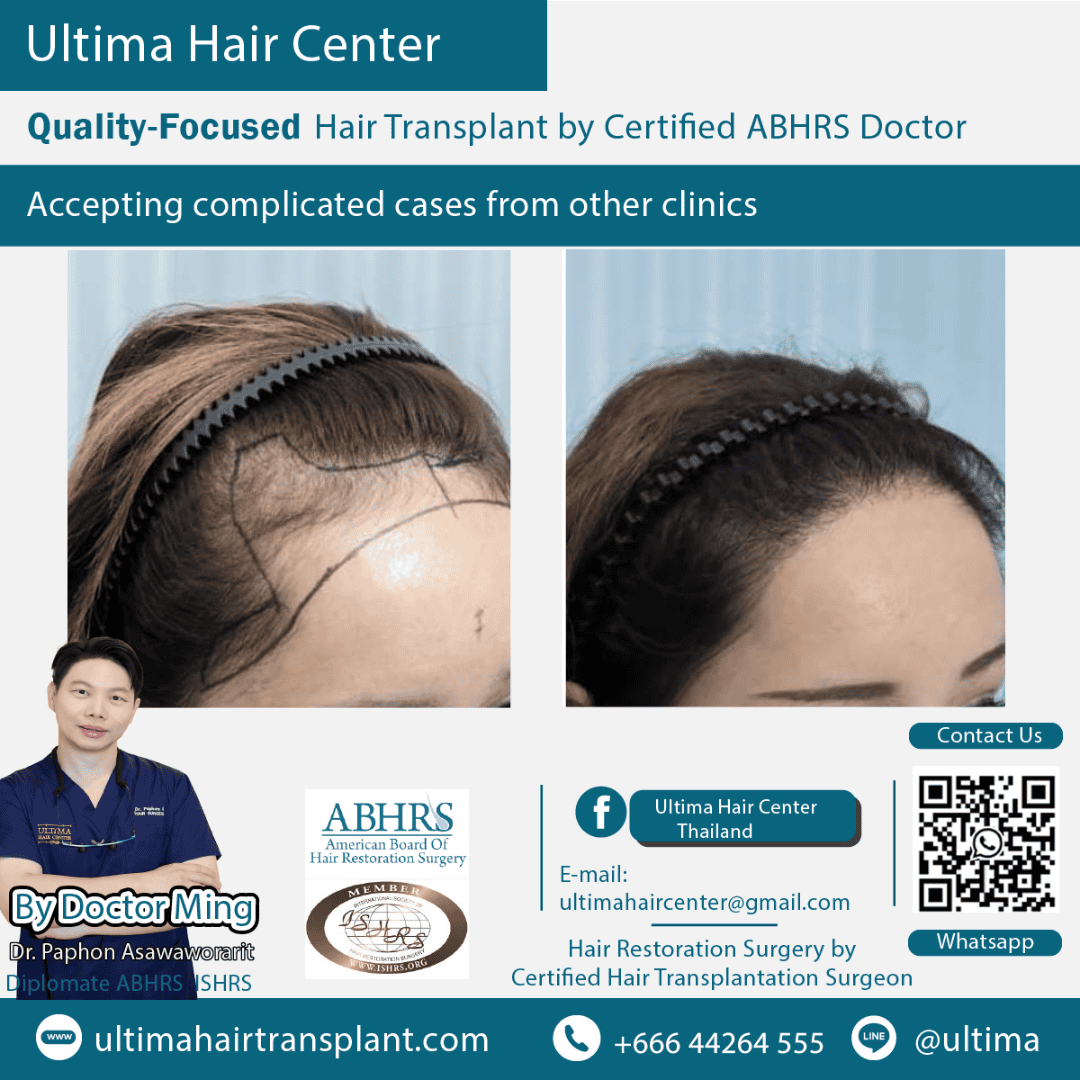
If an appropriate period has passed but the transplanted hair still appears sparse, the physician should perform a systematic assessment
1. Compare Before-and-After Photographs
Photographs taken before surgery should be compared with postoperative images captured from similar angles and under similar lighting conditions
2. Examine the Recipient Area
Assess hair density, hair characteristics, and the distribution of transplanted grafts
3. Examine the Donor Area
Determine whether excessive harvesting may have occurred and assess the remaining density in the Donor area
4. Assess the Existing Hair
Determine whether native hair around the transplanted area continues to thin
5. Evaluate Scalp Conditions
If abnormal symptoms are present, additional examination may be needed to identify the cause
6. Consider the Time Since Surgery
It is essential to know how many months have passed since the procedure, because an assessment at month 3 has a very different meaning from one at month 12
 Can Poor Hair Growth After a Hair Transplant Be Corrected?
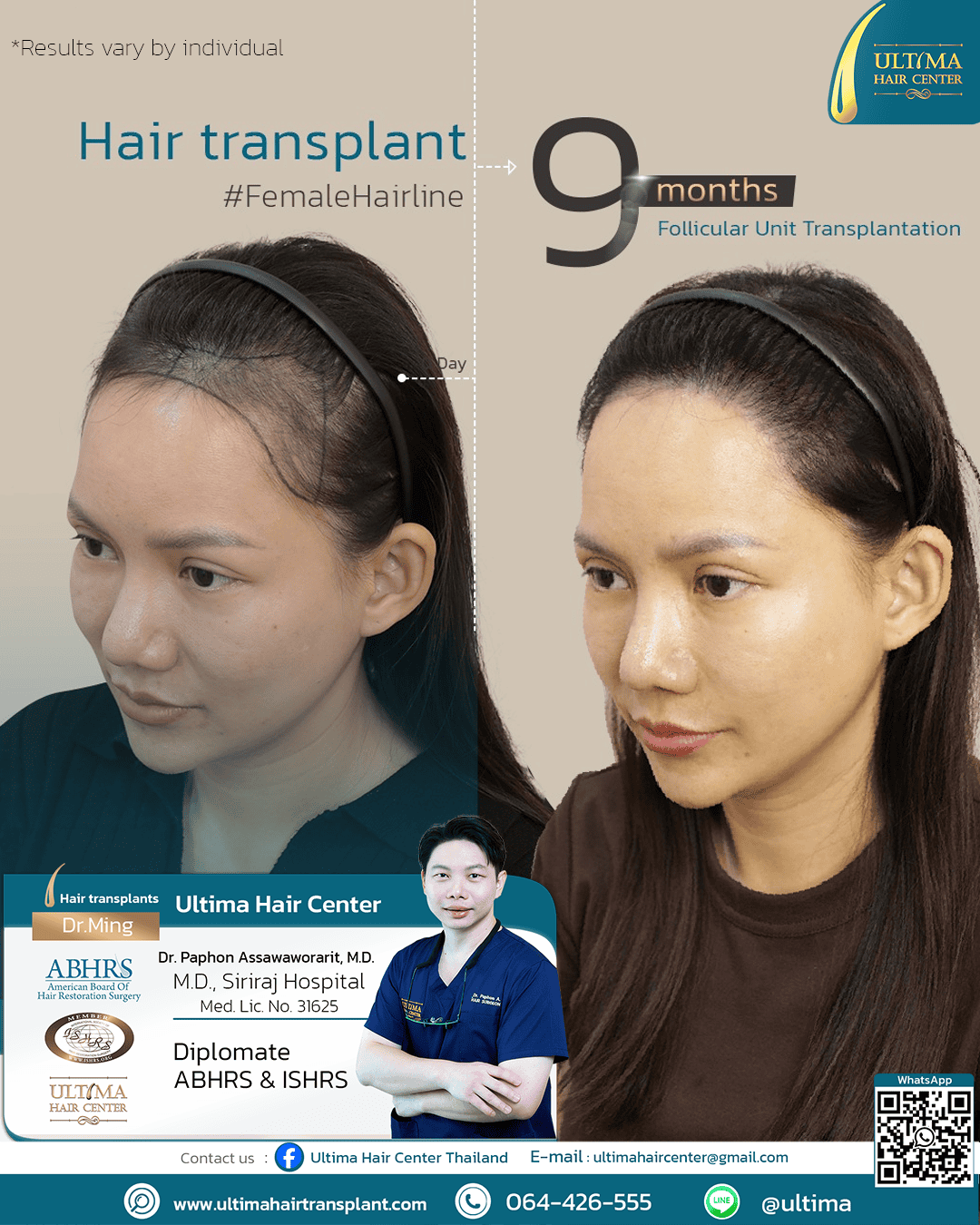
It depends on the underlying cause
If the patient is still in the early stages of hair growth, it may be necessary to wait until the results can be assessed more reliably
If existing hair continues to thin, the physician may consider appropriate treatment for native hair as part of the overall management plan
If the transplanted area remains insufficiently dense after an appropriate follow-up period, the physician may assess whether additional transplantation is suitable
However, before undergoing a revision hair transplant, it is important to identify the cause of the initial result
If the underlying problem is not addressed, repeating the procedure may fail to correct it effectively
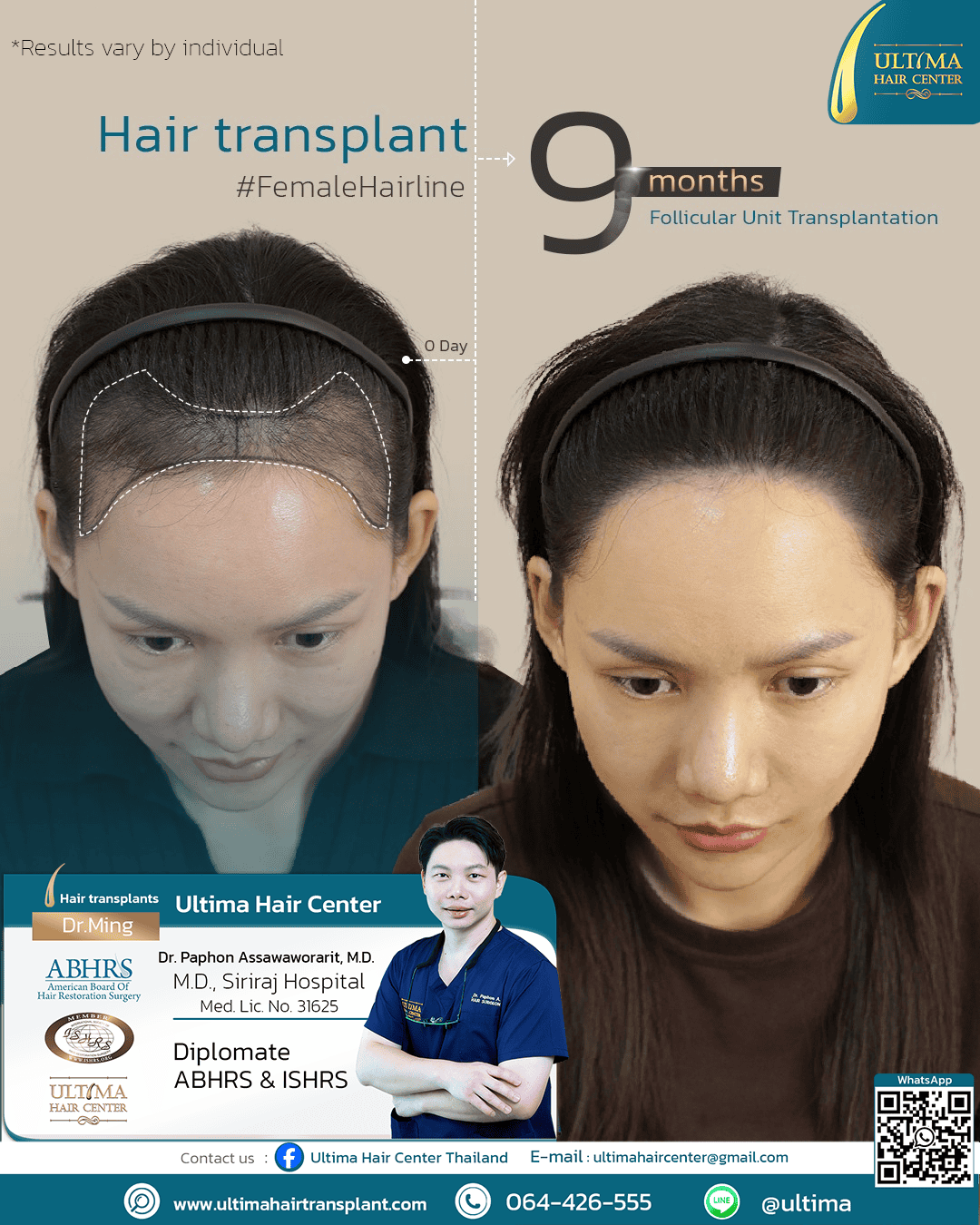 What Should Be Assessed When Correcting a Hair Transplant With Poor Growth?
Patients who have undergone a previous hair transplant and feel that the growth is inadequate require a detailed assessment
The physician should review:
- Whether FUE or FUT was used during the first procedure
- The number of grafts used
- The areas that were transplanted
- How much of the Donor area has already been used
- Whether scarring is present
- How much native hair remains
- How the original hairline was designed
- Whether the main issue is low density, hair direction, or both
In some cases, the problem may not be poor graft growth but inappropriate density planning from the outset
Therefore, corrective hair transplantation for problematic cases should begin with identifying the cause rather than immediately deciding how many additional grafts to implant
 How Can You Reduce the Risk of Poor Hair Growth After a Hair Transplant?
No method can guarantee results with 100% certainty. However, appropriate planning and technique can help reduce factors that may compromise graft growth
Important considerations include:
- Diagnose the cause of hair loss before transplantation
- Assess the Donor area thoroughly
- Select an appropriate graft harvesting method
- Minimize graft trauma
- Maintain graft hydration
- Minimize the time grafts remain outside the body
- Handle grafts gently
- Place grafts at appropriate positions and angles
- Follow postoperative care instructions
- Monitor results at appropriate intervals
- Plan for the ongoing management of remaining native hair
Reviews of graft survival emphasize patient selection, surgical technique, graft handling, temperature control, hydration, time outside the body, and gentle handling as important considerations
 Why Quality-Focused Hair Transplantation Matters More Than the Number of Grafts
Hair transplantation is not a competition to see who can use the greatest number of grafts
Each person has a limited supply of Donor hair
Harvesting more grafts than necessary may reduce density in the Donor area and place greater limitations on future treatment planning
Quality-focused hair transplantation should therefore mean paying attention to every stage, from diagnosis and Donor area assessment to technique selection, graft harvesting, graft care, hairline design, and graft placement
The goal is not simply to make the grafts grow. It is to achieve an overall result that looks natural and suits each individual’s hair characteristics
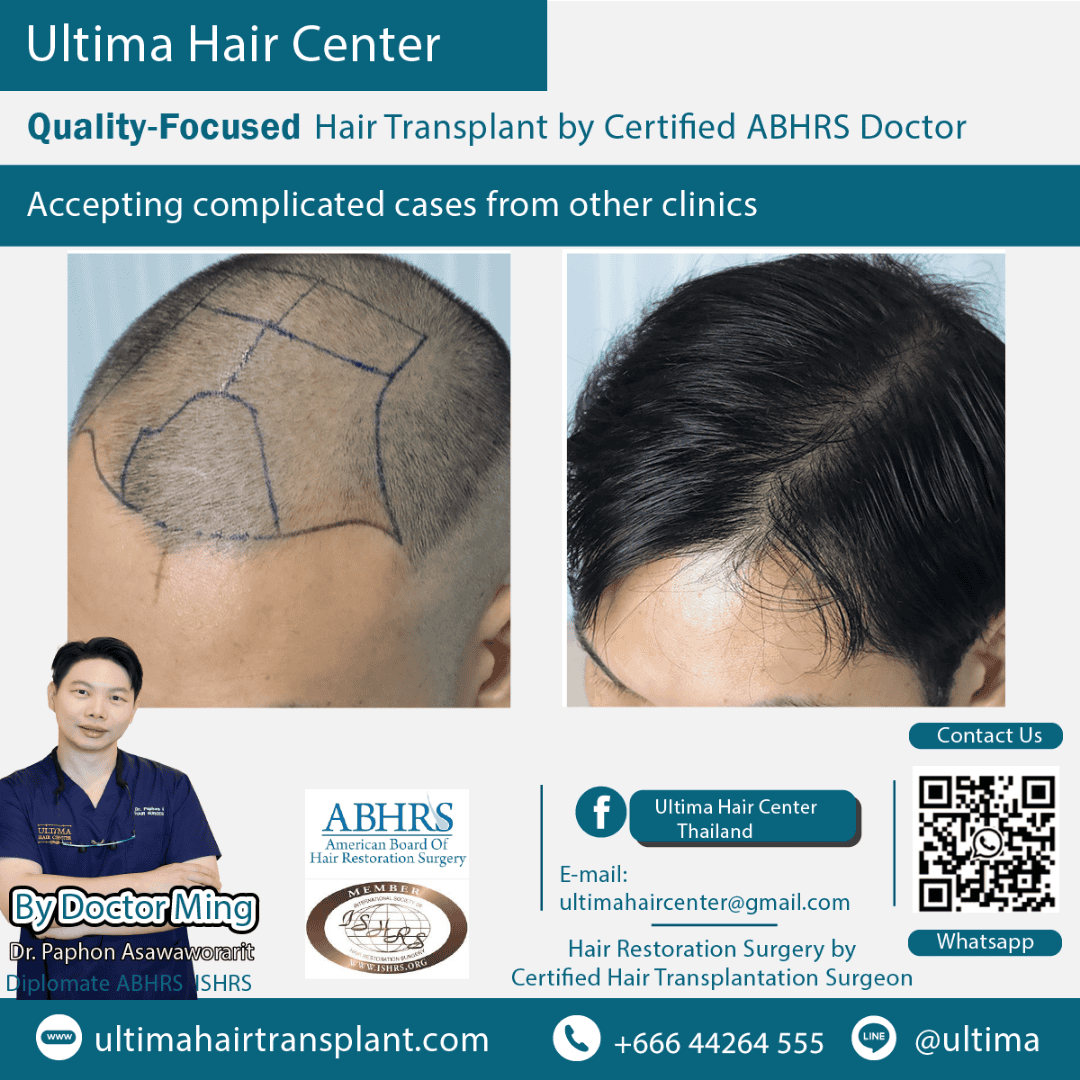 What Should You Look for When Choosing a Hair Transplant Clinic in Bangkok?
If you are searching for a hair transplant clinic in Bangkok, do not base your decision solely on price or the number of grafts offered. Consider the following factors
Check the Physician’s Credentials
Verify the physician’s credentials through the relevant professional organization’s official directory
For those seeking a hair transplant with an American Board-certified ABHRS physician, the ABHRS Physician Directory is a direct source for checking physician information
The ABHRS directory information provided in the source article lists Dr. Paphon Asawaworarit at Ultima Hair Center in Bangkok, with a Verified status and Certification Year 2019
Review Real Patient Results
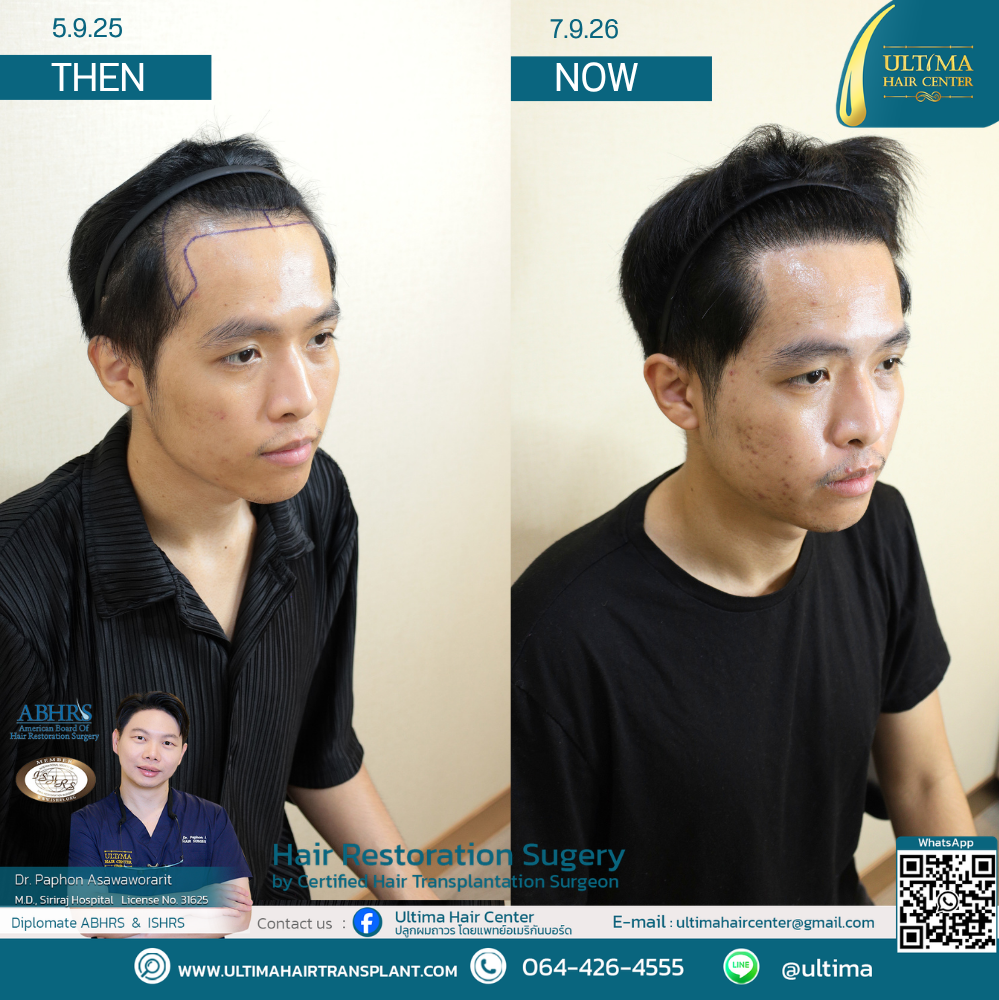
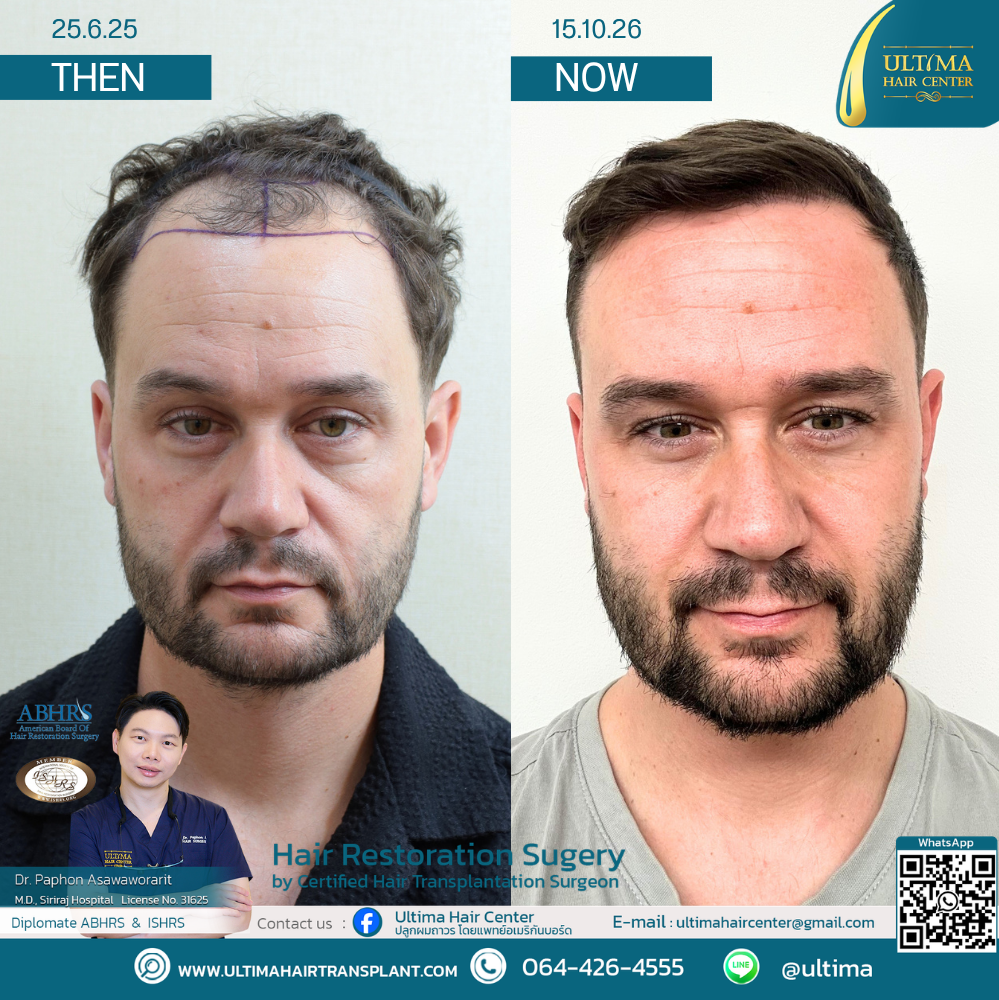
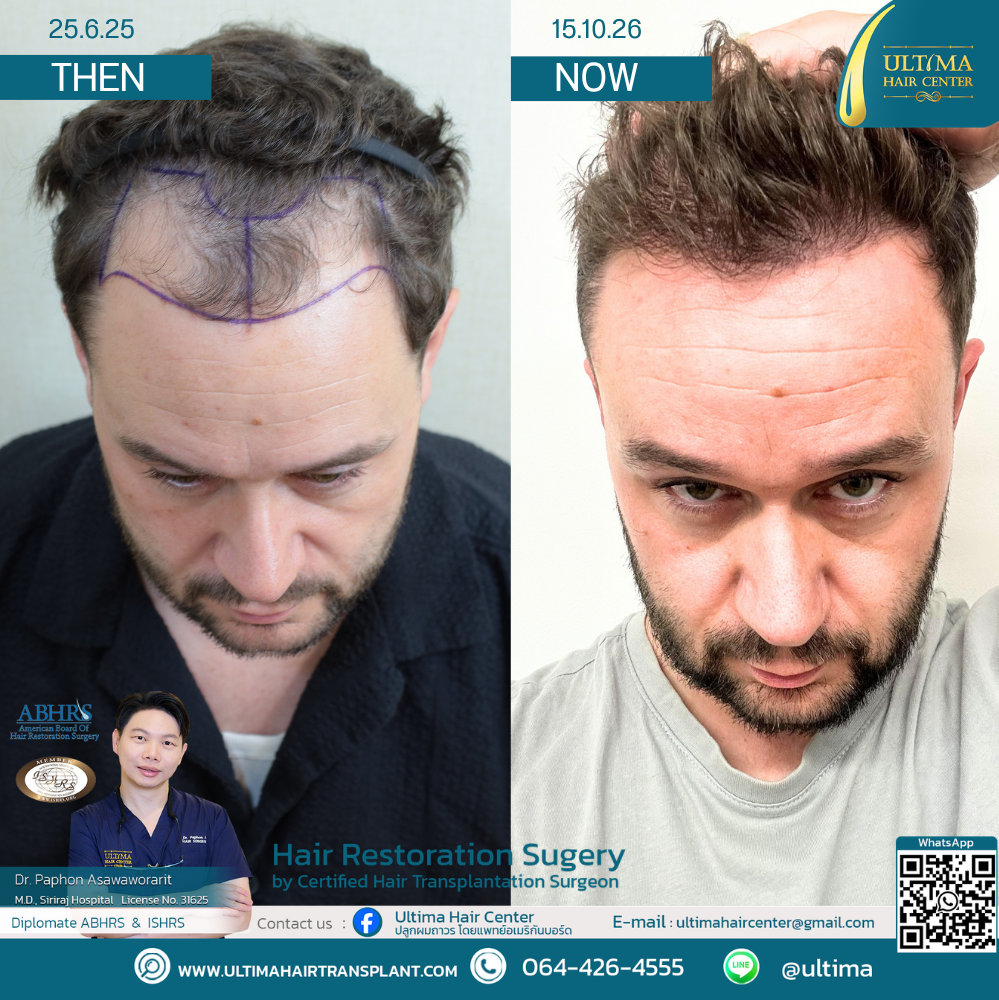
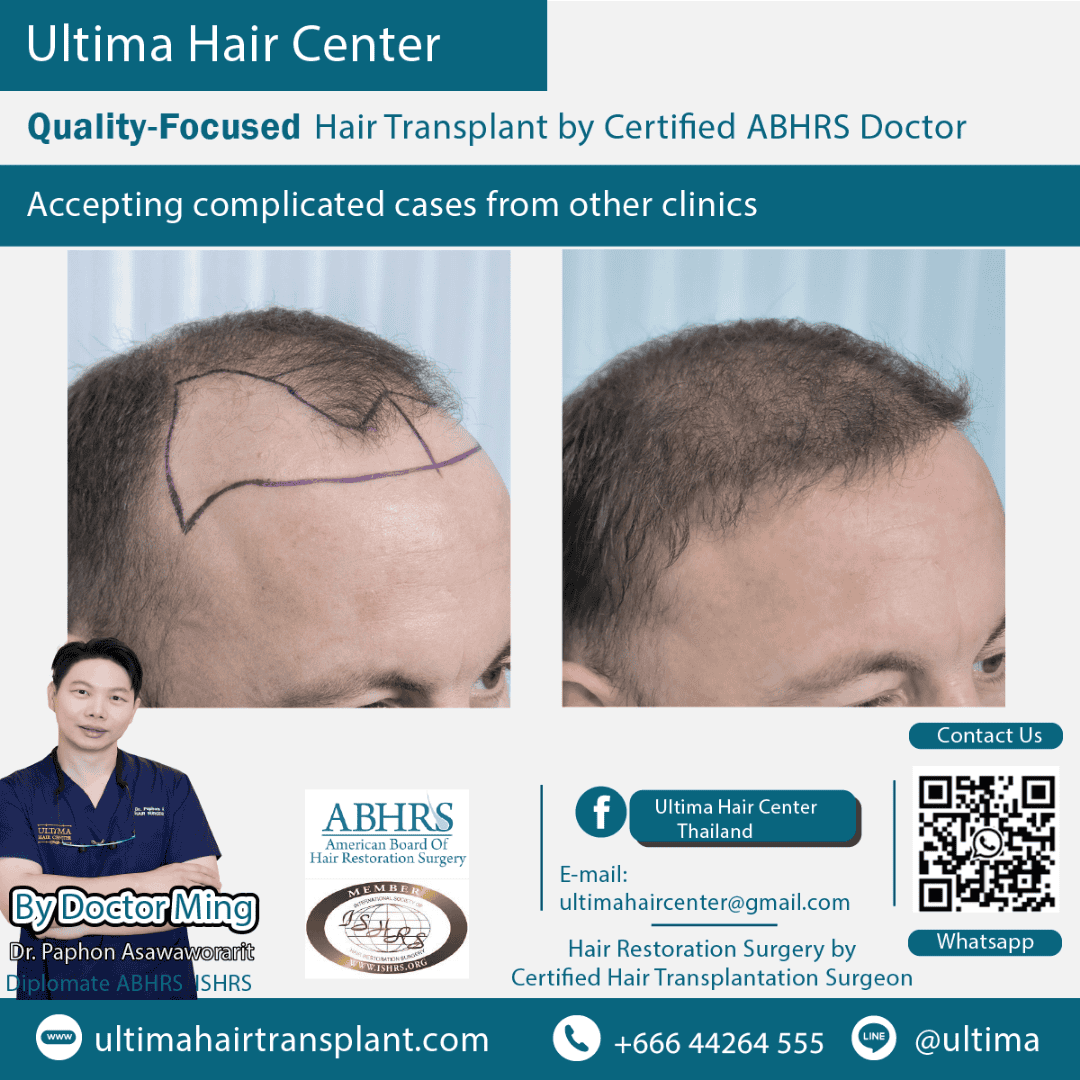
Look for results from patients with concerns similar to your own, and compare before-and-after photographs taken at an appropriate stage of recovery
Check the Follow-Up Process
Hair transplantation does not end on the day of surgery. Follow-up is important for assessing graft growth and monitoring the condition of existing hair
Can You Communicate Directly With the Physician?
If you are concerned about poor hair growth, being able to discuss the situation directly with the physician may help you obtain a more relevant assessment
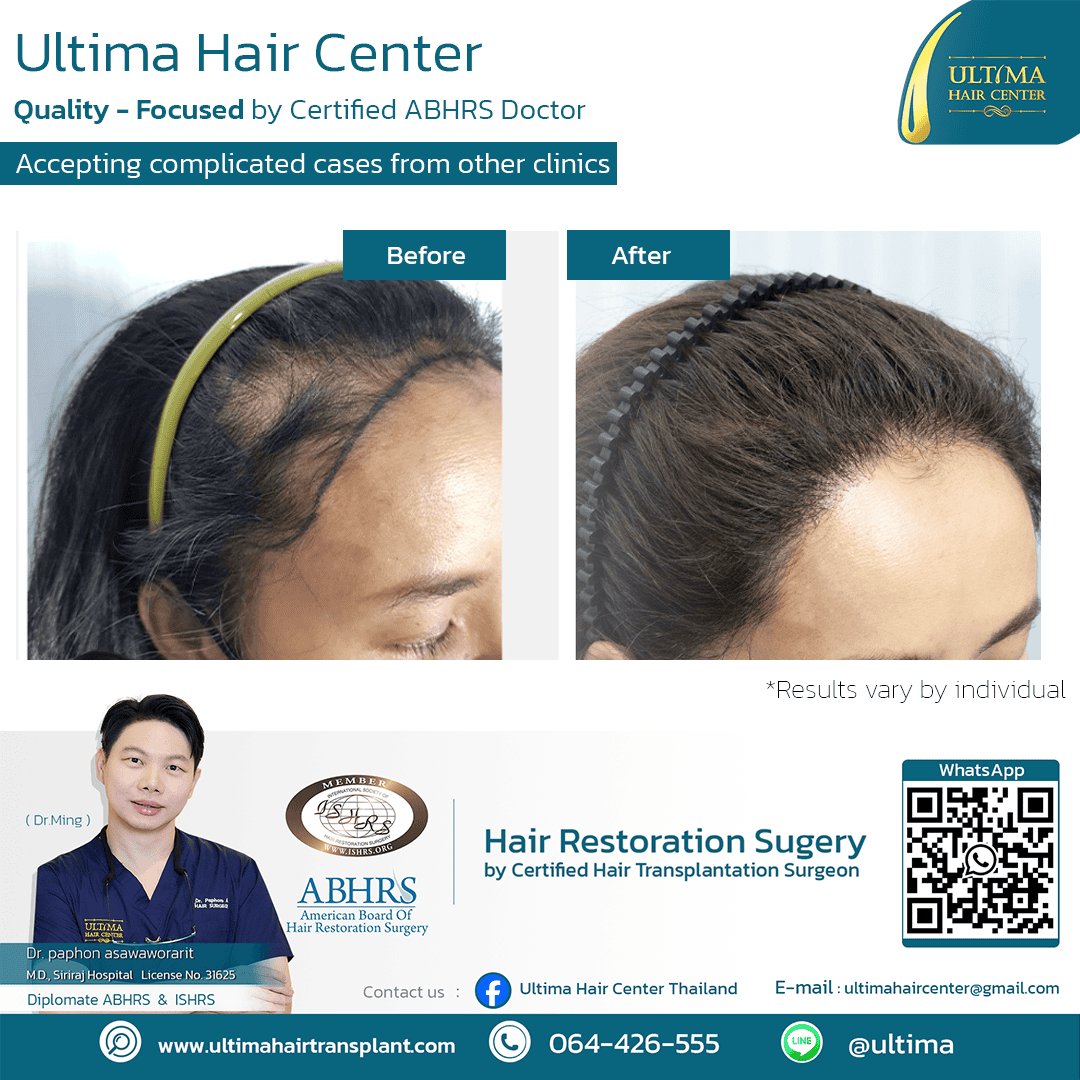 Hair Transplantation at Ultima Hair Center: Understanding the Cause of the Results
Ultima Hair Center emphasizes individualized hair loss assessment and hair transplant planning rather than focusing solely on the number of grafts
This is particularly important for patients who have undergone a previous hair transplant but feel that the results are sparse. The assessment should begin by identifying the cause, which may include insufficient graft numbers, graft damage, continued thinning of native hair, or other contributing factors
The ABHRS Physician Directory information provided in the source article lists Dr. Paphon Asawaworarit at Ultima Hair Center in Bangkok, with a Verified status
For those gathering information before making a decision, you can consult Dr. Ming for free. Dr. Ming personally responds to patient messages, allowing patients to ask the physician directly about their hair concerns and preliminary treatment planning
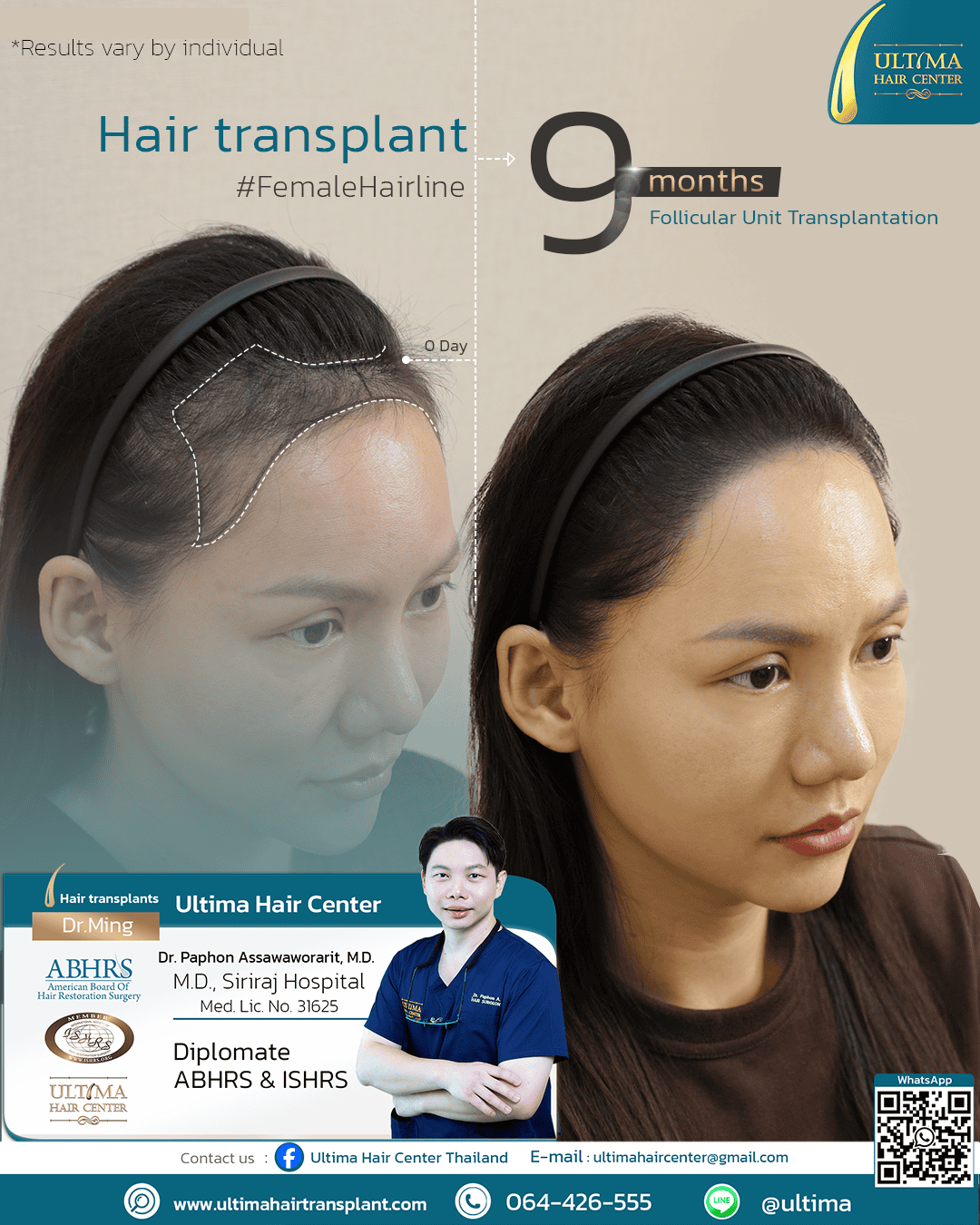 Summary: Why Is Hair Growth Poor After a Hair Transplant?
Poor hair growth after a hair transplant can have several possible causes. It should not immediately be assumed that the grafts have failed to grow
Important factors to consider include:
- Evaluating the results too early
- Transplanted hair being in the resting phase of its growth cycle
- Shock loss of existing hair
- Graft damage during harvesting
- Graft damage during preparation
- Graft dehydration or excessive time outside the body
- Graft injury during placement
- An insufficient number of grafts for the treated area
- Inappropriate planning or density design
- Continued thinning of native hair after transplantation
- Limited Donor hair quality or density
- Scalp disorders or inflammation
- Certain health conditions or lifestyle factors
If you feel that your hair transplant has produced poor growth, the most important steps are not to judge the outcome based on only a few months of recovery and not to rush into another transplant before identifying the cause
The recipient area, Donor area, existing hair, time since surgery, and details of the previous procedure should all be assessed to determine whether the hair is still developing or whether a problem needs to be addressed
The goal of a natural-looking hair transplant is not to use the greatest possible number of grafts. It is to plan appropriately, handle grafts carefully, and assess each patient’s needs individually from the initial consultation through postoperative follow-up
 FAQ: Frequently Asked Questions About Poor Hair Growth After a Hair Transplant
Q1: What causes poor hair growth after a hair transplant?
Possible causes include being in the early stages of growth, graft damage during harvesting or placement, an insufficient number of grafts, continued shedding of native hair, or health and scalp-related factors
Q2: Is it a sign of failure if my hair still looks thin three months after a hair transplant?
Not necessarily. Three months is generally too early to assess the overall result. The transplanted hair is still going through its growth cycle, and continued follow-up is important
Q3: Is it normal for hair to fall out during the early period after a hair transplant?
Transplanted hair may shed during the early period, and surrounding native hair may also experience shock loss. Early shedding does not necessarily mean that the grafts have lost their ability to grow
Q4: What should I do if my hair still looks sparse one year after a hair transplant?
Return to your physician for a detailed assessment of the recipient area, Donor area, existing hair, number of grafts used, and surgical history. The physician can then determine whether additional treatment or transplantation may be appropriate
Q5: Can graft damage during a hair transplant cause poor growth?
Yes. Injury to Follicular Units during harvesting, preparation, storage, or placement may affect their subsequent growth
Q6: Why does my hair still look thin even though the grafts have grown?
Possible reasons include an insufficient number of grafts for the treated area or continued thinning of the surrounding native hair. It does not necessarily mean that the transplanted grafts have failed to grow
Q7: Can I undergo another hair transplant if my first procedure produced poor growth?
In some cases, additional transplantation may be possible. However, the cause of the initial result must be assessed first, along with the remaining Donor area and the area requiring correction
Q8: Does the choice of physician affect hair transplant growth?
Hair transplantation involves several stages of harvesting, graft handling, and placement. Appropriate planning and surgical technique are therefore important for minimizing graft damage and supporting the overall result
Q9: What should I do if my existing hair continues to fall out after a hair transplant?
The cause of ongoing hair loss should be assessed, and appropriate treatment or management of native hair may be considered. A hair transplant does not automatically stop the continued thinning of non-transplanted hair
Q10: Whom should I consult if I am concerned about poor hair growth after a hair transplant?
Consult a physician who can systematically assess the recipient area, Donor area, existing hair, and surgical history to identify possible causes before deciding on further treatment
Contact Us:
Dr. Paphon Asawaworarit (Dr. Ming)
Physician Directory ABHRS
Ultima Hair Center (Thailand Website)
Ulitma Hair Transplant (English Website)
Line: @ultima
E-mail: ultimahaircenter@gmail.com
