

Why Is Proper Hair Transplant Aftercare Important?
A Guide to Hair Transplant Aftercare for Graft Growth and Natural-Looking Results
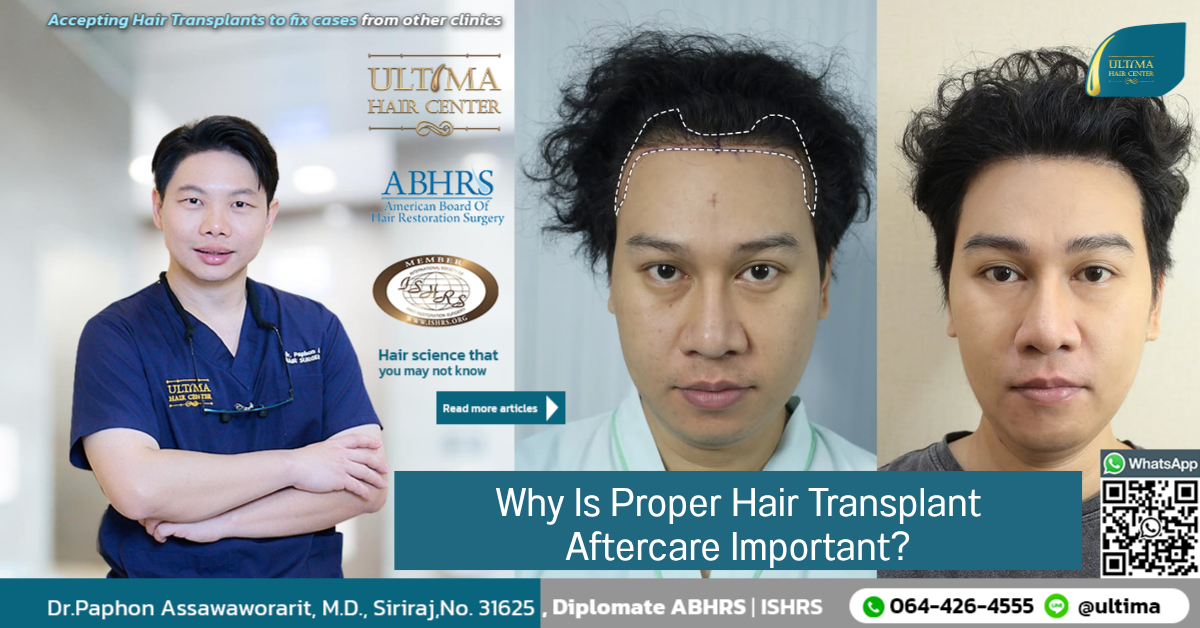
Why Is Proper Hair Transplant Aftercare Important? How to Care for Your Scalp for Better Results
A hair transplant does not end when the procedure is complete. The recovery period is another important stage that involves allowing the scalp to heal and monitoring the growth of the transplanted hair
After hair grafts are harvested from the Donor area and implanted into areas affected by thinning hair or baldness, they need time to adapt to their new environment. During the initial recovery period, the scalp may experience swelling, redness, scabbing, or a feeling of tightness. These can be normal after a hair transplant and do not necessarily mean that the procedure has been unsuccessful
Therefore, hair transplant aftercare aims to protect the transplanted area, reduce the risk of complications, support wound healing, and allow the physician to monitor progress appropriately
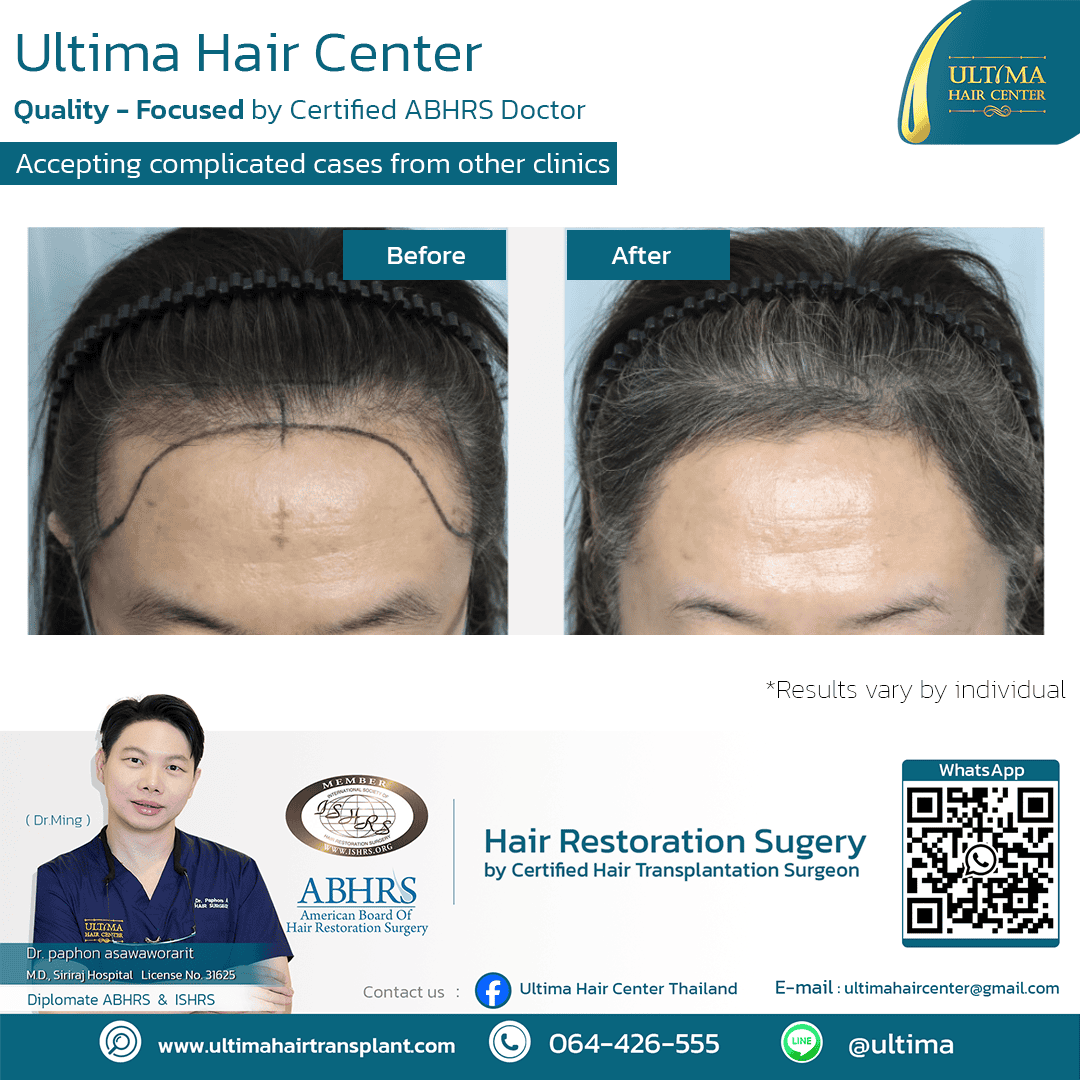 Why Is Hair Transplant Aftercare Important?
Many people focus on choosing between FUE and FUT, deciding how many grafts they need, and designing their hairline. However, they may overlook aftercare, even though the postoperative period requires particular attention
Transplanted hair grafts undergo several stages, including harvesting, preparation, and implantation into the recipient area. Aftercare should therefore minimize unnecessary disturbance to the transplanted area and follow the physician’s instructions
In general, proper hair transplant aftercare aims to:
- Minimize disturbance to the transplanted grafts
- Support scalp recovery
- Manage wounds and scabs appropriately
- Reduce the risk of infection or inflammation
- Prevent accidental actions that could disturb the transplanted area
- Allow hair growth to be monitored systematically
However, good aftercare cannot compensate for every problem that may arise during the surgical procedure. The overall result also depends on diagnosis, planning, graft quantity and quality, surgical technique, and the care provided by the medical team
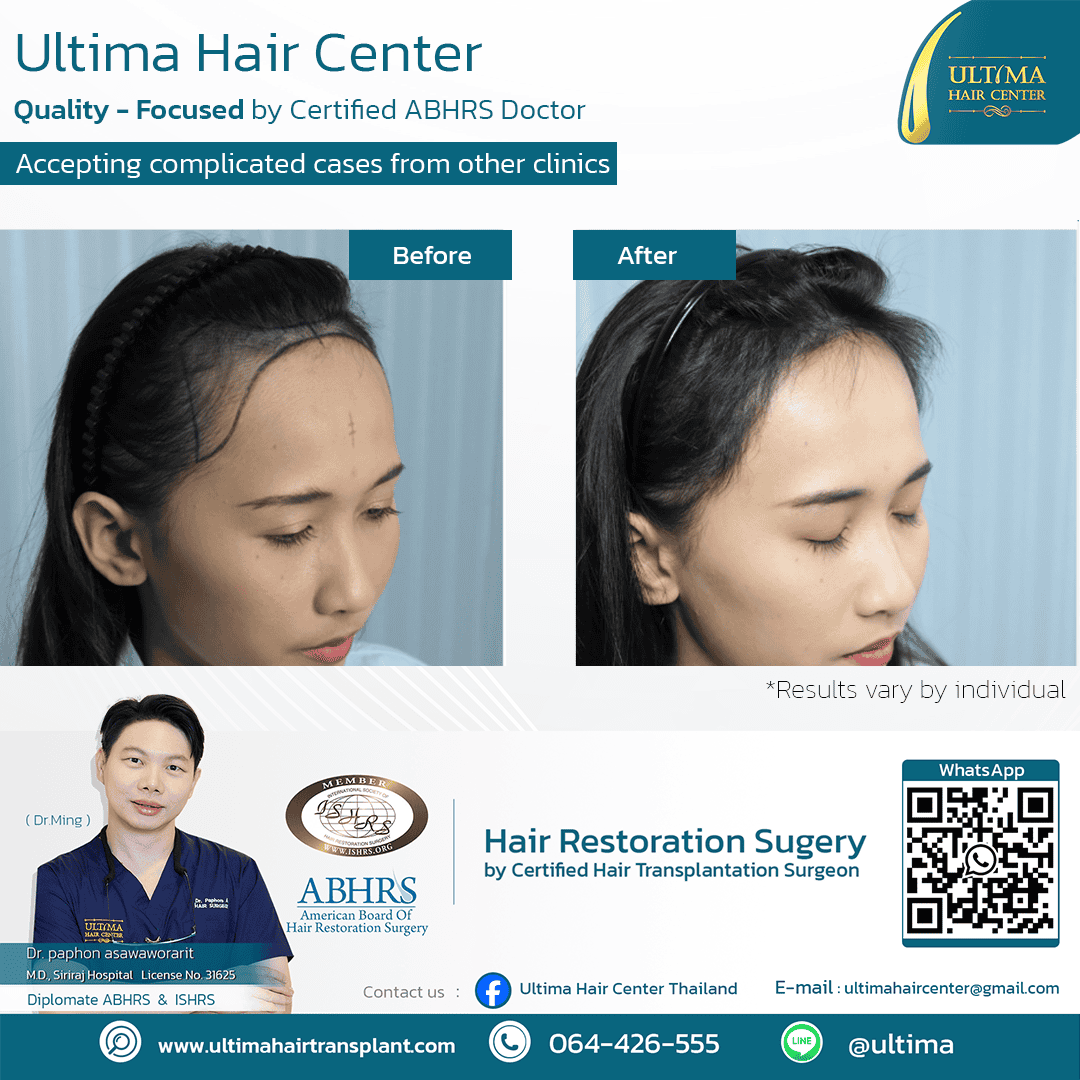 How Should You Care for Your Scalp on the First Day After a Hair Transplant?
The first 24–48 hours require particular care, especially around the transplanted area
The key is to avoid unnecessarily touching, scratching, rubbing, or pressing on the transplanted area. Follow your physician’s specific instructions, as aftercare recommendations may vary depending on the technique used, the number of grafts, the condition of your scalp, and the clinic’s surgical protocol
In some cases, the physician may recommend saline spray or keeping the graft area moist according to a specific schedule. Other patients may receive different instructions. Do not substitute another patient’s aftercare routine for the advice provided by your own treating physician
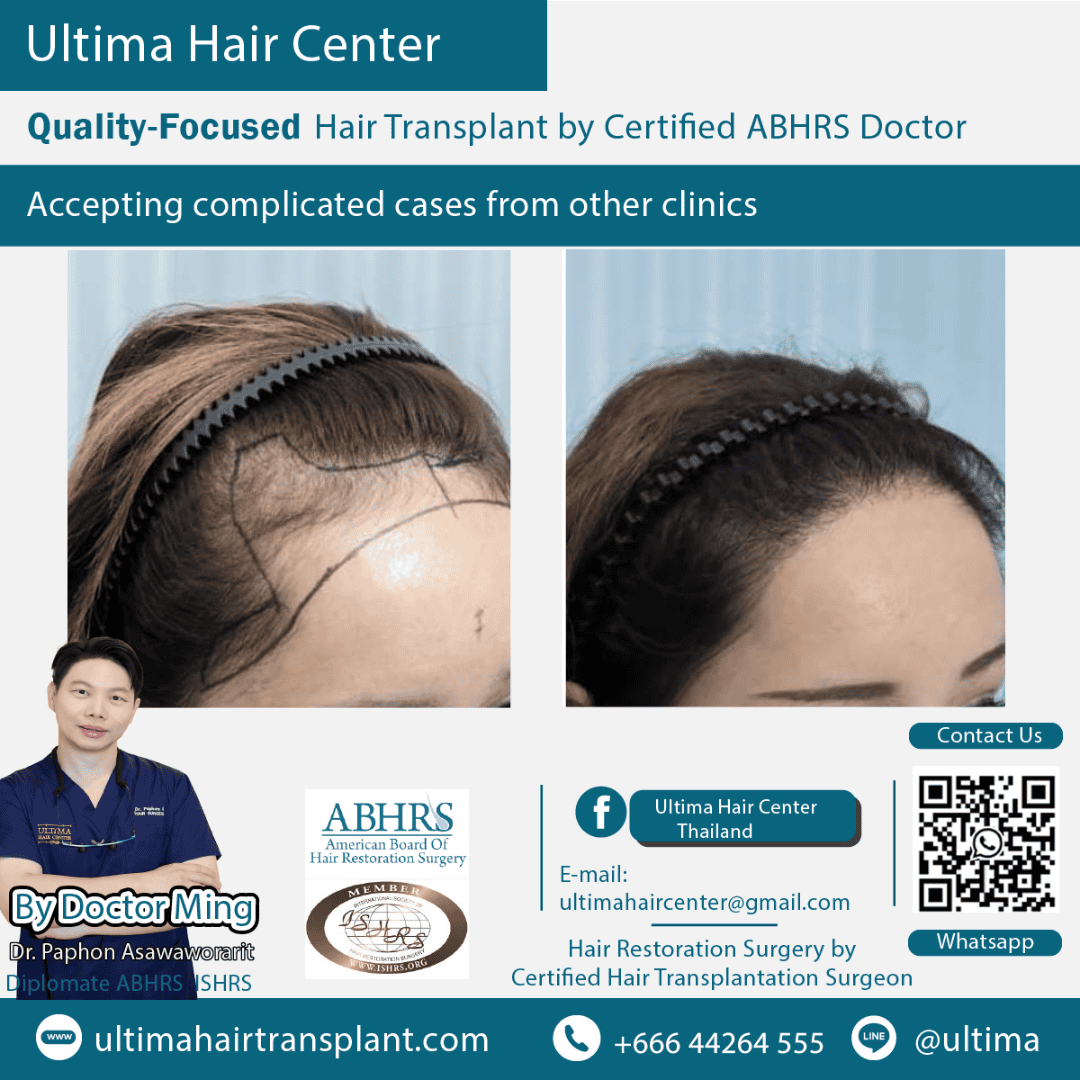 How Should You Sleep After a Hair Transplant?
One of the most frequently asked questions is, “How should I sleep after a hair transplant to avoid damaging the grafts?”
In general, during the initial recovery period, avoid sleeping in a position that places excessive pressure or friction on the transplanted area against your pillow
The recommended sleeping position and the length of time you need to follow these precautions may vary from person to person. Follow the instructions of the physician who performed your hair transplant
During the initial period, try to avoid:
- Sleeping face down
- Pressing the transplanted area against your pillow
- Scratching your scalp while sleeping
- Using pillows or other supports that place excessive pressure on the transplanted area
- Repeated friction around the grafts
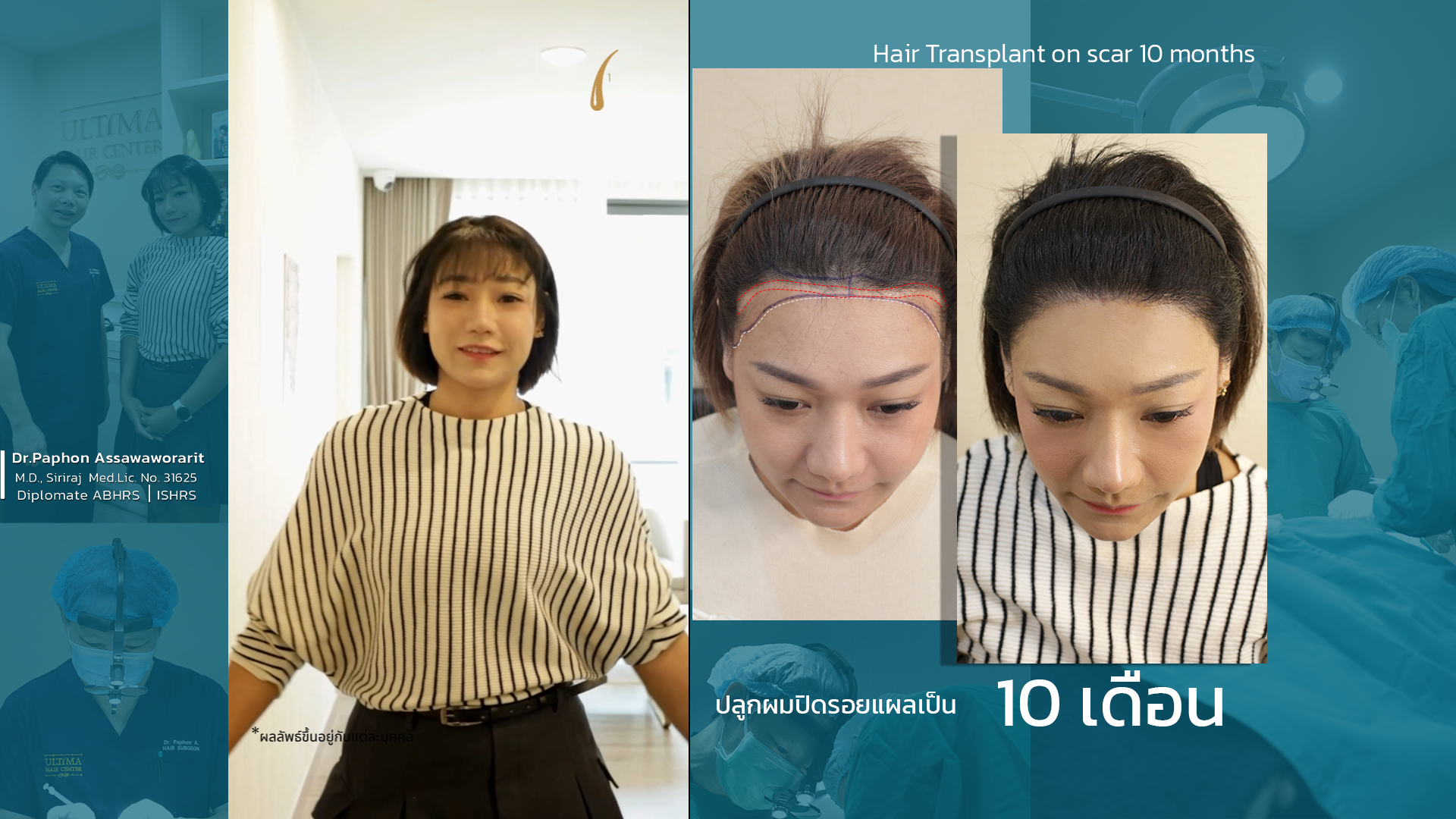
When Can You Wash Your Hair After a Hair Transplant?
Hair washing is a major concern for many patients because they worry that water or washing may dislodge the grafts
In reality, patients should not avoid scalp cleansing for an extended period without a medical reason, as keeping the scalp clean is also important during recovery
The key is that your hair-washing technique must be appropriate for the stage of postoperative recovery
In practice, your physician may specify when to begin washing your hair, how to apply water and shampoo, and how to handle the transplanted area. Follow your clinic’s instructions as the primary guide
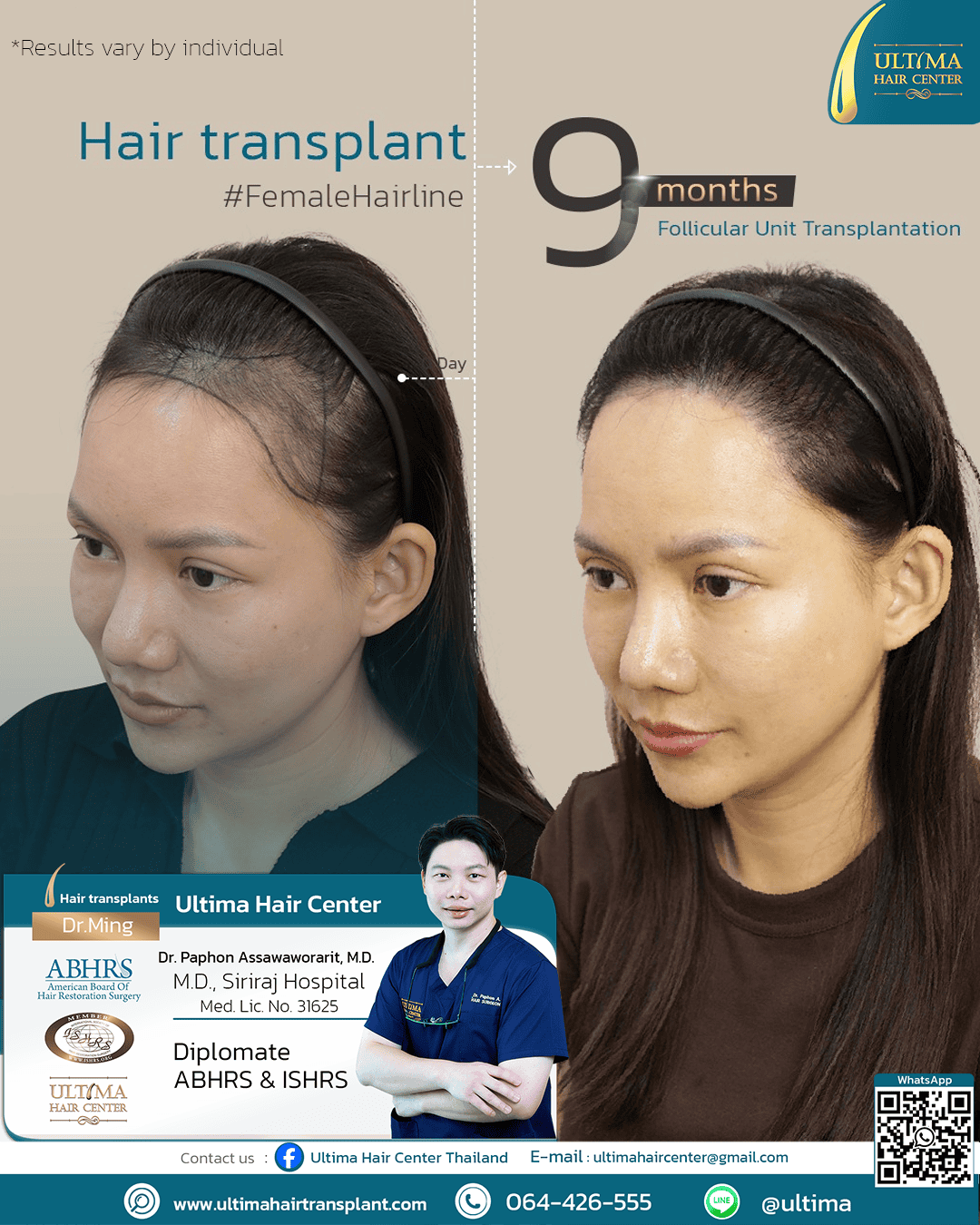 ey Principles for Washing Your Hair After a Hair Transplant
- Use products recommended by your physician
- Avoid vigorous scratching
- Do not scrape your scalp with your fingernails
- Do not rub the graft area forcefully
- Avoid directing a strong water stream straight onto the transplanted area
- Pat or dry the area gently
- Do not pick at scabs by hand
The important point is that the same instructions may not be suitable for every patient, as each hair transplant case can have different requirements
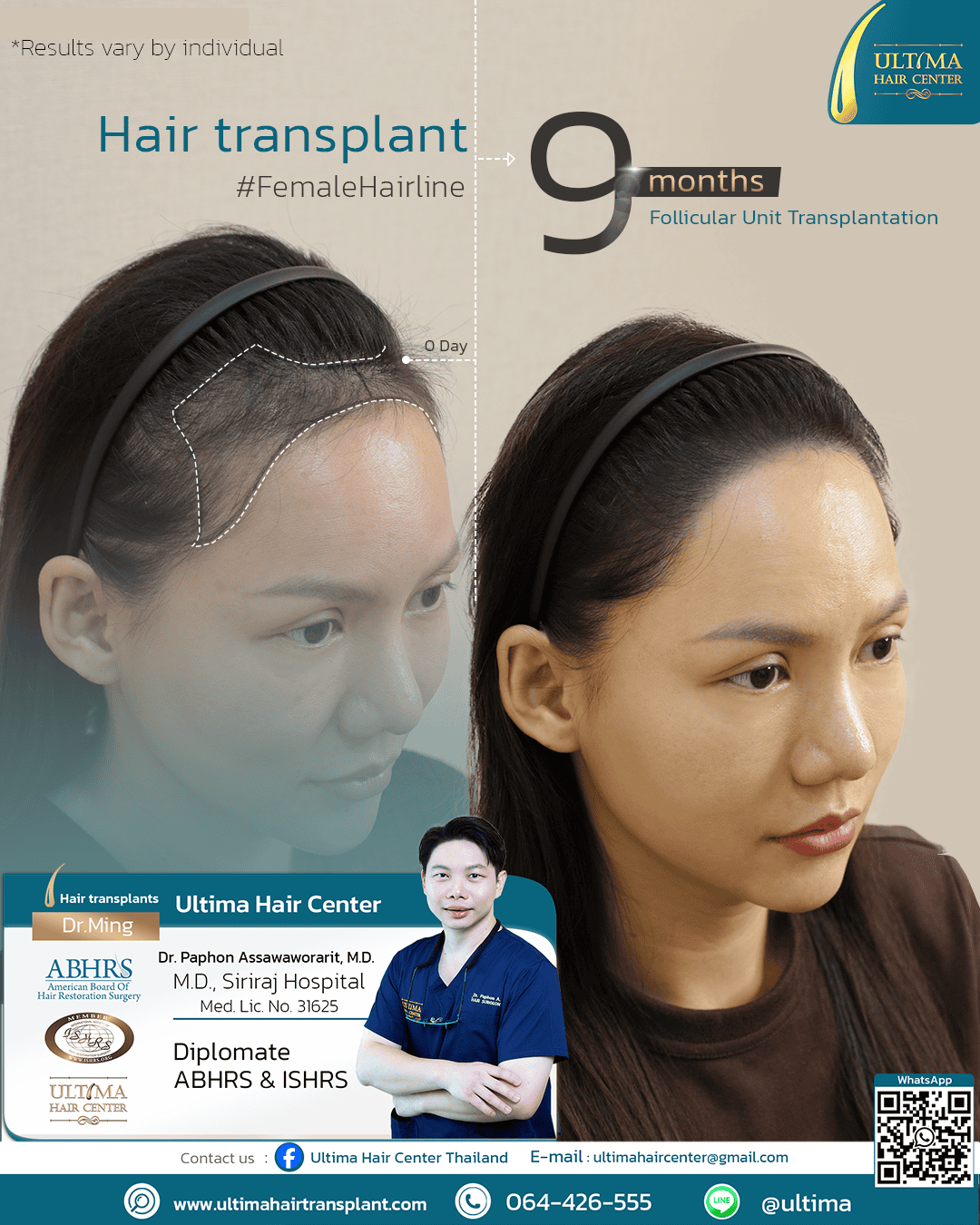 Is Scabbing Normal After a Hair Transplant?
Small scabs may develop around the implanted grafts after a hair transplant. This can be part of the scalp’s normal healing process
Scabs around transplanted grafts are common after surgery and generally fall off gradually over several days to approximately two weeks. The exact timeframe can vary from person to person
The most important rule is not to pick at scabs by hand
Picking or scratching forcefully may irritate the scalp or unnecessarily disturb areas that are still healing
If you develop unusually heavy scabbing, scabs that persist for an extended period, redness, swelling, pain, pus, or other unusual symptoms, contact your physician for an assessment
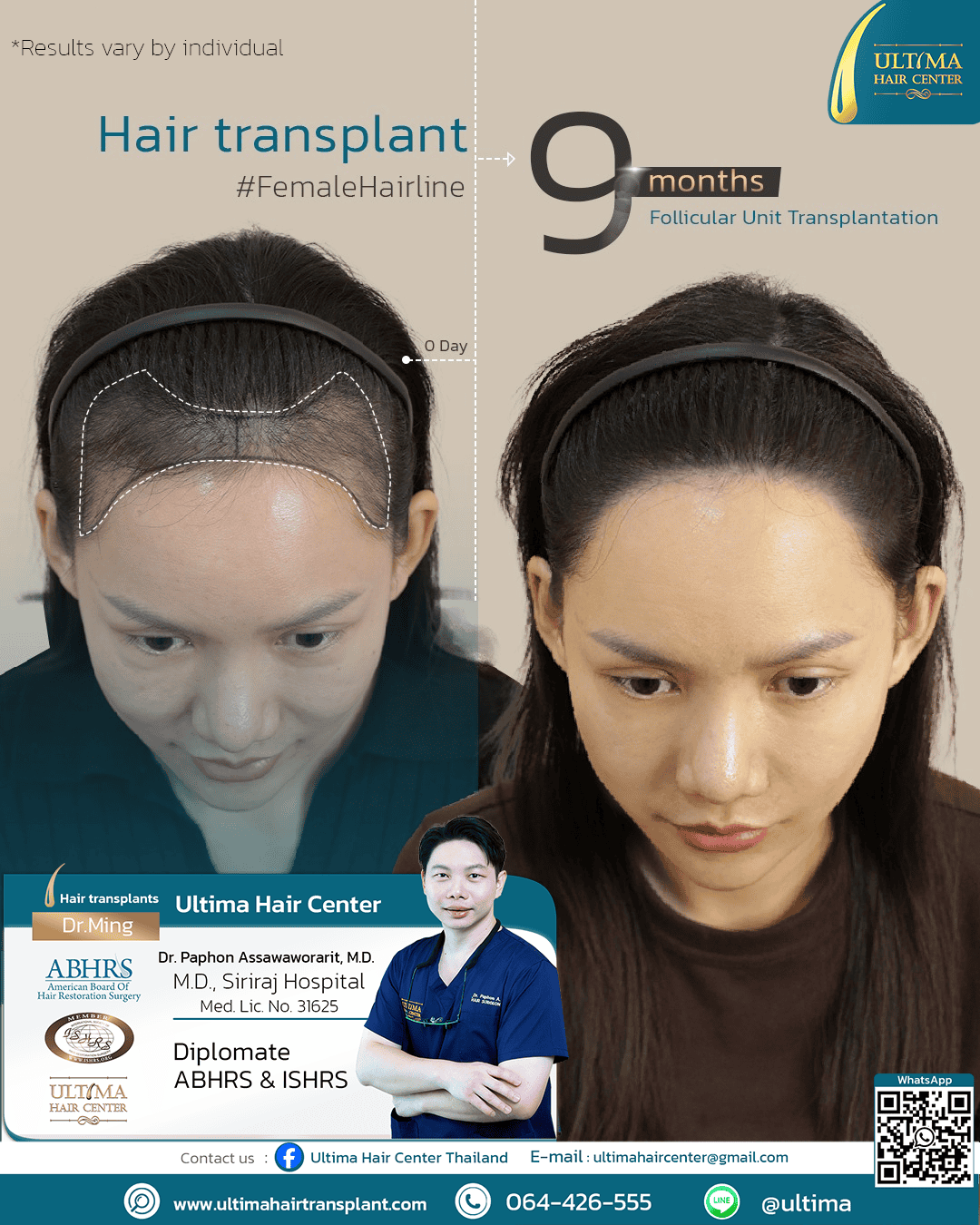 When Can You Exercise After a Hair Transplant?
Exercise requires caution during the early recovery period, particularly activities that are strenuous, cause excessive sweating, or involve a risk of impact to the head
Avoid strenuous exercise during the initial period after a hair transplant. You should also avoid smoking and alcoholic beverages during recovery, in accordance with your physician’s advice
However, the appropriate time to resume exercise should not be based on a single timeframe for everyone. It depends on the hair transplant technique, the number of grafts, scalp condition, and individual recovery
Activities that may require particular caution during the initial period include:
- Running at high intensity
- Weightlifting or strength training
- Contact sports
- Sports that carry a risk of impact to the head
- Activities that cause prolonged or excessive sweating
Ask the physician who performed your hair transplant when it is appropriate to resume each type of activity
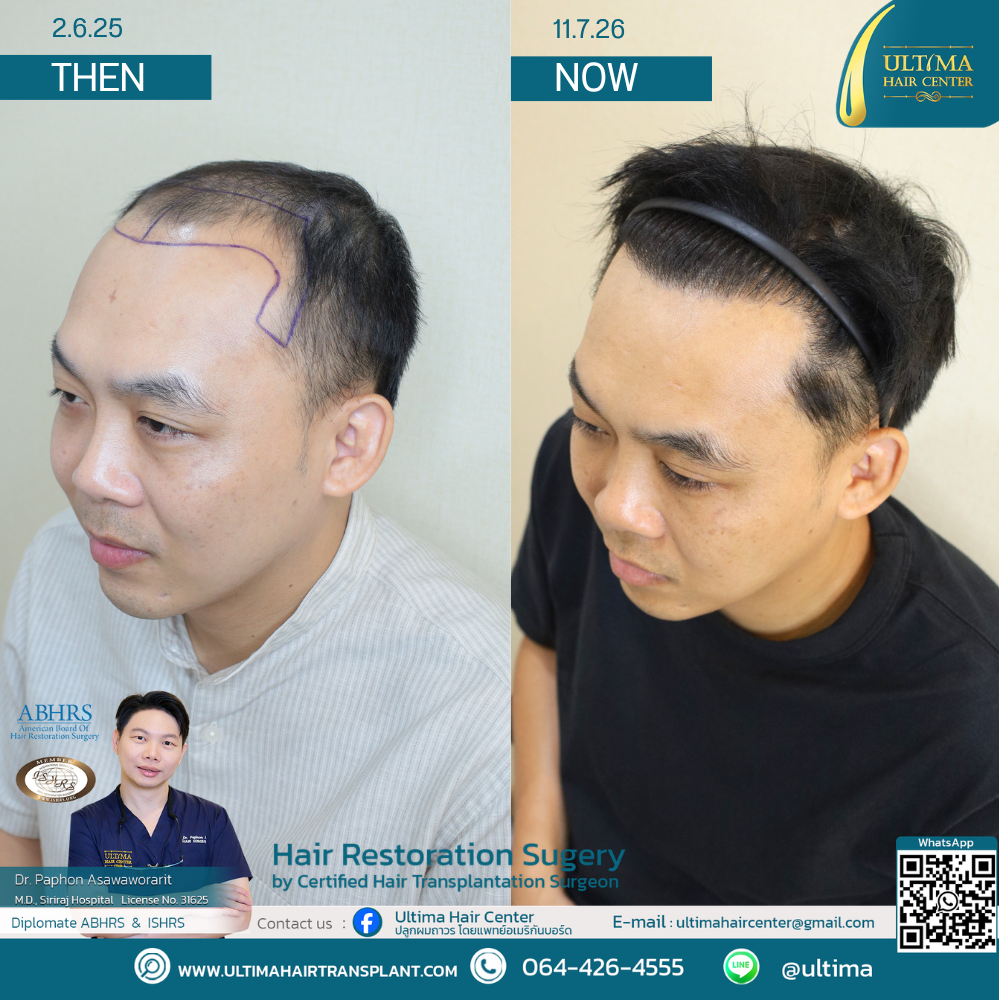 Should You Avoid Sun Exposure After a Hair Transplant?
The scalp may be more sensitive to sunlight and irritation after surgery. It is therefore advisable to avoid prolonged exposure to intense sunlight over the transplanted area during the initial recovery period
People who spend long periods outdoors should consult their physician about suitable protection. Wearing a hat or applying certain products too early may cause friction against the transplanted area
Sun protection after a hair transplant should therefore consider both reducing sun exposure and avoiding pressure or friction on the grafts
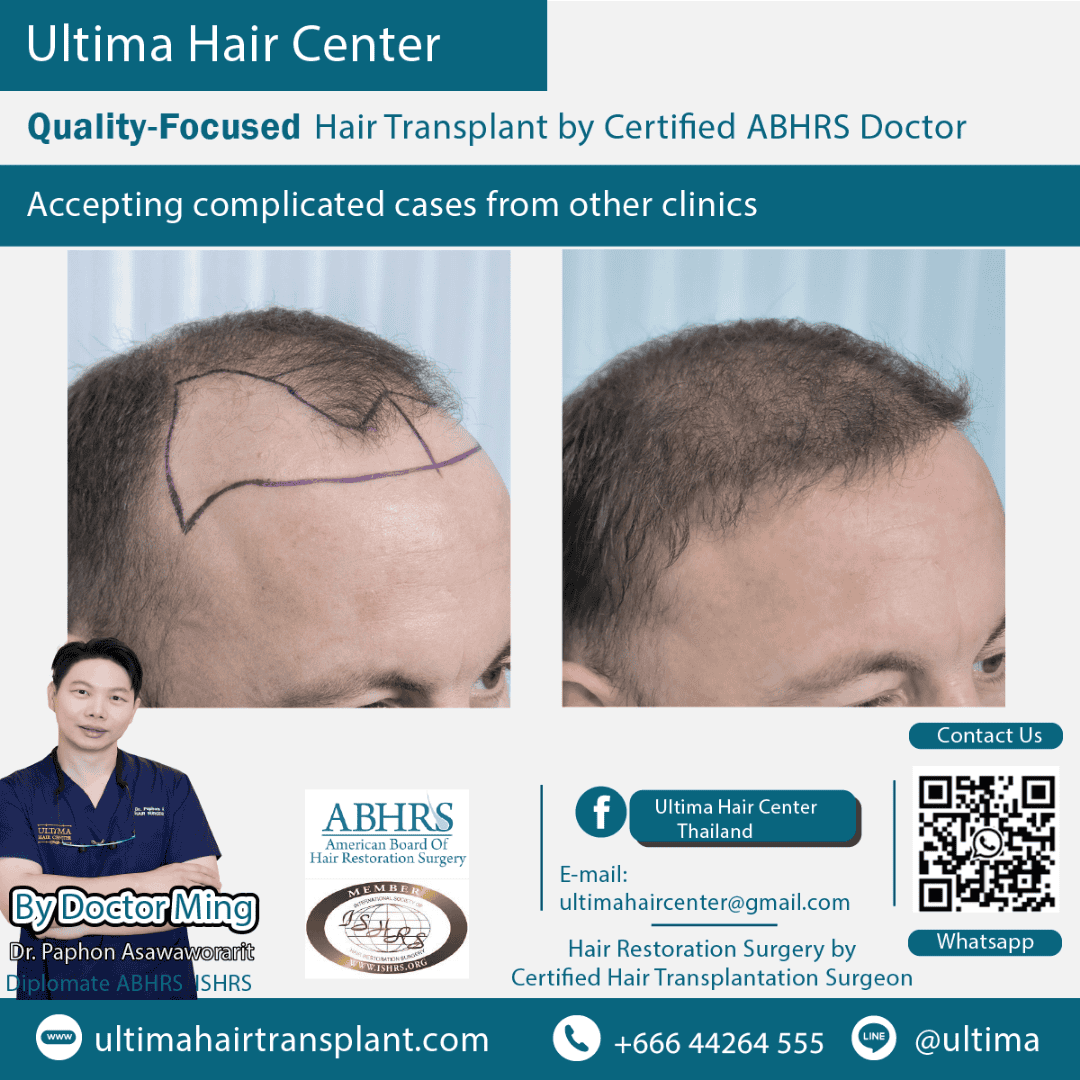 What Medications Should You Take After a Hair Transplant?
After a hair transplant, your physician may prescribe medications or recommend certain products according to your individual needs. These may include pain relievers, anti-inflammatory medication, or other medications when medically indicated
However, not every patient needs the same medication. Do not purchase or take medication on your own simply because another patient has been prescribed it
If you have an underlying medical condition, take regular medication, have a history of drug allergies, or use medication that affects blood clotting, inform your physician before the procedure and follow the medical instructions carefully
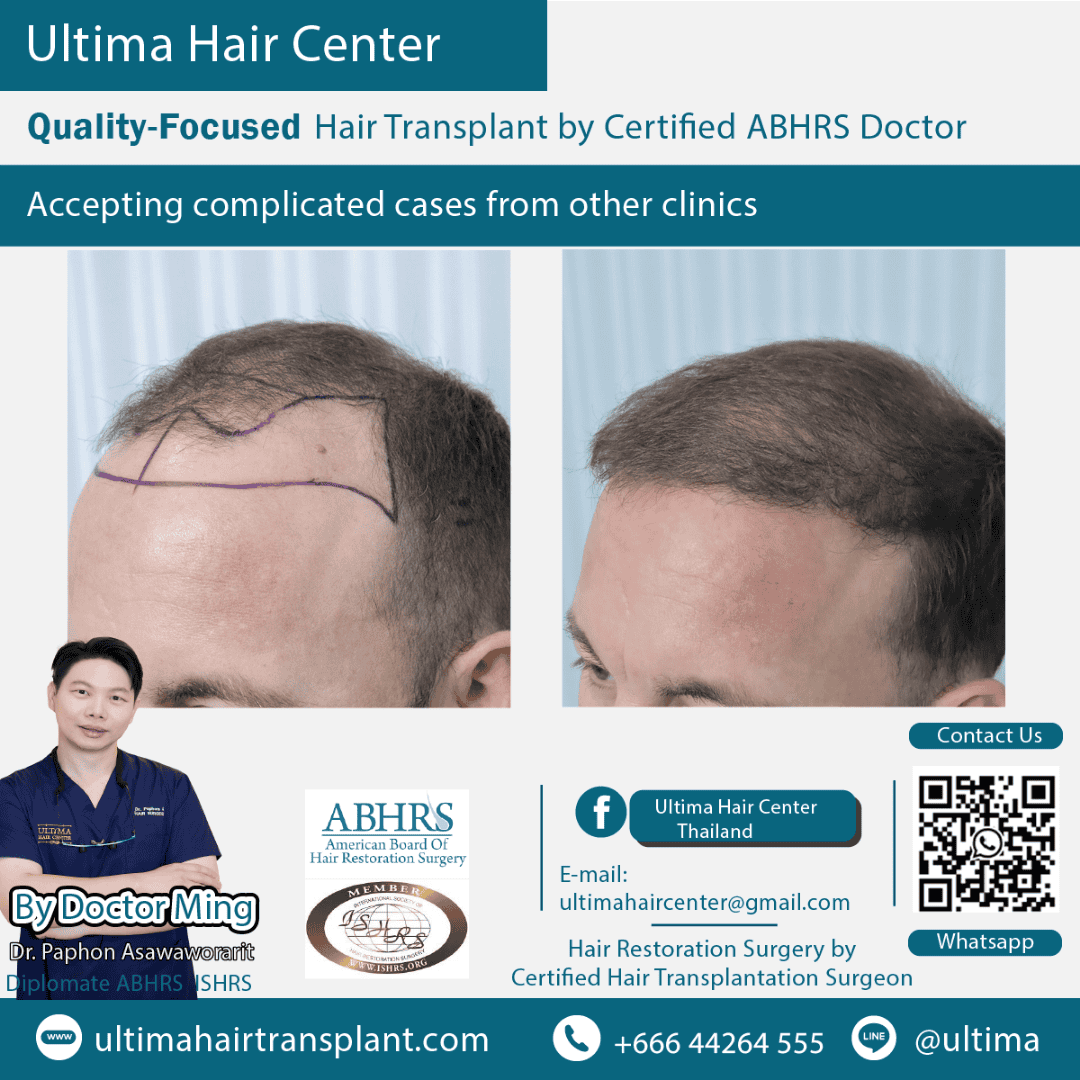 Is It Normal for Transplanted Hair to Fall Out After a Hair Transplant?
Many patients become concerned when they see their transplanted hair beginning to fall out during the early weeks after surgery. They may assume that the grafts have been dislodged or that the transplant has failed
However, the visible hair shafts may shed during the early period after transplantation. The hair roots can remain beneath the skin and enter a resting phase before producing new hair
Transplanted hair may shed during the initial period and then enter a resting phase of approximately 10–14 weeks before new growth begins
Therefore, you should not judge the outcome solely by the appearance of the transplanted hair during the first few weeks
Long-term follow-up is more important
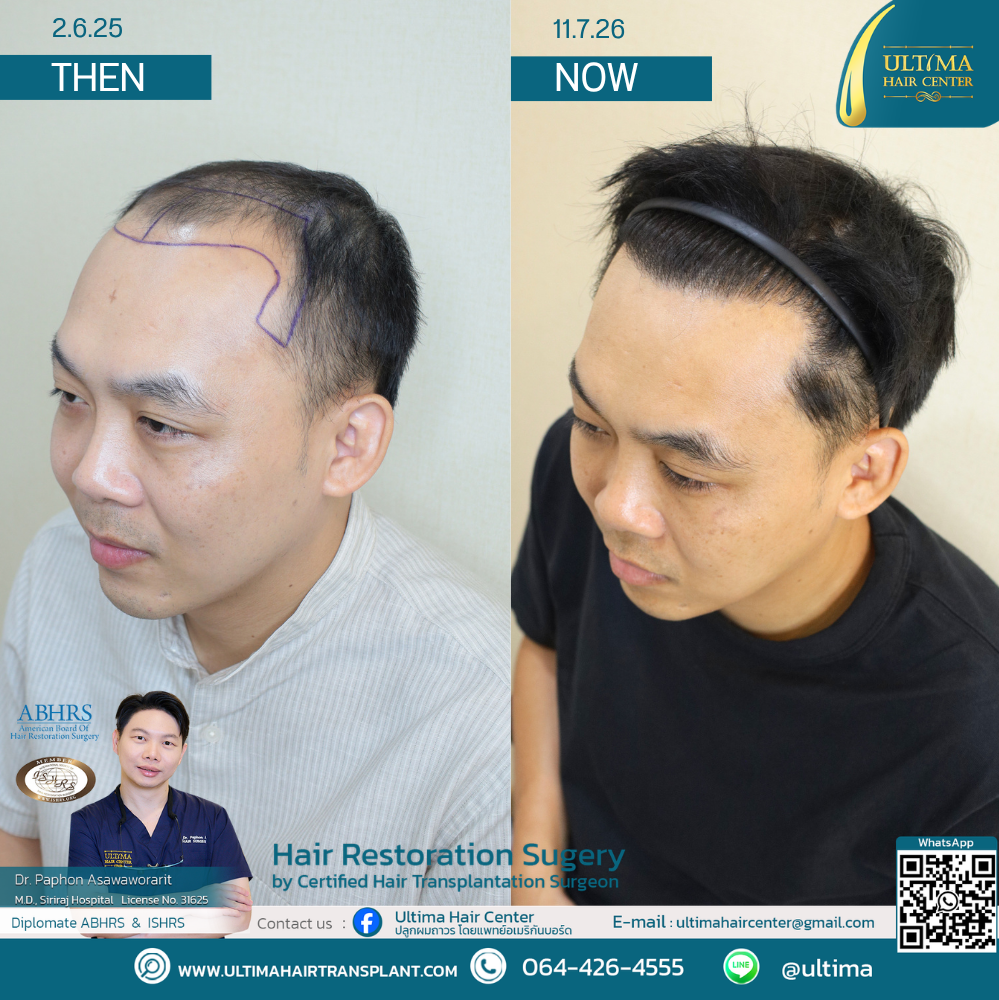 How Long Does It Take to See Results After a Hair Transplant?
A hair transplant takes time to produce visible results. It does not provide a full result immediately after the procedure
During the initial period, patients may experience swelling, redness, scabbing, and shedding of the transplanted hair. The hair then enters a resting phase before new growth gradually begins
The International Society of Hair Restoration Surgery (ISHRS) explains that hair growth after transplantation varies from person to person and may take several months before the results become clearly visible
Results should therefore be assessed at appropriate intervals rather than judged solely by the early appearance of the scalp
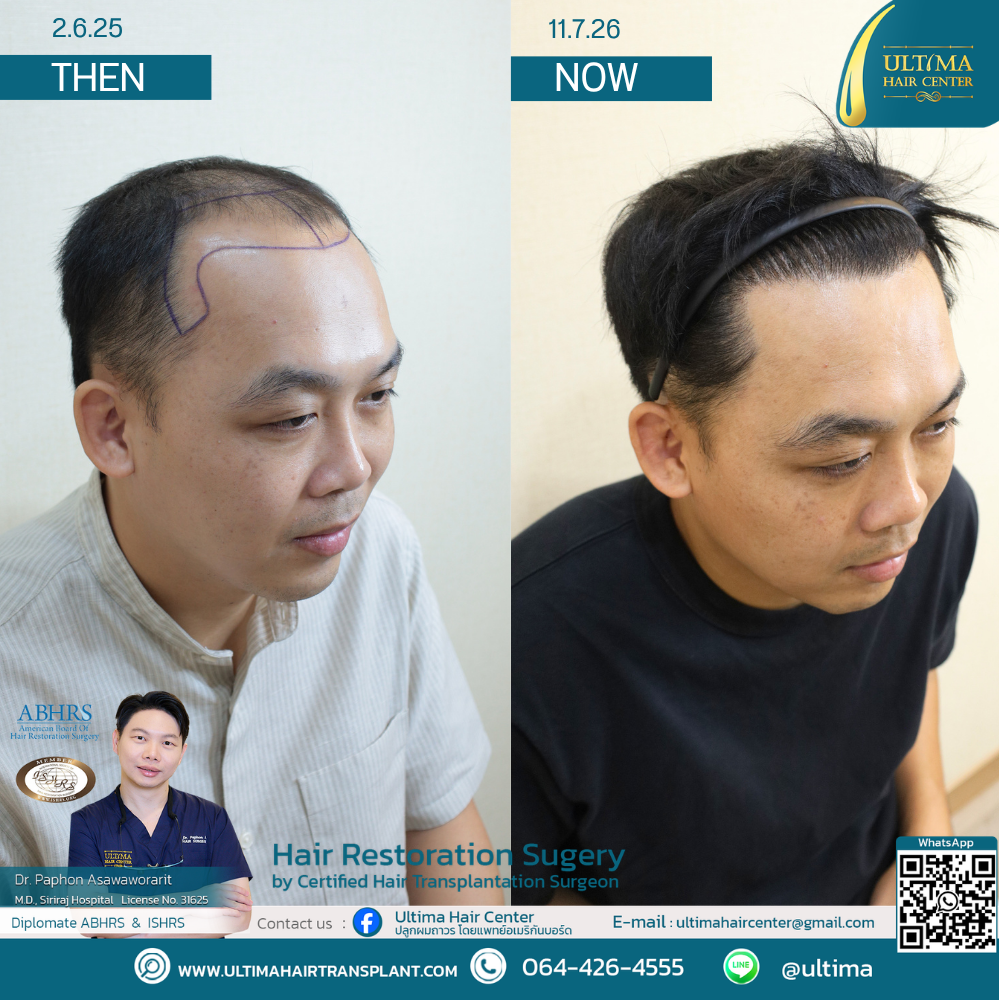 How Does Proper Aftercare Help Achieve Natural-Looking Hair Transplant Results?
Natural-looking hair transplant results do not depend on postoperative care alone
Important factors before surgery include:
- Analyzing the pattern of hair loss
- Assessing the Donor area
- Determining an appropriate number of grafts
- Designing the hairline
- Selecting grafts of suitable size and characteristics
- Determining the direction and angle of hair growth
- Planning for future changes in hair loss
Postoperative care helps the transplanted area recover appropriately and reduces behaviors that could disturb the grafts
Therefore, if your goal is a natural-looking hair transplant, attention should be given to the entire process, from preoperative planning to aftercare and follow-up
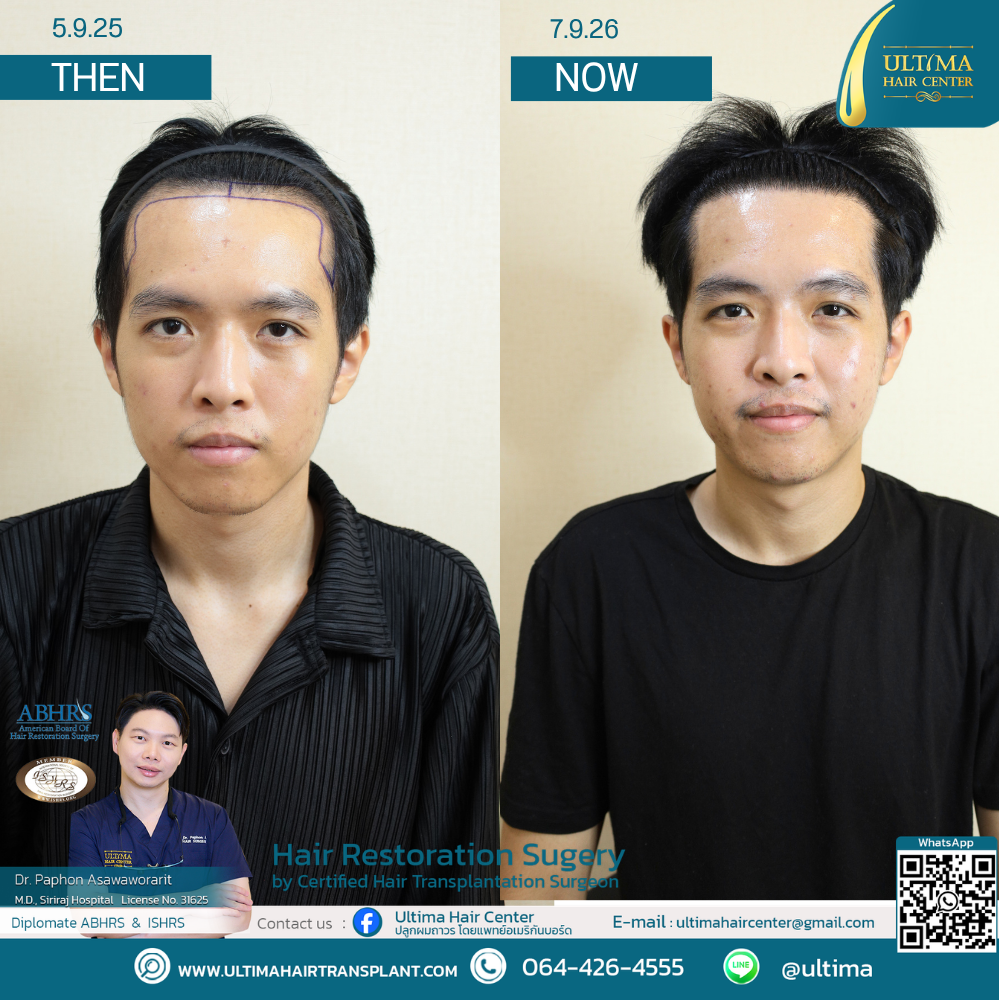 When Should You Contact Your Physician After a Hair Transplant?
Some symptoms can occur normally after a hair transplant. However, you should contact your treating physician if you experience unusual symptoms
Examples of symptoms that should be reported include:
- Heavy bleeding or bleeding that does not stop
- Unusually increasing pain
- Excessive swelling or swelling that continues to worsen
- Pus or unusual discharge
- Fever
- Severe redness or inflammation of the scalp
- Wounds that appear abnormal
- Any symptom that differs from the instructions or expectations explained to you
The International Society of Hair Restoration Surgery (ISHRS) emphasizes the importance of communication between patients and physicians after surgery so that concerns can be assessed and appropriate guidance provided
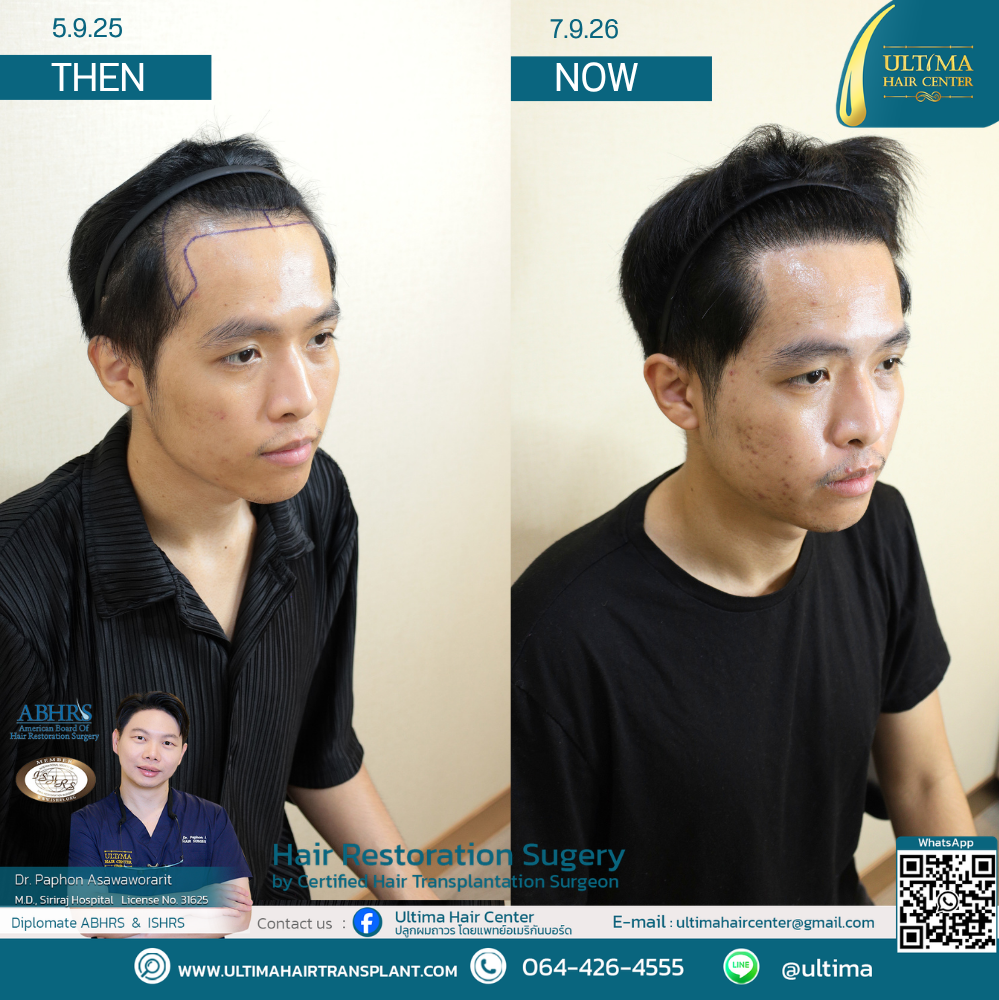 Why Is Postoperative Medical Follow-Up Important After a Hair Transplant?
Hair transplantation is a medical procedure, and care should not end when the patient leaves the operating room
Patients should understand what to expect at each stage of recovery and whom to contact if something unusual occurs
At Ultima Hair Center, we value communication between physicians and patients both before and after a hair transplant. A good hair transplant should involve more than the day of the procedure; it should include appropriate planning and ongoing follow-up
When choosing a clinic, the decision should not be based solely on price comparisons. Patients should also consider whether the physician can clearly explain the procedure and aftercare instructions, and whether they can genuinely contact the treating team if questions arise after surgery
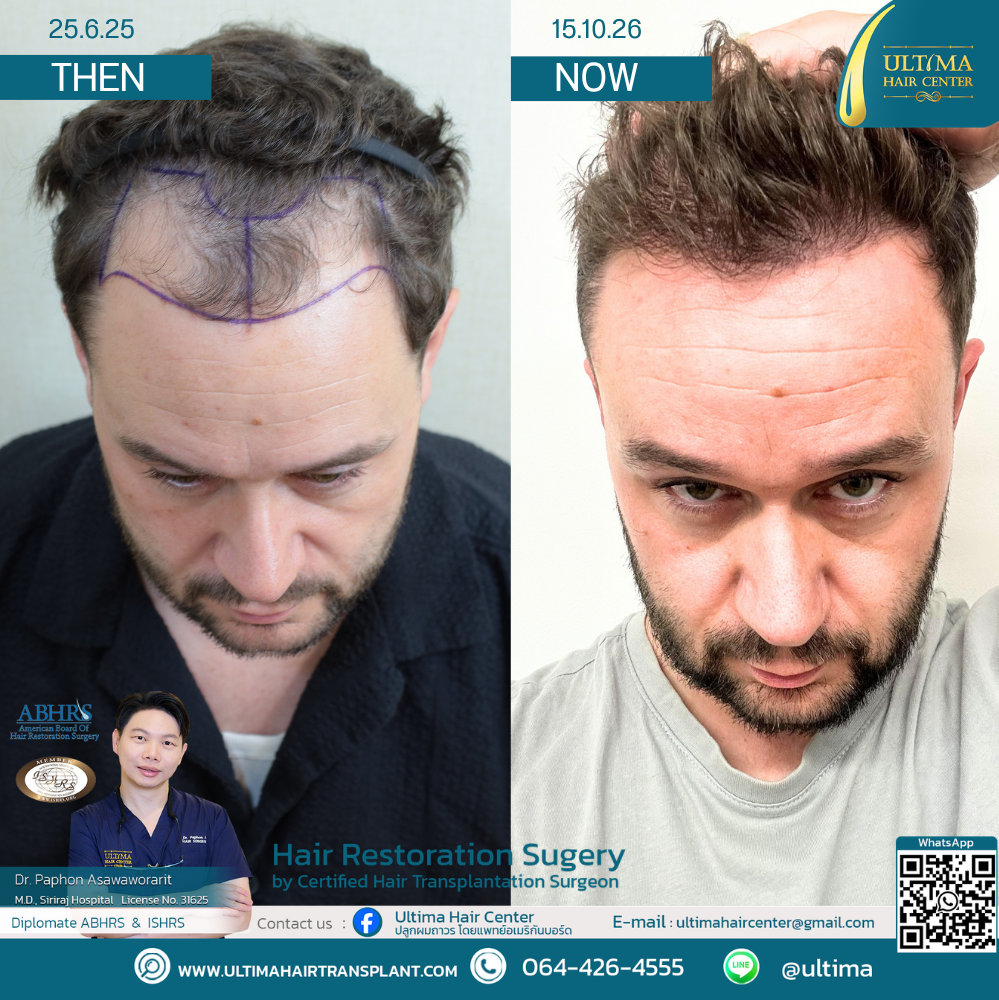 How to Choose a Hair Transplant Clinic That Prioritizes Postoperative Care
If you are looking for a hair transplant clinic in Bangkok, consider more than whether the clinic offers FUE or FUT or how many grafts are included
Here are some questions to ask before making a decision
1. Does the Physician Assess Your Condition and Plan the Procedure?
Hair transplant planning should take into account the pattern of hair loss, the Donor area, hairline design, and long-term goals. The number of grafts should not be determined by price alone
2. Are the Postoperative Instructions Clear?
Patients should understand how to wash their hair, how to sleep, when to exercise, and when to return for follow-up appointments
3. Can You Contact the Physician if You Have Questions?
Questions may arise at different stages after a hair transplant, including concerns about scabs, swelling, hair shedding, and everyday care
Having a way to contact the physician or treating team is therefore important
4. Does the Clinic Provide Follow-Up After the Hair Transplant?
Results should be assessed at appropriate intervals rather than only during the first few weeks after surgery
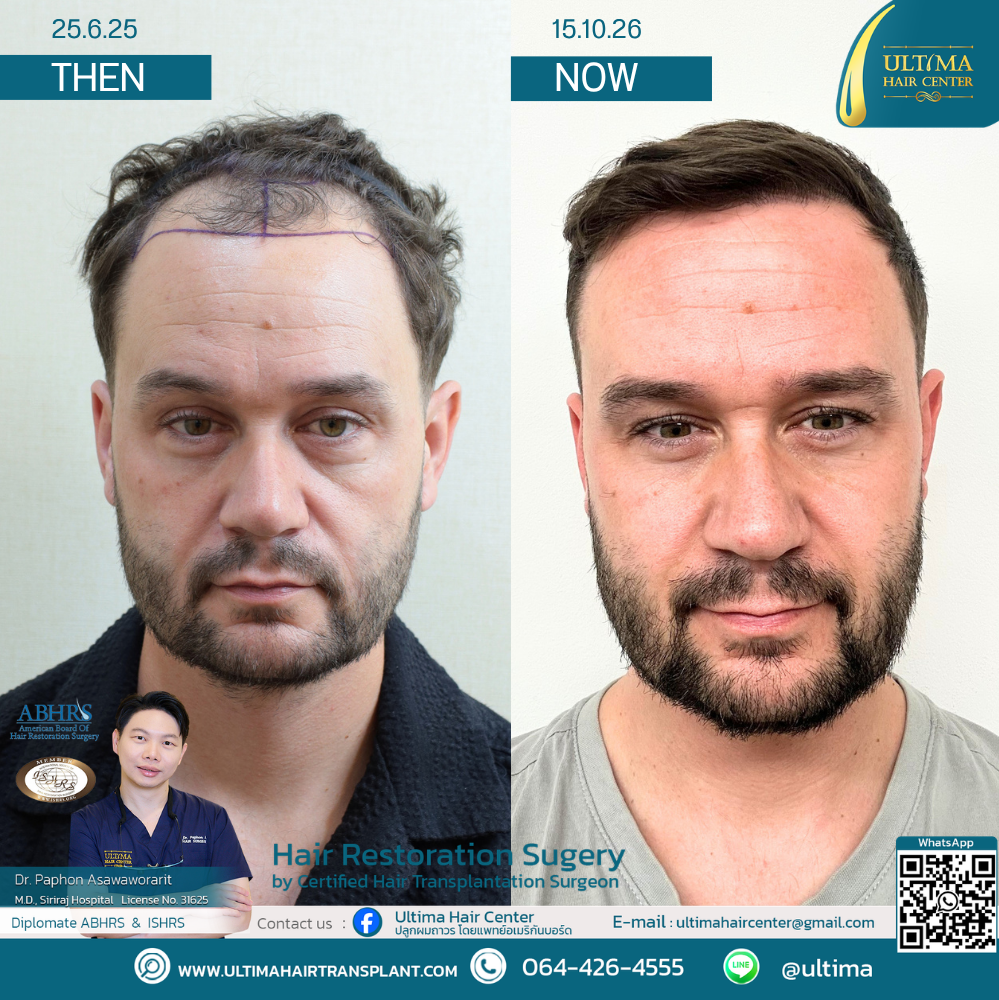 Why Does Ultima Hair Center Prioritize Hair Transplant Aftercare?
The philosophy of Ultima Hair Center is to provide quality-focused hair transplantation, emphasizing planning and patient care before, during, and after the procedure
The treating physician is Dr. Paphon Asawaworarit, whose name appears in the Physician Directory of the American Board of Hair Restoration Surgery (ABHRS). The profile provided for the physician lists the status as Verified, Ultima Hair Center, and the certification year as 2019
For those seeking a hair transplant with an American Board-certified ABHRS physician, physician information can be checked directly through the ABHRS directory
Another principle we value is direct communication with patients. Dr. Ming personally responds to patient messages, allowing people who are considering a hair transplant to ask questions about hair loss, treatment planning, and postoperative care before making a decision
If you are interested, you can consult Dr. Ming for free to discuss your concerns and explore an approach suited to your individual needs
We believe that quality-focused hair transplantation should mean more than implanting a large number of grafts. It should begin with careful assessment and planning, continue with an appropriate choice of technique and careful management during surgery, and include proper aftercare and follow-up
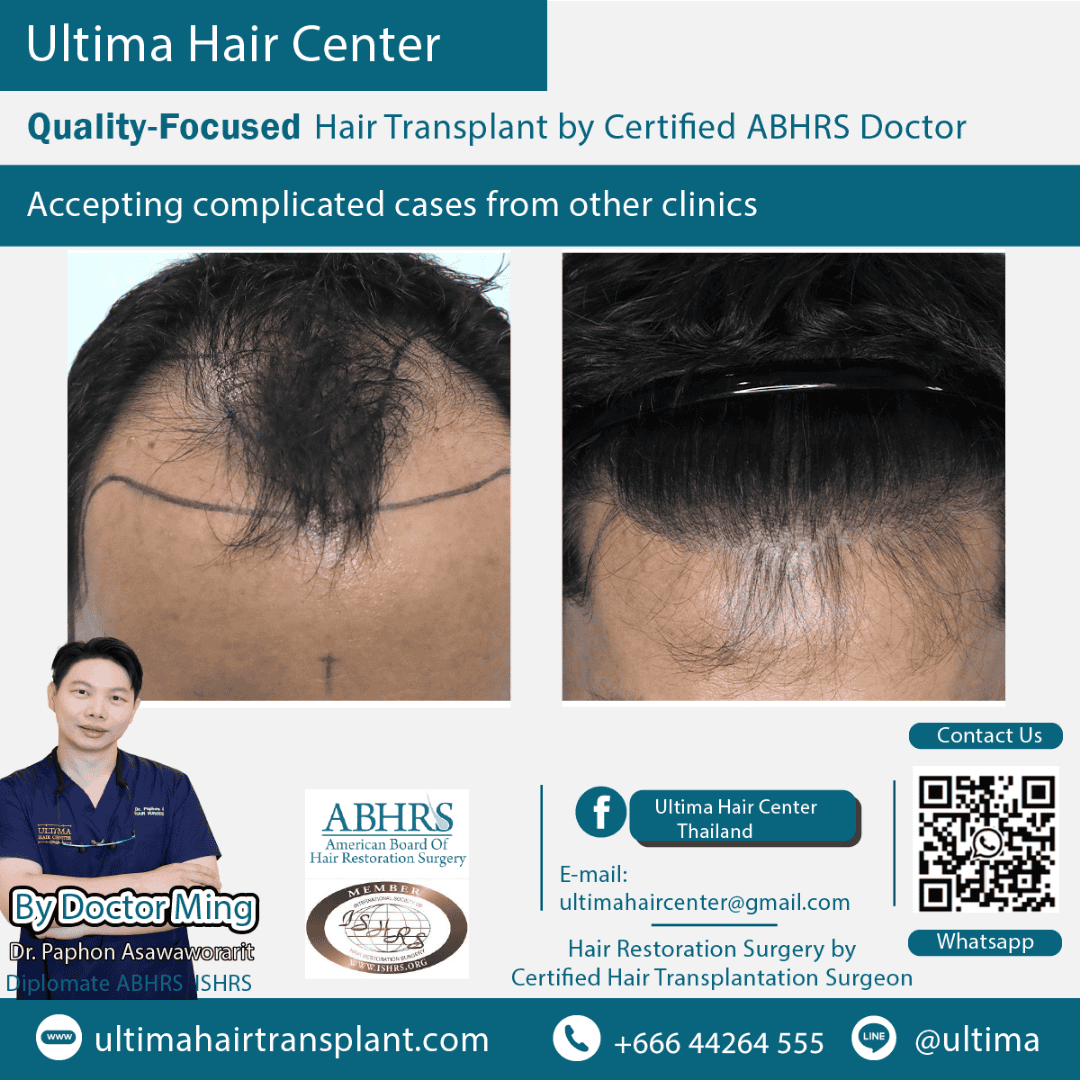 Summary: Why Is Proper Hair Transplant Aftercare Important?
Hair transplantation is a process that takes time, and the results do not appear immediately after the procedure. Hair transplant aftercare is therefore an important part of the overall treatment process
The key principles are to follow your physician’s instructions carefully, handle the transplanted area gently, avoid activities that may disturb the grafts during the initial period, refrain from picking or scratching scabs, and attend follow-up appointments as scheduled
If you experience unusual symptoms, do not simply wait for them to resolve without seeking medical advice. Contacting the physician who performed the procedure allows your condition to be assessed more appropriately
For those seeking a natural-looking hair transplant, the important questions go beyond “Where should I get a hair transplant?” or “How many grafts do I need?” You should also consider the preoperative assessment, treatment approach, postoperative care, and long-term follow-up
If you would like to learn more about hair transplantation at Ultima Hair Center, you can consult Dr. Ming for free and speak directly with the physician about an approach suited to your hair loss concerns
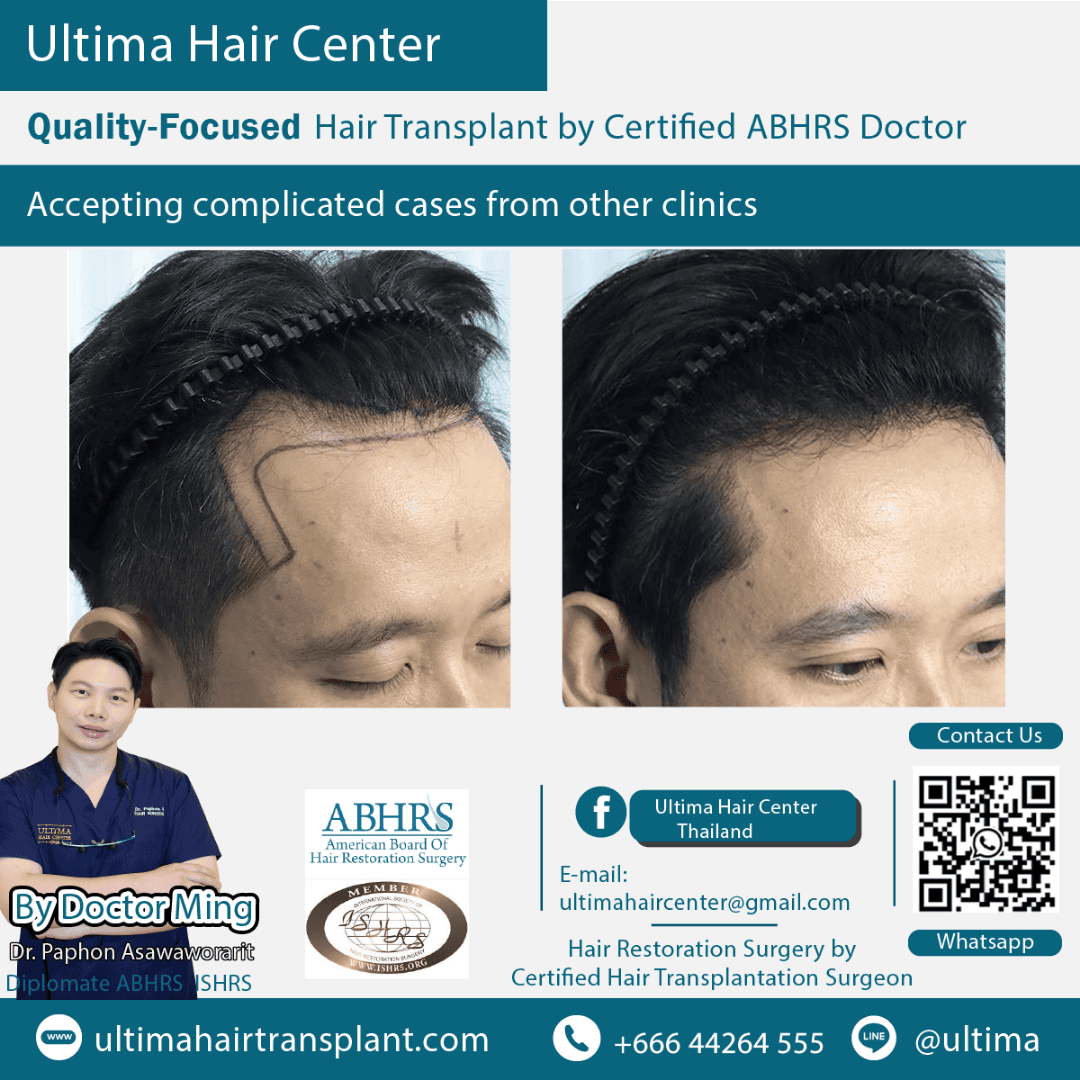 FAQ: Frequently Asked Questions About Hair Transplant Aftercare
Q1: How should I sleep after a hair transplant?
During the initial recovery period, avoid pressure or friction on the transplanted area. Follow the specific sleeping instructions provided by your physician
Q2: When can I wash my hair after a hair transplant?
You can begin washing your hair according to the schedule recommended by your physician. Use a gentle technique and avoid scratching or rubbing the graft area forcefully
Q3: Should I remove scabs after a hair transplant?
Do not pick at scabs by hand or scratch forcefully, as this may irritate the scalp and disturb areas that are still healing
Q4: When can I exercise after a hair transplant?
The timing depends on the technique used, the number of grafts, and your individual recovery. In general, avoid strenuous exercise during the initial period and resume activities according to your physician’s advice
Q5: Is it abnormal for transplanted hair to fall out after a hair transplant?
Transplanted hair may shed during the initial period. This does not necessarily mean the transplant has failed, as the hair roots may enter a resting phase before producing new hair
Q6: How long does it take to see results after a hair transplant?
Hair growth varies from person to person. It generally takes several months before results can be assessed more clearly, making follow-up at the intervals recommended by your physician important
Q7: What should I do if I experience unusual symptoms after a hair transplant?
If you experience heavy bleeding, unusually severe pain, excessive swelling, pus, fever, or other symptoms that concern you, contact the physician or clinic that performed the procedure promptly
Q8: Does aftercare affect hair transplant results?
Postoperative care is important for recovery and protecting the transplanted area. However, the overall outcome also depends on several factors, including planning, graft quantity and quality, surgical technique, and each individual’s hair characteristics
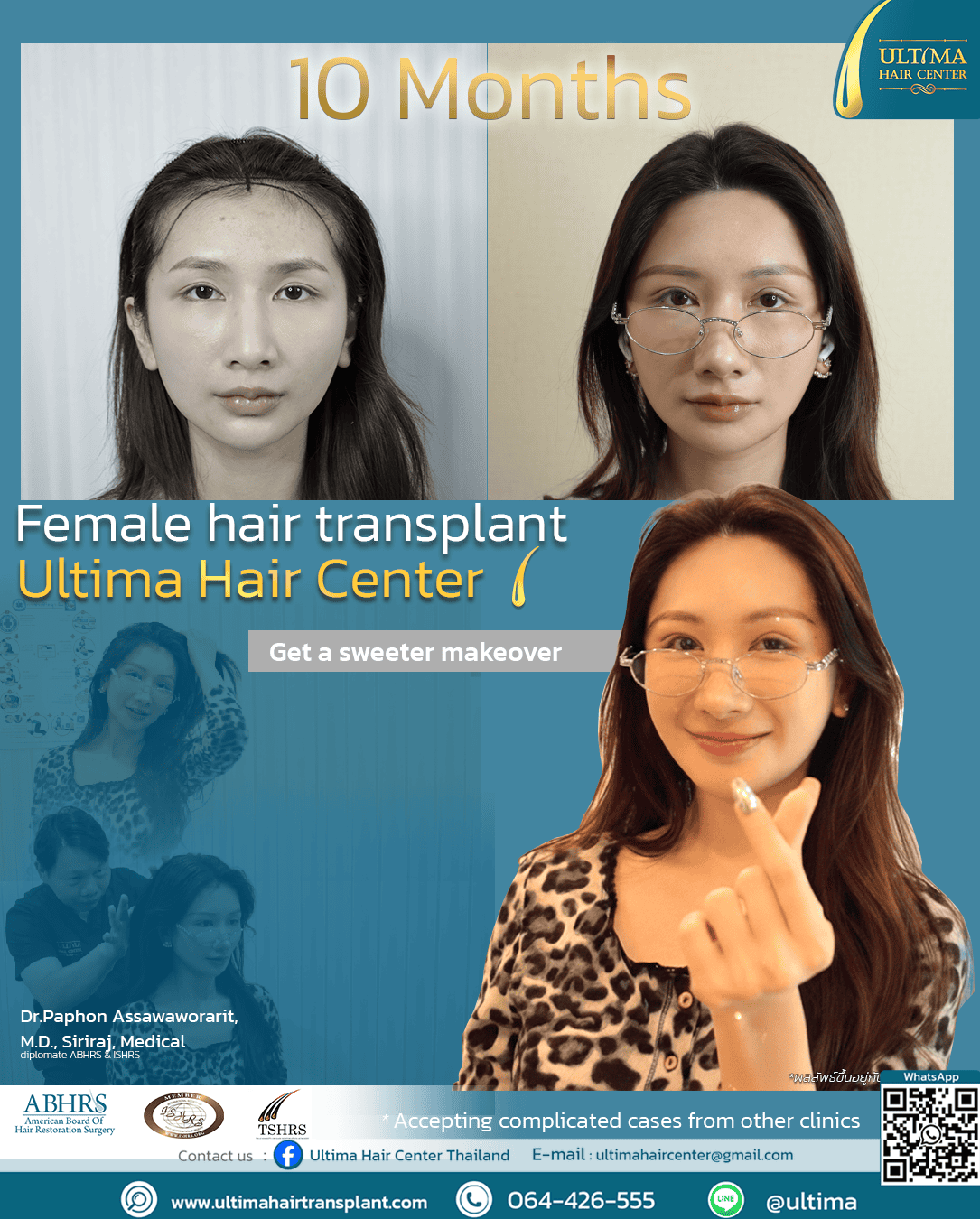
Contact Us:
Dr. Paphon Asawaworarit (Dr. Ming)
Physician Directory ABHRS
Ultima Hair Center (Thailand Website)
Ulitma Hair Transplant (English Website)
Line: @ultima
E-mail: ultimahaircenter@gmail.com
