

When Can You Return to Work After a Hair Transplant?
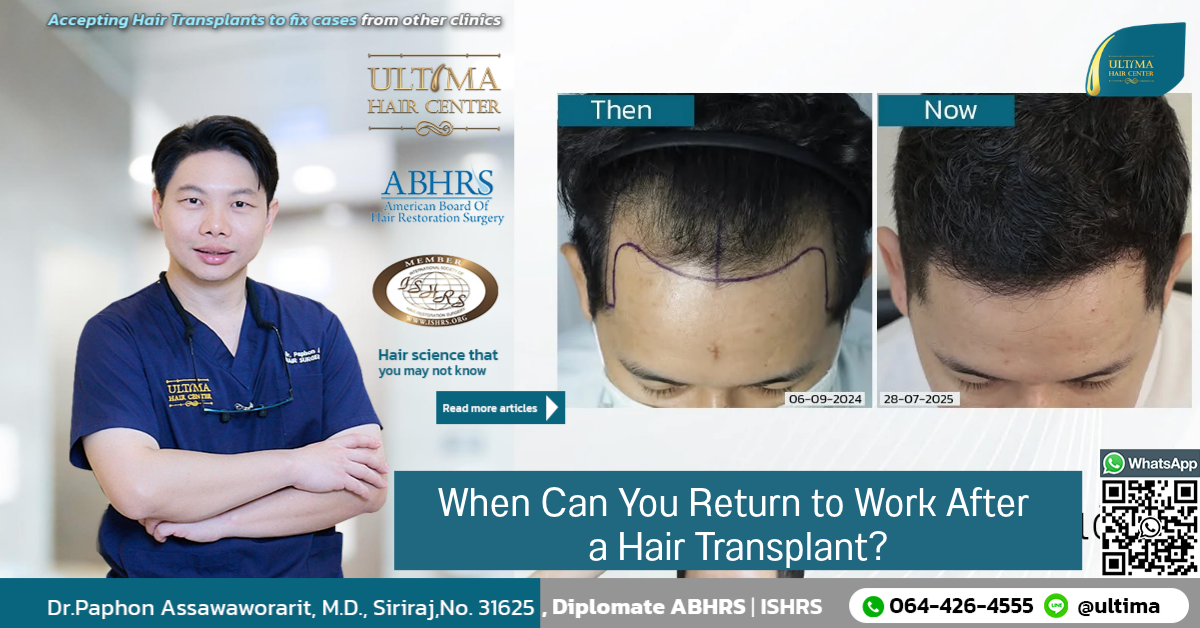
When Can You Return to Work After a Hair Transplant? How Many Days Off Do You Need?
“How many days do I need to take off work after a hair transplant?”
This is one of the most common questions patients ask, especially those planning a hair transplant who cannot take much time off work or do not want colleagues, clients, or other people to notice that they have recently undergone the procedure.
The answer is that there is no single recovery period that is suitable for everyone. When you can return to work depends on several factors, including the technique used, the nature of your job, the number of grafts transplanted, post-operative swelling and redness, and your individual recovery.
For office-based jobs or work that does not involve strenuous physical activity, many patients can return within a few days. However, jobs that require heavy physical effort, outdoor work, excessive sweating, or activities that may cause impact or friction around the scalp may require a longer recovery period.
According to The Aesthetic Society, patients who undergo hair transplantation may generally be able to return to work within approximately 1–2 days, although the appropriate timing depends on the type of work and the operating surgeon’s recommendations.
Meanwhile, some hair transplant resources suggest allowing approximately 3–7 days for general work and around 10–14 days for physically demanding jobs or work that may put the transplanted area at risk.
Therefore, if you are planning a hair transplant, the question is not only “When can I return to work?” You should also consider:
“When can I return to work without increasing the risk to my grafts, and when will the visible signs of surgery become less noticeable?”
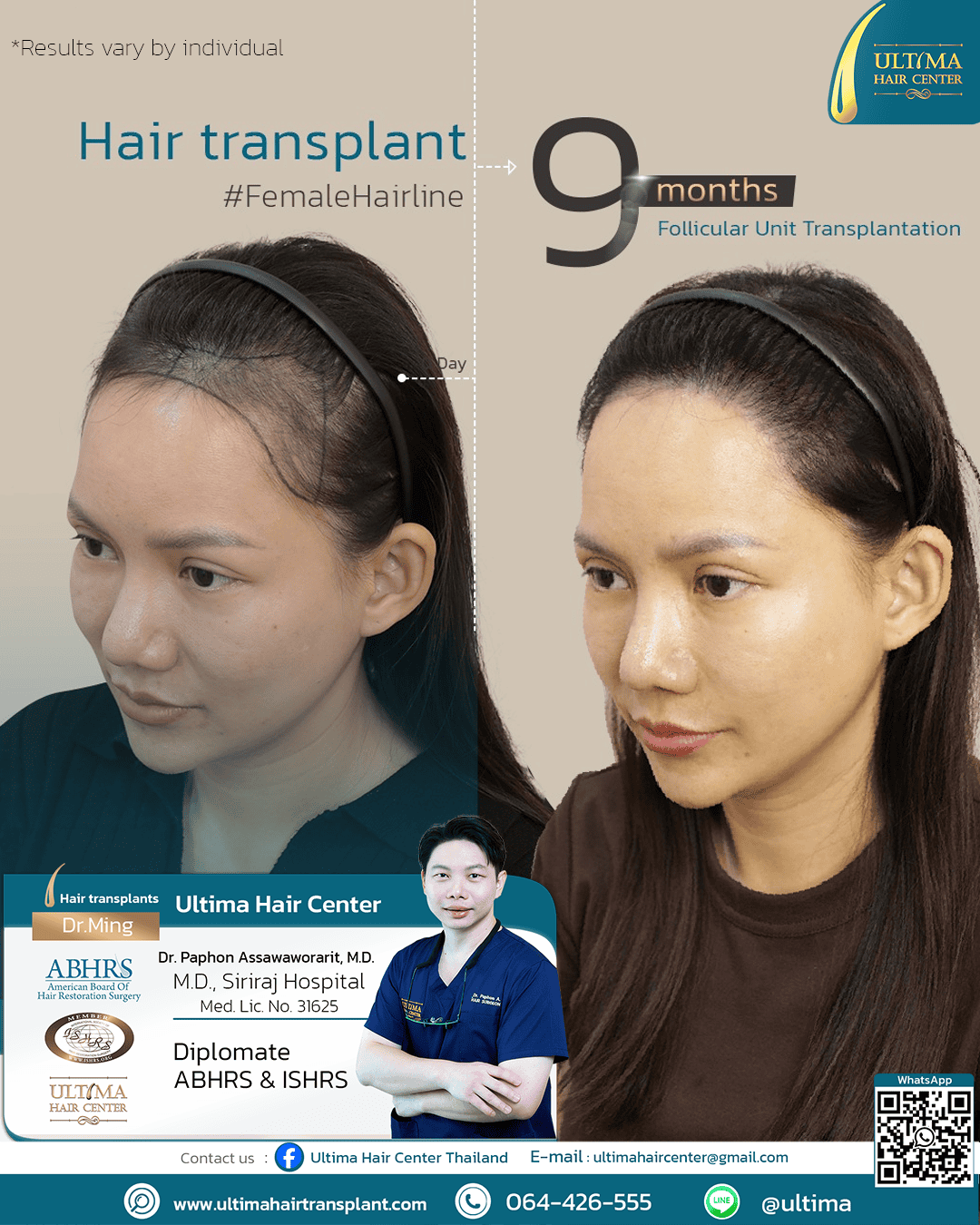 How Many Days After a Hair Transplant Can You Return to Work?
For a quick overview, the following time frames can be used for general planning.
| Type of Work | Typical Time Frame to Consider Returning |
|---|---|
| Working from home without meeting people | Approximately 1–3 days |
| Office work or desk-based work | Approximately 2–7 days |
| Client-facing roles or jobs involving frequent contact with people | Approximately 5–10 days |
| Jobs requiring frequent walking or movement | Approximately 7–14 days |
| Physically demanding jobs, heavy lifting, or strenuous work | Approximately 10–14 days or longer |
| Outdoor work involving strong sunlight and heavy sweating | Approximately 10–14 days or longer may be necessary |
| Jobs requiring a hard hat or headgear that puts pressure on the scalp | Individual assessment is necessary; a longer recovery period may be required |
These time frames are intended as general planning guidelines, not fixed rules, because recovery varies from person to person.
Some sources suggest that many patients feel ready to return to office work approximately 3–5 days after surgery. Others may be able to return sooner if they have minimal symptoms and are not concerned about swelling or scabbing.
The important distinction is that being able to work and being ready to return to work are not necessarily the same thing.
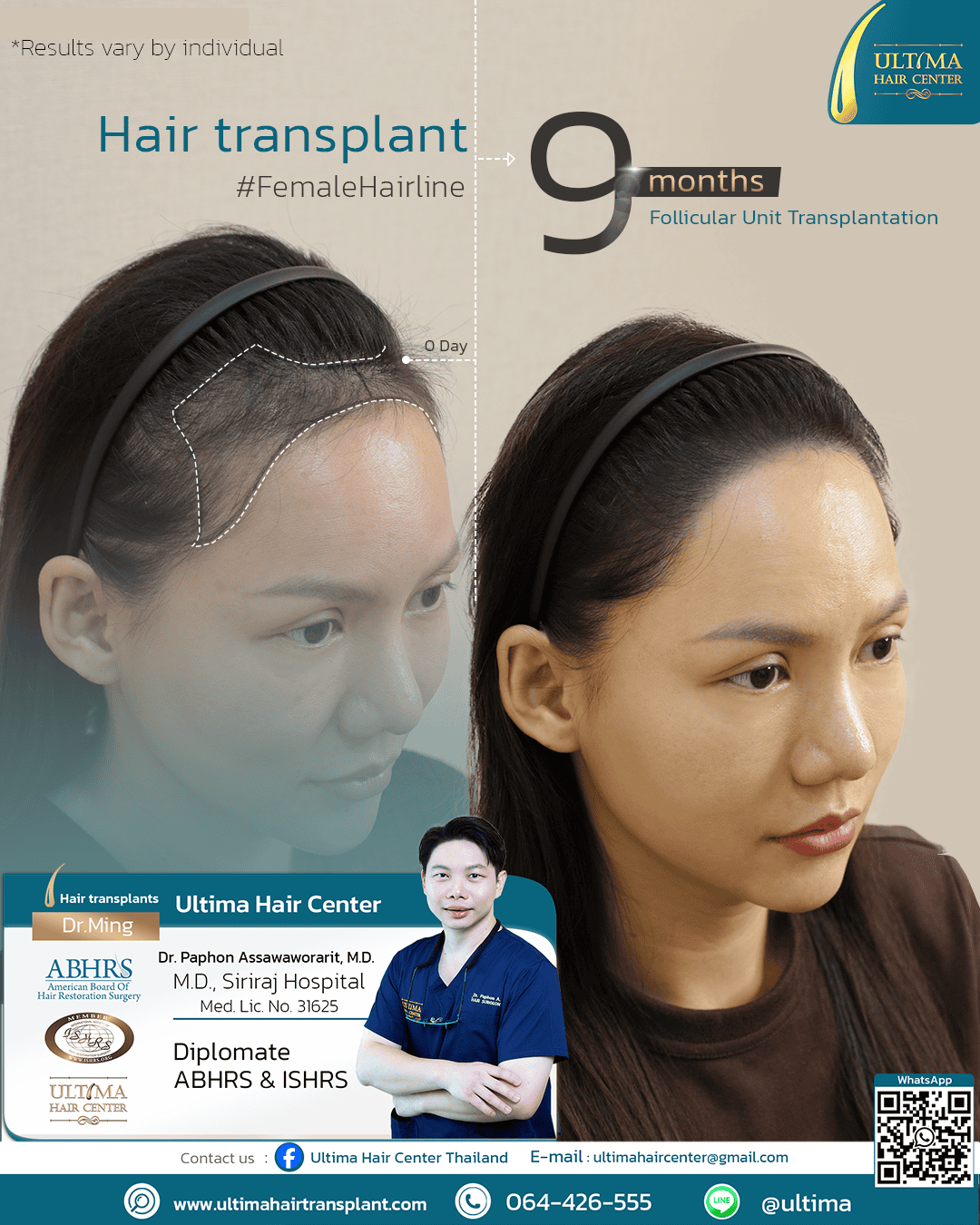 If You Work in an Office, When Can You Return After a Hair Transplant?
For people who work in an office, most duties involve sitting at a desk, using a computer, attending meetings, or handling documents. These types of work can often be resumed relatively early.
If there are no unusual symptoms, some patients may be able to return within 2–3 days. Others choose to take approximately 5–7 days off to allow the scalp to begin recovering and to give swelling time to subside.
How Many Days Should You Take Off If You Do Not Want Colleagues to Know You Had a Hair Transplant?
In this situation, the time needed off work may be longer than the time needed simply to be physically capable of working.
During the early recovery period, you may experience:
- Red dots in the transplanted area
- Small scabs
- Scalp swelling
- Visible marks in the Donor area where grafts were harvested
- Short hair in the donor and recipient areas
- Temporary unevenness in the appearance of your hair
If you want these signs to become less noticeable before returning to work, you may wish to plan for approximately 5–10 days off, depending on the condition of your scalp.
Some FUE-related resources indicate that the visible signs of the procedure often become much less noticeable within approximately 10–14 days, although redness may persist longer in some patients.
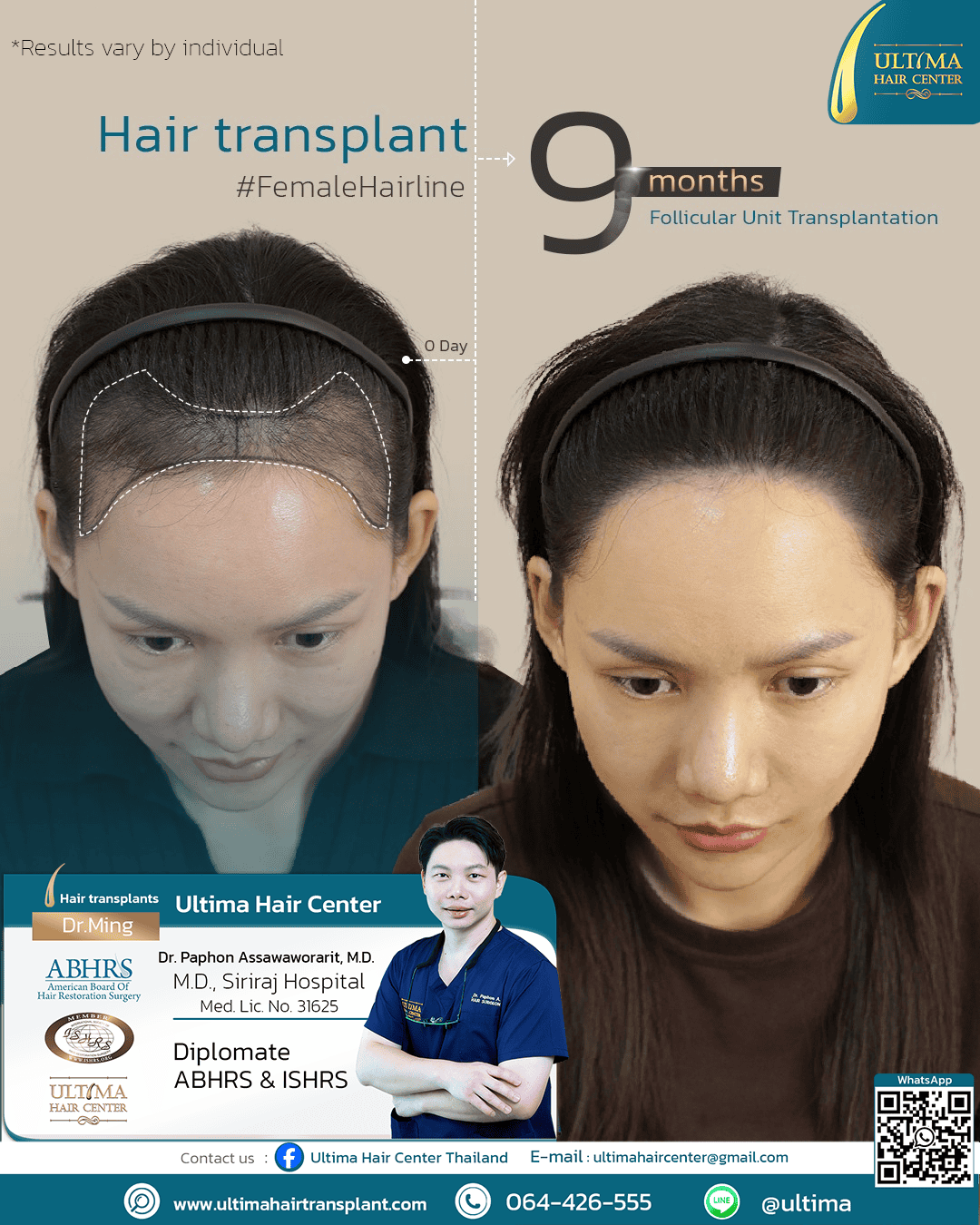 If You Work From Home, How Soon Can You Resume Working?
Working from home offers several advantages because you do not need to commute, meet people in person, or spend time in environments with excessive dust or heat.
If you do not have significant pain or swelling, you may be able to resume computer-based work within 1–3 days.
However, even when working from home, you should get sufficient rest during the early recovery period. Do not use working from home as a reason to resume every normal activity immediately, such as strenuous exercise, heavy housework, or prolonged periods of bending your head down.
Being able to sit at a computer early does not mean your scalp is ready for strenuous activities
If Your Job Involves Meeting Clients, How Many Days Should You Take Off?
For people whose jobs involve meeting clients, patients, students, executives, or large numbers of people, the main consideration is not only graft safety but also your appearance after surgery.
Scabs and swelling may be visible during the early recovery period, which can make other people notice that you have recently undergone a procedure.
If you want the transplanted area to look more presentable before meeting clients again, taking approximately 5–10 days off may be more practical than returning immediately after surgery.
However, some patients may experience redness for longer, particularly those whose skin or scalp is more sensitive to irritation.
It is therefore not possible to guarantee that everyone will be free of visible signs exactly seven days after surgery.
 If You Have a Physically Demanding Job, How Long Should You Rest After a Hair Transplant?
Physically demanding work requires more caution than office work. Examples include:
- Construction
- Heavy lifting
- Freight and delivery work
- Warehouse work
- Technical or maintenance jobs
- Jobs that require walking or moving throughout the day
- Work involving frequent bending
- Jobs that cause heavy sweating
In these situations, you may need approximately 10–14 days off, or until your doctor determines that you can safely resume these activities.
The concern is not simply physical fatigue. It also involves sweating, friction, bending, movement, and the possibility of impact to the transplanted area.
Some clinics recommend allowing approximately 1–2 weeks before returning to full duties in physically demanding jobs.
 If You Work Outdoors, How Many Days Should You Take Off After a Hair Transplant?
Outdoor work introduces additional factors that require attention, including:
Sunlight, heat, sweat, dust, and friction
During the early recovery period, the scalp is still healing. You should avoid prolonged exposure of the transplanted area to intense sunlight and follow the protective measures recommended by your doctor.
If your job requires working outdoors, for example as a:
- Construction worker
- Field engineer
- Delivery worker
- Security guard
- Farmer
- Surveyor
- Outdoor event worker
You may need to plan for a longer absence than someone who works in an office.
 When Can You Return to Work If Your Job Requires a Hard Hat?
This is an important issue to discuss with your doctor before a hair transplant. You should mention it if your job requires you to wear:
- A hard hat
- A motorcycle helmet
- Tight-fitting headgear
- Protective head equipment
- Equipment with straps that cross the scalp
Your situation should be assessed individually. In addition to pressure, these items may cause friction around the transplanted area and increase sweat accumulation.
If you need to wear a hard hat regularly, you should not plan your return to work using the same time frame as an office worker.
Tell your doctor about your job before surgery so that an appropriate recovery plan can be arranged.
 Can You Return to Work at the Same Time After FUE and FUT?
The time needed to return to work does not depend on the name of the technique alone.
FUE, or Follicular Unit Excision, and FUT are different surgical techniques, and the appearance of the Donor area after surgery also differs.
FUE does not leave the same type of linear scar associated with FUT, so recovery in the donor area may differ. However, this does not mean that everyone who undergoes FUE can return to work on the same day.
The number of grafts, size of the transplanted area, scalp response, and nature of the job all affect recovery planning.
Therefore, a more useful question is:
“How many days should I take off after my particular hair transplant, considering my job and the technique being used?”
Rather than simply asking which technique, FUE or FUT, allows a faster return to work.
 Can You Return to Work One Day After a Hair Transplant?
In some cases, light work may be possible, but this should not be treated as a recommendation for everyone.
The Aesthetic Society states that some patients may return to work within 1–2 days after a hair transplant. However, the doctor should assess the appropriate timing based on the type of work and the patient’s recovery.
In practice, if you do not need to return urgently, resting for at least 2–3 days gives you time to monitor early swelling, tightness, and scalp recovery.
If your job involves meeting many people, allowing more time may be a better option.
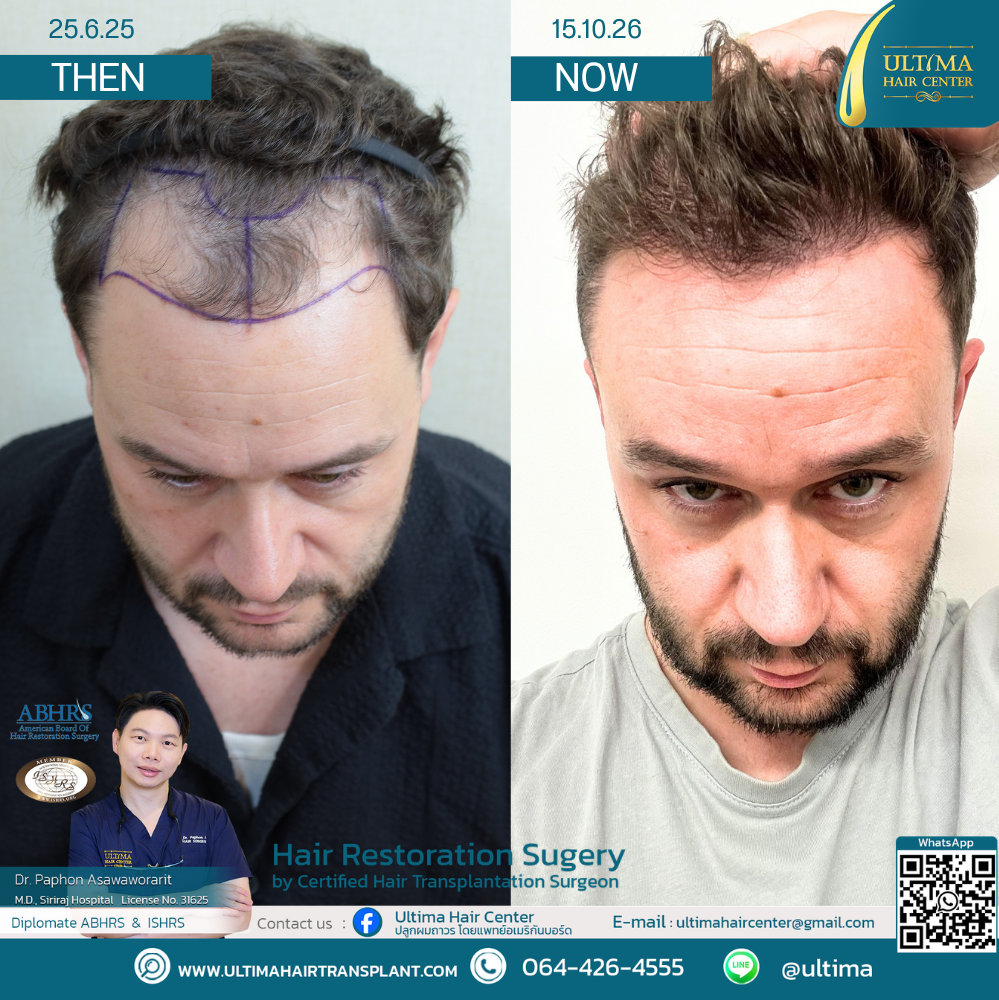 Can You Return to Work Three Days After a Hair Transplant?
For office work or working from home, three days may be enough for some people to return to work, provided there are no unusual symptoms.
However, on day three, the scalp may still have:
- Redness
- Scabs
- A feeling of tightness
- Some swelling
- Increased sensitivity
Therefore, day three may be suitable for some patients to resume work, but it does not mean the scalp has returned to its pre-transplant condition.
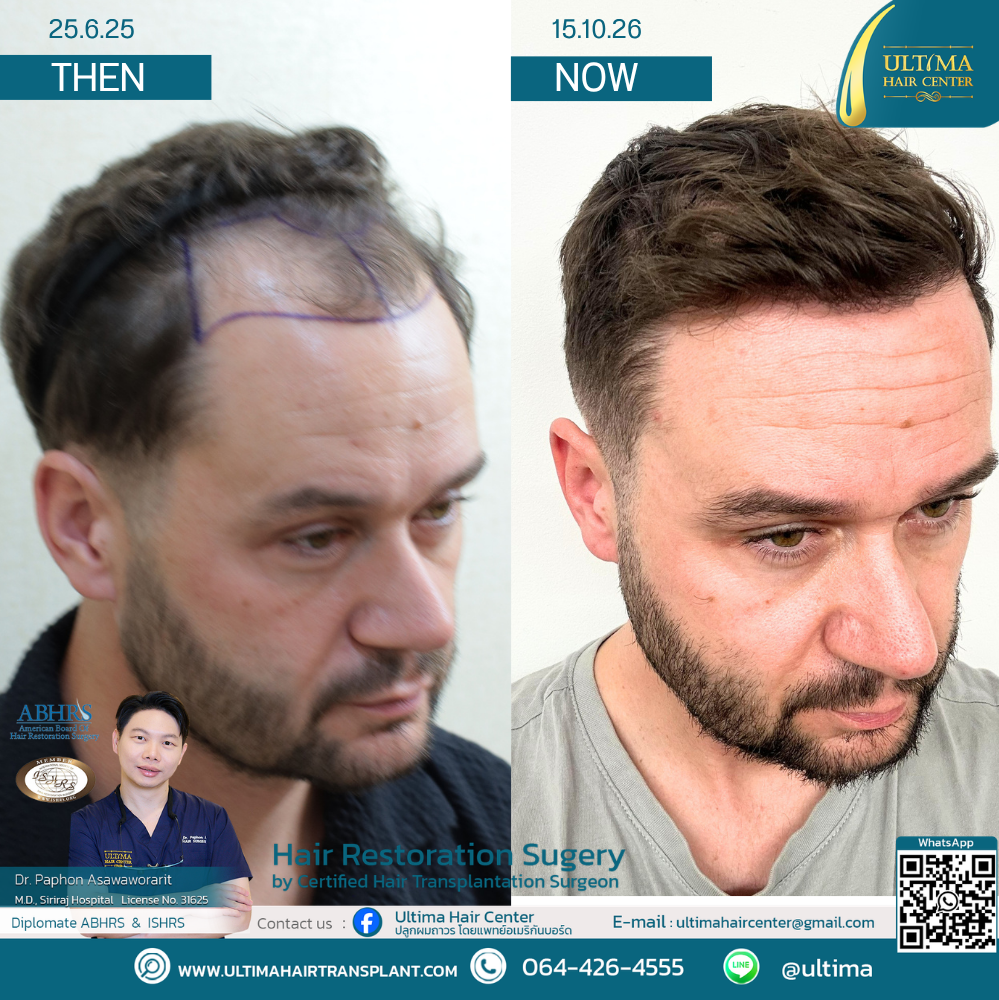 Can You Return to Work Seven Days After a Hair Transplant?
Seven days is a time when many patients can begin returning more fully to their normal routines, particularly if their jobs do not involve strenuous physical activity.
Some FUE recovery resources indicate that many patients feel ready for office work after approximately 5–7 days, while strenuous activities should generally be avoided for longer.
However, scabs or redness may still be visible in some patients on day seven.
If your goal is simply to be able to work, 5–7 days may be sufficient for light duties.
If your goal is to return to work with almost no visible signs of surgery, you may need to allow more time.
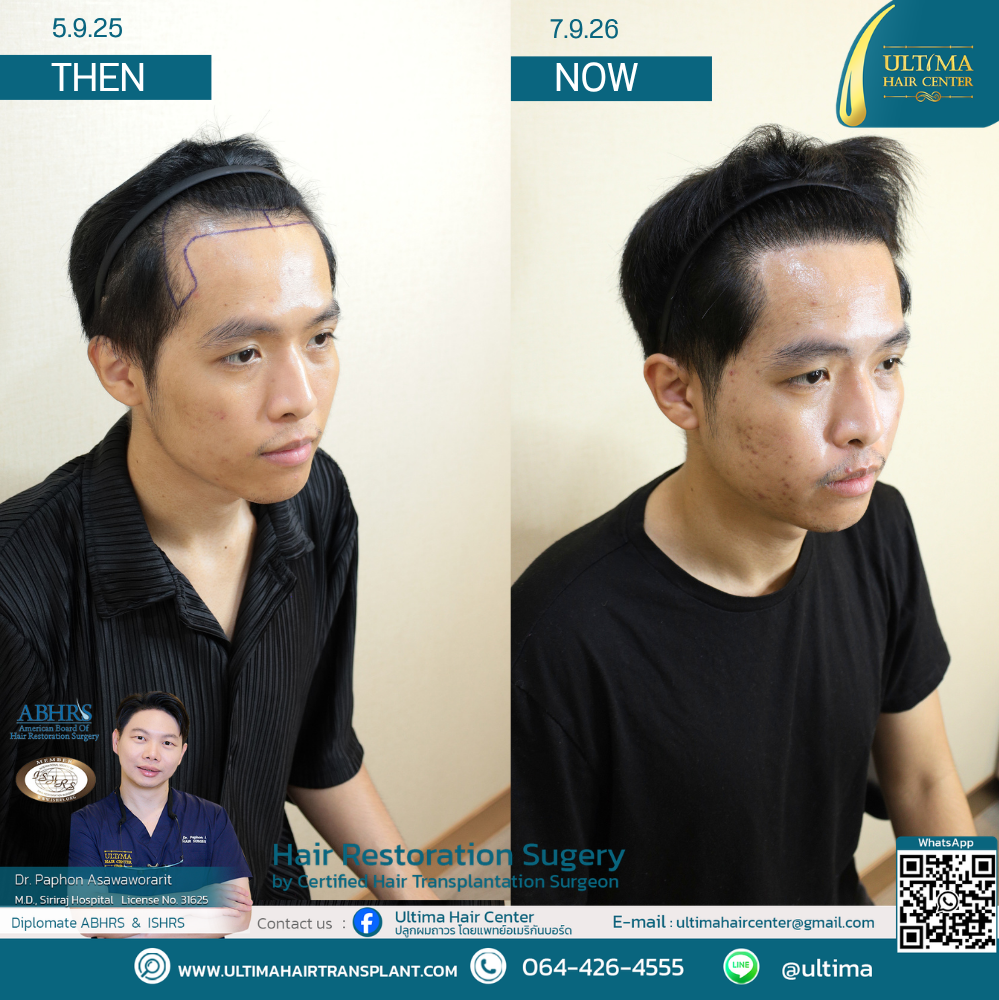 How Should You Plan Your Time Off Before a Hair Transplant?
Planning your time off is important, particularly if you have a busy work schedule.
Planning for Office Work
You may be able to schedule your hair transplant around a weekend, for example:
Hair transplant on Friday → Rest on Saturday and Sunday → Return to work on Monday or Tuesday
This approach provides approximately 2–3 days of recovery while minimizing the number of leave days used.
Planning for Client-Facing Jobs
Consider allowing approximately 7–10 days if you want scabs and redness to become less noticeable before meeting clients again.
Planning for Physically Demanding Jobs
Consider allowing approximately 10–14 days or longer, depending on the nature of your work and your doctor’s recommendations.
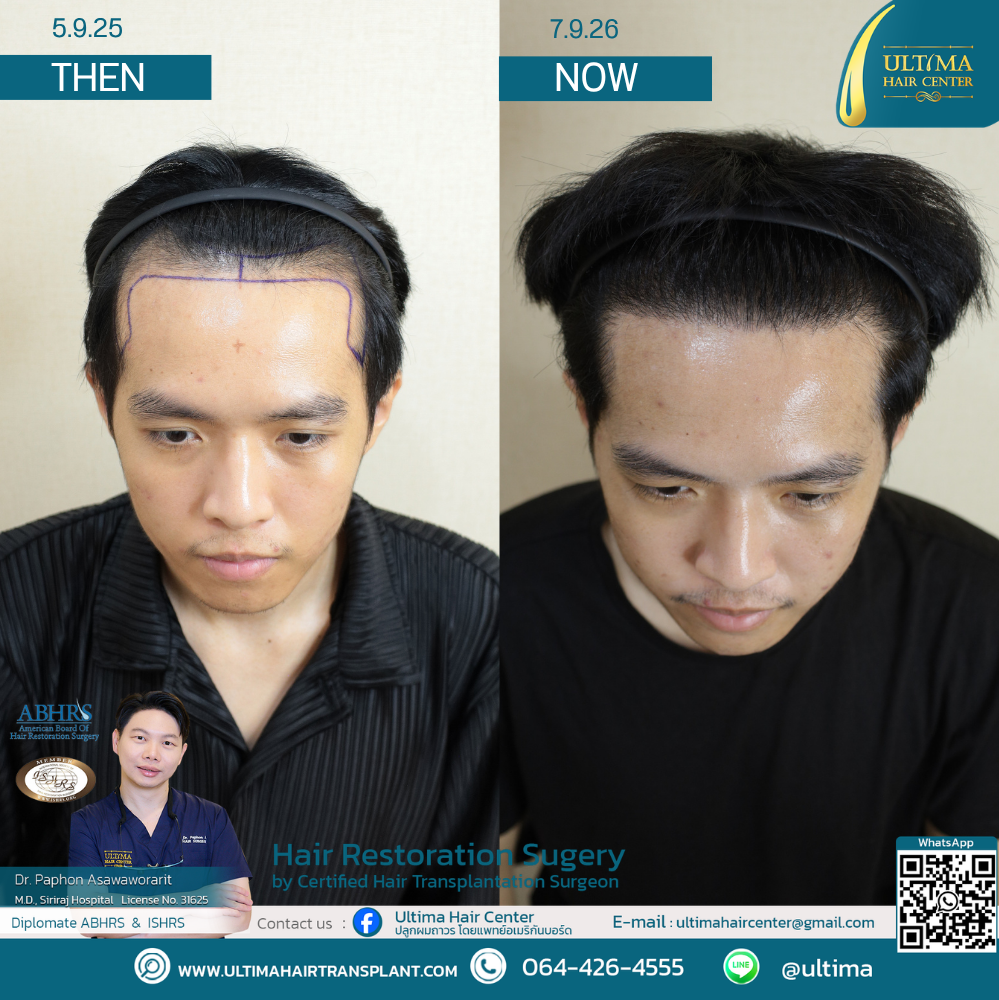 What Should You Be Careful About When Returning to Work After a Hair Transplant?
Even if your doctor has cleared you to return to work, it does not mean you can immediately resume every activity as usual.
1. Do Not Scratch or Rub the Transplanted Area
If your scalp feels itchy while working, avoid scratching it with your fingernails, as this may cause irritation.
2. Protect Your Head From Impact
Be particularly careful if your job involves moving through narrow spaces, lifting objects, or working near machinery.
3. Be Careful With Sweating
If your job causes heavy sweating, ask your doctor when you can safely resume full duties.
4. Avoid Intense Sunlight
For outdoor work, follow the protective measures recommended by your doctor and avoid friction around the grafts.
5. Avoid Headgear That Puts Pressure on the Transplanted Area
If you need to wear a hat or helmet, ask your doctor which type is suitable and when it can be worn safely.
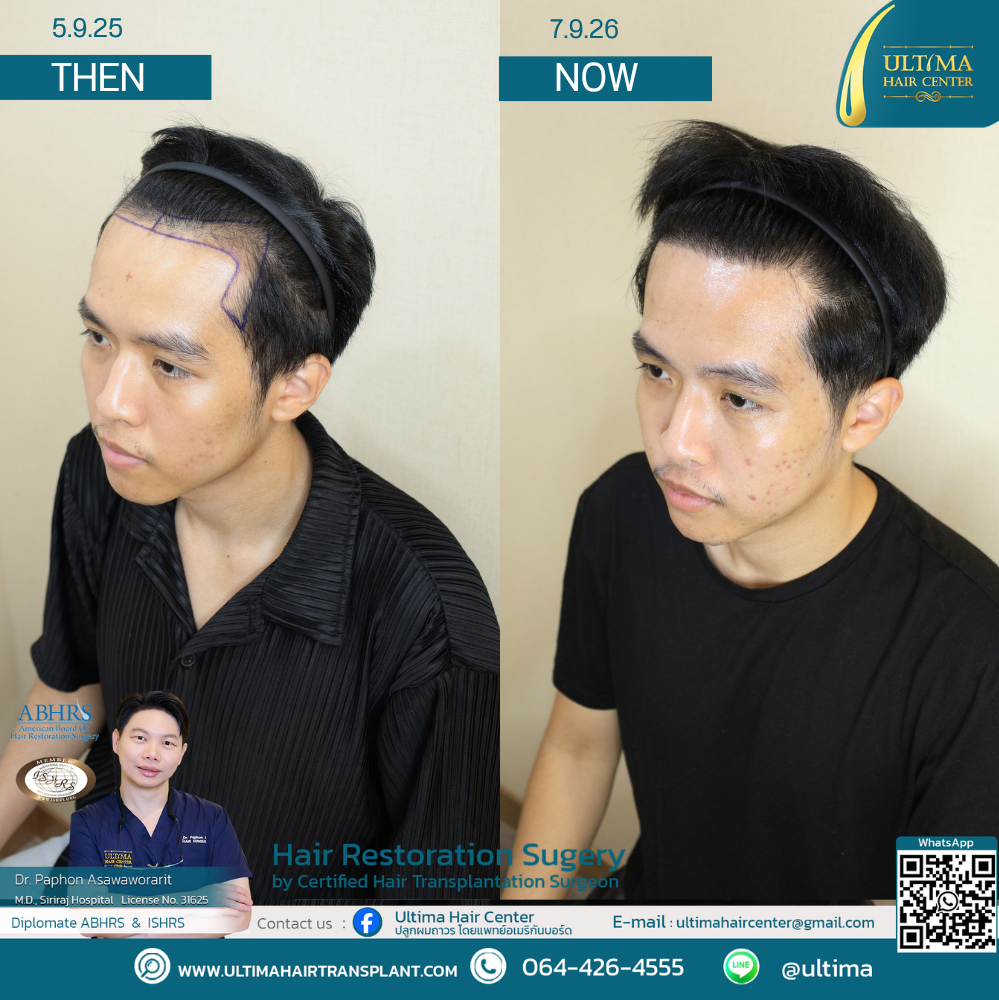 Will Other People Know You Had a Hair Transplant When You Return to Work?
This is a particularly important question for people who prefer to keep their hair transplant private.
How noticeable the procedure is depends on several factors, including:
- The hair transplant technique
- The number of grafts
- How short the hair was cut before surgery
- Hair characteristics
- Skin tone
- Redness
- Scabbing
- Individual recovery
Some people have only mild redness and can return to work relatively quickly. Others may have redness or scabs for longer.
There is no way to guarantee that “nobody will know after exactly seven days.”
If you want to plan your recovery around your actual job requirements, tell your doctor before the procedure when you need to return to work and what your job involves.
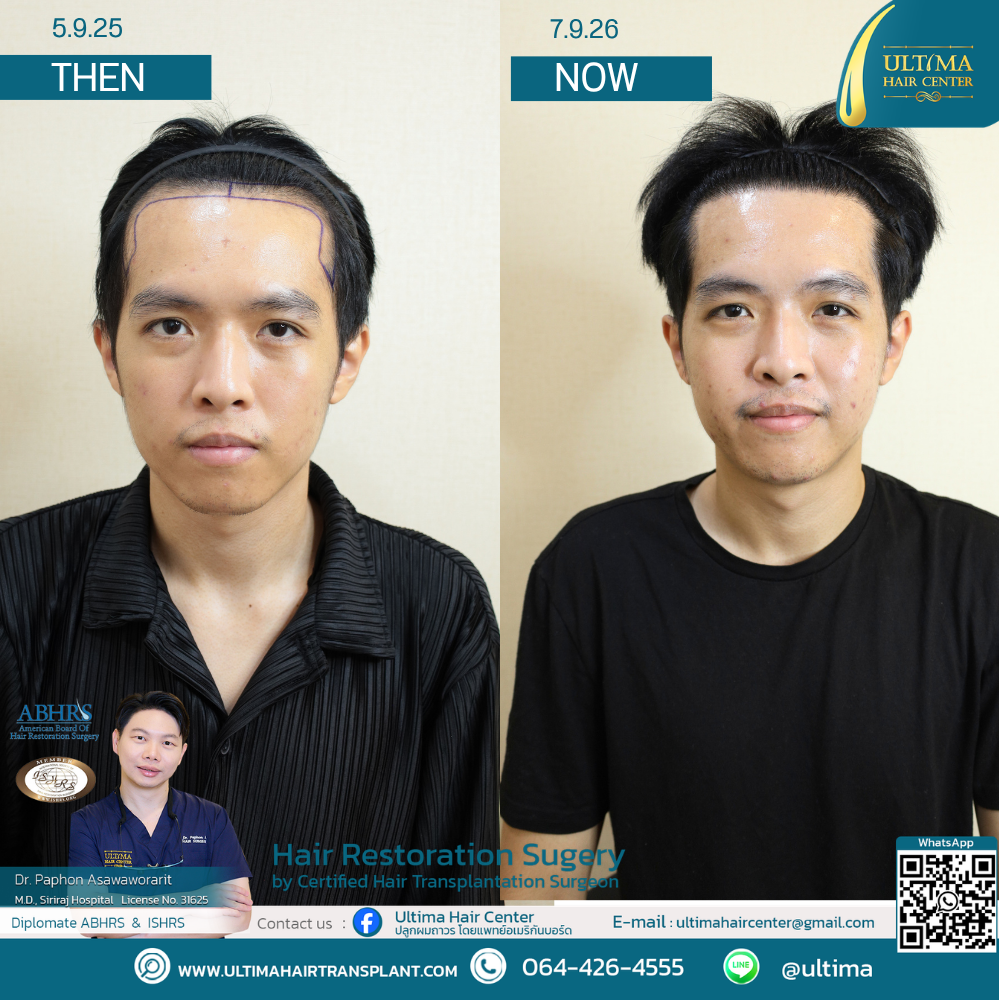 Will My Transplanted Hair Start Growing Immediately After I Return to Work?
No.
Being able to return to work does not mean that new hair will begin growing immediately.
After a hair transplant, the visible hair shafts may shed during the early period. This is part of the post-transplant hair cycle, and the hair follicles may enter a resting phase before producing new hair.
Therefore, you should not expect to see new hair appearing every day simply because you have returned to work.
The most important thing during the early period is to care for your scalp appropriately and allow the recovery process to progress over time.
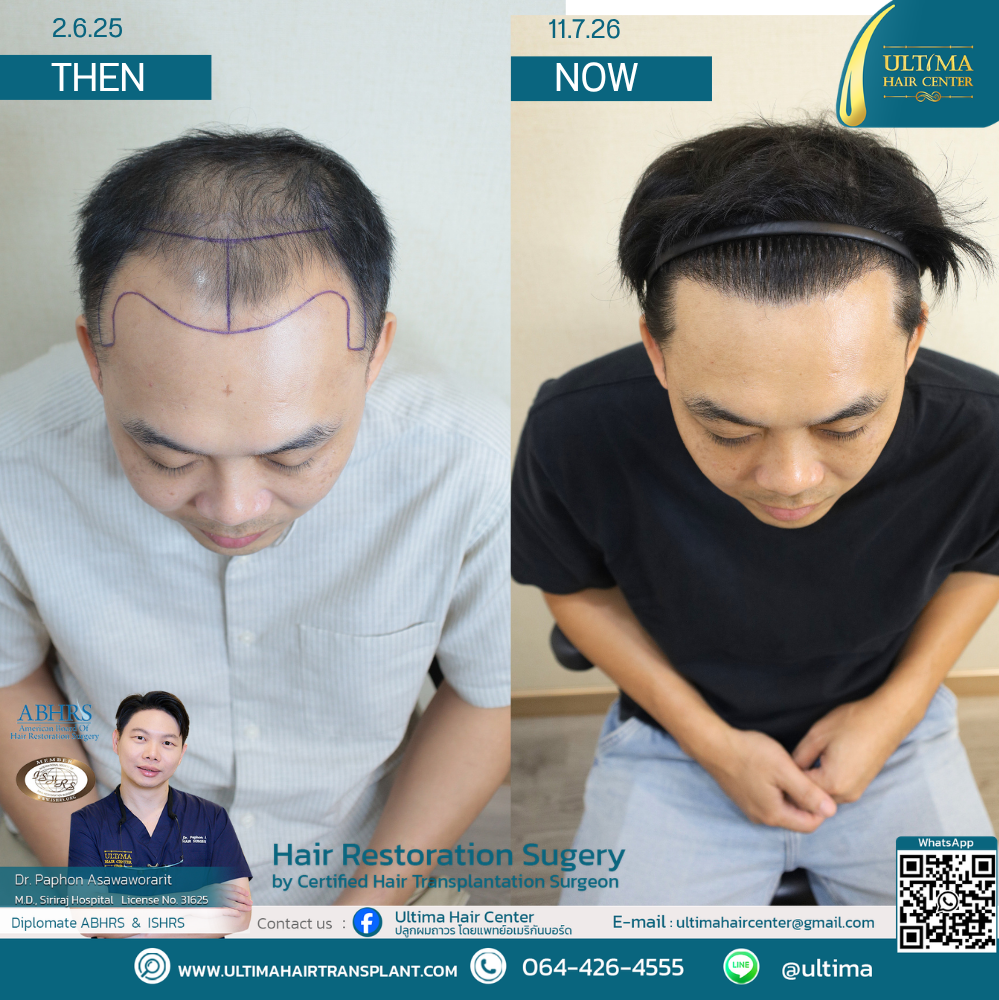 How Can You Support a Natural-Looking Result After Returning to Work?
A natural-looking hair transplant is not achieved through post-operative care alone.
It also depends on the planning and treatment process, including:
- Assessing the hair loss pattern
- Designing the hairline
- Evaluating the Donor area
- Selecting an appropriate number of grafts
- Preparing the grafts
- Placing grafts in suitable positions
- Following the natural direction and angle of hair growth
- Providing appropriate post-operative care
- Monitoring the results
If you are choosing a clinic, do not focus only on which clinic offers the lowest price. Consider how the doctor plans your treatment and whether follow-up is provided after the procedure.
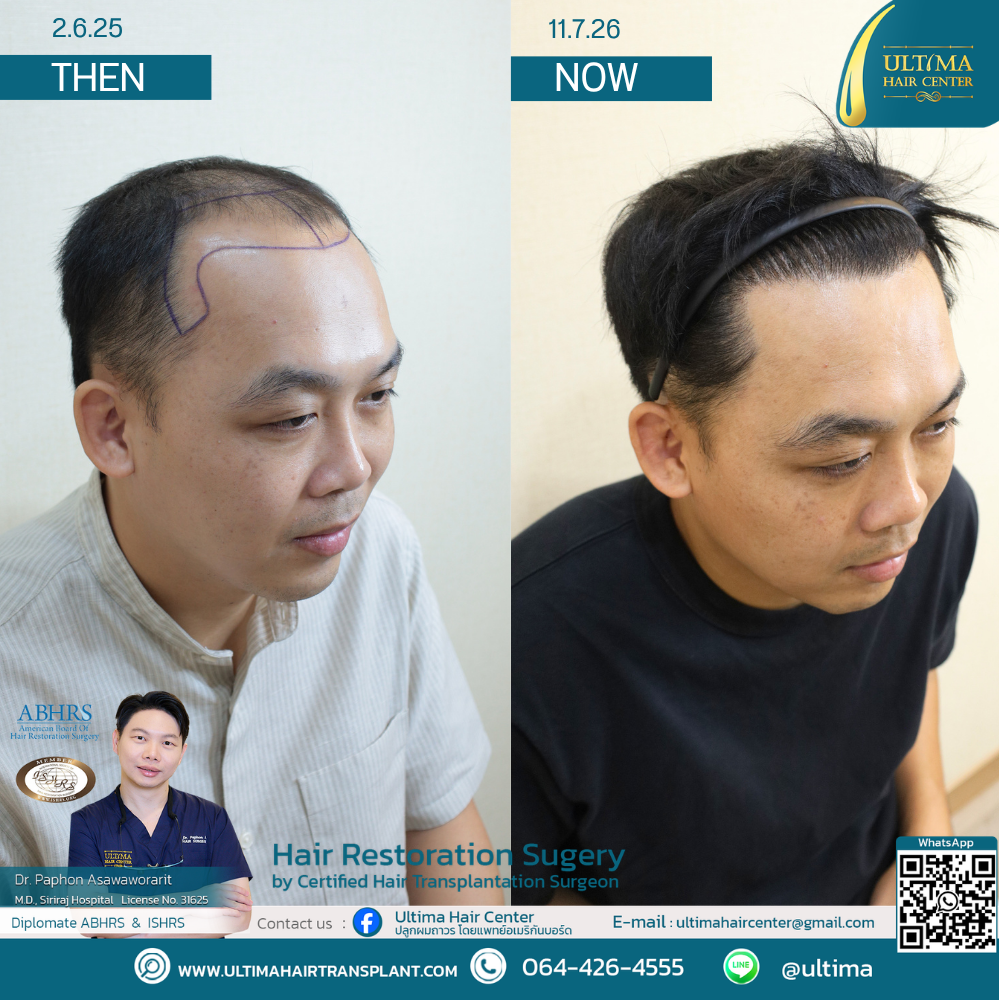 How to Choose a Hair Transplant Clinic If You Need to Return to Work Quickly
If you have limited annual leave, choosing a hair transplant clinic in Bangkok should involve more than comparing prices.
Before the procedure, ask your doctor:
- Approximately how many days should I take off work, considering my job?
- How should I care for my grafts during the early recovery period?
- When can I safely commute to work?
- When can I resume physically demanding duties?
- When can I wear a hat or hard hat?
- When should I attend follow-up appointments?
- How can I contact the doctor if I experience unusual symptoms?
Getting answers to these questions before making a decision can help you plan your leave and work schedule more appropriately.
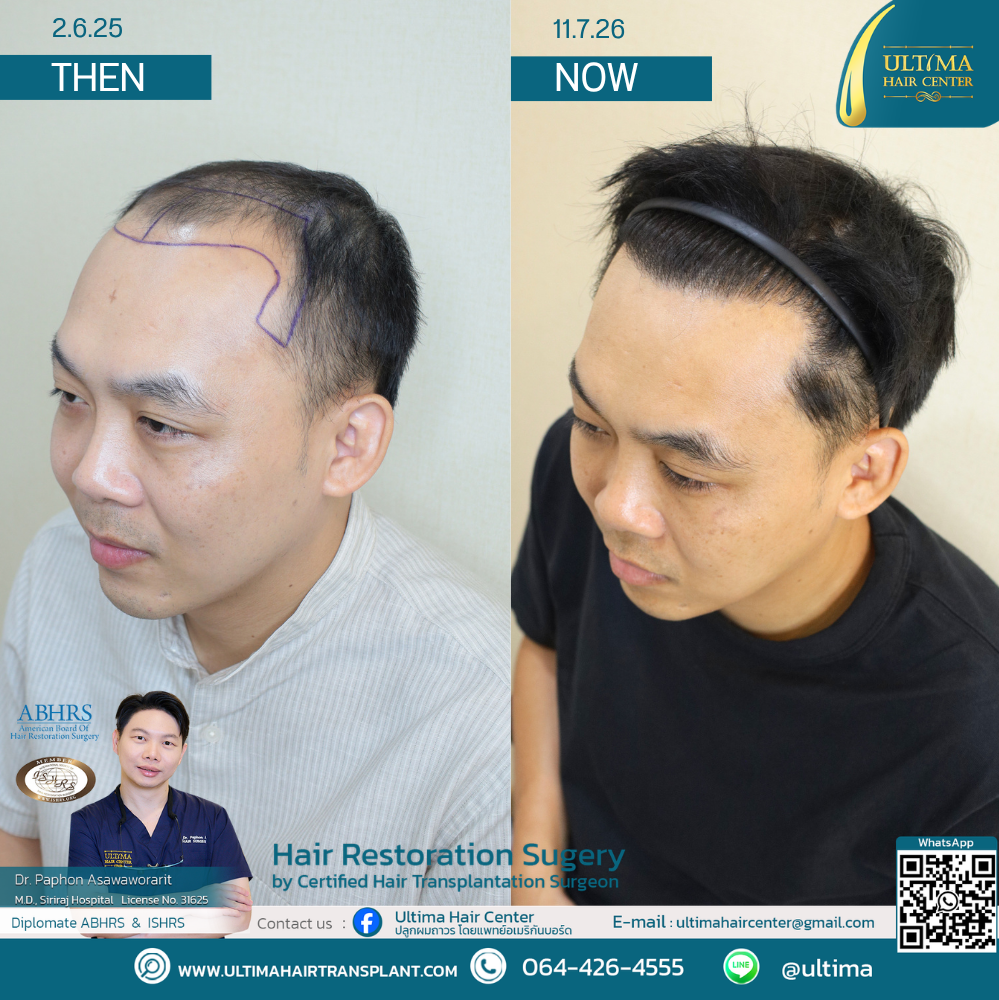 Ultima Hair Center’s Approach to Post-Transplant Planning
At Ultima Hair Center, our approach emphasizes quality-focused hair transplantation and individualized planning rather than applying the same recovery period to every patient.
The treating doctor is Dr. Paphon Asawaworarit, who is listed in the Physician Directory of the American Board of Hair Restoration Surgery (ABHRS). His ABHRS profile displays the status Verified, identifies Ultima Hair Center in Bangkok, and lists Certification Year 2019.
If you are looking for a hair transplant with an American Board-certified ABHRS physician, you can verify the doctor’s information directly through the ABHRS database.
Communication after treatment is also important. Even after returning to work, patients may still have questions, such as:
- Are these scabs normal?
- Should I be concerned about redness?
- When can I return to exercise?
- Can I wear a hat yet?
- Is it normal for transplanted hair to shed during the early period?
At Ultima Hair Center, we value direct communication, and Dr. Ming personally responds to patient messages, allowing patients to ask questions directly about hair transplantation and post-operative care.
If you are planning a hair transplant, you can consult Dr. Ming for free to discuss your hair loss, job requirements, and preferred return-to-work date so that a suitable plan can be developed for your individual circumstances.
 Summary: When Can You Return to Work After a Hair Transplant?
In summary, many patients can return to light duties or office work within a few days after a hair transplant. However, the appropriate timing depends on the nature of the job and individual recovery.
Working from home: You may be able to return within approximately 1–3 days
Office work: A time frame of approximately 2–5 days is often considered
Client-facing work: Allow approximately 5–10 days if you want redness and scabs to become less noticeable
Physically demanding work: Allow approximately 10–14 days or longer
Outdoor work or jobs requiring a hard hat: Individual assessment is necessary
The most important consideration is not simply whether you feel physically able to work. You should also consider how much sweating, friction, pressure, impact, or sunlight your job may involve.
Planning ahead can help you arrange your time off appropriately and reduce anxiety during recovery.
If you are looking for quality-focused hair transplantation and need a plan that fits your work schedule, you can consult Dr. Ming for free at Ultima Hair Center to discuss your circumstances and the options suitable for you.
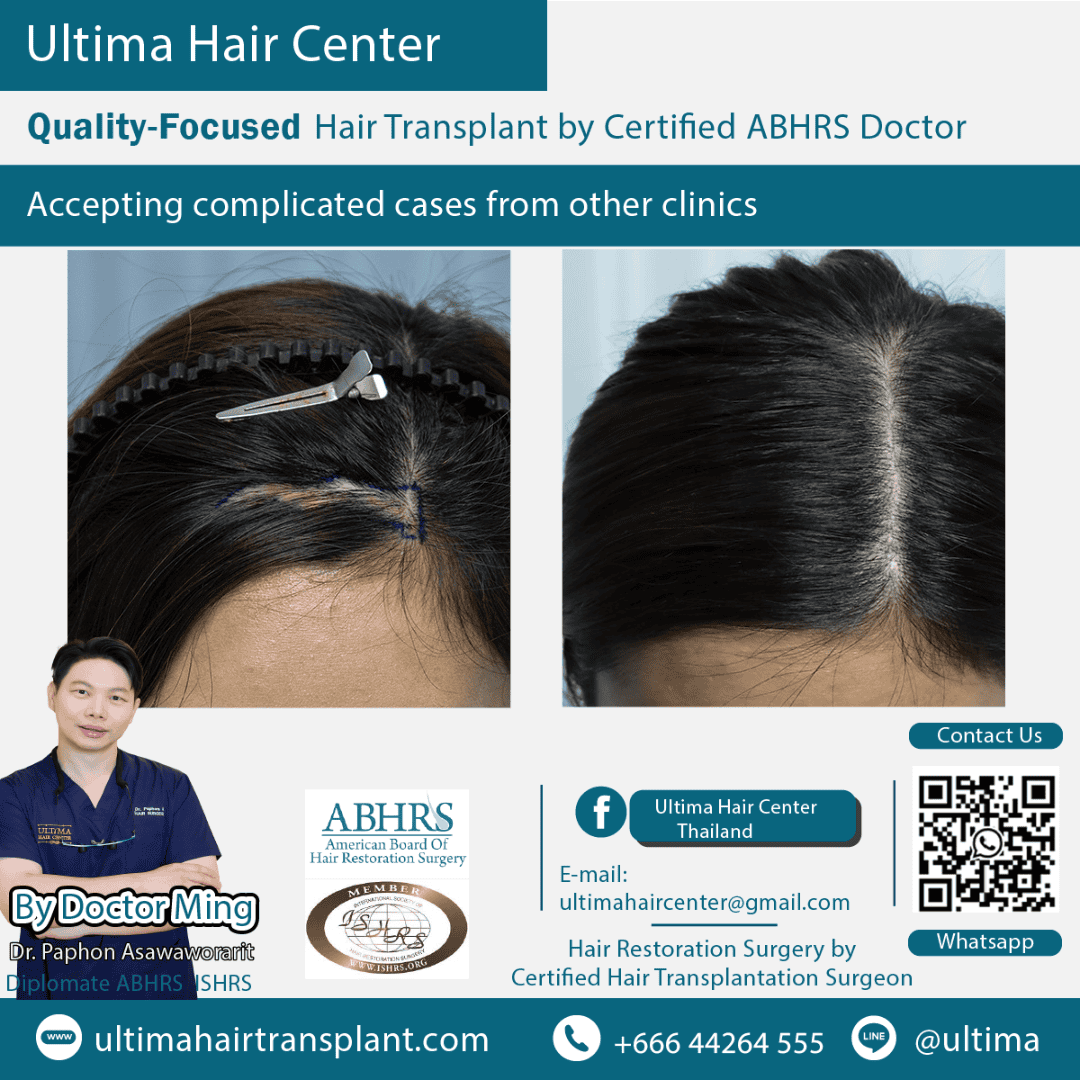 FAQ: Frequently Asked Questions About Returning to Work After a Hair Transplant
Q1: How many days after a hair transplant can I return to work?
For light duties or office work, many patients can return within approximately 2–5 days. The appropriate timing depends on recovery and the doctor’s recommendations.
Q2: Can I return to work three days after a hair transplant?
In some cases, patients can return to office work or other jobs that do not involve physical exertion. However, redness or scabs may still be visible, so you should consider both your physical readiness and appearance.
Q3: Can I return to work seven days after a hair transplant?
Many patients can return to general work after approximately 5–7 days. However, physically demanding jobs, outdoor work, or jobs involving a risk of head impact may require a longer recovery period.
Q4: How many days off should I take after a hair transplant if I work in an office?
A period of approximately 3–7 days may be suitable, depending on your post-operative symptoms and how much you want redness or scabs to subside before returning.
Q5: How many days off do I need if my job is physically demanding?
Physically demanding work may require approximately 10–14 days off or longer because of sweating, movement, bending, and the risk of impact to the transplanted area.
Q6: Do I need to take time off work to ensure that my grafts survive?
Taking time off work is not the only factor affecting graft survival. However, avoiding activities that may put pressure on, rub, scratch, or otherwise disturb the transplanted area during the early recovery period is an important part of post-operative care.
Q7: Can I wear a hat after returning to work?
Whether you can wear a hat depends on the type of headgear, the time elapsed since surgery, and your doctor’s instructions. Particular care is needed with tight-fitting headgear that puts pressure on or rubs against the transplanted area.
Q8: When can I return to outdoor work after a hair transplant?
Outdoor work requires more caution than office work because of sunlight, heat, sweat, and dust. The appropriate timing should be assessed according to the nature of your job and your recovery.
Q9: How many days should I take off if I do not want my colleagues to know I had a hair transplant?
If you want to reduce the chance that others will notice redness and scabs, you may consider allowing approximately 7–10 days or longer. The actual time varies from person to person.
Q10: Can I return to work sooner after FUE?
FUE, or Follicular Unit Excision, involves a different pattern of recovery in the Donor area compared with FUT. However, the time needed to return to work still depends on the number of grafts, the nature of the job, and individual recovery. The technique alone should not determine your return-to-work date.

Dr. Paphon Asawaworarit (Dr. Ming)
Physician Directory ABHRS
Ultima Hair Center (Thailand Website)
Ulitma Hair Transplant (English Website)
Line: @ultima
E-mail: ultimahaircenter@gmail.com
