

Hair Transplant at Age 30 vs. Age 60: What Is the Difference?
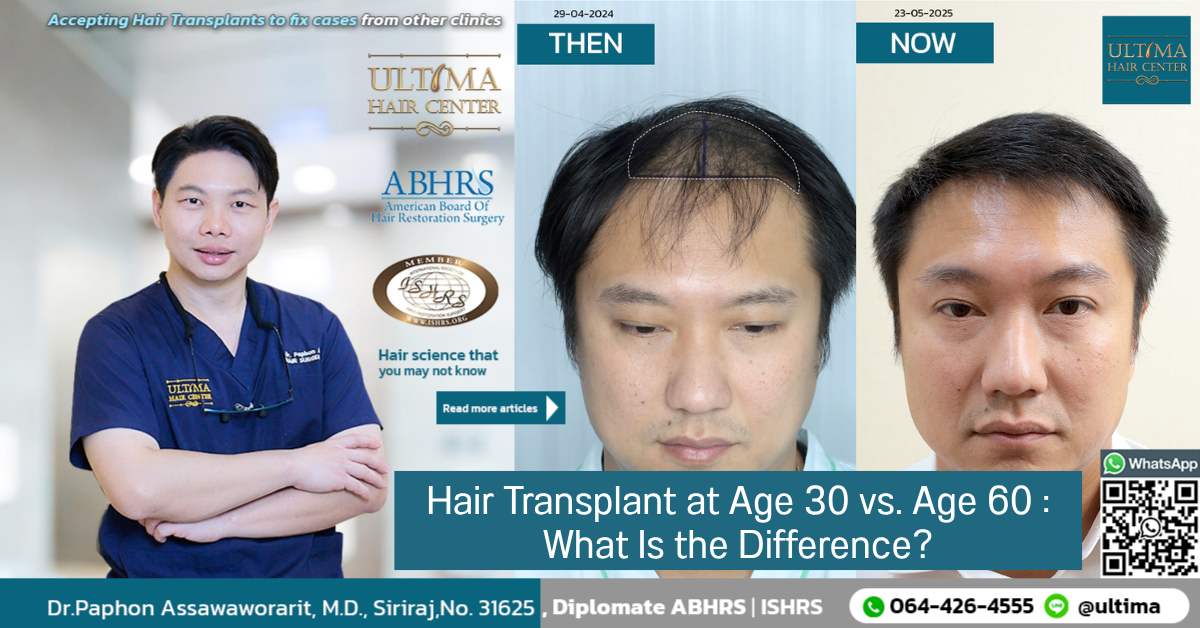
What You Should Know Before Deciding to Have a Hair Transplant
Age is one of the factors that should be considered before undergoing a hair transplant. However, this does not mean that someone in their 30s must use one particular technique while someone in their 60s must use another
The more important differences are the pattern of hair loss, the likelihood of future hair loss progression, the condition of the donor area, overall health, expectations, and long-term graft planning
A 30-year-old may already have significant hair loss and be a suitable candidate for a hair transplant, while some 60-year-olds may still have a strong donor area and be able to achieve good results
On the other hand, some people in their 30s may not be suitable for immediate hair transplantation if their hair loss is still progressing rapidly
Therefore, a more appropriate question than “At what age can I have a hair transplant?” is:
“Is my current hair loss pattern suitable for a hair transplant, and how should my treatment be planned?”
This article compares hair transplantation at age 30 and age 60, including differences in hair loss patterns, donor area assessment, FUE and FUT, graft planning, expectations, and important considerations before and after a hair transplant
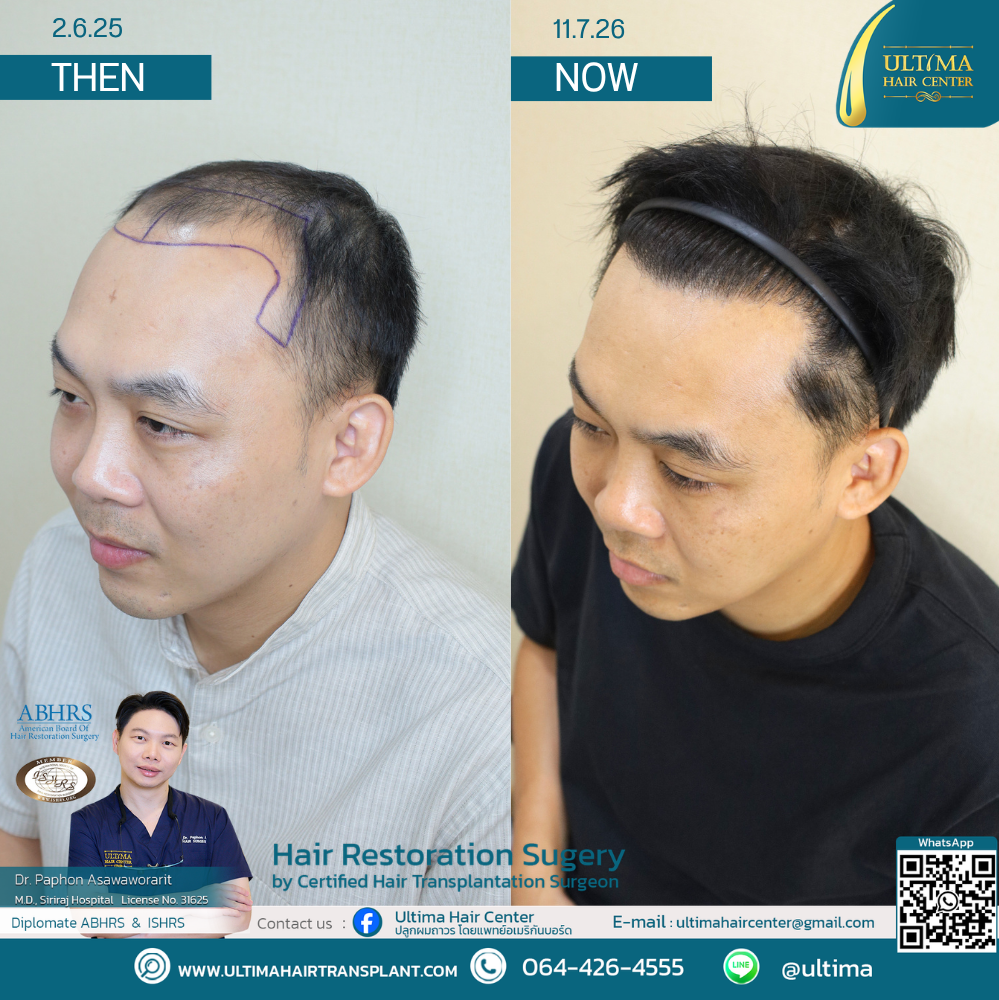 How Is Hair Transplantation Different at Age 30 and Age 60?
The general differences can be summarized as follows:
| Factor | Around Age 30 | Around Age 60 |
|---|---|---|
| Hair loss pattern | May still be changing | Often more established |
| Long-term planning | Extremely important | Still important, with more historical information available |
| Donor area | Long-term progression should be considered | Quality and density should be assessed |
| Hairline design | Should be designed appropriately for age and facial structure | Can be planned according to age and facial structure |
| Graft usage | Long-term planning is particularly important | Grafts should be used appropriately for the target areas |
| Hair loss medication | May have a role in some patients | Should be considered based on health and suitability |
| FUE / FUT | Both may be suitable depending on the individual | Both may be suitable depending on the individual |
| Main goal | Long-term planning | Appropriate goals based on age and individual needs |
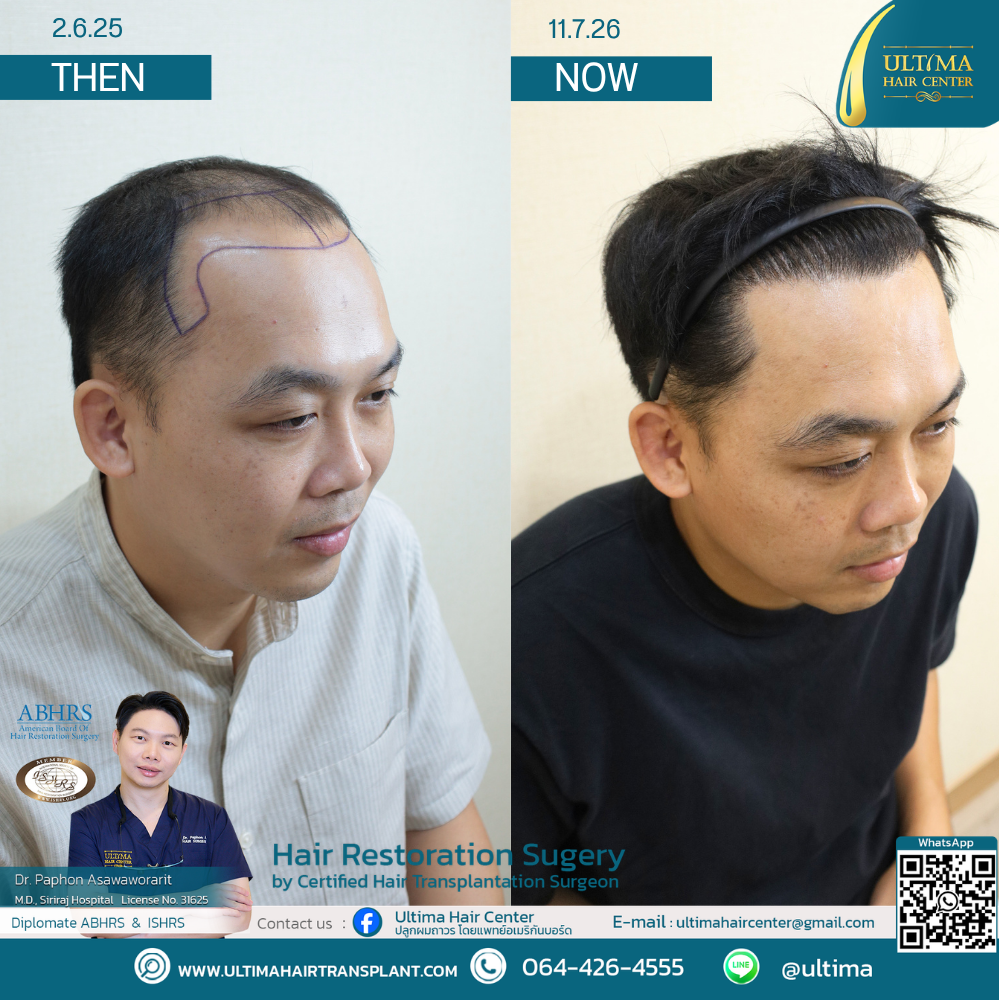 This table is only a general overview. Actual suitability should always be assessed on an individual basis
Can You Have a Hair Transplant at Age 30?
Yes, some people in their 30s can be suitable candidates for a hair transplant
Being 30 years old is not a contraindication to hair transplantation
However, one particularly important factor is whether the hair loss is still progressing
Some people in their 30s may already have a clearly receding hairline and significant thinning, while others may only be at the beginning of their hair loss
If a hair transplant is performed too early in someone whose hair loss is still progressing, a situation may develop where:
The transplanted hair remains, while the original hair around it continues to thin
This may mean that additional treatment or another transplant could need to be considered in the future
For this reason, people in their 30s should pay particular attention to long-term planning
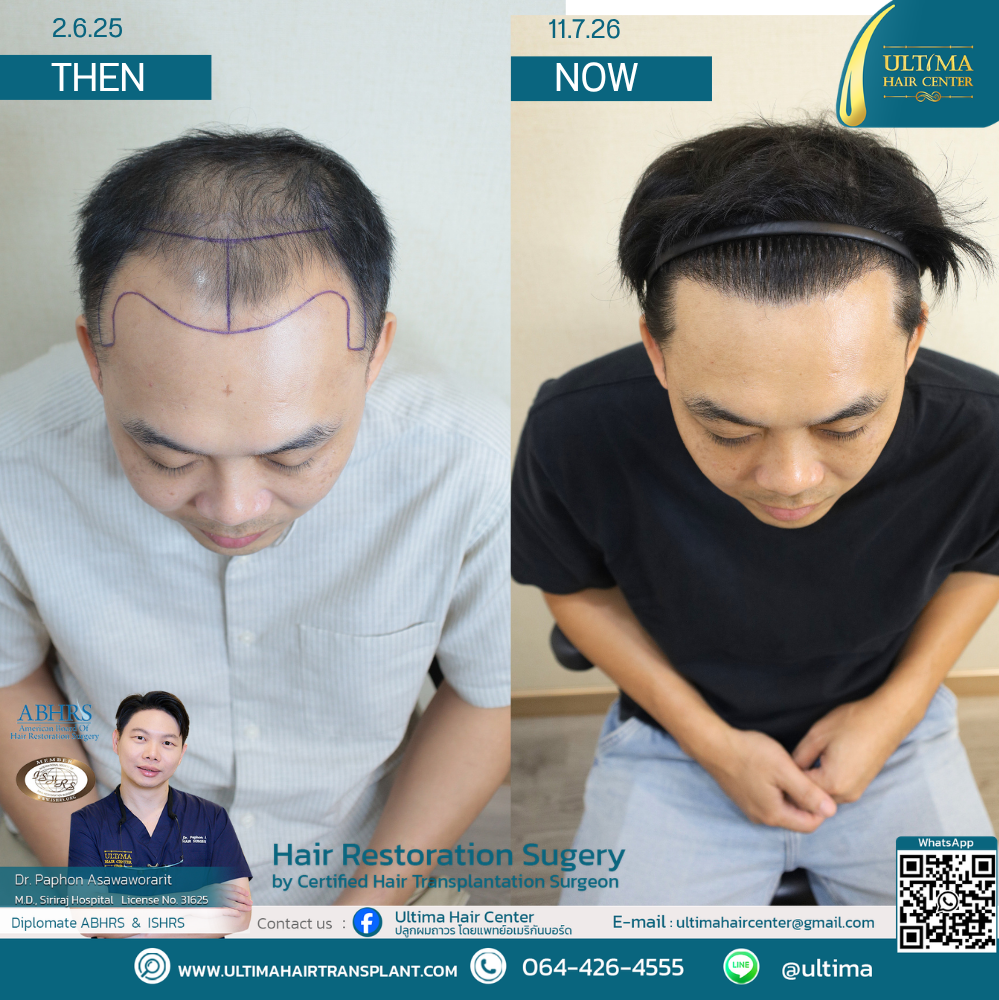 Can You Have a Hair Transplant at Age 60?
Being 60 years old does not automatically mean that you cannot have a hair transplant
If a person’s overall health is suitable, the scalp is healthy, and the donor area contains an adequate supply of suitable grafts, hair transplantation may be considered
A doctor may assess factors such as:
- Overall health
- Existing medical conditions
- Current medications
- Scalp condition
- Hair quality
- Donor area density
- The number of available grafts
- The patient’s expectations
Therefore, age alone should not be used as the deciding factor
The Most Important Difference Is the “Pattern and Progression of Hair Loss”
This is particularly important for people in their 30s
Imagine two people with a similar degree of hair loss
One is 30 years old
The other is 60 years old
Both may want a hair transplant, but their treatment plans could be different
The reason is that the 30-year-old may still experience significant changes in their hair loss pattern over the following years
Meanwhile, a 60-year-old may have a longer history of hair loss, giving the doctor more information about how the pattern has developed over time
This does not mean that a 60-year-old cannot experience further hair loss. Rather, the doctor may have a clearer picture of the individual’s hair loss pattern based on their history and current condition
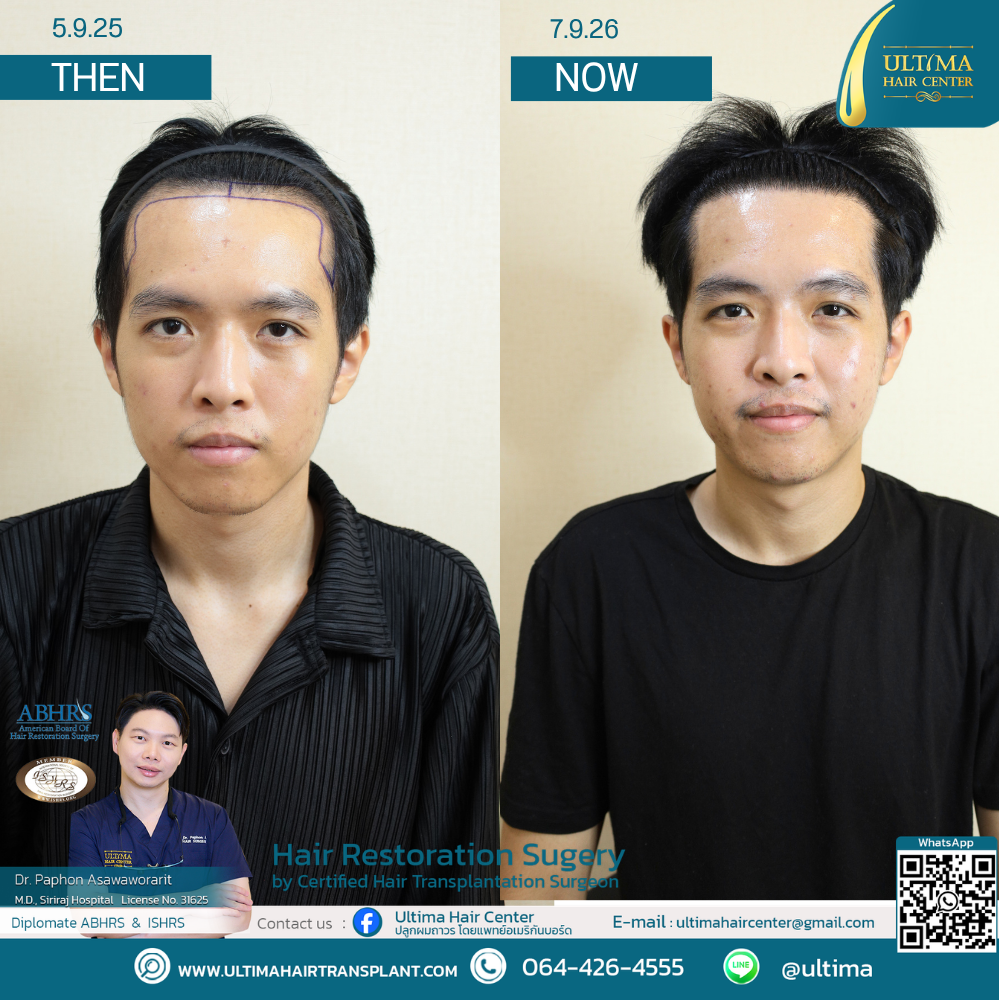 Why Should People in Their 30s Be Careful About Hairline Design?
A hairline that looks attractive at age 30 may not necessarily be the most appropriate hairline as the person gets older
If the hairline is designed too low and a large number of grafts are used, a significant amount of the donor area’s resources may be consumed
If the surrounding native hair becomes thinner in the future, this could create an imbalance
Therefore, hairline design in younger patients should consider:
- Current age
- Facial structure
- Family history
- Current hair loss pattern
- Donor area density
- Likely future hair loss
- Available grafts
- Long-term treatment planning
How Should the Hairline Be Designed for Someone in Their 60s?
For patients in their 60s, hairline design should be appropriate for their age and facial structure
There is no need to recreate an extremely youthful hairline simply to make someone look as young as possible
A balanced hairline that suits the individual’s face and age may provide a more appropriate overall appearance
The goal is not necessarily to make someone look as young as possible, but to create a result that suits their face, age, and personal goals
Do People in Their 30s Need More Grafts Than People in Their 60s?
Not necessarily
The number of grafts required does not depend on age alone. It also depends on:
- The area requiring transplantation
- Existing hair density
- The size of the thinning or bald area
- Hair shaft diameter
- The number of grafts available in the donor area
- The planned distribution of grafts
- The patient’s goals
Therefore, a 30-year-old may require fewer grafts than a 60-year-old, or the opposite may be true
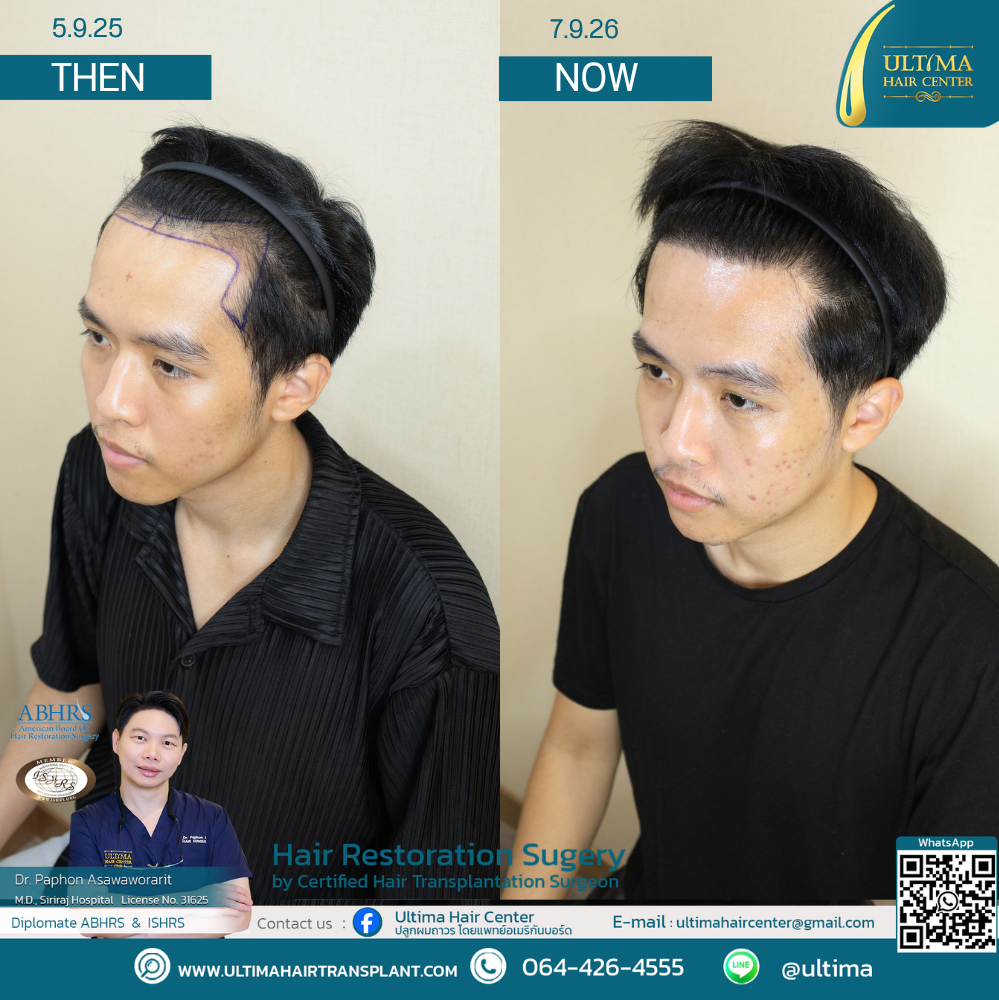 Can FUE and FUT Be Used at Both Age 30 and Age 60?
Both FUE and FUT may be considered for patients of different ages
Age alone does not determine which technique should be used
What Is FUE?
FUE, or Follicular Unit Excision, involves removing individual follicular units from the donor area and preparing them for transplantation into the recipient area
It may be suitable for some patients who prefer to avoid the linear scar associated with FUT
However, FUE also has limitations. For example, removing too many grafts may significantly reduce the density of the donor area
What Is FUT?
FUT, or Follicular Unit Transplantation, involves removing a strip of scalp from the donor area and then separating it into individual grafts for transplantation
One advantage is that it may allow a relatively large number of grafts to be harvested in certain cases
However, FUT produces a linear scar in the donor area, and scalp laxity and other individual factors need to be considered
Therefore, FUT is not specifically a technique for younger or older patients. Its suitability depends on the individual’s condition
Should a 30-Year-Old Choose FUE or FUT?
The decision should not be based on age alone
Factors to consider include:
- Donor area density
- Number of grafts required
- Previous hair transplant history
- Existing scars in the donor area
- Scalp laxity
- Potential future hair transplantation
For people in their 30s in particular, the choice of technique should take into account how the donor area may need to be managed over the long term
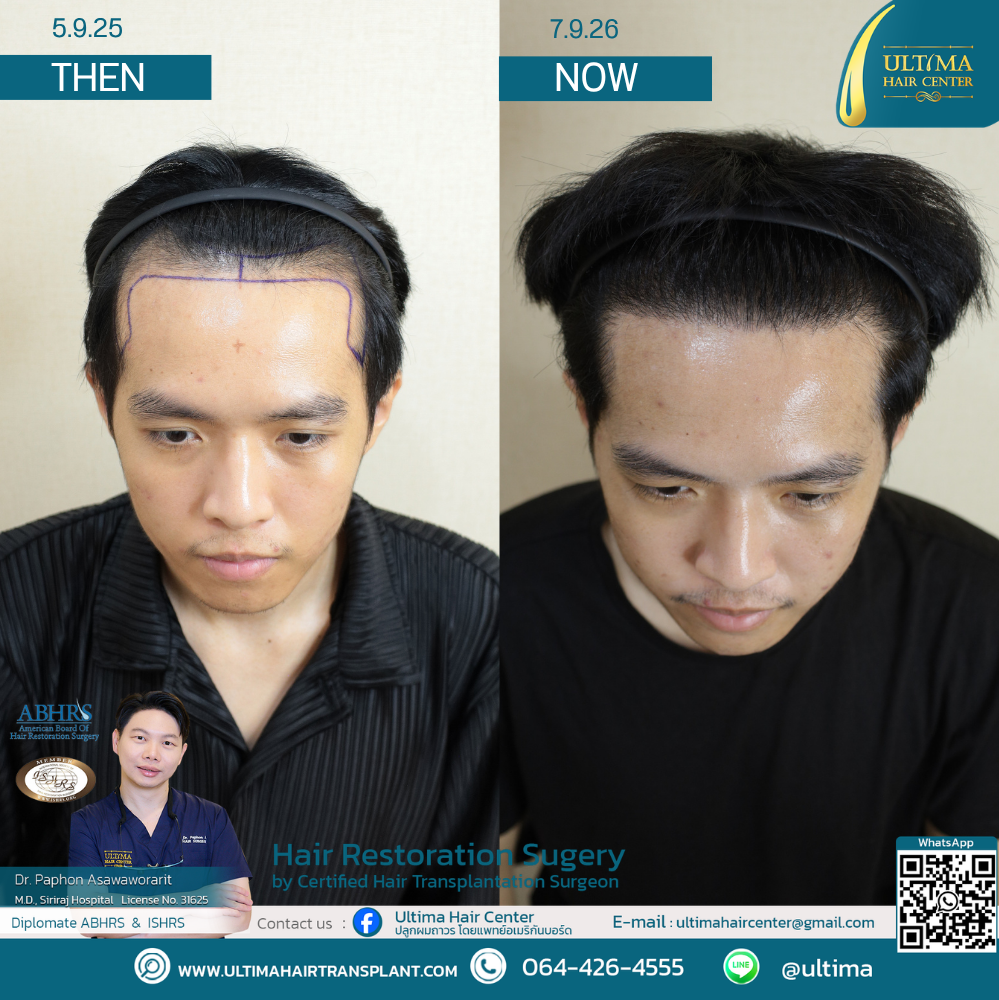 Should a 60-Year-Old Choose FUE or FUT?
Similarly, the answer cannot be determined by age alone
Some people in their 60s may have a strong donor area and may be suitable for FUE
Others may have characteristics that make FUT a more appropriate option
Some individuals may not be suitable for either technique at a particular point in time, which is why a medical assessment is important
What Should People in Their 30s Be Careful About Before a Hair Transplant?
1. Rushing Into a Hair Transplant Because of Hairline Concerns
Some people may notice mild hair loss and immediately want a transplant
However, it is important to determine whether hair transplantation is actually the most appropriate option
2. Designing the Hairline Too Low
Using a large number of grafts to create a very low hairline may leave fewer grafts available for future needs
3. Focusing Only on the Areas That Are Thin Today
Future areas of potential hair loss should also be considered
4. Expecting Excessive Density
Grafts should be used efficiently rather than simply trying to maximize the number of grafts used in one procedure
What Should People in Their 60s Be Careful About Before a Hair Transplant?
1. Overall Health
Patients should inform their doctor about existing medical conditions and medications
2. Scalp Condition
Any scalp disease, inflammation, or other skin condition should be assessed before the procedure
3. Donor Area Density
As people age, hair characteristics and density may change. The donor area should therefore be assessed carefully before treatment
4. Expectations
Treatment goals should be realistic and appropriate for the individual’s hair condition and available grafts
Will Hair Continue to Thin After a Hair Transplant at Age 30?
There is a possibility that the patient’s native hair will continue to thin, which is an important consideration for younger patients
A hair transplant adds grafts to selected areas, but it does not necessarily stop the native hair in other areas from becoming thinner
For some patients, additional hair loss treatment may therefore be considered
Treatment planning should take into account both the transplanted grafts and the native hair that remains
Can Hair Continue to Thin at Age 60?
Yes, there is still a possibility of further changes in hair density
Getting older does not necessarily mean that hair loss completely stops
However, the pattern and progression of hair loss vary from person to person
A doctor should therefore assess the current condition together with the patient’s previous history when developing a treatment plan
Does Hair Loss Medication Differ According to Age?
It may
There are several medications used for hair loss, and each has different indications, precautions, and potential side effects
For someone in their 30s, a doctor may consider medical treatment for hair loss in certain cases to help maintain existing native hair
For someone in their 60s, medication decisions should take into account:
- Existing medical conditions
- Current medications
- Overall health
- Potential risks associated with each medication
Patients should not start oral medications or other hair loss treatments on their own without consulting a doctor
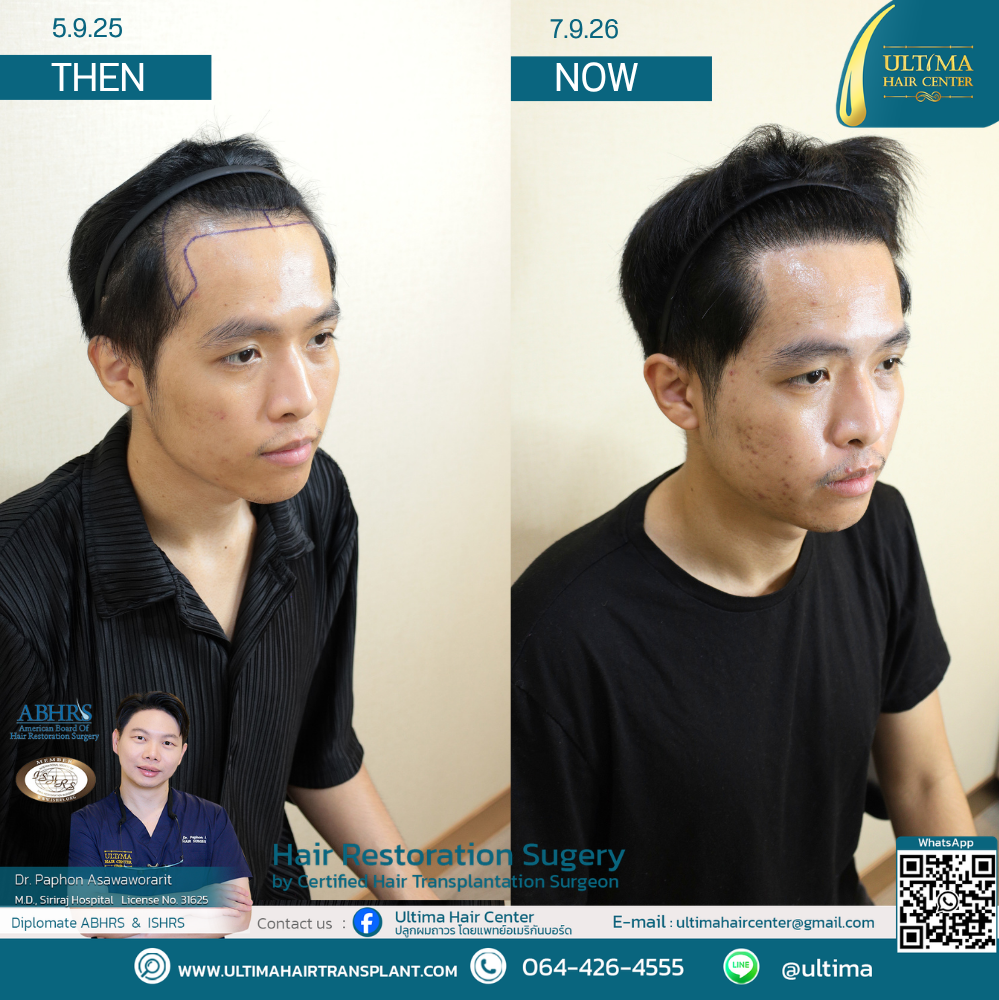 Does Age Affect Recovery After a Hair Transplant?
Recovery does not depend on age alone
Other factors may include:
- Overall health
- Blood circulation
- Smoking
- Existing medical conditions
- Medications
- Scalp condition
- Hair transplant technique
- Post-operative care
Therefore, a healthy 60-year-old may recover well, while a 30-year-old with certain risk factors may recover more slowly
Who Is More Suitable for a Hair Transplant: Someone Age 30 or Age 60?
There is no single age that is automatically more suitable
What matters more is the individual’s hair condition and overall health
A 30-year-old with a clearly established hair loss pattern, a suitable donor area, and an appropriate treatment plan may be a good candidate for hair transplantation
Likewise, a healthy 60-year-old with a good donor area may also be a suitable candidate
Hair Transplantation in Your 30s Requires You to “Think About the Future”
This may be one of the most important considerations
For someone in their 30s, a hair transplant should not be viewed simply as a way to correct the areas that are thinning today
Instead, it is worth asking:
“If my hair loss progresses over the next 10–20 years, what will my treatment plan be?”
Grafts should therefore be planned carefully rather than using a large number of grafts simply to achieve the highest possible density in a single procedure
Hair Transplantation in Your 60s Requires a Focus on Quality and Suitability
Treatment goals may be different for someone in their 60s compared with someone in their 30s
Some patients may want to improve density at the front
Some may want to reduce visible scalp
Some may want to refine their hairline
Others may want to add density to the crown
The treatment plan should therefore prioritize the areas that are likely to provide the greatest overall improvement while using the available grafts appropriately
 What Should You Consider for a Natural-Looking Hair Transplant?
Whether you are 30 or 60, several principles are important
The Hairline Should Suit the Face
The hairline should not be designed exactly the same way for every patient
Graft Placement Should Be Appropriate
The frontal area requires careful consideration of how density transitions from the hairline into the thicker areas behind it
Hair Direction Should Match the Existing Hair
The direction and angle of transplanted hair should be planned in relation to the patient’s existing hair
Density Should Match the Available Grafts
The desired density must be considered together with the number of available grafts
The Donor Area Must Be Planned Carefully
This is particularly important for younger patients who may experience further hair loss in the future
These principles are part of a quality-focused approach to hair transplantation
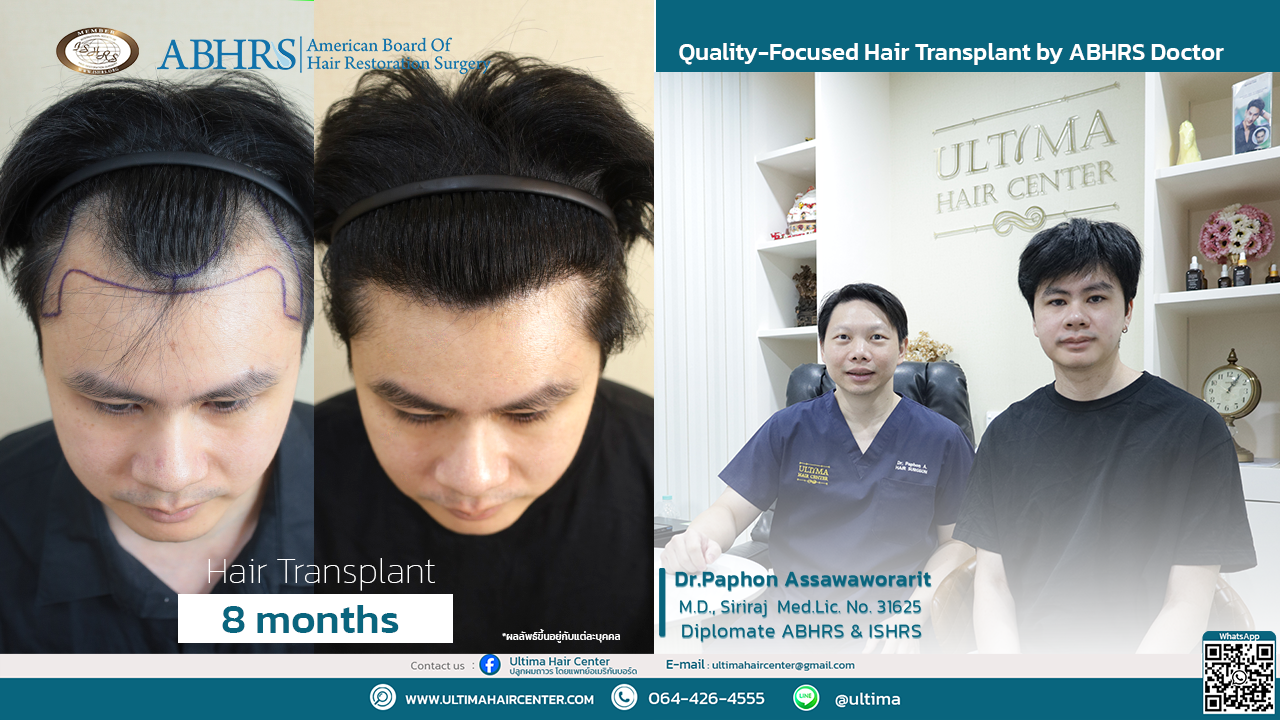
Is Choosing an ABHRS-Certified Hair Restoration Physician Important?
For those considering a hair transplant with an ABHRS-certified physician, ABHRS certification can be considered as one of the factors when selecting a hair restoration physician
This can be particularly relevant because hair transplantation requires individualized planning
However, patients should consider ABHRS certification together with other factors, including:
- Pre-operative assessment
- Graft planning
- Hairline design
- Understanding of the donor area
- Choice of technique
- Graft handling
- Post-operative follow-up
The final result does not depend solely on the name of the technique or one professional credential
 Looking for a Hair Transplant Clinic in Bangkok’s Krungthep Kreetha–Bang Kapi Area? What Should You Consider?
If you are searching for a hair transplant clinic in the Krungthep Kreetha–Bang Kapi area, it is important not to choose based only on price or the number of grafts offered
Consider:
- Who performs the assessment?
- Can you communicate directly with the doctor before and after the procedure?
- Does the doctor develop the treatment plan?
- Is the donor area properly assessed?
- Is future hair loss discussed?
- Are the advantages and limitations of FUE and FUT explained?
- Is there a structured follow-up process?
This can be particularly important for patients in their 30s, who may require more long-term planning rather than focusing only on a single procedure
Ultima Hair Center Focuses on Individualized Hair Transplant Planning
At Ultima Hair Center, hair transplant planning should take into account each patient’s individual hair condition and goals rather than applying exactly the same approach to everyone
Whether you are 30, 40, 50, or 60 years old, important factors include:
Donor Area
Hair Loss Pattern
Number of Grafts
Target Areas
Future Hair Loss Potential
and Patient Expectations
Age is therefore only one part of the overall assessment
Dr. Ming Personally Responds to Patients Before They Decide on a Hair Transplant
Being able to communicate directly with a doctor can help patients better understand the hair transplant process
For patients interested in a hair transplant with Dr. Ming, questions about age, FUE, FUT, and long-term graft planning can be discussed before making a decision
Dr. Ming personally responds to patient messages
Questions may include:
- Should someone at age 30 have a hair transplant now?
- Can someone at age 60 have a hair transplant?
- Should I choose FUE or FUT?
- Do I have enough grafts in my donor area?
- Should I prioritize the hairline or crown?
- Will I need another procedure in the future?
- Will my native hair continue to thin?
Patients interested in learning more can consult with Dr. Ming for free for an initial discussion
Preparing for a Hair Transplant at Age 30 vs. Age 60
Although the basic preparation may be similar, individual requirements can vary depending on overall health
Before a Hair Transplant, Inform Your Doctor About:
- Existing medical conditions
- Current medications
- Previous surgeries
- Drug allergies
- Previous hair transplant procedures
- Previous hair loss treatments
This information is particularly important for patients in their 60s, who may have more medical considerations to review
How Should You Care for Your Hair After a Hair Transplant?
Whether you are 30 or 60, post-operative care is important
In general, patients should:
- Follow the doctor’s instructions
- Handle the transplanted area carefully
- Avoid scratching or trauma to the scalp
- Take prescribed medications as directed
- Maintain scalp hygiene according to medical instructions
- Avoid activities that the doctor recommends limiting during the early recovery period
- Attend scheduled follow-up appointments
Specific instructions may vary depending on whether FUE or FUT was performed and on the patient’s individual condition
Summary: Hair Transplant Differences Between Age 30 and Age 60
The most important difference is not simply the patient’s age
It is the “context of the hair transplant”
For People in Their 30s
Particular attention should be given to:
- Long-term planning
- Hair loss progression
- Maintaining native hair
- Conserving donor grafts
- Designing a hairline appropriate for age
For People in Their 60s
Particular attention should be given to:
- Overall health
- Existing medical conditions and medications
- Donor area quality
- Available grafts
- Age-appropriate goals
- Prioritizing the areas that can provide the greatest overall improvement
However, both age groups share the same fundamental principle:
Each patient should be assessed individually, and the hair transplant approach should be selected according to the patient’s actual condition rather than age alone
 Conclusion: Can You Have a Hair Transplant at 30 or 60?
Hair transplantation at age 30 and age 60 may differ in terms of hair loss progression, long-term planning, overall health, and expectations. However, neither age group is automatically more suitable for hair transplantation
FUE and FUT may both be considered for patients of different ages, depending on the condition of the donor area, number of available grafts, target areas, and overall treatment plan
For people in their 30s, one of the most important principles is not to use all available grafts to address today’s hair loss without considering what may happen in the future
For people in their 60s, overall health, donor area quality, and realistic treatment goals should be given particular attention
For those looking for a hair transplant clinic in the Krungthep Kreetha–Bang Kapi area, Ultima Hair Center may be considered by patients who value individualized assessment and treatment planning
Patients interested in a hair transplant with Dr. Ming can consult with Dr. Ming for free, with Dr. Ming personally responding to patient messages to discuss their concerns and initial treatment options
For patients who value physician credentials, an ABHRS-certified hair restoration physician can be considered together with the physician’s experience, graft planning, donor area assessment, and follow-up care
Ultimately, a quality-focused hair transplant is not about using the largest possible number of grafts. It is about planning graft use carefully and selecting an approach that is appropriate for each individual’s hair, facial features, age, and future needs
Book your consultation today and let your journey begin with someone you can truly trust.
Contact Us:
Dr. Paphon Asawaworarit (Dr. Ming)
Physician Directory ABHRS
Ultima Hair Center (Thailand Website)
Ulitma Hair Transplant (English Website)
Line: @ultima
E-mail: ultimahaircenter@gmail.com
