

Where Should You Get a Hair Transplant? How to Choose the Right Hair Transplant Clinic and Doctor?
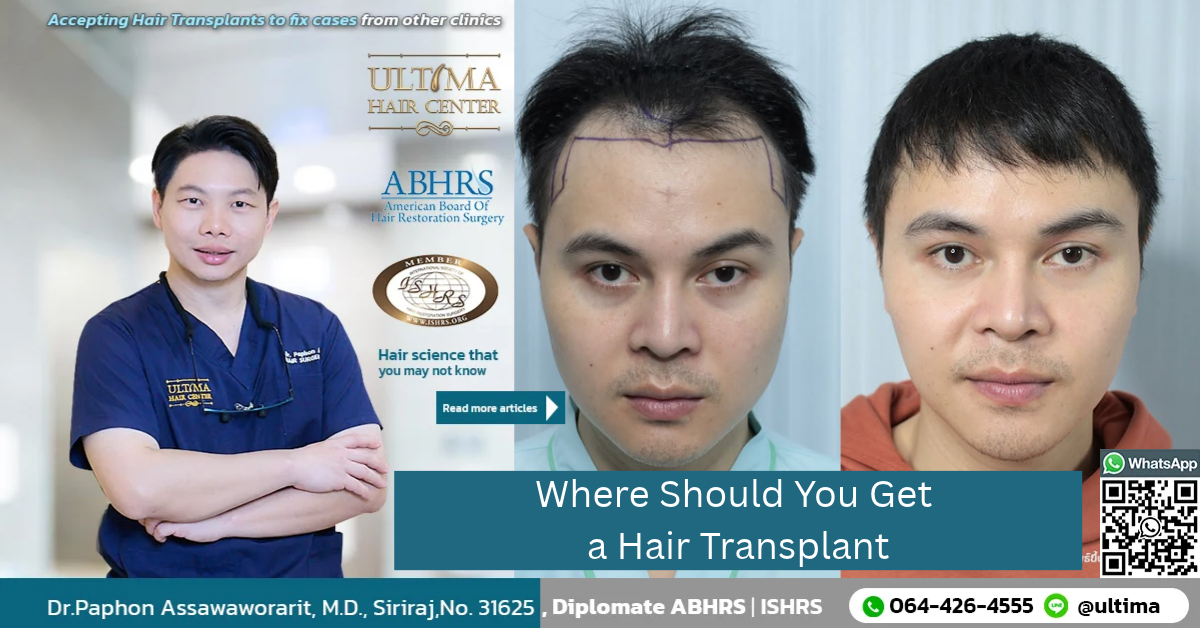
What You Should Know Before Making a Decision
Because You Want the Right Results, Not Just the Lowest Price
Where Should You Get a Hair Transplant? An Important Question Before Making a Decision
“Where should I get a hair transplant?”
This is one of the most common questions people search for before deciding how to treat thinning hair or baldness. Today, there are many hair transplant clinics, and each clinic may offer different techniques, prices, promotions, and approaches to patient care
However, choosing where to have a hair transplant should not be based only on which clinic has the lowest price or offers the largest number of grafts
A hair transplant requires careful planning, starting with identifying the cause of hair loss, designing the hairline, evaluating the donor area, determining the appropriate number of grafts, and providing appropriate follow-up care after the procedure
Therefore, if you are searching for where to get a hair transplant, the question you should ask yourself may be:
“Can this doctor and clinic develop a treatment plan that is appropriate for me?”
rather than simply asking:
“Which clinic is the cheapest?”
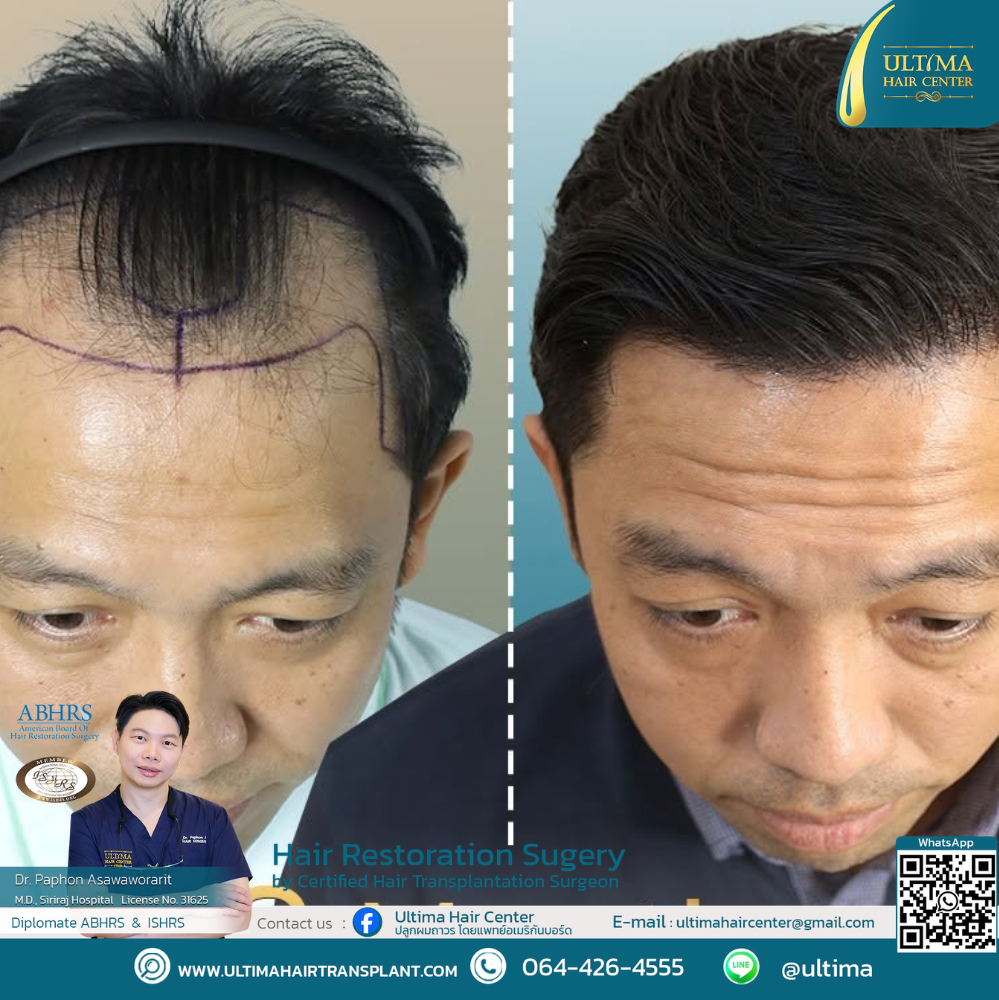 7 Important Factors to Consider When Choosing Where to Get a Hair Transplant
Before choosing a hair transplant clinic, consider at least these 7 important factors:
- Does the doctor evaluate the patient and develop the treatment plan?
- Does the doctor have appropriate qualifications and training in hair transplantation?
- Does the clinic evaluate the cause of hair loss before recommending a hair transplant?
- Does the clinic properly evaluate the donor area and the appropriate number of grafts?
- Does the doctor explain the limitations and realistic expectations of the results?
- What type of post-operative care does the clinic provide?
- Are the price and treatment details clearly explained?
These factors can help you compare different hair transplant clinics in a more systematic way
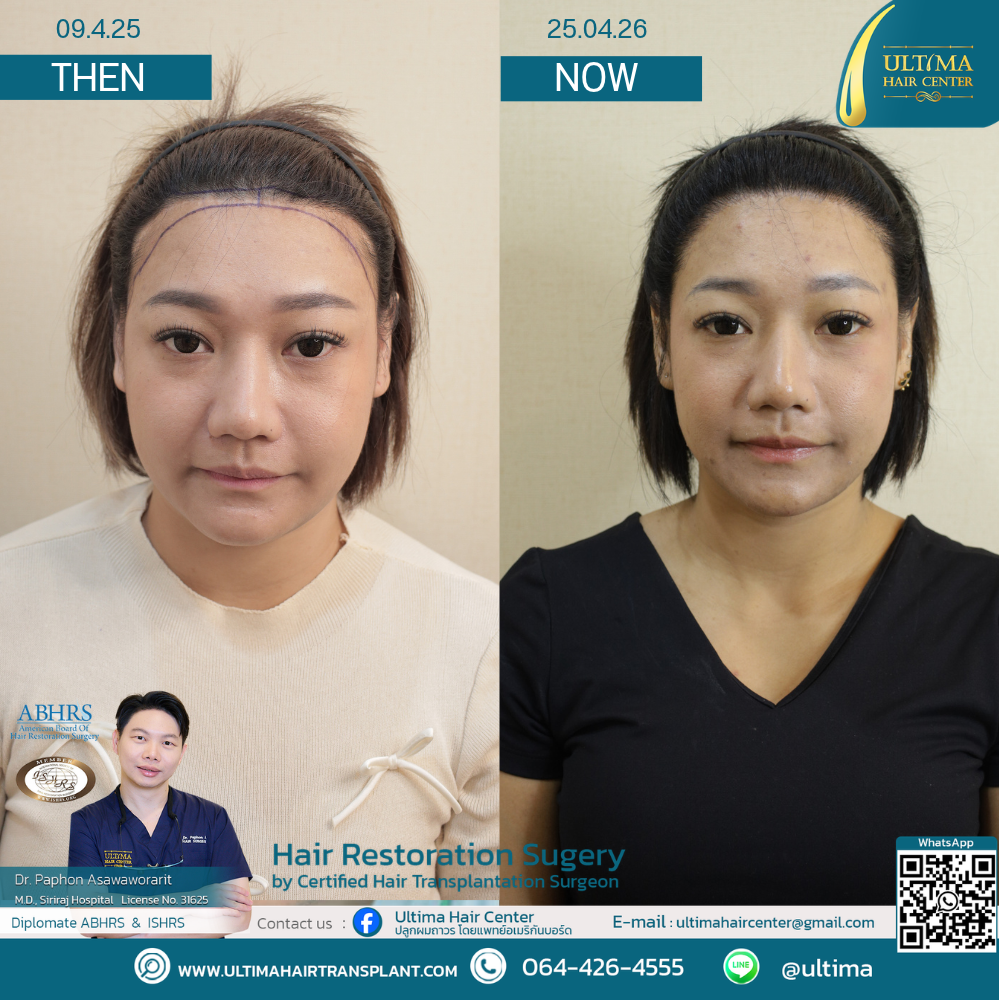 1. Choose a Clinic Where the Doctor Evaluates Your Hair Loss
The first thing to consider when looking for a hair transplant clinic in Bangkok is who will actually evaluate your hair-loss condition
Hair transplantation is not a one-size-fits-all treatment
Every patient is different in terms of:
- Age
- Pattern of hair loss
- Hair density
- Size of the area requiring transplantation
- Size and quality of the donor area
- Single-hair and multi-hair follicular units
- Hair and skin color
- Hair characteristics
- Potential future hair loss
Therefore, a proper pre-operative evaluation is extremely important
If the initial consultation focuses mainly on “How many grafts do I need?” and “How much does it cost?” without a detailed assessment of the overall hair-loss condition, patients should ask additional questions before making a decision
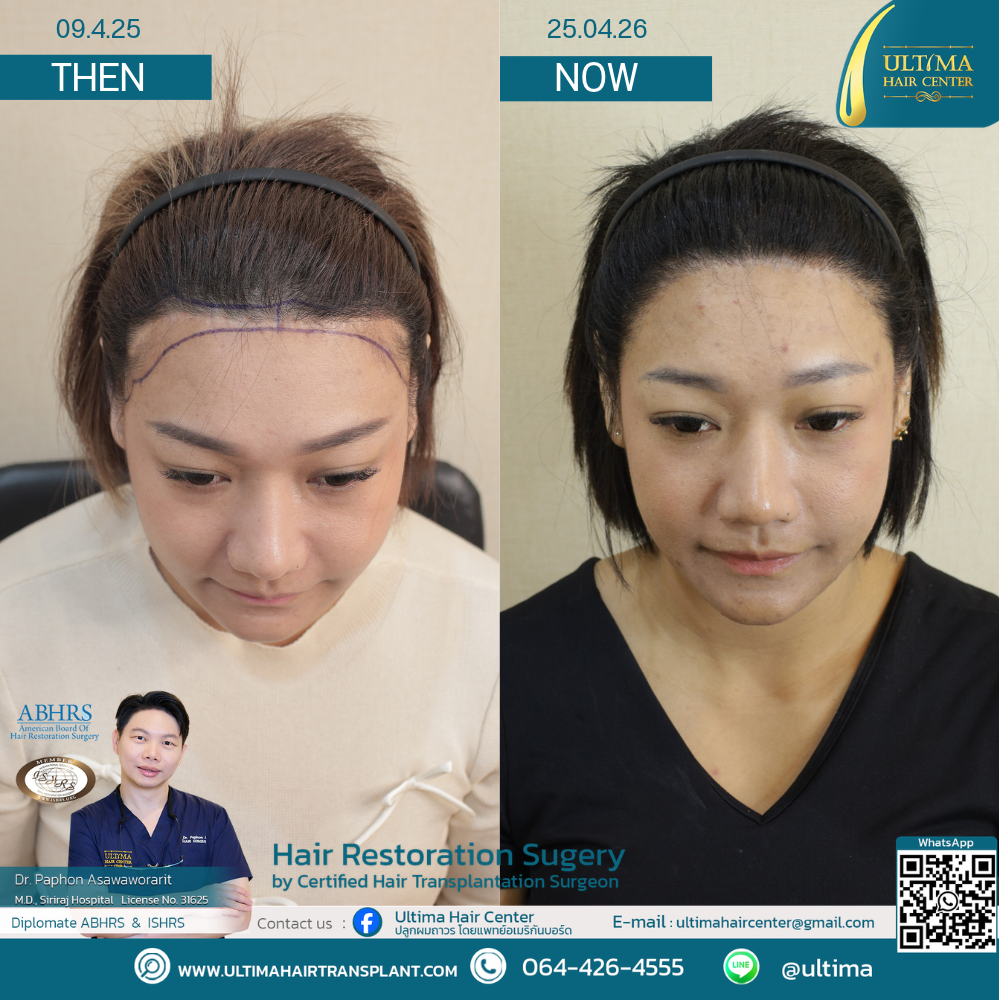 2. Check the Doctor’s Qualifications
Choosing the right doctor is another important factor
Patients can check information such as:
- Medical license
- Hair-transplant training
- Experience in hair restoration
- Membership in professional organizations
- Relevant qualifications or certifications
For patients who place importance on professional certification in hair restoration, one option is to consider a doctor certified by the American Board of Hair Restoration Surgery, or ABHRS
Therefore, having a hair transplant with an American Board-certified ABHRS physician is one of the factors patients may consider when making their decision
However, a certification should not be considered on its own. It should be evaluated together with the doctor’s treatment-planning approach, patient assessment, results, and post-operative care
 3. The Clinic Should Explain the Cause of Hair Loss Before Recommending a Hair Transplant
Having thinning hair does not necessarily mean that everyone needs a hair transplant immediately
Hair loss can have many different causes, including:
- Genetic or pattern hair loss
- Alopecia areata
- Hair loss associated with certain medical conditions
- Medication-related hair loss
- Hair loss following illness
- Stress-related hair loss
- Scalp conditions
- Hair loss associated with scarring
Therefore, before deciding where to get a hair transplant, ask whether the clinic evaluates the underlying cause of your hair loss
For some patients, non-surgical hair-loss treatment may be more appropriate than surgery at that particular time
For patients who are suitable for hair transplantation, a good treatment plan should begin with a detailed evaluation of the hair and scalp
 4. Check Whether the Clinic Evaluates the Hair at the Back of the Scalp
One issue that some patients overlook is focusing too much on the area where they want more hair
In reality, the donor area at the back of the scalp is extremely important
This is because the grafts used for transplantation are obtained from the donor area
If too many grafts are removed, the donor area may appear thinner
Therefore, the doctor should evaluate:
- Hair density
- Hair characteristics
- The number of grafts that can potentially be harvested
- Graft quality
- Hair distribution
- Previous hair transplant procedures
before determining the appropriate number of grafts
This is one reason why hair transplantation should not become a competition over “who can provide the most grafts”
Because more grafts do not necessarily mean better results
 5. Do Not Look Only at the Number of Grafts
The term “graft” is something patients should understand clearly
A single graft may contain more than one hair
Therefore, simply saying “3,000 grafts” does not provide enough information to predict what the final result will look like
Additional questions to ask include:
- How many grafts will be used?
- How many hairs are contained in the grafts on average?
- Where will the grafts be harvested from?
- Where will the grafts be placed?
- What is the density of the donor area?
- Does the treatment plan take future hair loss into account?
All of these factors are important for treatment planning and may be more meaningful than the graft number alone
 6. What Is the Difference Between FUE and FUT?
When asking where to get a hair transplant, another important factor to understand is the technique used by the clinic
The two main techniques commonly used to harvest hair grafts include:
FUE — Follicular Unit Excision
FUE, or Follicular Unit Excision, involves removing follicular units individually from the donor area without removing a strip of scalp
One advantage is that it does not create a linear scar from strip removal. Instead, multiple small extraction sites are created throughout the donor area
FUT — Follicular Unit Transplantation
FUT involves removing a strip of scalp from the donor area and then separating it into individual follicular units for transplantation into the recipient area
One potential advantage of FUT is that it can allow a relatively large number of grafts to be harvested from the donor area in selected cases without extracting each graft individually as with FUE
However, FUT results in a linear scar in the donor area, so the technique must be evaluated based on the individual patient’s characteristics and goals
 What Is DHI?
DHI, or Direct Hair Implantation, is a term frequently used in the hair transplant market
However, it is important to understand that DHI is not a third graft-harvesting technique separate from FUE and FUT
The term DHI is commonly used to describe a method or approach for placing grafts into the recipient area, potentially using an implanter-type device
Therefore, patients should not choose a clinic simply because it advertises “DHI.” Instead, ask clearly:
“Which technique is used to harvest the grafts, and which method is used to implant the grafts?”
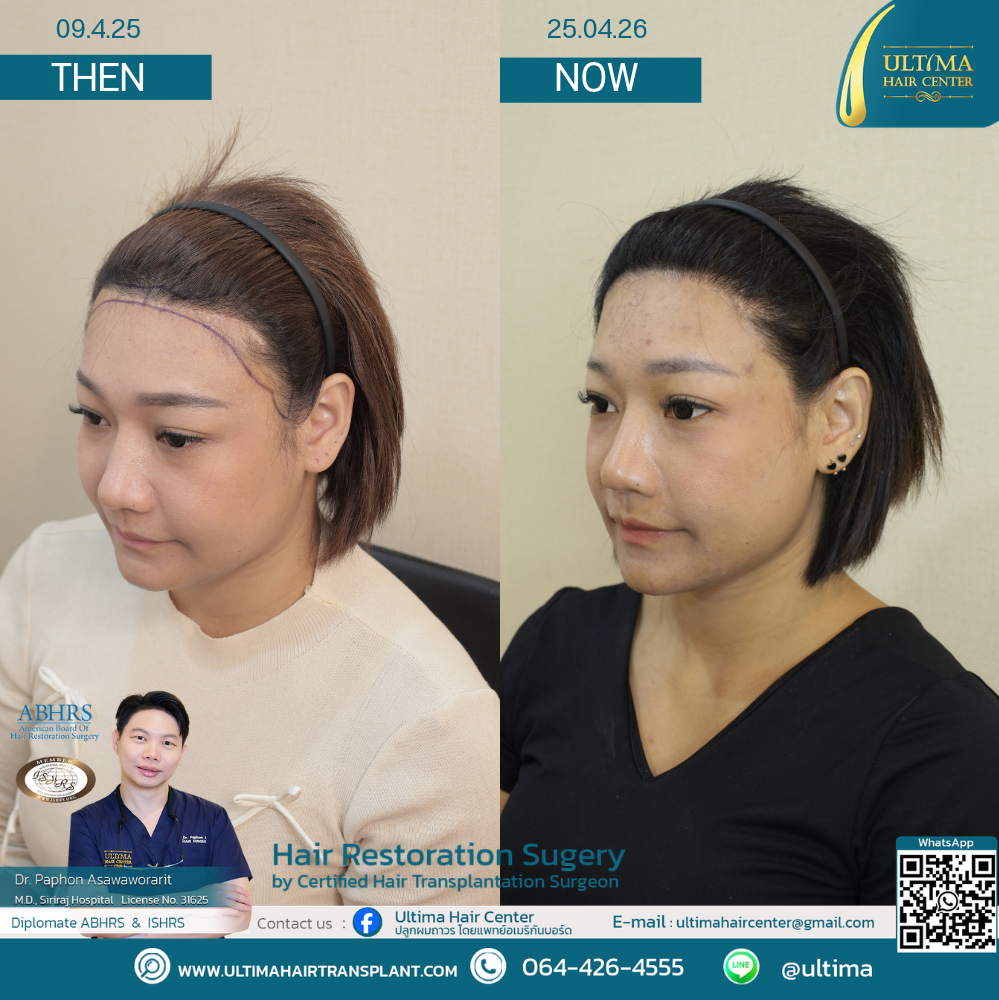
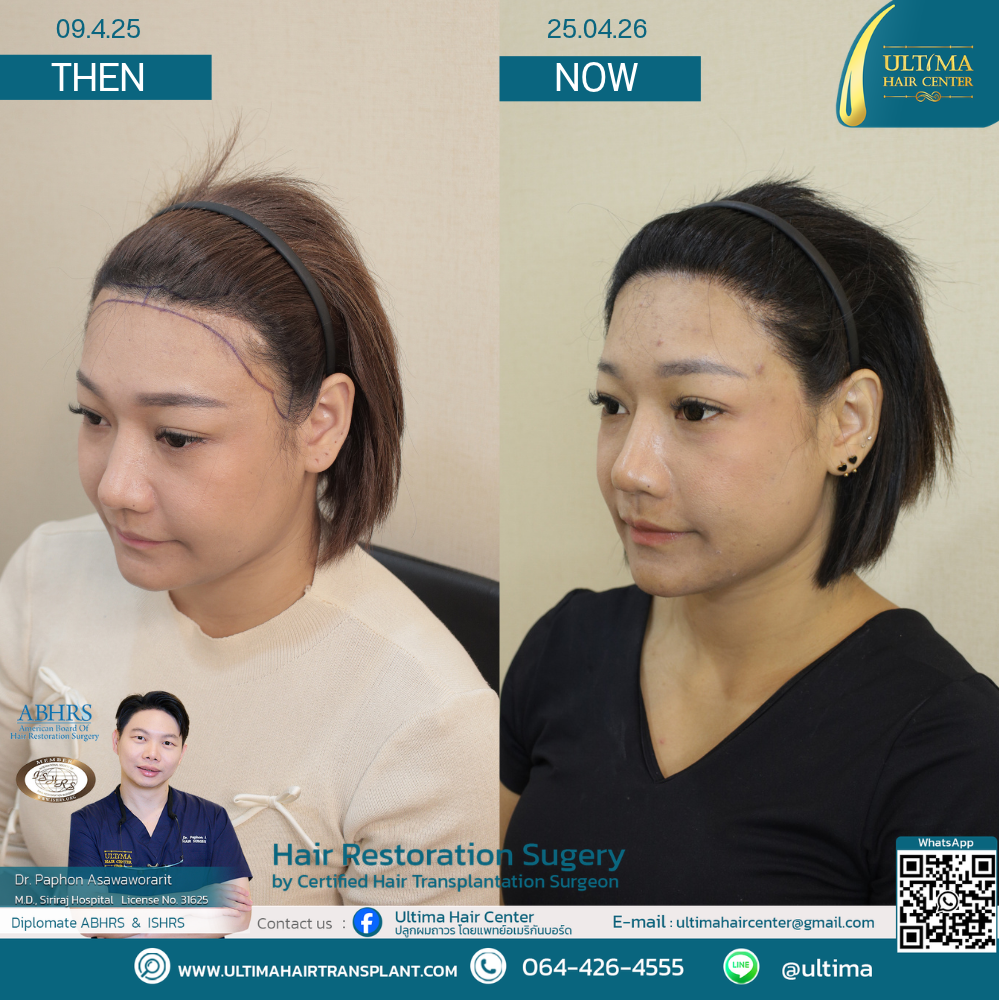
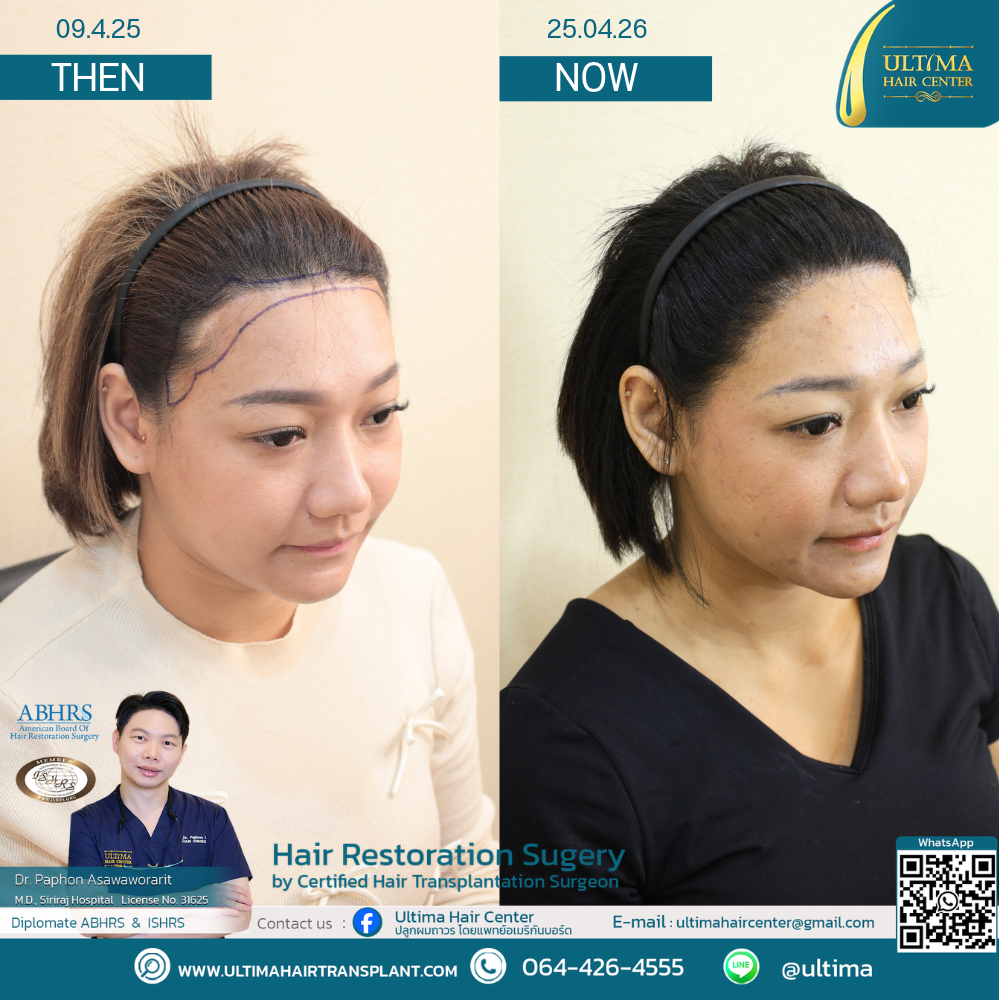
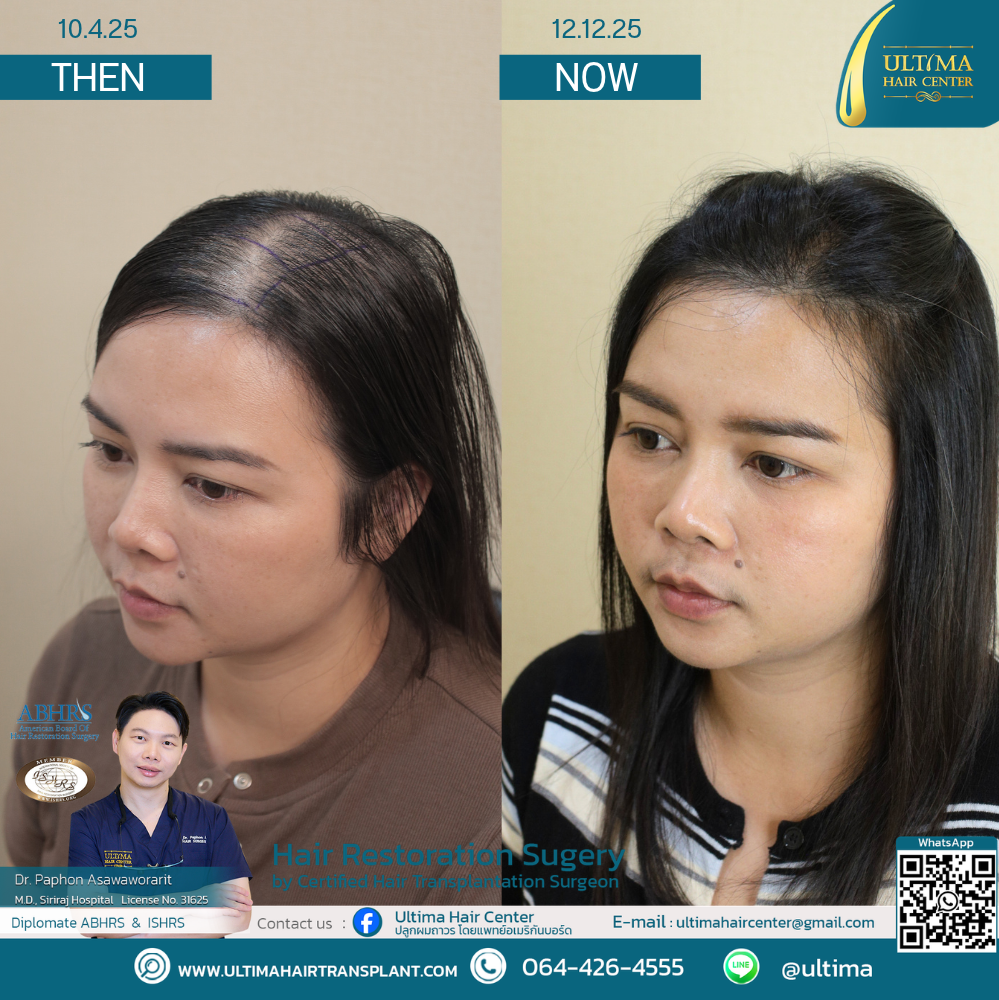
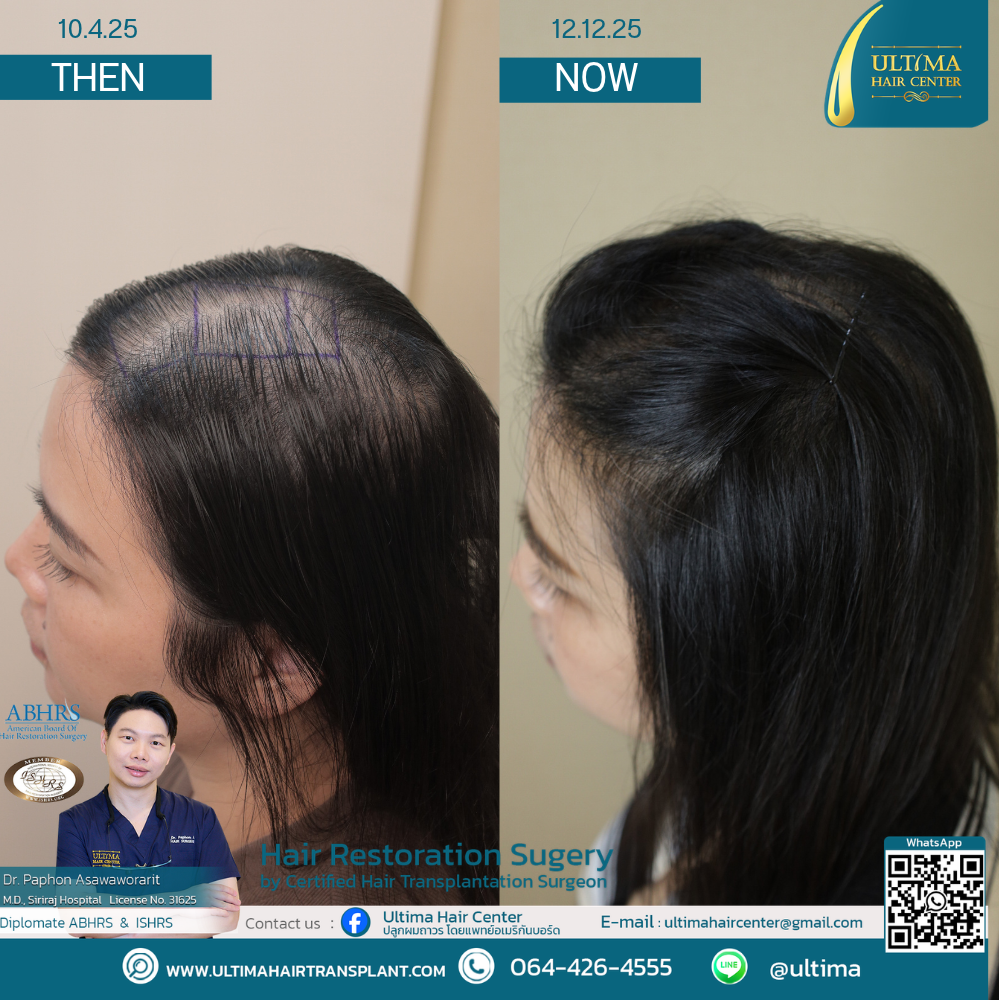
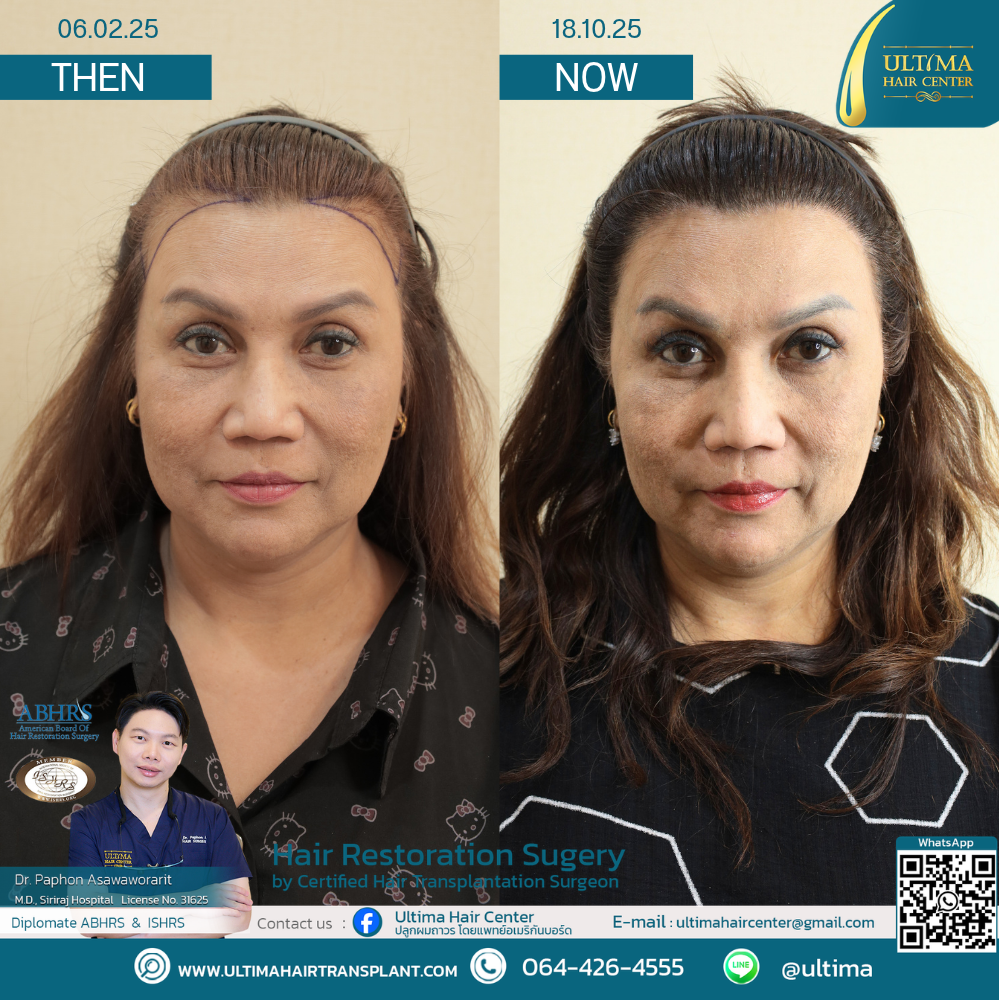
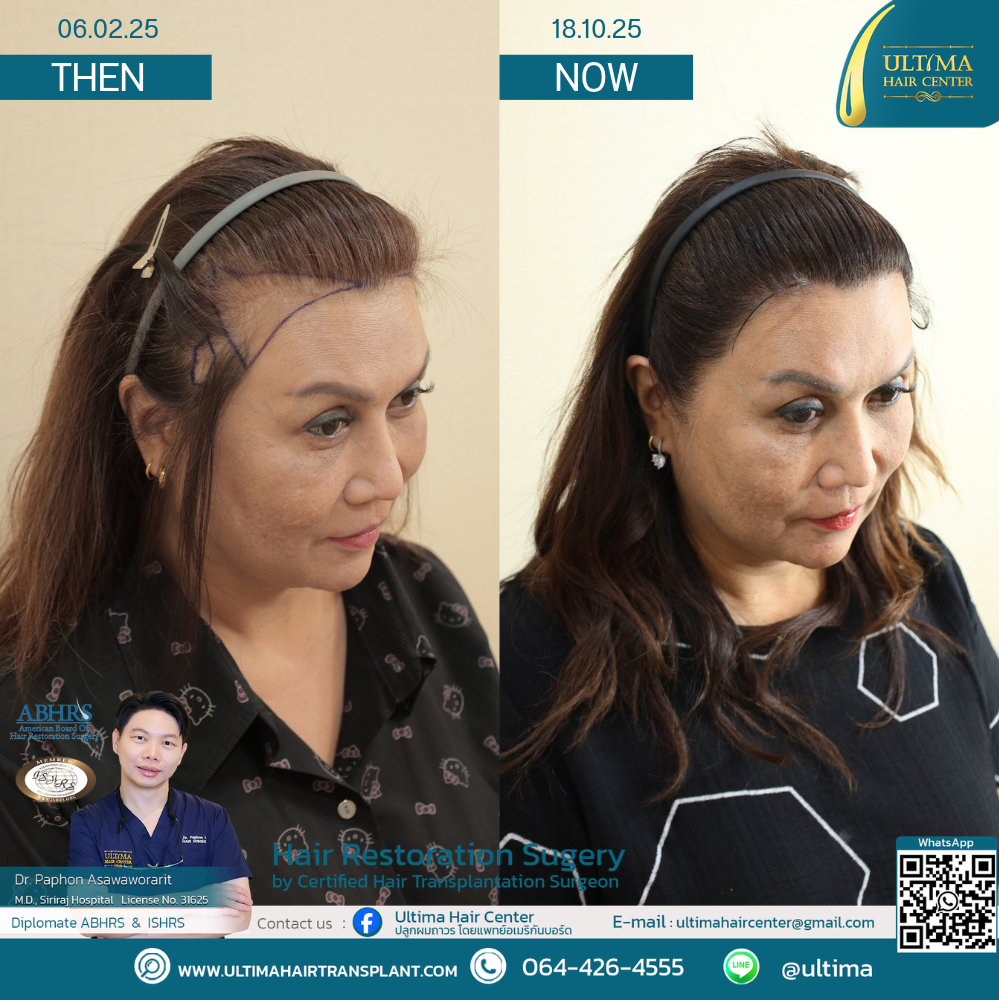
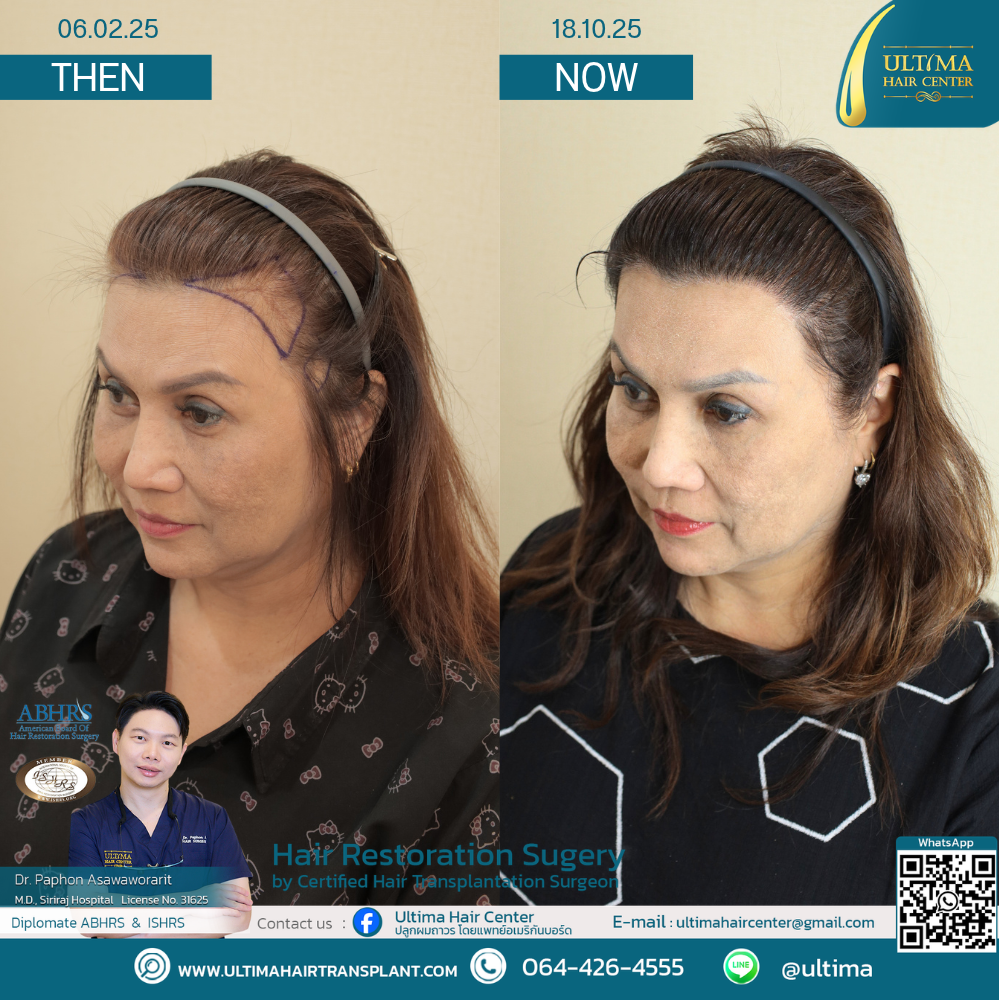
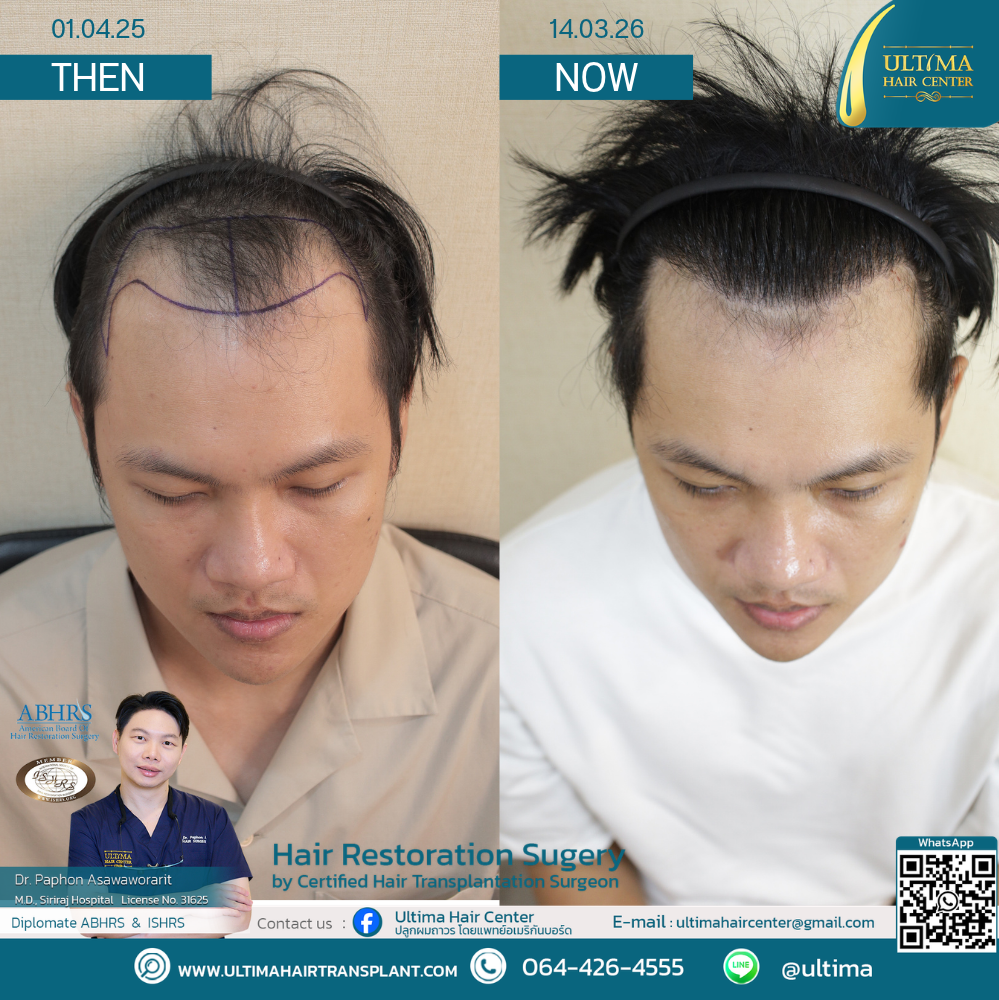
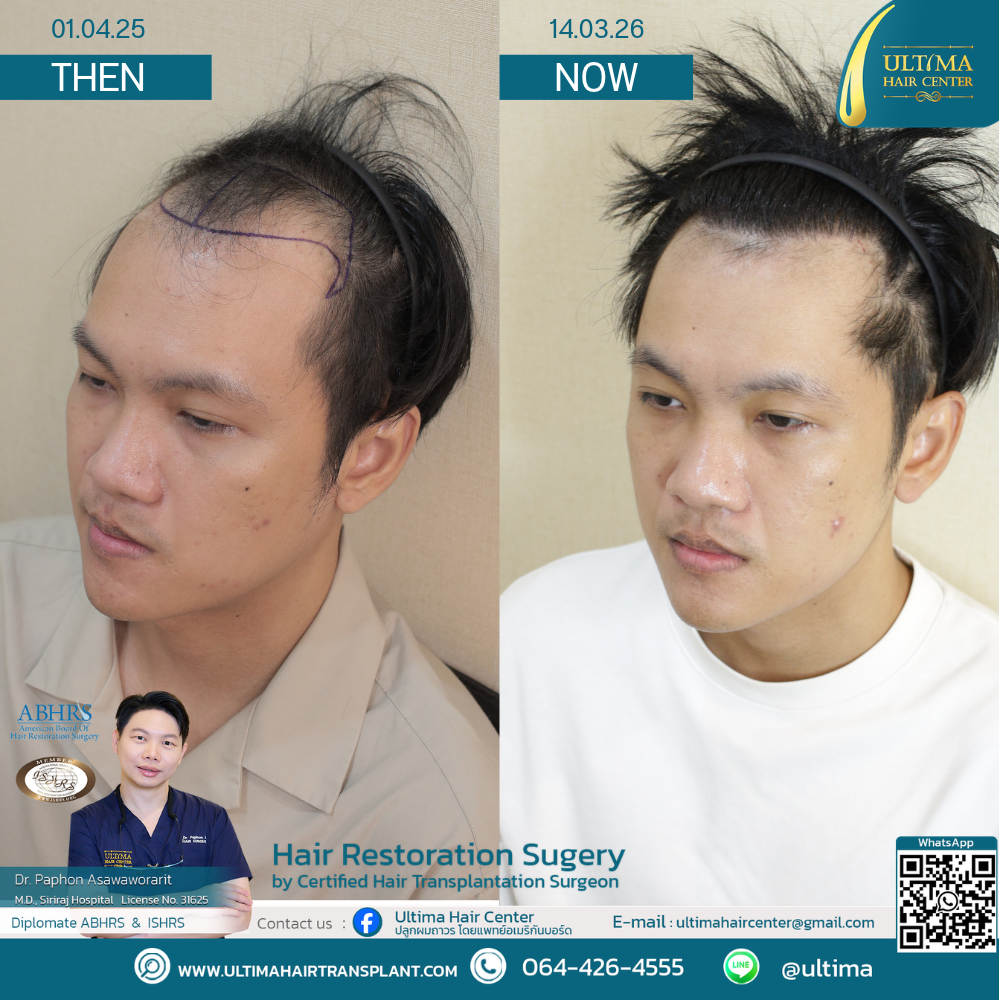
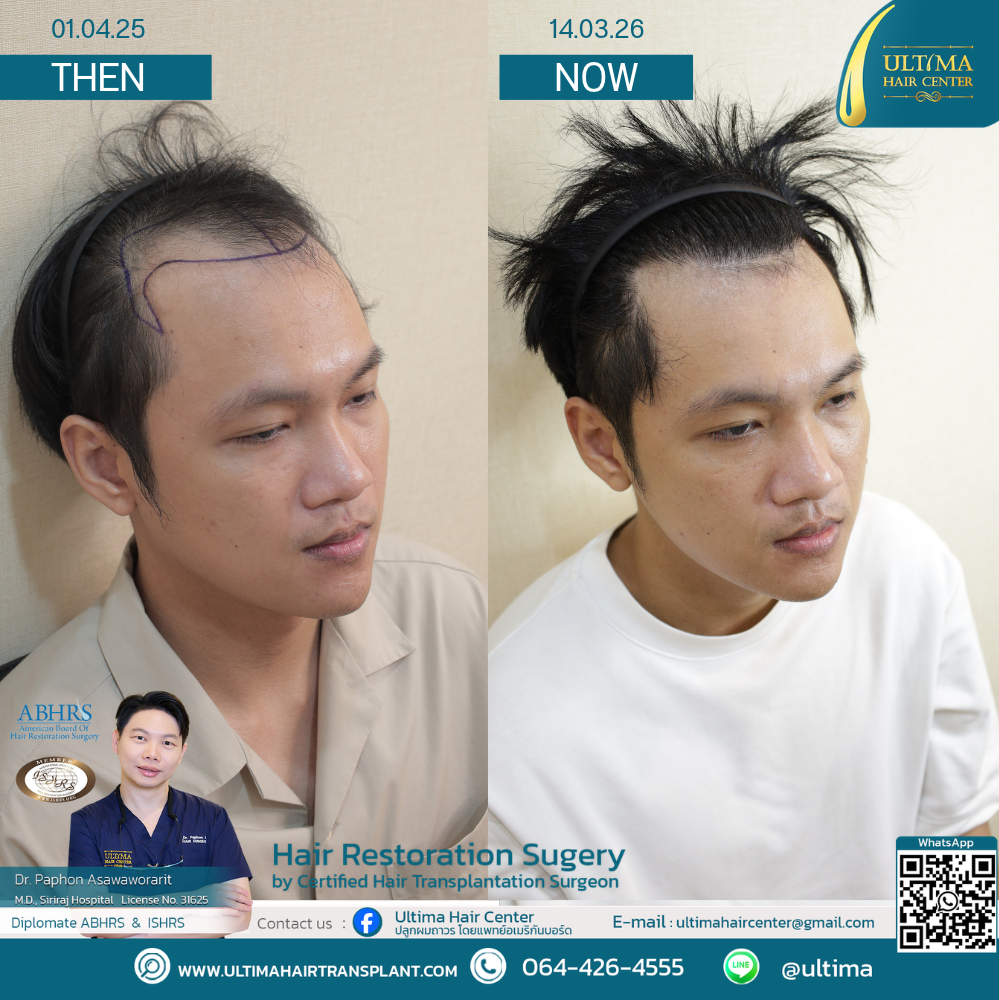
 7. Look at the Doctor’s Real Hair Transplant Results
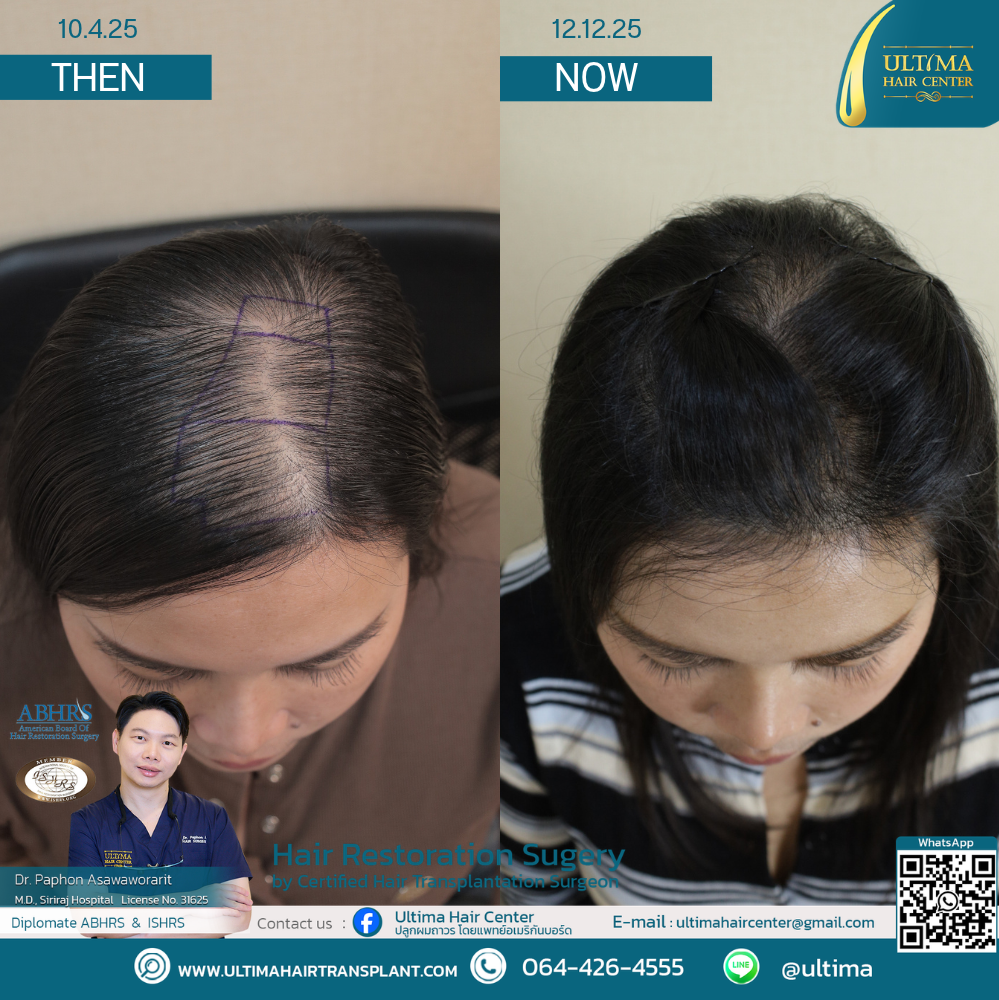
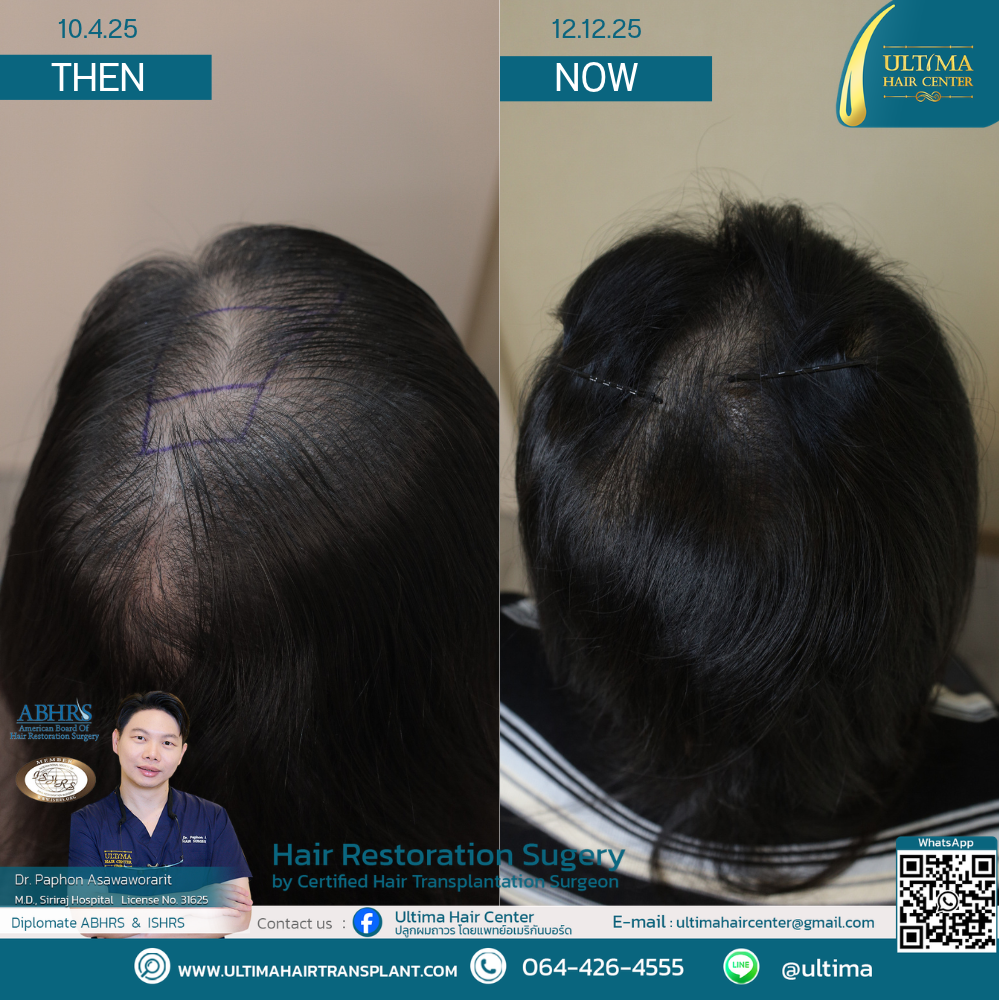
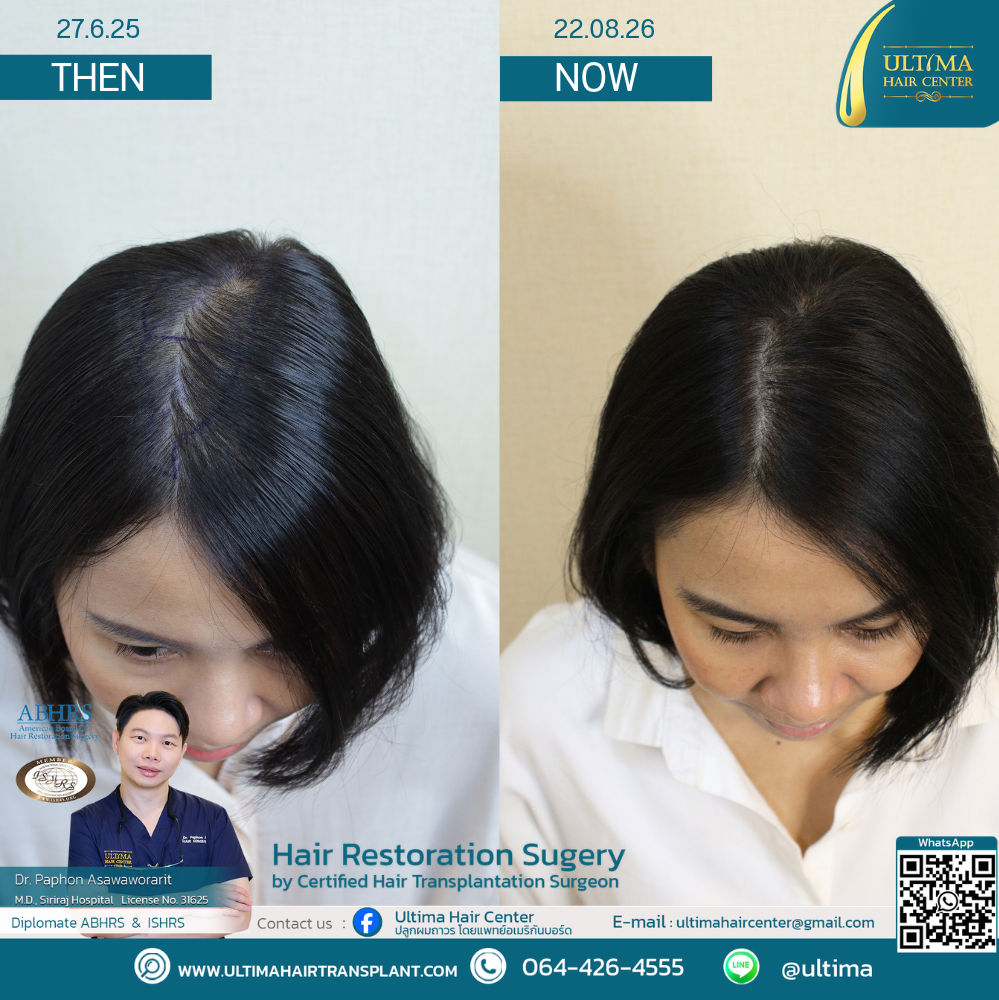
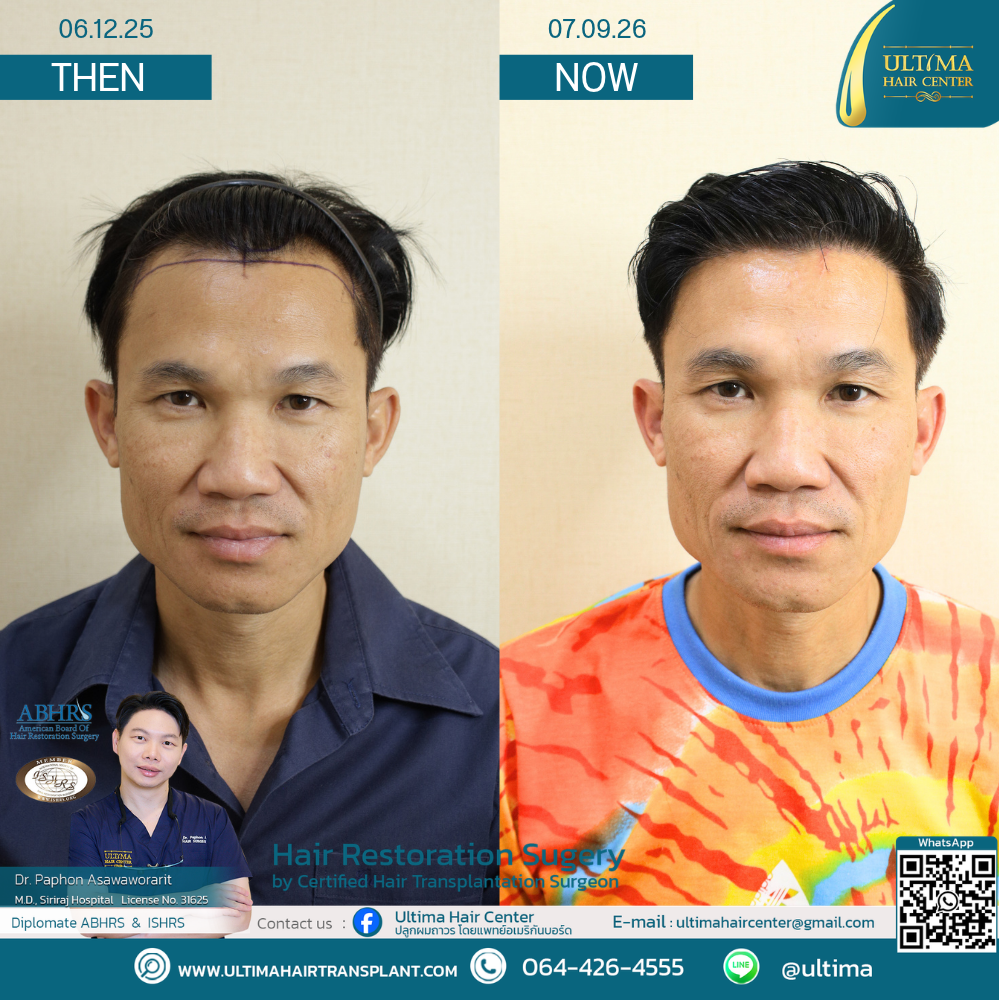
Before deciding where to get a hair transplant, reviewing before-and-after results can be useful
However, patients should evaluate these results carefully and consider:
- Are these actual patient results?
- How many months after the procedure were the photographs taken?
- Are pre-operative photographs available?
- How many grafts were used?
- Which area was transplanted?
- What was the patient’s original hair condition?
Because every patient is different, results cannot be compared based solely on before-and-after photographs without understanding the relevant details
 How Important Is the Price?
The questions “Where should I get a hair transplant and how much does it cost?” often come together
Hair transplant prices can vary considerably depending on factors such as:
- Technique used
- Number of grafts
- Doctor’s qualifications and experience
- Medical team
- Medical facility
- Pre- and post-operative care
- Complexity of the case
Therefore, patients should not compare clinics based solely on the price
For example:
Clinic A costs 100,000 THB
Clinic B costs 150,000 THB
This does not automatically mean that Clinic A or Clinic B provides better value
You need to understand what is included, how many grafts are planned, whether there are additional costs, and what type of care is provided
 Why “The Cheapest” May Not Be the Right Choice
Hair transplantation is a medical procedure involving surgery and the use of hair grafts from the donor area, which is a limited resource
If price is the only factor considered, patients may overlook important issues such as:
- Doctor’s qualifications
- Hairline design
- Donor-area evaluation
- Graft allocation
- Post-operative care
- The clinic’s ability to manage problems or complications if they occur
Therefore, consider changing the question from “Which clinic is the cheapest?” to:
“Which clinic is appropriate for me and provides a level of quality and medical care that I am comfortable with?”
 A Good Hair Transplant Clinic Should Also Explain the Limitations
Providing only the advantages of hair transplantation may lead patients to develop unrealistic expectations
A clinic providing comprehensive information should explain:
- What can be achieved
- What may be limited
- The available number of grafts
- The quality of the donor area
- The expected density
- How long it may take for the transplanted hair to grow
- Whether continued treatment for existing hair may be necessary
- Potential risks and limitations
Discussing limitations does not mean that hair transplantation is ineffective. It is an important part of establishing realistic expectations
 How Many Months Does It Take to See Hair Transplant Results?
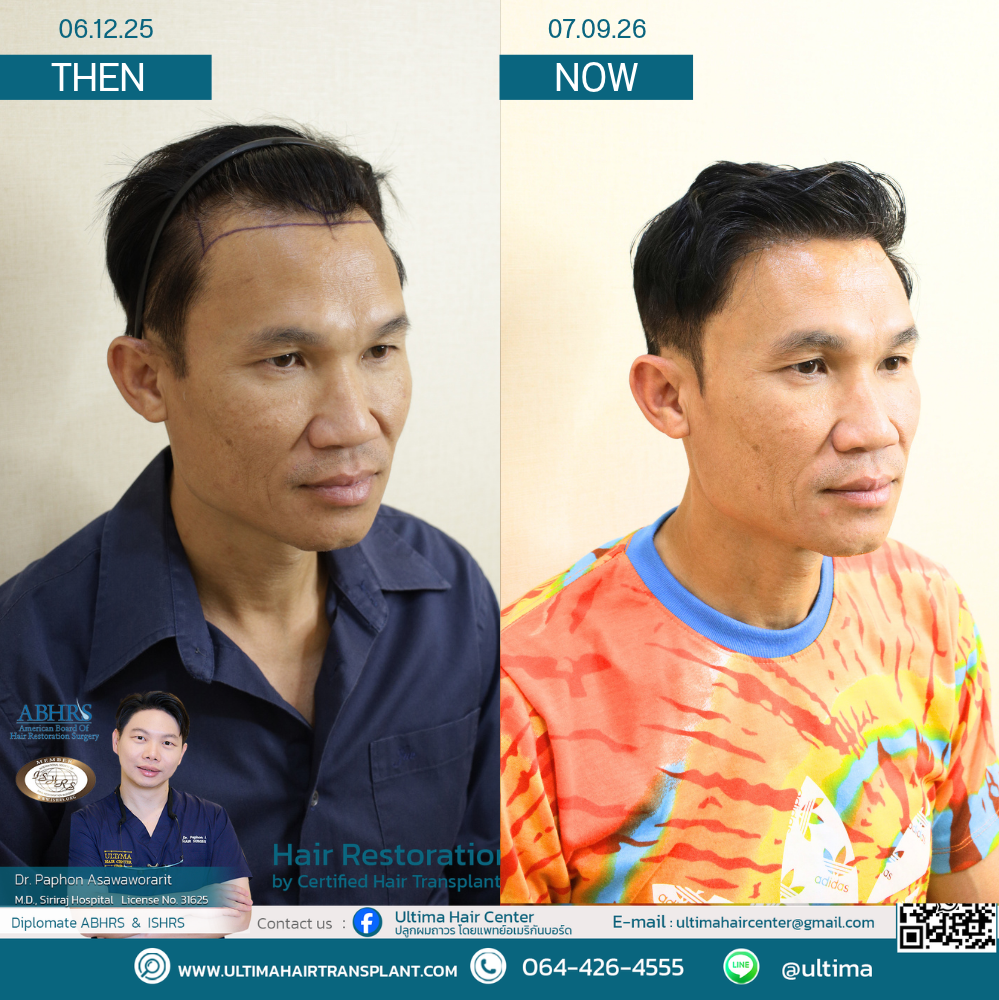
Many patients expect transplanted hair to grow immediately after the procedure
However, a hair transplant does not produce its final result within a few days
During the early stages, changes may occur in the transplanted hair, and it can take several months to see clear growth and development
In general, the result gradually changes according to the natural hair-growth cycle, and progress should be evaluated over time
Therefore, if a clinic communicates in a way that suggests patients will see the full result immediately after transplantation, it is reasonable to ask for more detailed information
 What Should You Consider for a Natural-Looking Hair Transplant?
Many patients do not simply want “more hair”
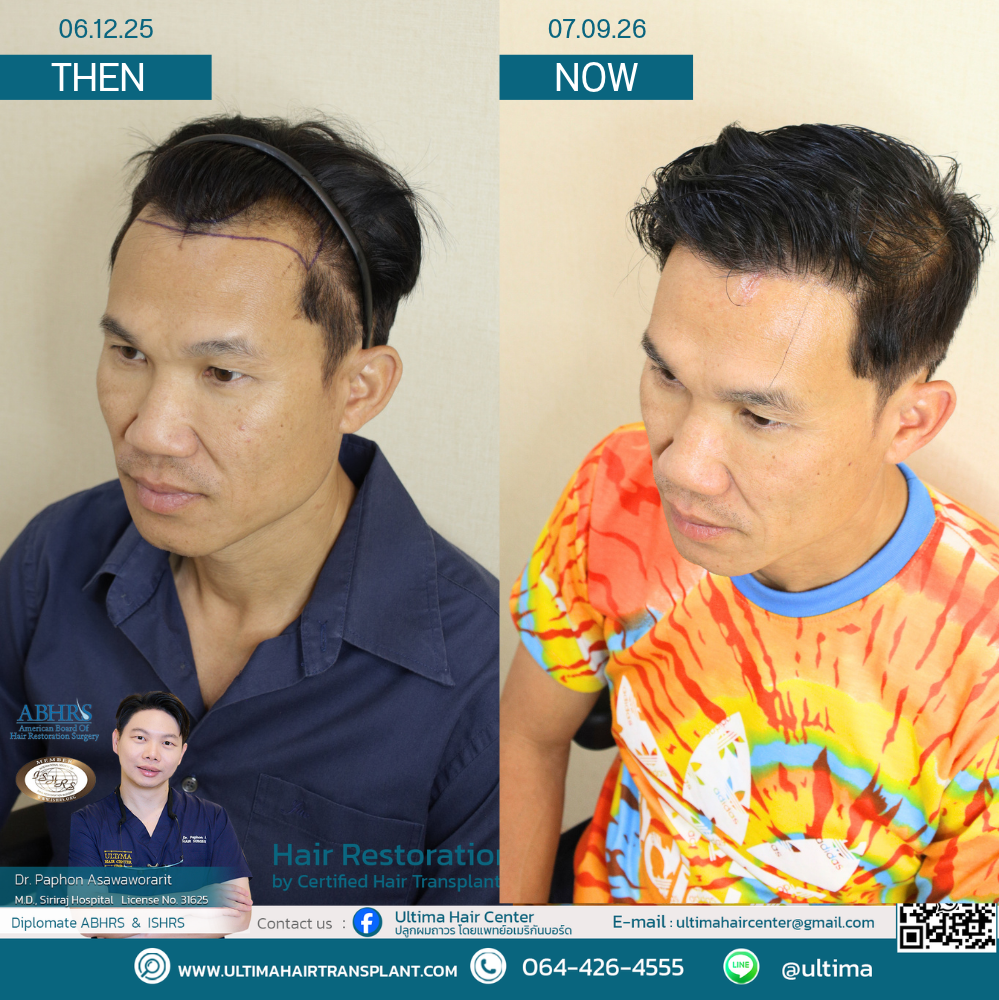
They want their hair to look better without other people noticing that they have had a hair transplant
Hairline design is therefore particularly important, especially in areas such as:
- Hairline
- Temporal area
- Frontal zone
- Mid-scalp
- Crown
The frontal hairline should be planned in relation to the patient’s age, facial characteristics, and potential future hair loss
The appropriate distribution of grafts containing different numbers of hairs, as well as the direction and angle of hair placement, can all influence the overall appearance
Therefore, the goal of a natural-looking hair transplant is not simply to create the highest possible density. It is to develop a treatment plan that is appropriate for the individual patient
 Who Is Ultima Hair Center Suitable For?
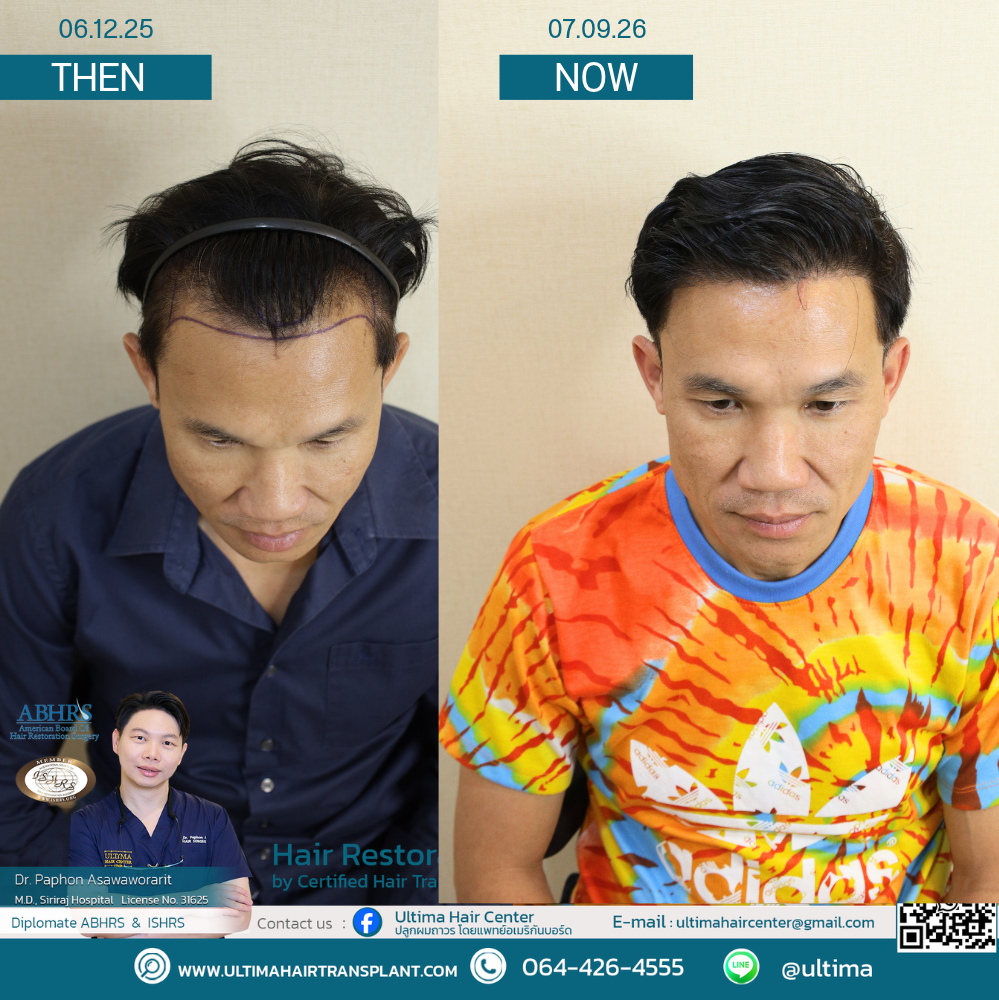
For people looking for a hair transplant clinic in Bangkok and who want to consult directly with a doctor, Ultima Hair Center is one option that focuses on individualized hair transplant planning
The clinic’s approach emphasizes pre-operative assessment, hairline design, and appropriate graft allocation for each individual patient
The philosophy of quality-focused hair transplantation is not simply about using the largest possible number of grafts. It is about determining whether the number of grafts is appropriate for the donor area and the recipient areas that need treatment
For patients considering a hair transplant with an American Board-certified ABHRS physician, the doctor’s qualifications and certification information can be reviewed before making a decision
 Consult Dr. Ming Before Your Hair Transplant
One important factor when choosing a clinic is whether you can communicate directly with the doctor
At Ultima Hair Center, patients can consult Dr. Ming for free before making a decision to discuss their hair-loss concerns and the hair transplant approach that may be appropriate for them
Another important point is that Dr. Ming personally responds to patient messages, allowing patients to ask preliminary questions directly to the doctor rather than relying solely on communication through administrative staff for medical information
A pre-operative consultation should not simply be about making a sale. It should help patients understand:
- What their actual hair-loss problem is
- Whether they are suitable for a hair transplant
- Approximately how many grafts may be required
- Which areas should be treated
- What limitations may exist
- How they should prepare
- What type of result can realistically be expected
 Questions to Ask Before Choosing a Hair Transplant Clinic
Before making your decision, you can use the following checklist to compare different clinics
About the Doctor
- Who evaluates the patient?
- Who develops the treatment plan?
- Can you communicate directly with the doctor?
- Does the doctor and clinic offer both FUE and FUT?
- What qualifications does the doctor have?
- How much experience does the doctor have in hair transplantation?
About the Treatment
- Will FUE or FUT be used?
- How many grafts are recommended?
- Why is that number of grafts appropriate?
- Is the donor area suitable?
- Is there a plan to account for future hair loss?
About the Results
- Are before-and-after photographs available?
- How many months after the procedure were the photographs taken?
- Are there cases with hair characteristics similar to yours?
- How is follow-up performed?
About the Cost
- What is the total price?
- What is included?
- Are there any additional costs?
- Can the price change or additional fees be added on the day of the procedure?
About Aftercare
- Are post-operative care instructions provided?
- Can patients contact the doctor?
- Who should patients contact if a problem occurs after the procedure?
- Is follow-up provided?
 10 Warning Signs to Consider Before Choosing a Hair Transplant Clinic
When comparing several clinics, consider asking additional questions if you encounter situations such as:
- The clinic focuses mainly on promotions without properly assessing the patient
- The clinic cannot clearly identify the doctor responsible for the treatment
- The donor area is not properly explained
- Unrealistic results are promised
- The clinic emphasizes the number of grafts rather than their suitability
- Potential risks are not explained
- Patient limitations are not discussed
- Post-operative care information is unclear
- It is difficult to contact the doctor if a problem occurs
- The price changes without a clear explanation of the additional costs
These signs do not necessarily mean that a clinic is poor or unsuitable. However, they are reasons to ask for more information before making a decision
 Where Should You Get a Hair Transplant? How to Choose the Right Clinic
If you are searching for “where should I get a hair transplant?”, do not begin by comparing prices alone
Instead, compare:
Doctor → Evaluation → Treatment Planning → Donor Area Assessment → Number of Grafts → Technique → Results → Aftercare → Price
A suitable hair transplant should be a treatment plan designed according to each patient’s individual condition
There is no single graft number that is best for everyone
There is no single technique that is best for everyone
And there is no single clinic that is right for everyone
The most important consideration is choosing a doctor and medical facility that can clearly explain the available options, advantages, limitations, and realistic expectations
For people looking for a hair transplant clinic in Bangkok and who value quality-focused hair transplantation, you can consult Ultima Hair Center for an individual assessment and treatment plan
If you would like to ask preliminary questions, you can consult Dr. Ming for free, and Dr. Ming personally responds to patient messages to provide direct information about hair transplantation
For patients who place importance on professional qualifications, you may also consider having a hair transplant with an American Board-certified ABHRS physician, together with other relevant factors, before choosing the treatment approach that is most appropriate for your individual hair condition and goals
The goal of hair transplantation should not simply be to increase the number of hairs. It should be to use the available donor hair appropriately and design the result to look as natural as possible within the limitations of each individual patient
 FAQ: Where Should I Get a Hair Transplant?
Where should I get a hair transplant?
You should consider several factors together, including the doctor’s qualifications and experience, evaluation of the cause of hair loss, donor-area assessment, appropriate technique, number of grafts, post-operative care, and transparency of costs. The decision should not be based on price alone
What should a good hair transplant clinic provide?
A good clinic should provide individualized patient assessment, have a doctor involved in treatment planning, explain both the benefits and limitations of hair transplantation, provide clear information about techniques and graft numbers, and offer appropriate post-operative care and follow-up
Should I choose a doctor or a hair transplant clinic?
The important point is to know who will evaluate you, develop the treatment plan, and oversee the treatment. Hair transplantation requires individualized medical planning, so patients should understand the doctor’s role in their treatment
Is FUE or FUT better for a hair transplant?
There is no single technique that is best for everyone. FUE and FUT have different advantages and limitations. The doctor should evaluate the donor area, hair-loss pattern, required graft number, and individual characteristics before recommending the appropriate technique
How many grafts are best for a hair transplant?
There is no single graft number that is best for everyone. The appropriate number should be determined based on the size of the recipient area, desired density, donor-area quality, and the potential progression of future hair loss
Can a hair transplant look like natural hair?
Hairline design, graft selection, graft distribution, and the direction and angle of hair placement all contribute to the final appearance. The goal is to develop an individualized plan that produces a natural-looking hair transplant result within the limitations of each patient
What should I look for in before-and-after hair transplant photos?
Consider how many months after the procedure the photographs were taken, the number of grafts used, the patient’s original hair condition, the treated areas, and, when possible, photographs of the donor area as well. Do not judge results based on a single photograph or angle
Should I consult a doctor before having a hair transplant?
Yes. A doctor can evaluate the cause of hair loss, the condition of the donor area, suitability for hair transplantation, the appropriate number of grafts, and the technique that may be suitable for each individual patient
Contact Us:
Dr. Paphon Asawaworarit (Dr. Ming)
Physician Directory ABHRS
Ultima Hair Center (Thailand Website)
Ulitma Hair Transplant (English Website)
Line: @ultima
E-mail: ultimahaircenter@gmail.com
