

What Factors Should You Consider Before Getting a Hair Transplant?
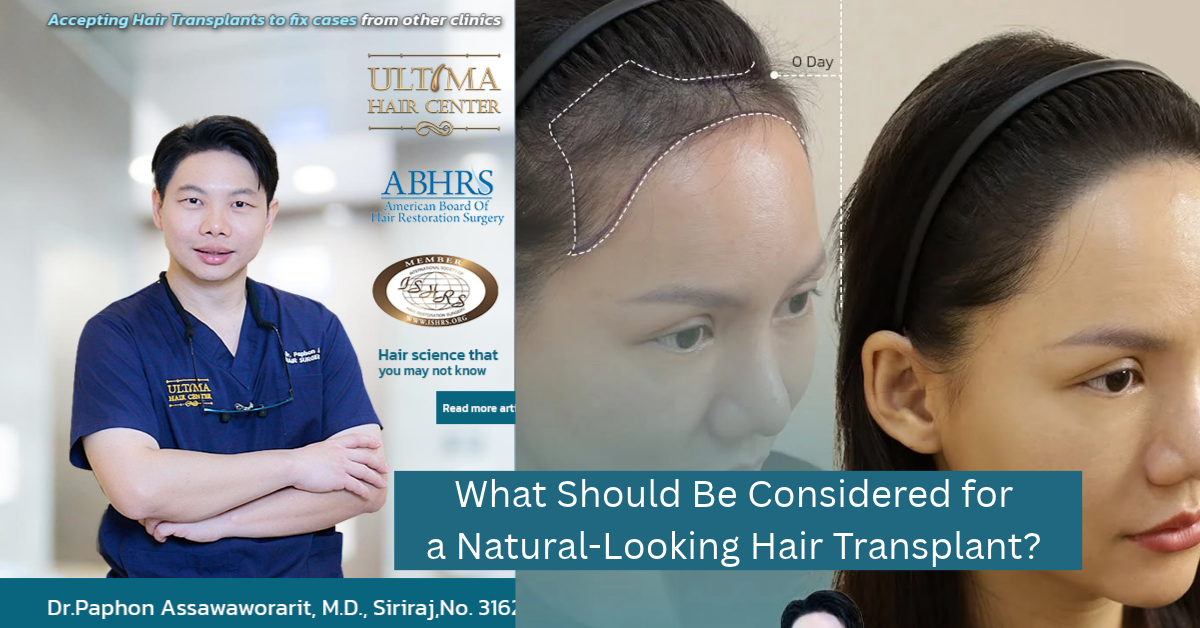
The decision to undergo a hair transplant should not be based simply on which clinic offers the lowest price or how many grafts can be transplanted. Hair transplantation is a treatment that requires careful planning and consideration of multiple factors, including the cause of hair loss and thinning, hair characteristics, the condition of the Donor Area, the areas requiring transplantation, the appropriate number of grafts, age, future hair loss patterns, hairline design, and the patient’s expectations
For some people, a hair transplant may be an appropriate treatment option. For others, it may be more appropriate to treat or control the underlying hair loss first and then reconsider hair transplantation at a later stage
Therefore, if you are searching for what factors you should consider before getting a hair transplant, the important point is not to make a decision based only on the number of grafts or the price. A doctor should evaluate the overall situation before developing an appropriate treatment plan
 1. First, Determine the Cause of Your Hair Loss
One of the most important factors is identifying the cause of hair loss
Hair thinning does not always have the same cause. Examples include:
- Genetic hair loss or Androgenetic Alopecia
- Hair loss caused by stress or Telogen Effluvium
- Patchy hair loss such as Alopecia Areata
- Traction Alopecia
- Hair loss caused by scalp conditions
- Hair loss associated with destruction of hair follicles and scarring
- Hair loss caused by trauma, scars, or surgery
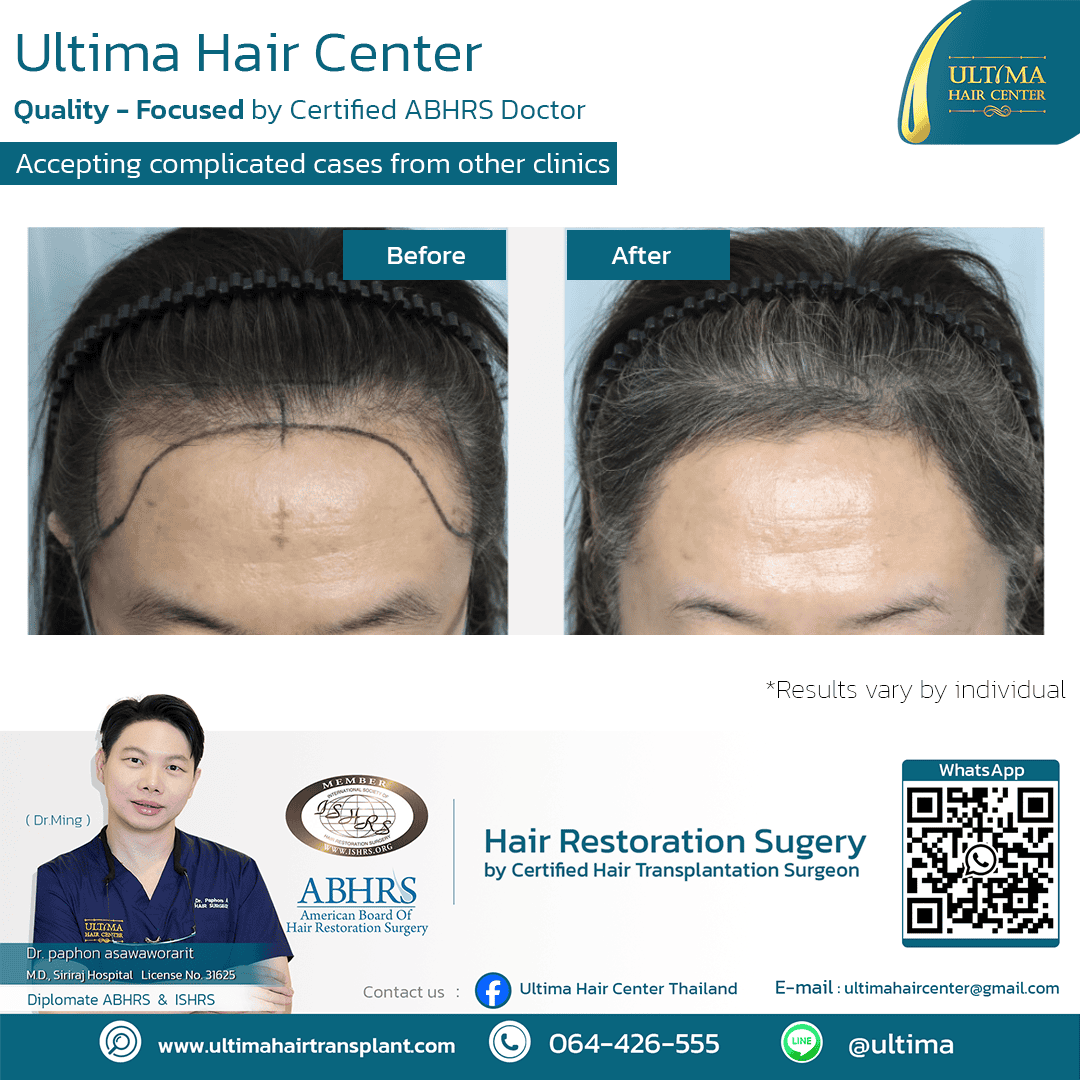
- Thinning caused by a previous hair transplant that did not achieve the desired result
The ISHRS patient evaluation approach places importance on the location and characteristics of hair loss, scalp condition, Donor Area, hair density and hair shaft characteristics, as well as determining whether additional investigations, such as blood tests or a biopsy, may be necessary
Therefore, it should not be assumed that everyone with thinning hair can immediately correct the problem with a hair transplant
If hair loss is still actively progressing or there is an uncontrolled scalp condition, the doctor may recommend treating the underlying cause first and then reassessing whether hair transplantation is appropriate
 2. The Donor Area Must Be Carefully Evaluated
One of the most important limitations of hair transplantation is that the hair used for transplantation does not grow back as a new resource. It must be harvested from an area where suitable hair already exists
The Donor Area is generally located at the back and sides of the scalp, but the suitability of these areas varies from person to person
A doctor should therefore evaluate several factors, including:
- Hair density
- Hair shaft diameter and characteristics
- Number of Follicular Units that can potentially be harvested
- Distribution of the hair
- Whether thinning is already present in the Donor Area
- Whether there is scarring on the scalp
- The possibility that the Donor Area may become thinner in the future
Therefore, someone with significant thinning on the top of the scalp but a sufficiently dense Donor Area may have more options for hair transplantation than someone with diffuse thinning throughout the scalp
 3. The Number of Available Grafts Is More Important Than Simply Asking, “How Many Grafts Can I Get?”
People researching hair transplantation often begin with the question:
“How many grafts do I need?”
However, when developing an actual treatment plan, a more important question is:
“How much suitable donor hair do I have, and how should it be allocated to the areas that need transplantation?”
The appropriate number of grafts depends on many factors, including:
- Size of the thinning area
- Existing hair density
- Hair shaft diameter
- Number of hairs per graft
- Existing hairline characteristics
- Desired density
- Amount of available donor hair
- The possibility of future thinning in other areas
Using more grafts does not necessarily mean achieving a better result. The Donor Area is a limited resource, so treatment planning should consider how the available hair can be used efficiently over the long term
 4. Age and Future Hair Loss Patterns
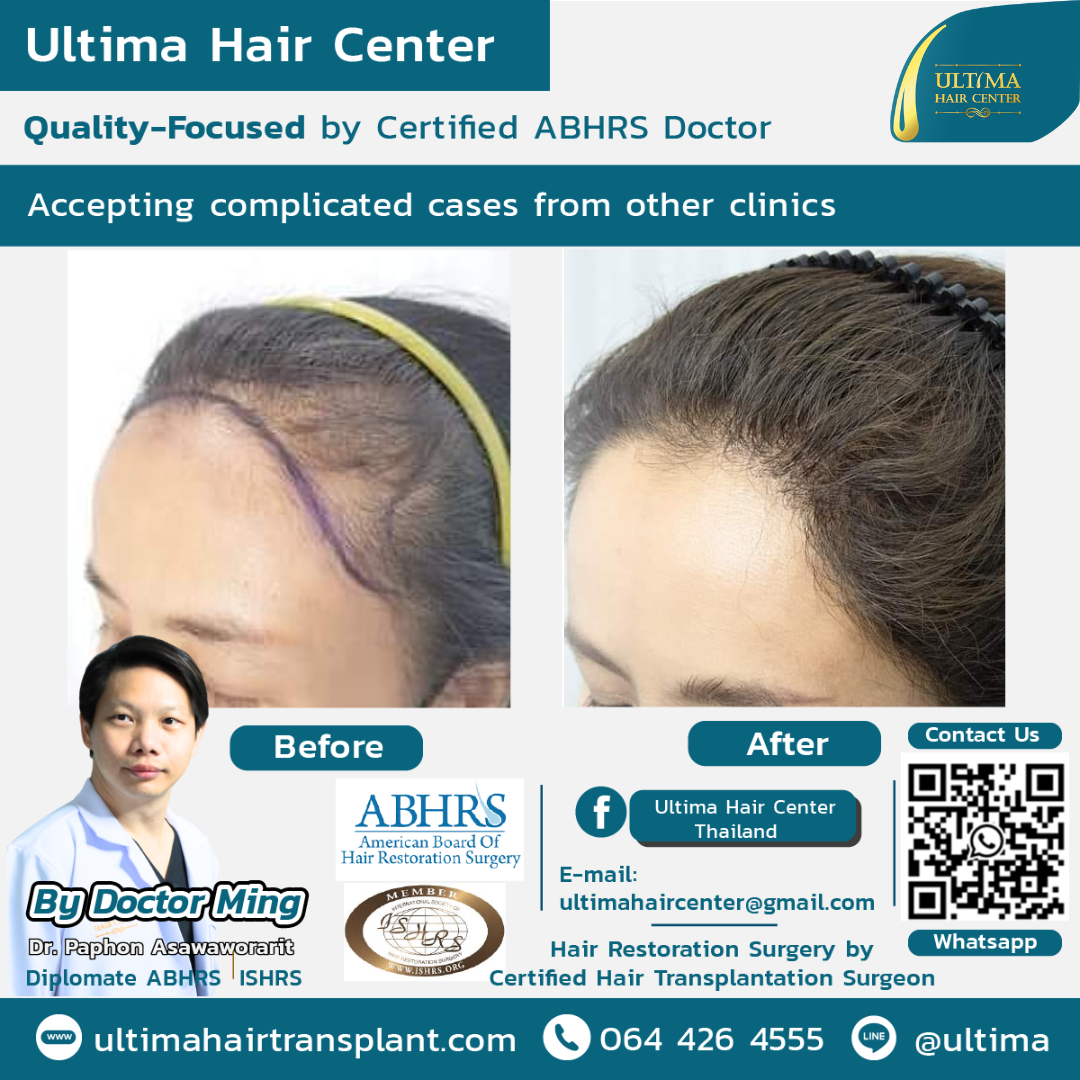
Age is another factor that should be considered, particularly for people who begin experiencing hair thinning at a young age
The reason is that if hair loss continues, transplanting only the areas that are currently thin may eventually create a difference between the transplanted areas and areas that continue to lose hair in the future
Therefore, in younger patients, the doctor may need to plan the hairline and use of donor hair particularly carefully. The hairline should not be designed based solely on the patient’s appearance at the present time
 5. Clearly Define the Areas You Want to Correct
Hair transplantation can be used to address several different areas, including:
Frontal Hairline
The frontal hairline has a major influence on overall facial appearance. Hairline design should therefore take into account age, facial shape, gender, existing hair characteristics, and the potential for future hair loss
Temples
Some people experience more recession at the temples than in other areas. Hairline design should therefore consider the balance between both sides
Mid-Scalp and Top of the Scalp
These areas may require a larger number of grafts when the thinning area is extensive. Donor hair therefore needs to be managed appropriately
Crown or Vertex
Transplantation in the Crown area requires consideration of the natural direction and rotational pattern of the existing hair. It is not simply a matter of adding more grafts to an empty area
Graft placement should take into account the existing hair direction and distribution so that the transplanted hair integrates appropriately with the surrounding hair
 6. Consider Whether FUE or FUT Is More Appropriate for You
There are two important approaches to harvesting hair from the Donor Area: FUE and FUT
FUE or Follicular Unit Excision involves removing individual Follicular Units from the scalp without removing a strip of scalp tissue
FUT or Follicular Unit Transplantation involves removing a strip of scalp from the Donor Area and then separating it into individual grafts for transplantation
Both techniques have different advantages, limitations, and appropriate indications
Therefore, the choice should not be based simply on which technique sounds more modern. It should be based on the patient’s hair characteristics, number of grafts required, Donor Area, pattern of hair loss, and treatment goals
Whenever possible, it is useful to consult a doctor who can perform both techniques and explain their respective advantages and limitations objectively
 7. Hairline Design Is Just as Important as the Number of Grafts
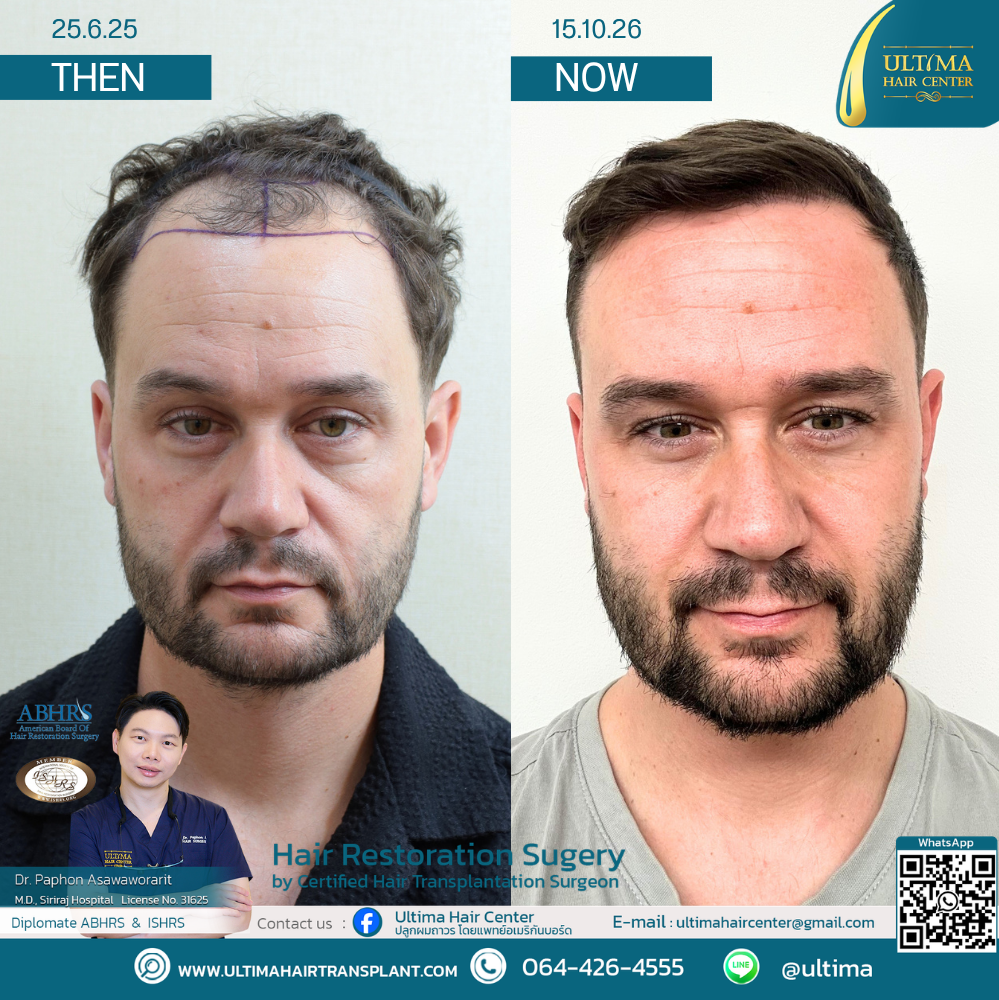
A good hair transplant does not simply mean putting the largest possible number of hairs onto the scalp. It should also consider the position, direction, angle, and distribution of the grafts
This is particularly important in the frontal hairline, which is highly visible
A natural-looking hairline generally requires appropriate changes in density and direction. It should not simply appear as a straight line or have the same density throughout the entire hairline
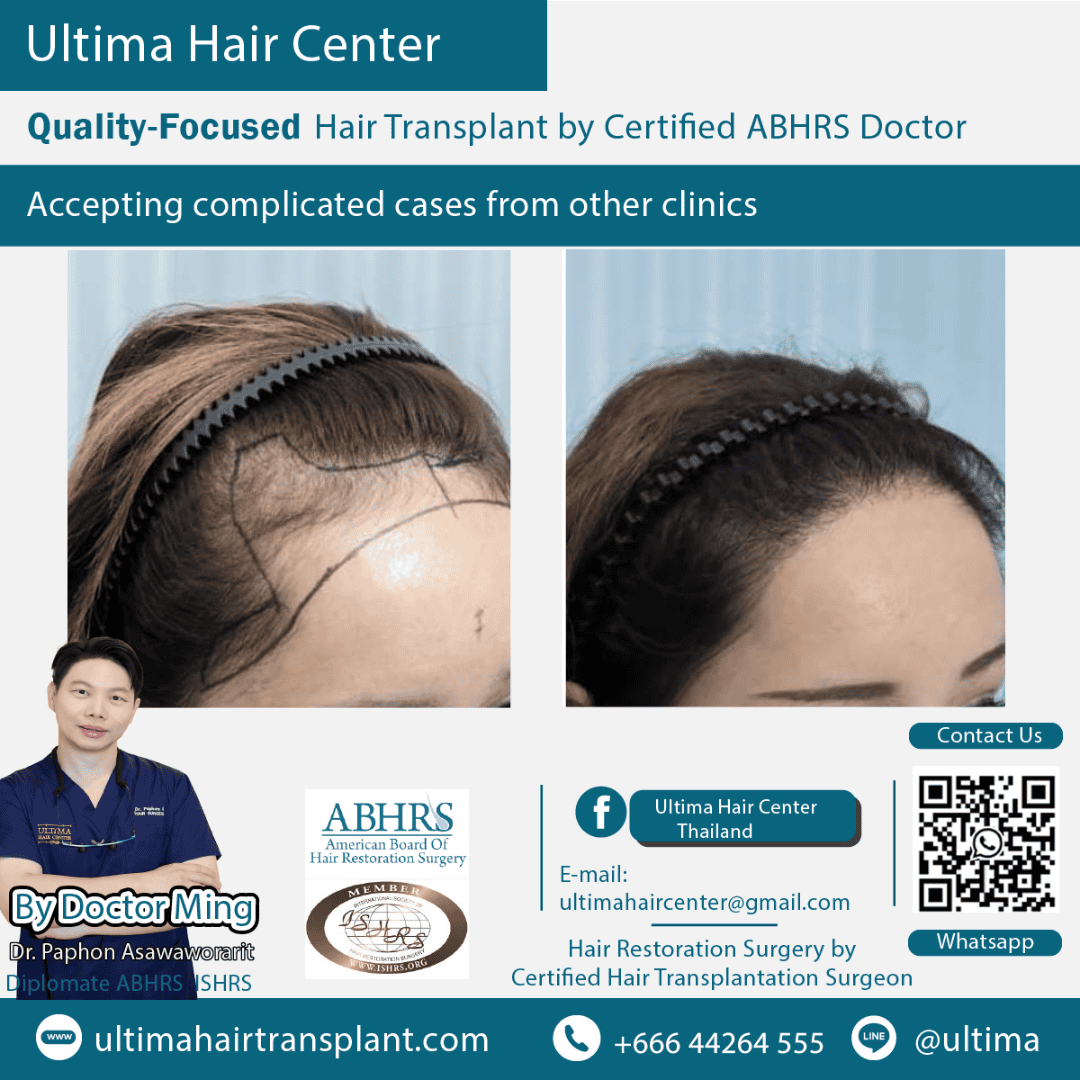
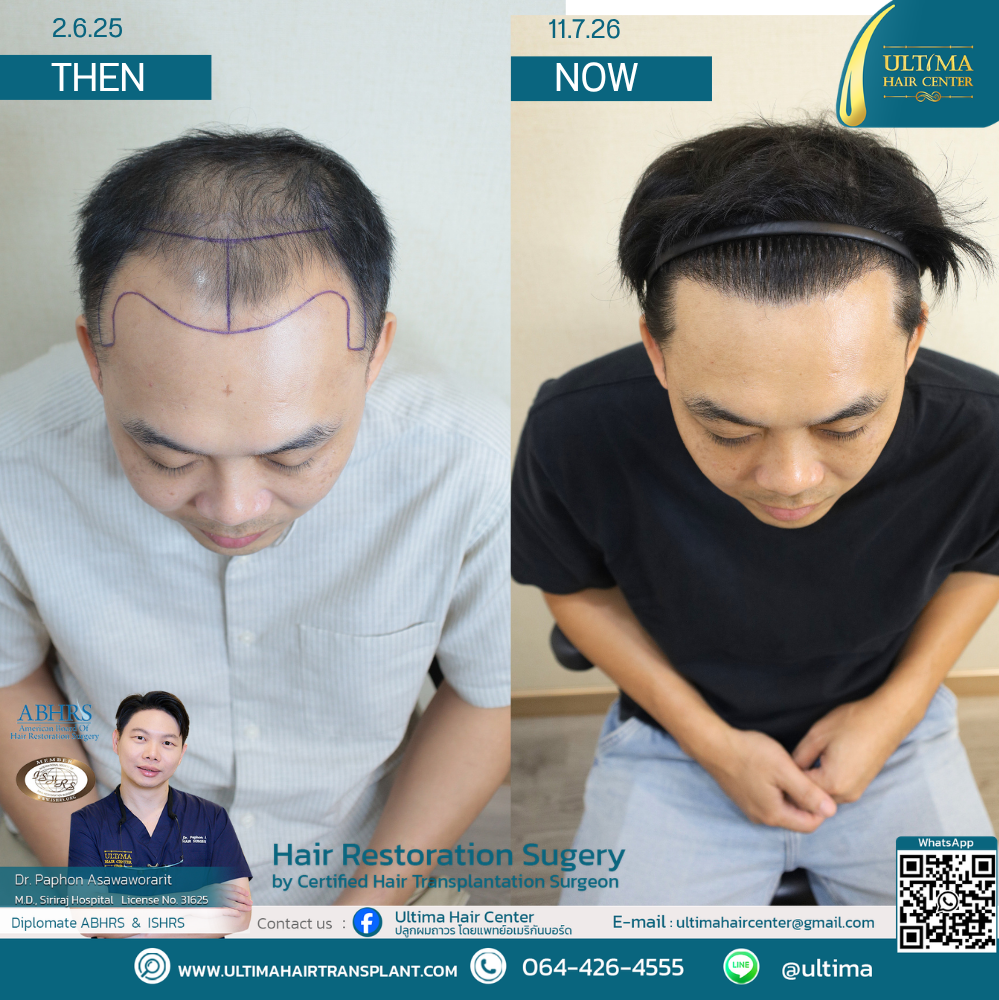
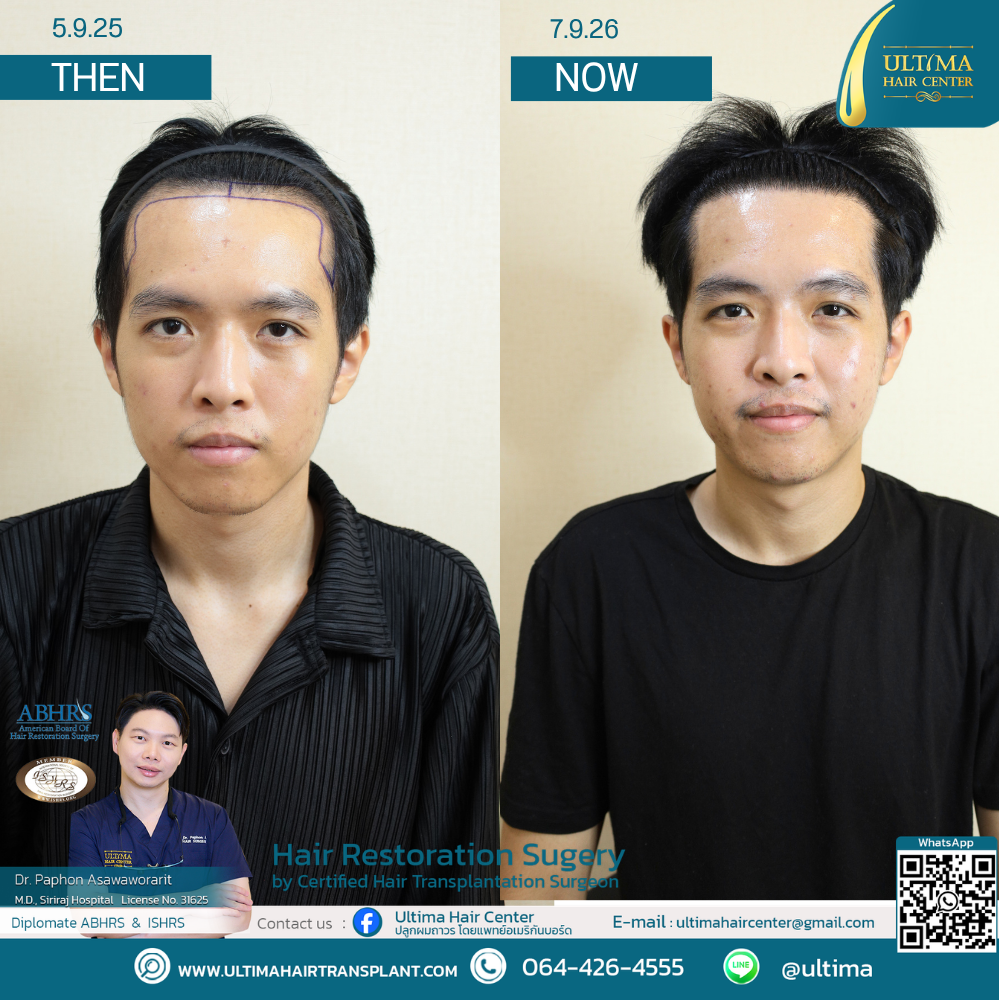
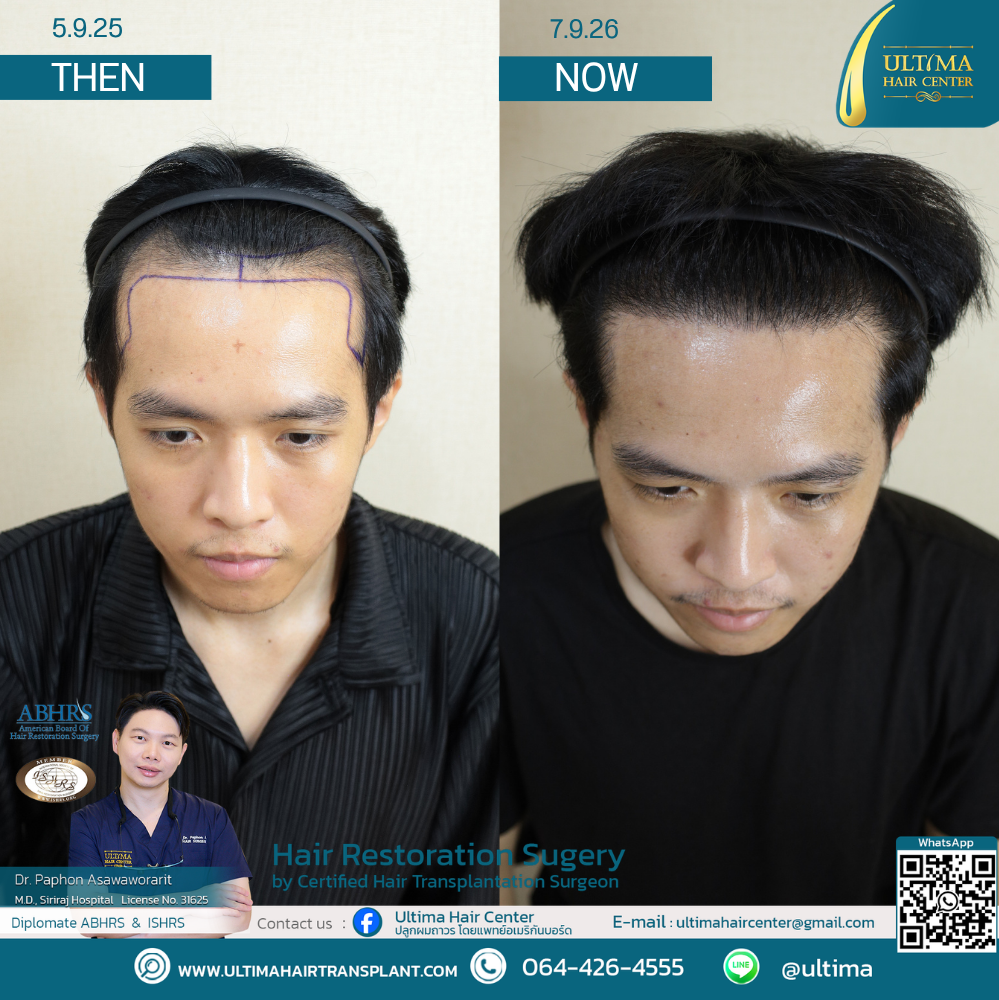
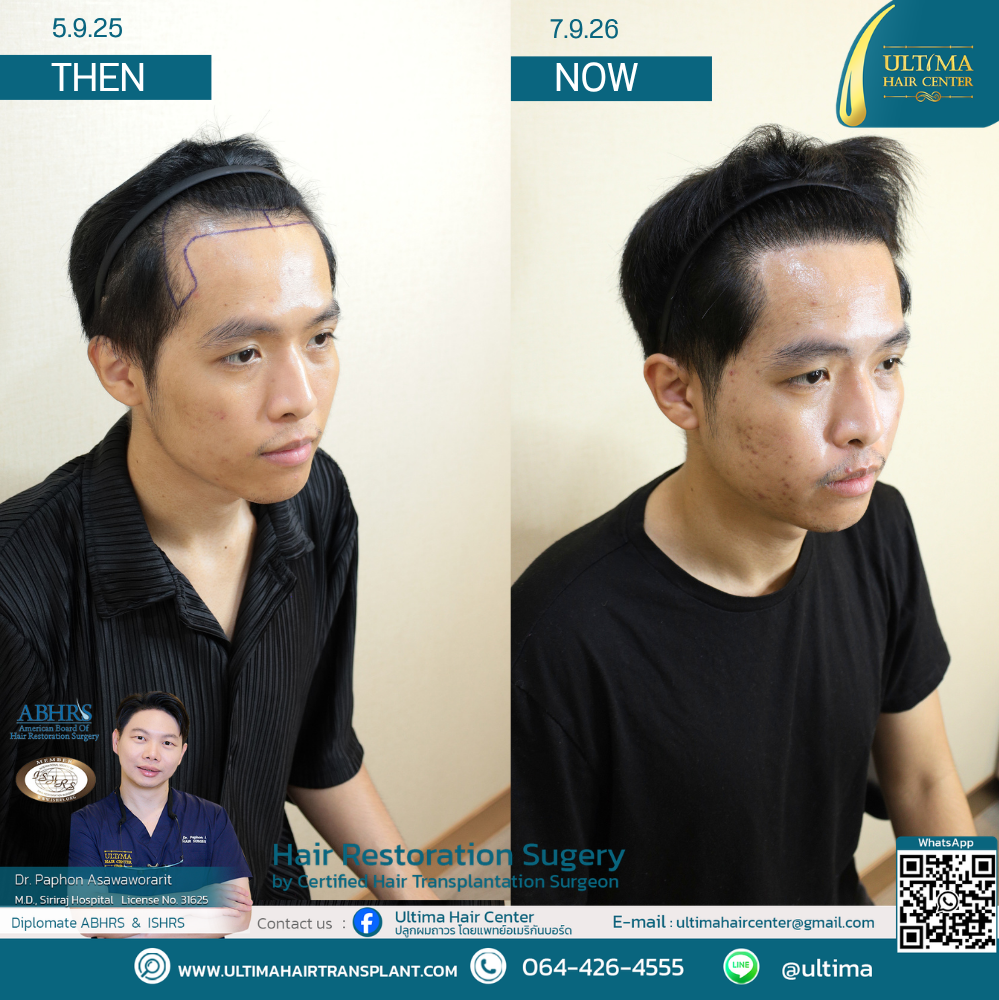
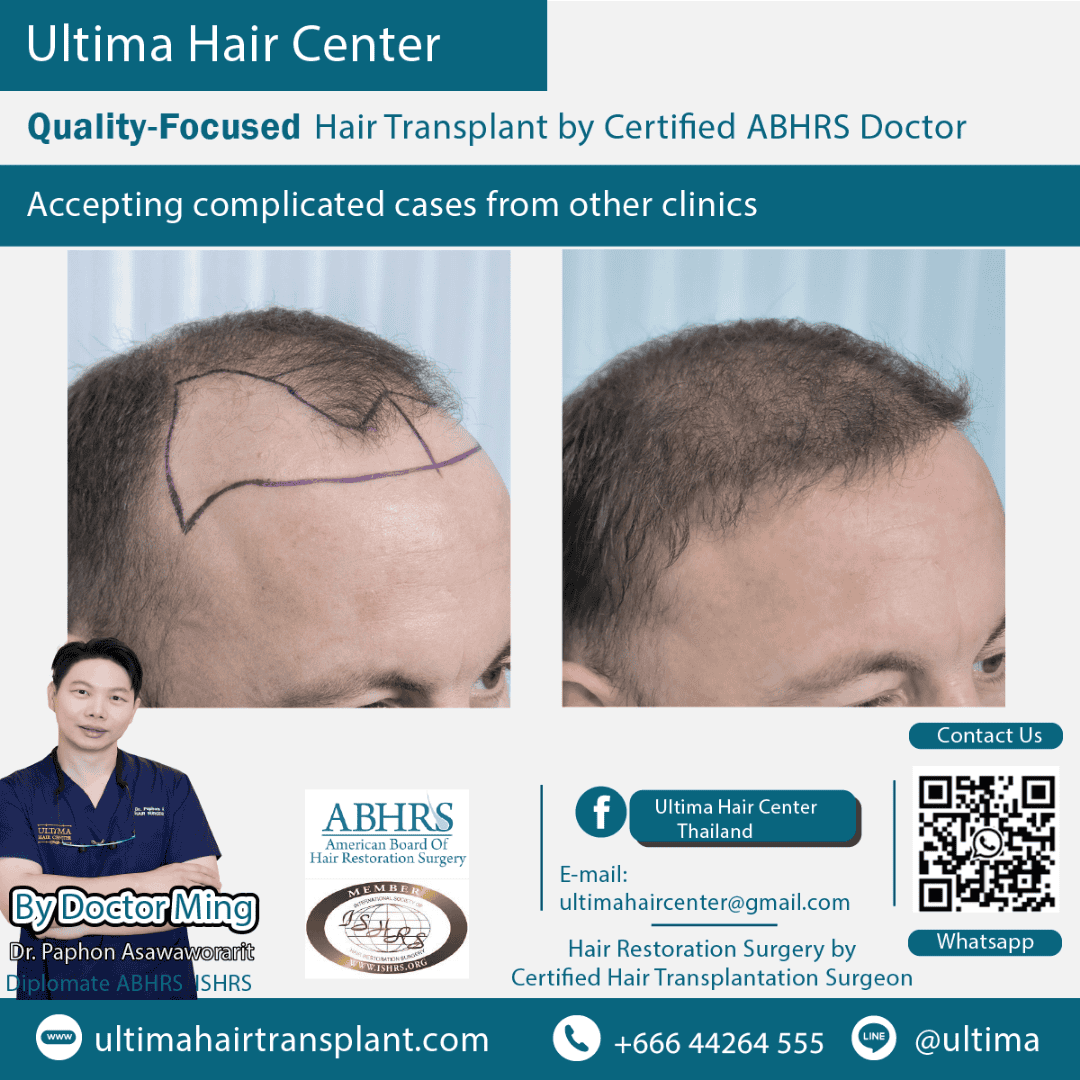
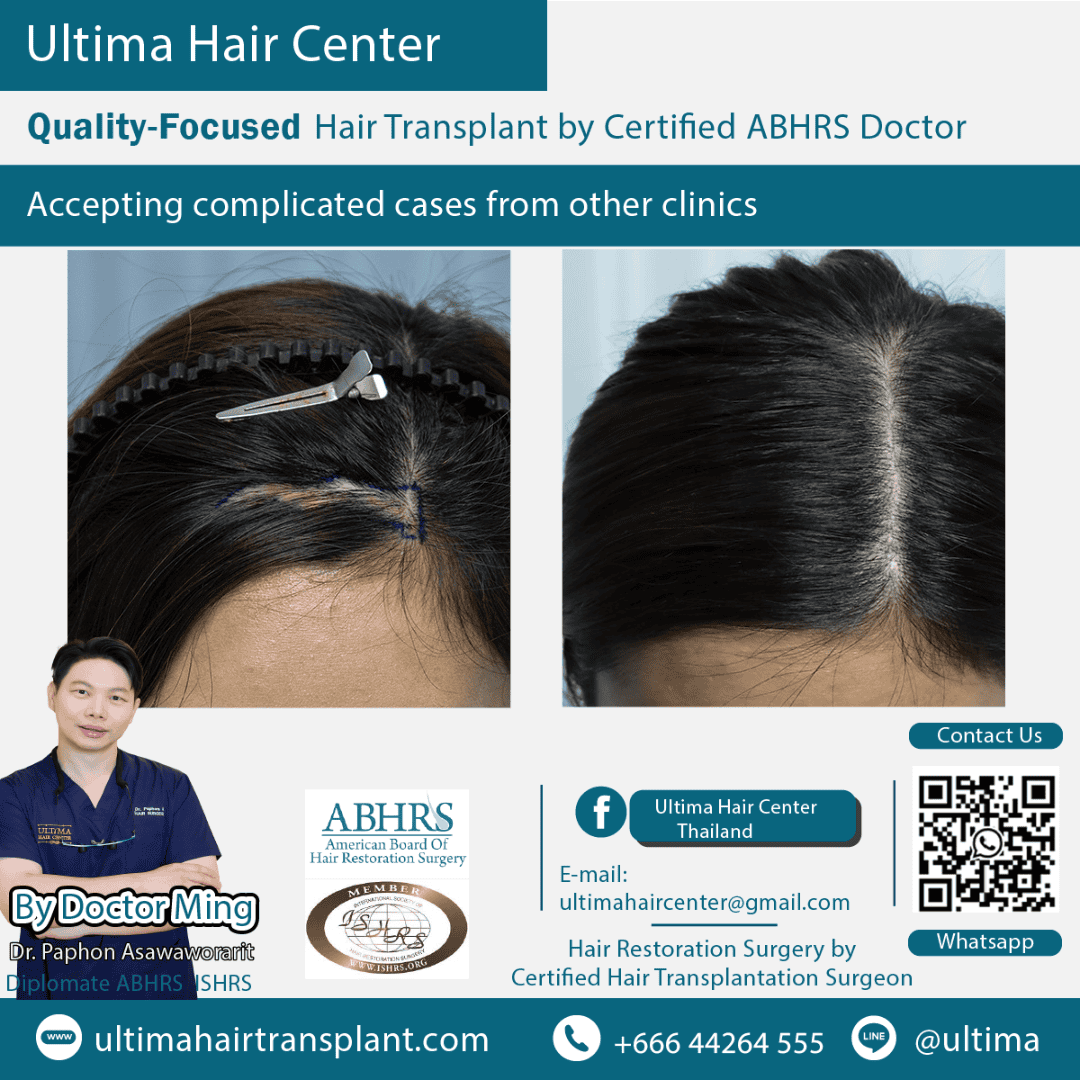
Therefore, when looking for a hair transplant clinic, patients should review actual patient results and consider whether the hairline design is appropriate for the individual’s facial features and age
The goal to discuss with the doctor should therefore not simply be, “I want more hair,” but rather, “How do I want my overall appearance to look?”
 8. Existing Hair Characteristics Also Affect the Result
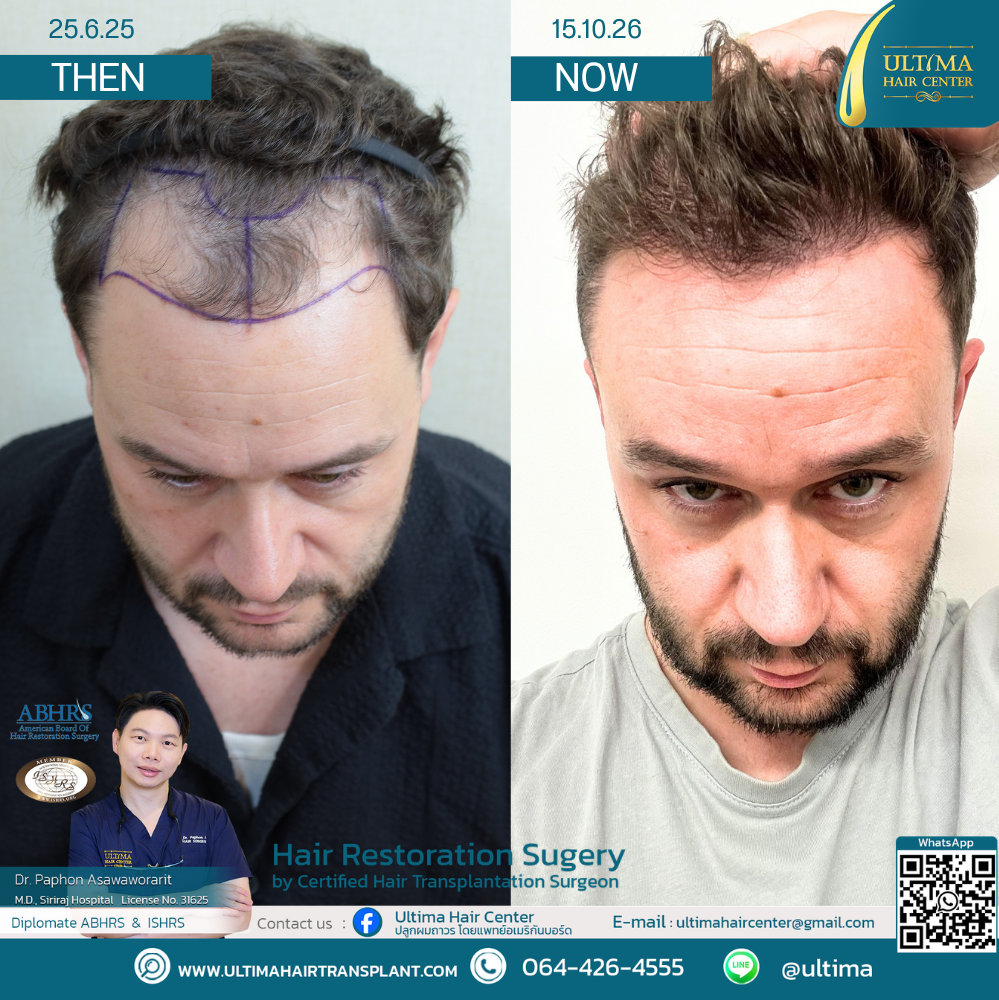
People with thick and curly hair may achieve a different visual impression of density compared with people who have fine, straight hair, even when the same number of grafts is used
Important factors include:
- Hair shaft diameter
- Straight, wavy, or curly hair
- Hair color
- Contrast between hair and skin color
- Number of hairs per graft
- Existing hair density
The characteristics of hair in the Donor Area can influence treatment planning and determine which types of hair may be most appropriate for different areas
For example, finer hair may be useful for creating a softer frontal hairline, while thicker hair may be useful for increasing density in the mid-scalp area
 9. Set Realistic Expectations
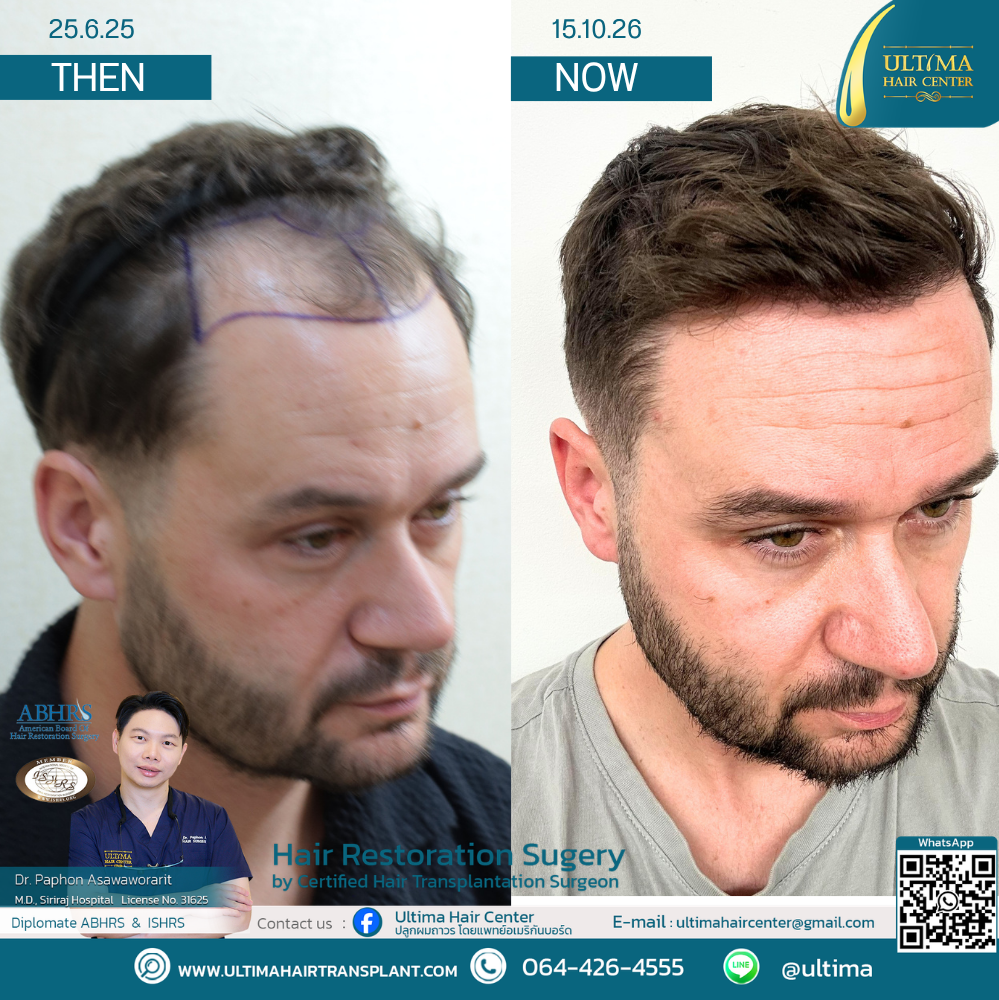
A hair transplant cannot give every patient the same density they had when they had a completely full head of hair
One of the most important limitations is the amount of Donor Hair available
Before treatment, patients should discuss the following with their doctor:
- Which areas need to be corrected
- How much density can realistically be added
- Approximately how many grafts are required
- Whether the Donor Area is sufficient
- Whether other areas may become thinner in the future
- Whether existing hair should also be medically treated
- What the long-term plan should be if hair loss progresses
Cleveland Clinic states that preoperative evaluation should include discussion of the patient’s goals, expected results, medical conditions, medications, and potential risks or complications
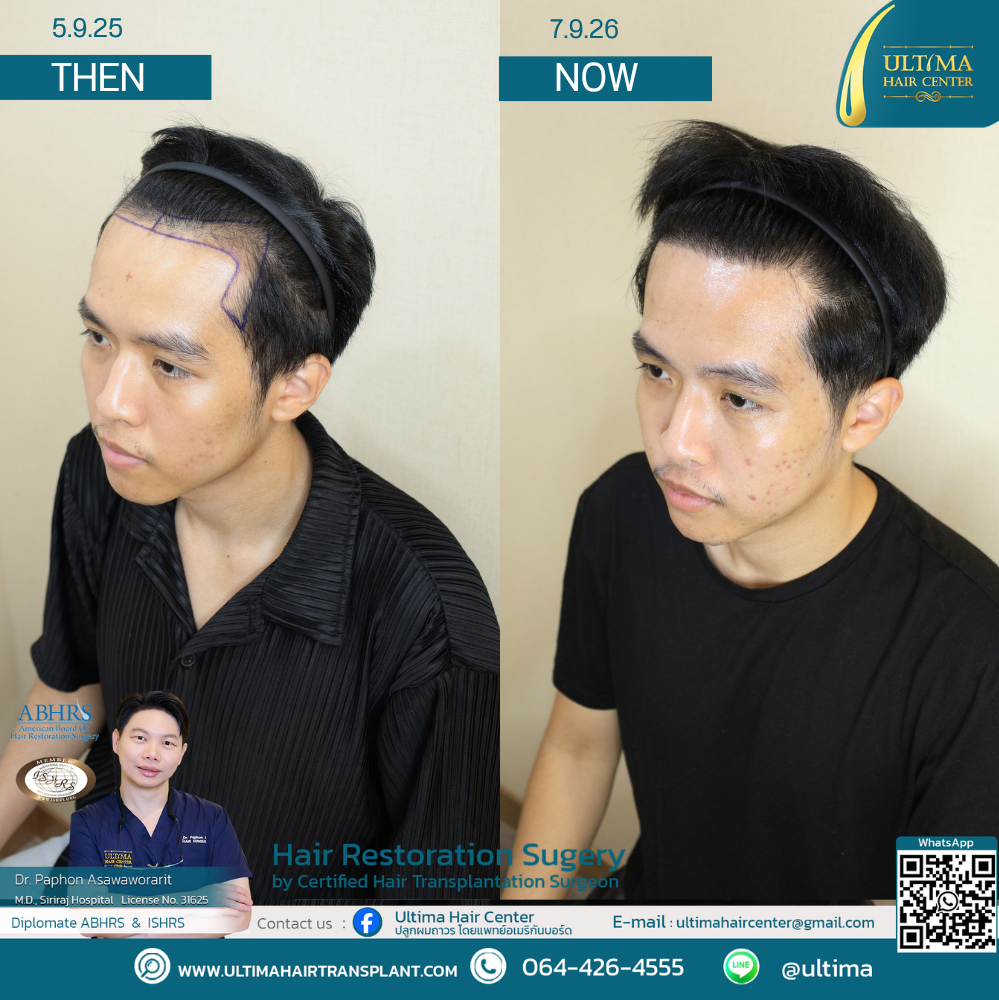 10. Previous Treatment and Hair Transplant History Should Be Disclosed
If you have previously undergone a hair transplant, you should provide your doctor with as much information as possible, even if the procedure was performed at another clinic many years ago
Information that may be useful includes:
- Whether FUE or FUT was used
- Approximately how many grafts were transplanted
- Which areas were treated
- Whether any complications occurred
- How much usable Donor Area remains
- Whether there is scarring
- What the previous result was like
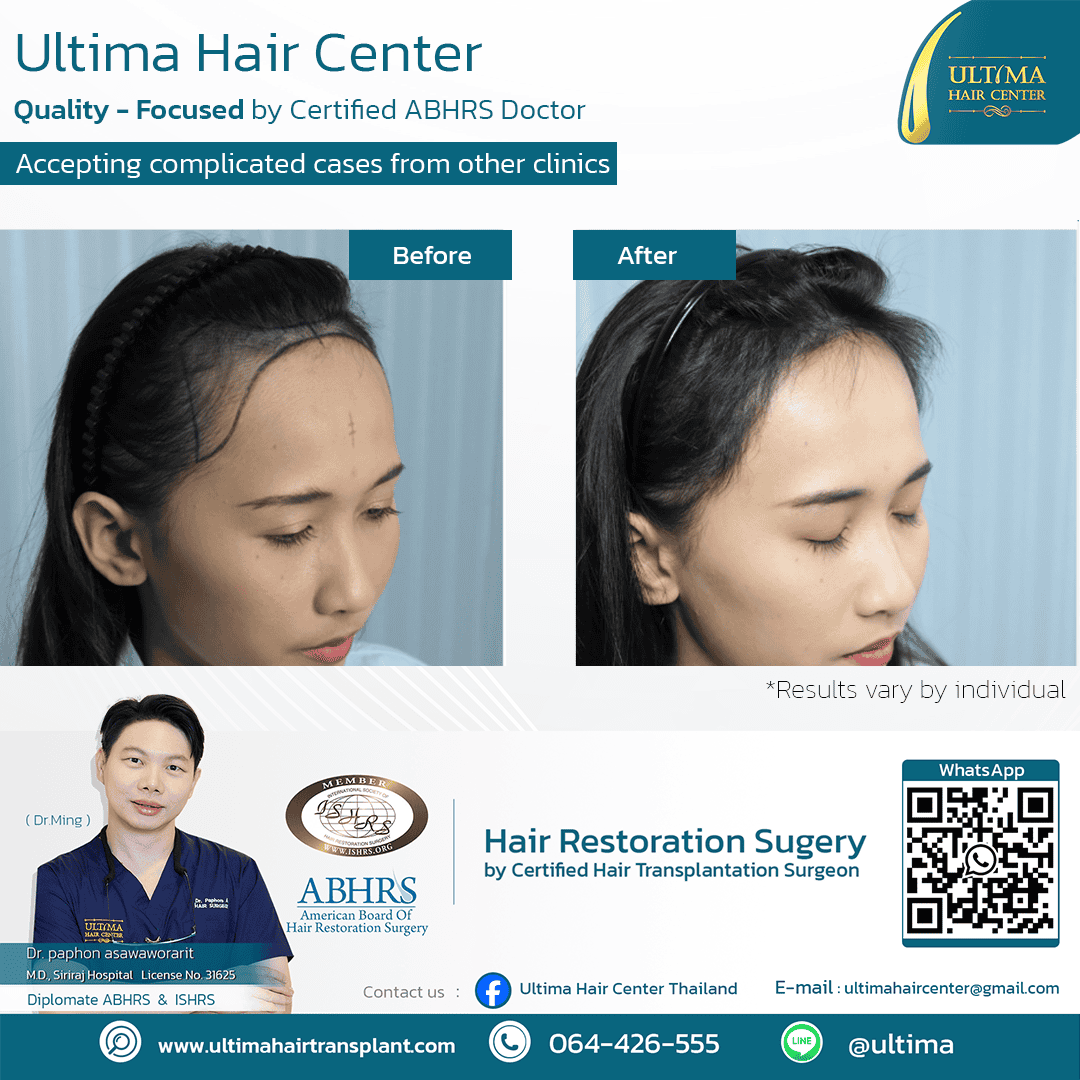
For patients experiencing problems after a previous hair transplant, evaluation is particularly important. The goal may not simply be to add more hair but also to correct the hairline, improve density, correct graft direction, or address scarring
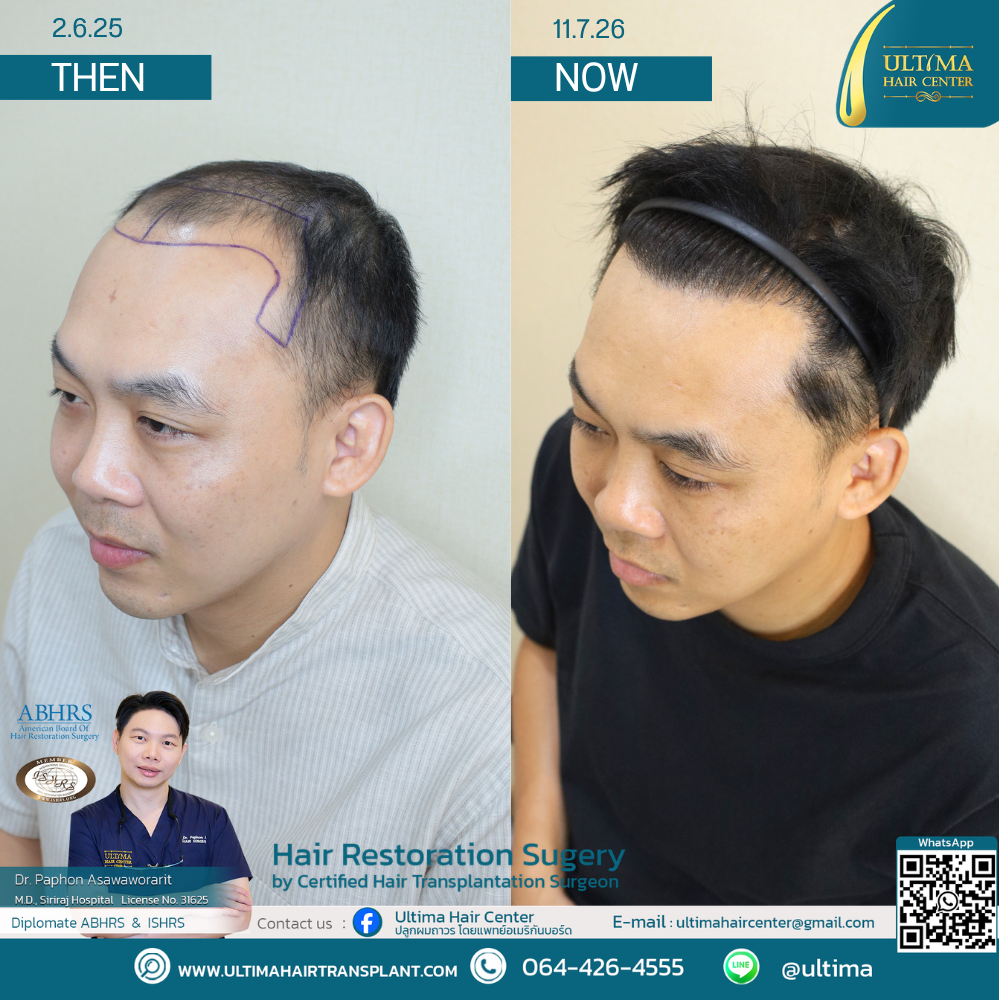 11. Overall Health and Current Medications Are Also Important
Before surgery, patients should inform the doctor about medical conditions, medications, vitamins, supplements, and any history of medication allergies
Lifestyle factors such as smoking and alcohol consumption may also be relevant to preparation before and care after surgery
Therefore, a hair transplant consultation should involve more than simply taking photographs and providing a graft number. It should include an overall assessment of the patient’s health and hair condition
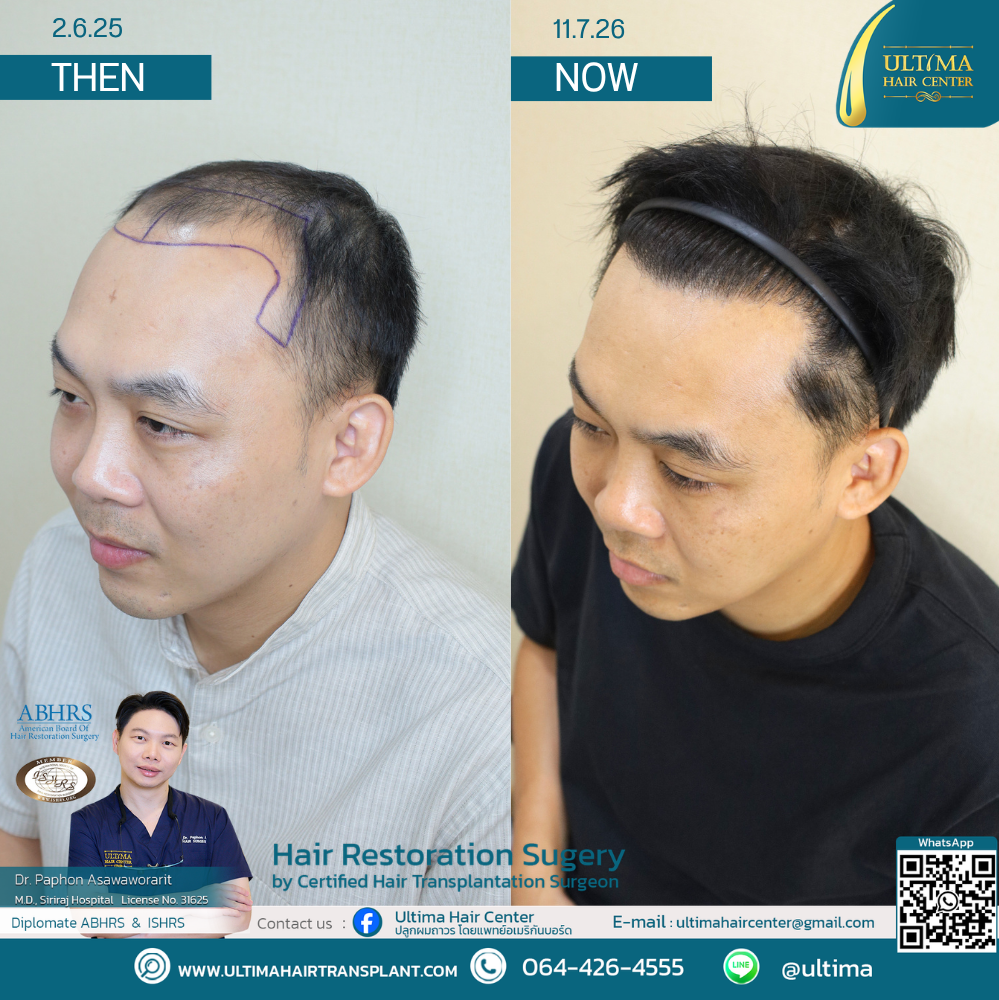 12. How Should You Choose a Hair Transplant Doctor and Clinic?
Once you understand the major factors involved, the next question is often:
“Where should I get a hair transplant?”
Factors that may be more important than simply looking at the price include:
Check the Doctor’s Qualifications and Experience
Patients should verify who the doctor is and whether the doctor has relevant training and qualifications in hair restoration surgery
For people considering a hair transplant with an American Board-certified ABHRS physician, it is advisable to verify the physician’s information directly through the American Board of Hair Restoration Surgery database rather than relying solely on advertising claims
The ABHRS Physician Directory lists Dr. Paphon Asawaworarit at Ultima Hair Center in Bangkok and indicates a Certification Year of 2019
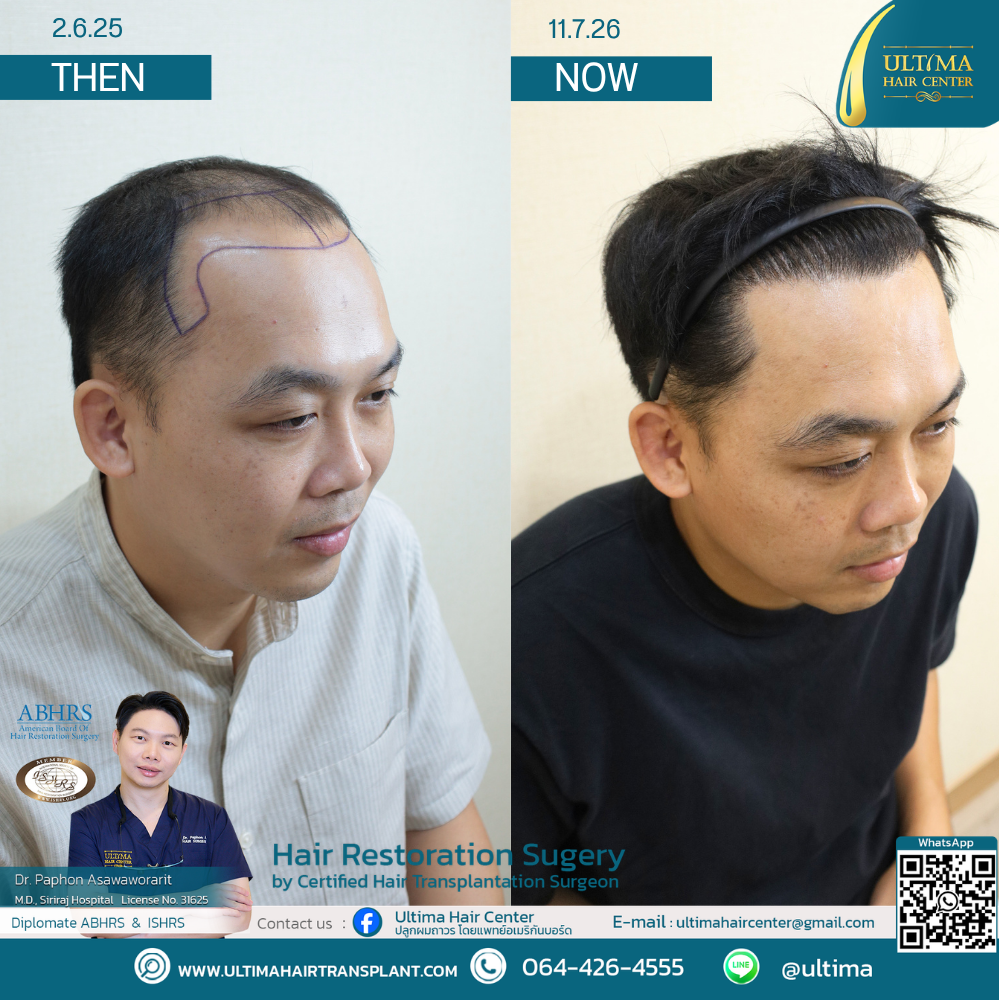 Look at Real Patient Results Rather Than Advertising Images
Patients should review genuine Before-and-After results, particularly cases with characteristics similar to their own
Important points to consider include:
- Hairline
- Density
- Hair direction
- Donor Area
- Results over time
- Consistency of results across multiple cases
The Treatment Plan Should Be Individualized
There is no single graft number that is appropriate for everyone, and there is no single hairline design that suits every face
A clinic that focuses on individualized treatment planning should be able to clearly explain the reasoning behind the number of grafts, technique, and hairline design
 13. Do Not Make Your Decision Based Only on the Price Per Graft
The “price per graft” is an easy number to understand, but it should not be the only factor used to choose a clinic
What patients receive involves much more than the number of grafts, including:
- Diagnosis
- Treatment planning
- Hairline design
- Donor Area selection
- Graft harvesting technique
- Graft preparation
- Graft placement
- Post-transplant care
- Follow-up
Therefore, comparisons should focus on the quality of the entire treatment process, rather than comparing the price per graft alone
 Why Should Hair Transplantation Focus on Quality Rather Than the Number of Grafts?
The core principle of hair transplantation is to manage a limited resource appropriately
Donor Hair is not unlimited, and using more grafts than necessary may not be appropriate for every patient
Quality-focused hair transplantation should therefore involve planning from the beginning, including evaluation of the cause of hair loss, selection of the Donor Area, definition of the recipient area, hairline design, and appropriate graft placement
The ISHRS also places importance on both the Donor Area and Recipient Area. A good result does not depend only on obtaining suitable grafts, but also on placing those grafts appropriately in the recipient area
How Should You Get Started If You Are Considering a Hair Transplant?
If you are considering a hair transplant, you can begin by asking yourself the following questions:
- What is causing my hair loss?
- Is my hair loss still progressing?
- Which areas do I want to correct?
- Is my Donor Area sufficiently dense?
- Approximately how many grafts may be required?
- Do I also need treatment for my existing hair?
- Is FUE or FUT more appropriate for me?
- What level of result do I expect?
- How does the doctor plan my hair transplant in the long term?
- What is the plan if my hair loss progresses in the future?
Answering these questions before making a decision can help make the process of choosing a hair transplant technique and clinic more informed and systematic
 Hair Transplantation at Ultima Hair Center: Individualized Treatment Planning
Ultima Hair Center focuses on individualized hair transplant planning based on each patient’s hair characteristics and specific concerns rather than starting with a predetermined number of grafts
The doctor considers the thinning areas, Donor Area, hair characteristics, future hair loss patterns, and the patient’s goals in order to develop an appropriate treatment approach
For patients who place importance on physician qualifications, the ABHRS Physician Directory lists Dr. Paphon Asawaworarit at Ultima Hair Center in Bangkok and indicates a Verified status in the ABHRS information
Another important aspect is communication before treatment. If you have questions about graft numbers, techniques, or whether hair transplantation is appropriate for you, being able to communicate directly with a doctor can help you better understand the limitations and possibilities of treatment
At Ultima Hair Center, patients can consult Dr. Ming for free, and Dr. Ming personally responds to patient messages, allowing initial discussions about hair loss and treatment planning to focus on medical information rather than a sales-oriented approach
 Conclusion: What Factors Should You Consider Before Getting a Hair Transplant?
If you ask what factors should be considered before getting a hair transplant, the answer involves much more than simply choosing between FUE and FUT. It is also not simply about the number of grafts or the price
The key is to assess:
What is causing the hair loss → Is the Donor Area sufficient → How is the hair loss likely to progress → Which areas need treatment → How many grafts are appropriate → Which technique is suitable → How should the hairline be designed → And what expectations are realistic
Careful planning can help make better use of the available Donor Hair and help the overall result blend appropriately with the existing hair
The goal of hair transplantation should not simply be to “increase the number of hairs,” but to develop a treatment plan that creates a balanced overall appearance and achieves a natural-looking hair transplant as much as possible within the limitations of each individual’s hair characteristics
 FAQ: Frequently Asked Questions About Hair Transplantation
Q1: Can everyone with thinning hair have a hair transplant?
Not necessarily. The cause of hair loss, scalp condition, Donor Area, amount of usable donor hair, and future hair loss pattern should be evaluated first
Q2: What is the best age to have a hair transplant?
There is no single age that is appropriate for everyone. The important factors are the pattern of hair loss, stability of the condition, Donor Area, and future hair loss pattern. People who begin experiencing hair thinning at a young age should generally have particularly careful long-term planning
Q3: How many grafts do I need?
The number of grafts depends on the size of the recipient area, existing hair density, hair shaft diameter, number of hairs per graft, and the amount of available Donor Hair. The number cannot be determined based solely on age or the apparent severity of hair loss
Q4: What is the difference between FUE and FUT?
FUE or Follicular Unit Excision involves harvesting individual grafts from the Donor Area, while FUT involves removing a strip of scalp and separating it into individual grafts. Both techniques have different advantages and limitations and should be selected according to the individual patient’s characteristics
Q5: Can I have a hair transplant if my hair loss is still progressing?
It may be possible in some cases, but the cause and future pattern of hair loss should first be evaluated. Some patients may benefit from controlling or treating the underlying hair loss before proceeding with transplantation
Q6: Should price be the main factor when choosing a hair transplant clinic?
No. The price per graft does not reflect the quality of diagnosis, treatment planning, hairline design, graft harvesting, graft placement, or post-transplant care. The overall quality of the treatment process should be considered
Q7: How should I choose a hair transplant doctor?
Check the doctor’s qualifications and experience, review genuine patient results, and choose a doctor who can clearly explain the cause of hair loss, limitations of the Donor Area, appropriate graft numbers, technique, and expected results
Q8: Can I have a consultation before deciding whether to undergo a hair transplant?
Yes. A consultation before a hair transplant is an important step because it can help determine whether transplantation is appropriate for your condition and how the treatment should be planned
Contact Us:
Dr. Paphon Asawaworarit (Dr. Ming)
Physician Directory ABHRS
Ultima Hair Center (Thailand Website)
Ulitma Hair Transplant (English Website)
Line: @ultima
E-mail: ultimahaircenter@gmail.com
