

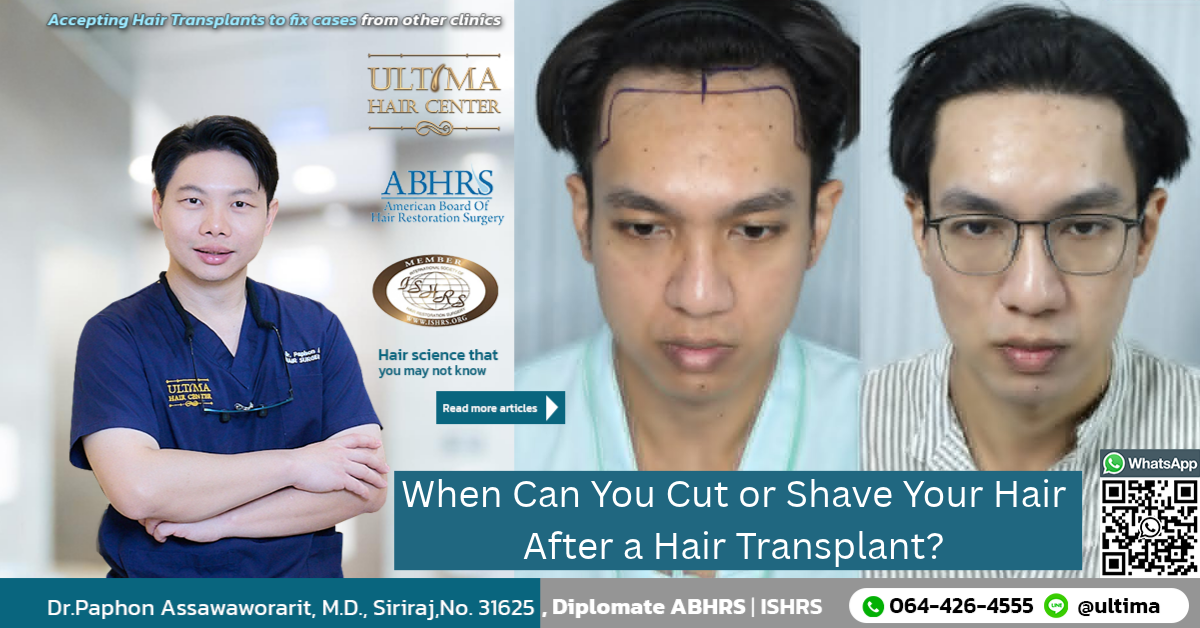
When Can You Cut or Shave Your Hair After a Hair Transplant?
How Long Should You Wait, and What Should You Be Careful About?
After a hair transplant, one of the things many patients look forward to is returning to their normal grooming routine, especially cutting and styling their hair. This is particularly important for people who regularly wear short hairstyles or shave their heads
Some of the most common questions include:
“How many days after a hair transplant can I get a haircut?”
“When can I use hair clippers after a hair transplant?”
“Can I shave my head after a hair transplant?”
“Will shaving cause the transplanted grafts to come out?”
The answer is that you can return to cutting and shaving your hair after a hair transplant, but you should not rush to do so during the early recovery period. Both the recipient area and the Donor Area need time to heal, and the appropriate method of cutting or shaving may differ depending on the stage of recovery
The important point is that getting a haircut is not simply about asking “how many days until I can cut my hair?” You also need to consider which area is being cut, what equipment is being used, and how well that area has healed
 Why Should You Avoid Cutting or Shaving Your Hair Too Soon After a Hair Transplant?
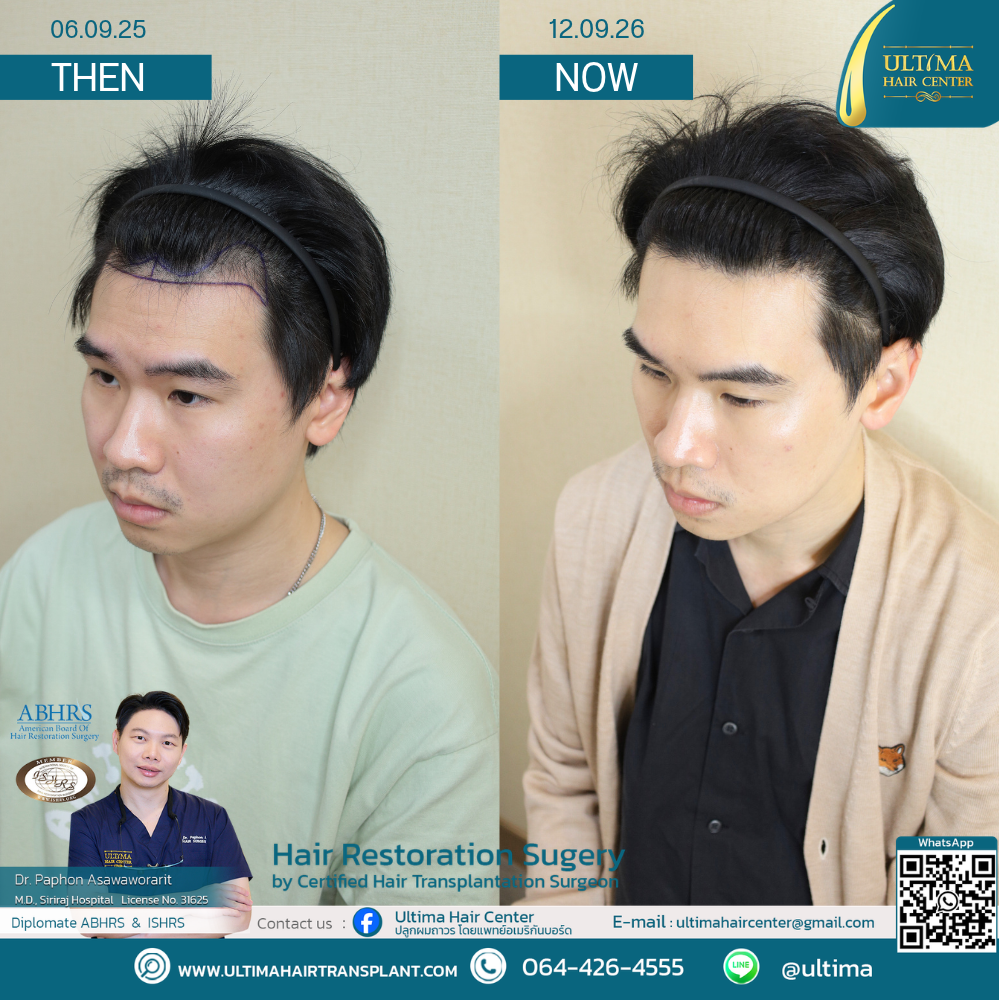
After a hair transplant, the scalp goes through a recovery period
The recipient area may have:
- Redness
- Small scabs
- Mild swelling
- A feeling of tightness
- Increased sensitivity to touch
- Small marks from the transplanted grafts
During this period, using hair clippers, razors, or scissors close to the recipient area may cause friction or irritation to the scalp
Shaving very close to the scalp may be more likely to cause irritation or minor skin injury than a regular haircut
Therefore, during the early recovery period, the priority should be allowing the scalp to heal properly before returning to your usual grooming routine
 How Many Days After a Hair Transplant Can You Get a Haircut?
Around 1 month is a general timeframe, but there is no single timeframe that is appropriate for everyone. It depends on factors such as:
- The hair transplant technique used
- The area that was transplanted
- The number of grafts
- The condition of the scalp
- How well the wounds have healed
- Whether scabs are still present
- The type of haircut you want
It is important to distinguish between cutting hair in the Donor Area and cutting hair in the recipient area
These two areas have different considerations during recovery
 When Can You Cut Hair in the Donor Area After a Hair Transplant?
The Donor Area is the area from which hair grafts are harvested for transplantation
With FUE, the Donor Area will have many small extraction sites where the grafts were removed
With FUT, there will be a linear incision in the area where the strip of scalp was removed
Therefore, cutting hair in the Donor Area should be based on the condition of the wounds and the healing process
If you want to cut your hair very short, it is better to wait until the area has healed well
This is especially important if you plan to use hair clippers or shave very close to the scalp. You should consult your doctor before doing so
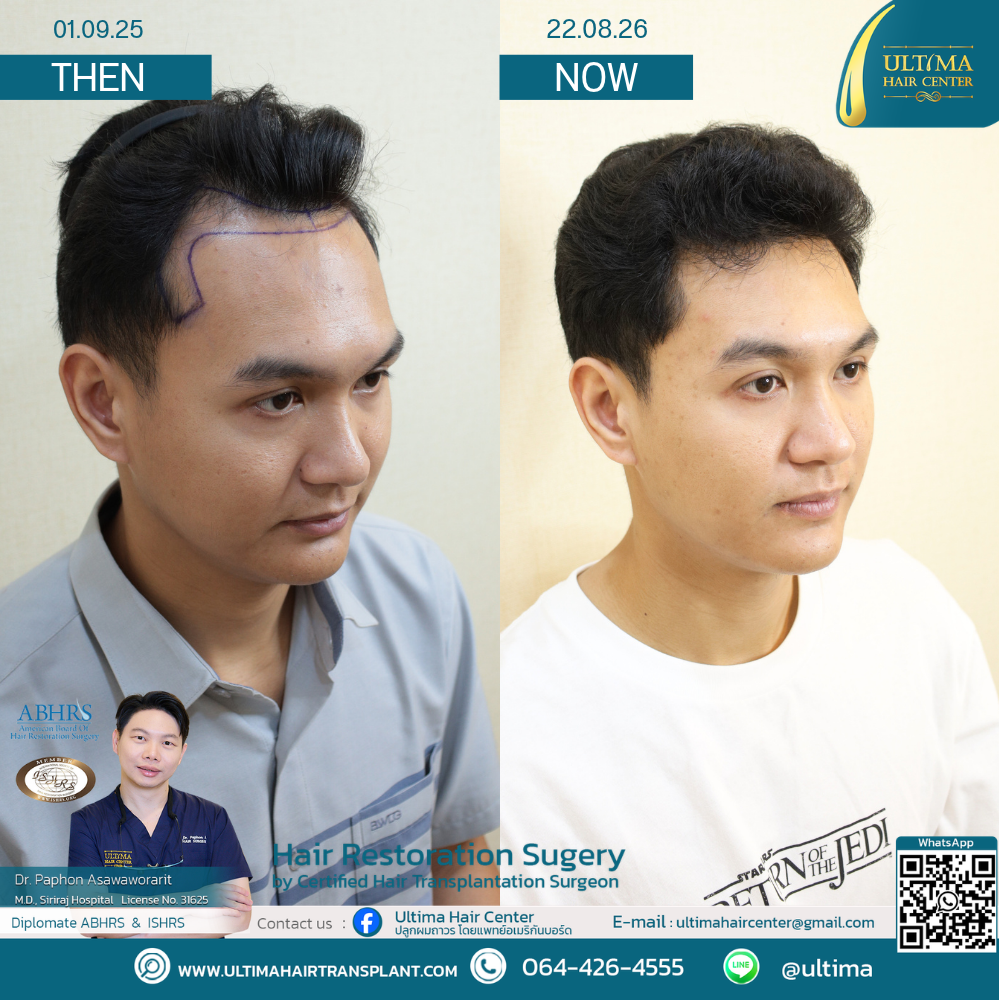 When Can You Cut Hair in the Recipient Area After a Hair Transplant?
The recipient area requires more caution during the early recovery period because the grafts have recently been placed into their new location
You should therefore avoid using scissors, hair clippers, or razors directly around the recipient area until your doctor confirms that it is appropriate
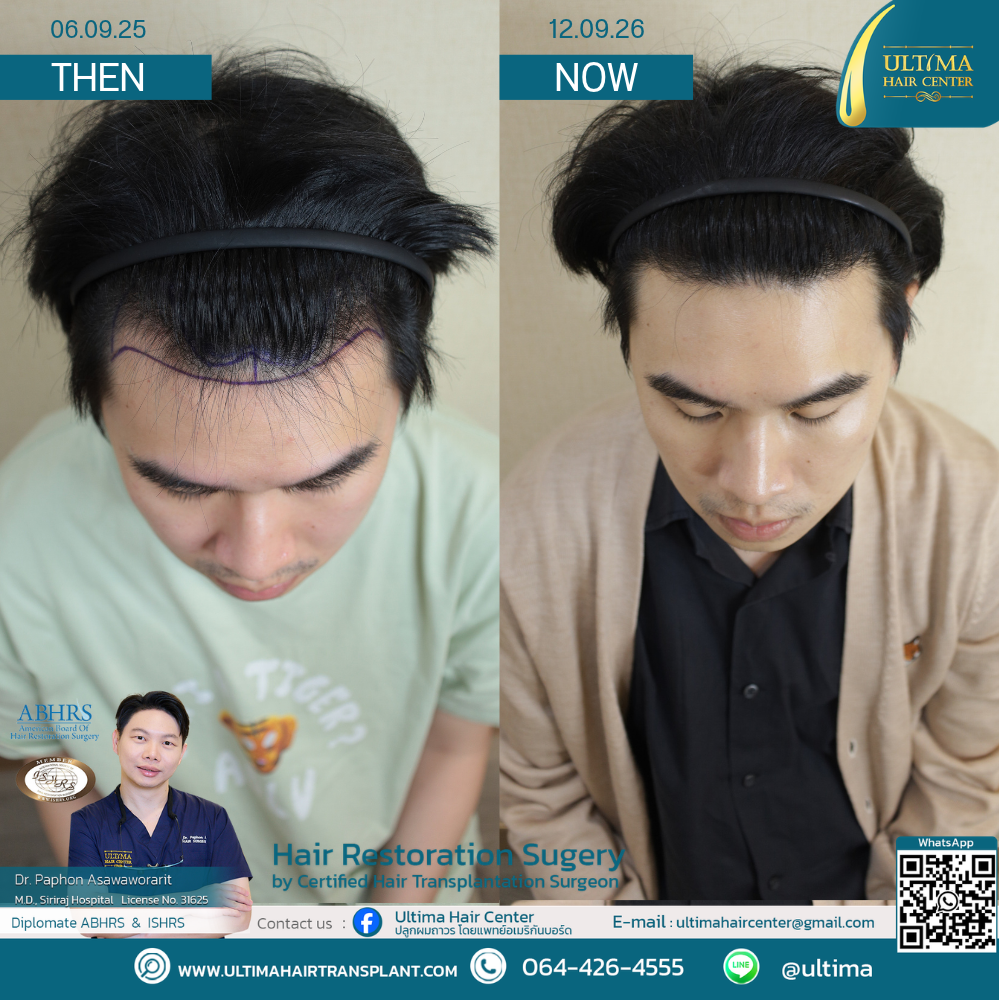
Once the scalp has healed well and there are no remaining scabs or wounds that require special care, you can gradually return to your normal haircut and styling routine
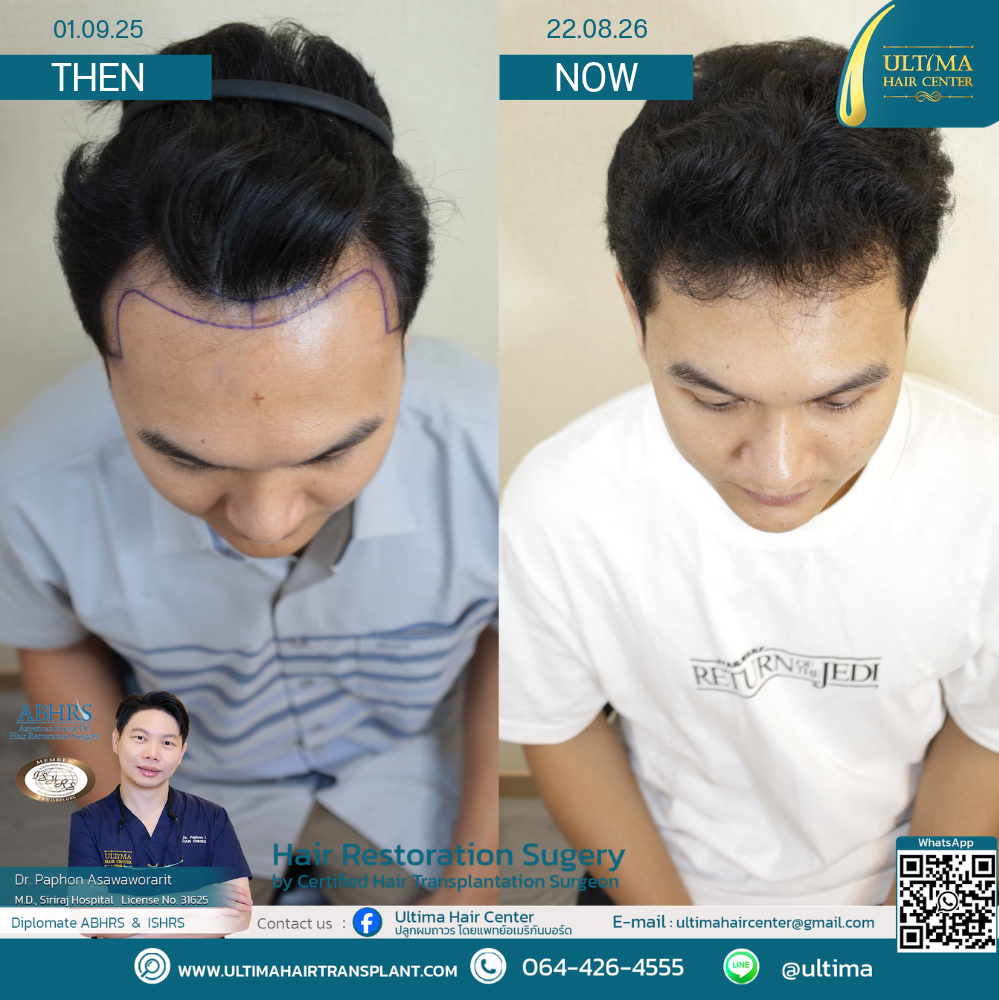 Can You Use Scissors to Cut Your Hair After a Hair Transplant?
One advantage of scissors is that they generally do not come into direct contact with the scalp in the same way that hair clippers or razors do
However, this does not mean that scissors can be used immediately after a hair transplant
During the early recovery period, you should still be careful when moving scissors close to the scalp and avoid pulling or handling the hair roughly
Once the recipient area has healed well, using scissors to trim the hair is generally easier and less likely to involve direct scalp contact than shaving or using clippers very close to the scalp
However, you should always follow the specific instructions provided by your hair transplant doctor
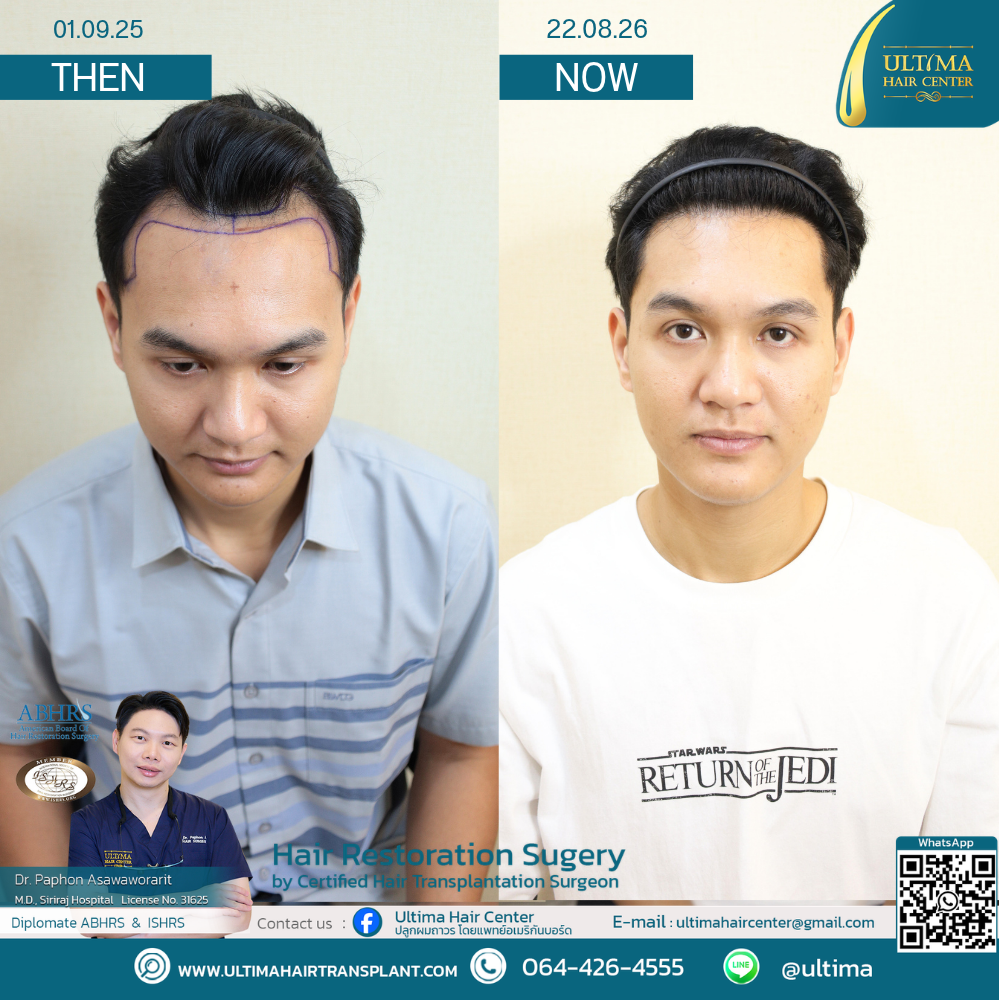 Can You Use Hair Clippers After a Hair Transplant?
You can eventually return to using hair clippers, but the timing should be appropriate
Hair clippers have moving blades that may come into direct contact with the scalp
Using them too early, while the skin has not fully recovered, may cause:
- Irritation
- Minor abrasions
- Friction
- Disturbance of scabs
- Discomfort around the recipient area
If you want to keep your hair very short, ask your doctor when it is appropriate to start using clippers based on the condition of your scalp
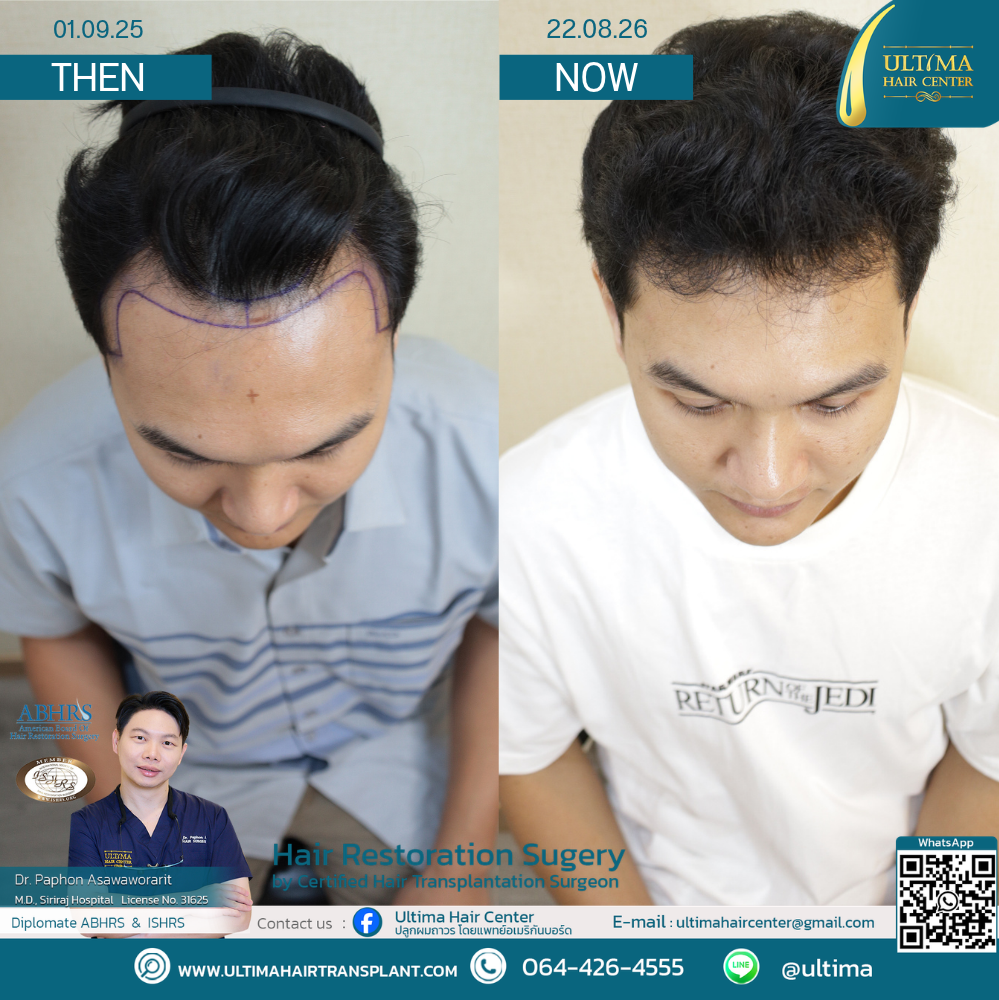 Can You Shave Your Head After a Hair Transplant?
You can shave your hair after the scalp has healed well
However, there are several ways to shave or cut hair short, including:
- Using hair clippers
- Using clippers while leaving some distance from the scalp
- Using a razor
- Shaving extremely close to the scalp
Each method involves a different level of scalp contact and may have a different appropriate timeframe
In particular, shaving very close to the scalp with a razor should only be considered once both the recipient area and Donor Area have healed well, and you should consult your doctor beforehand
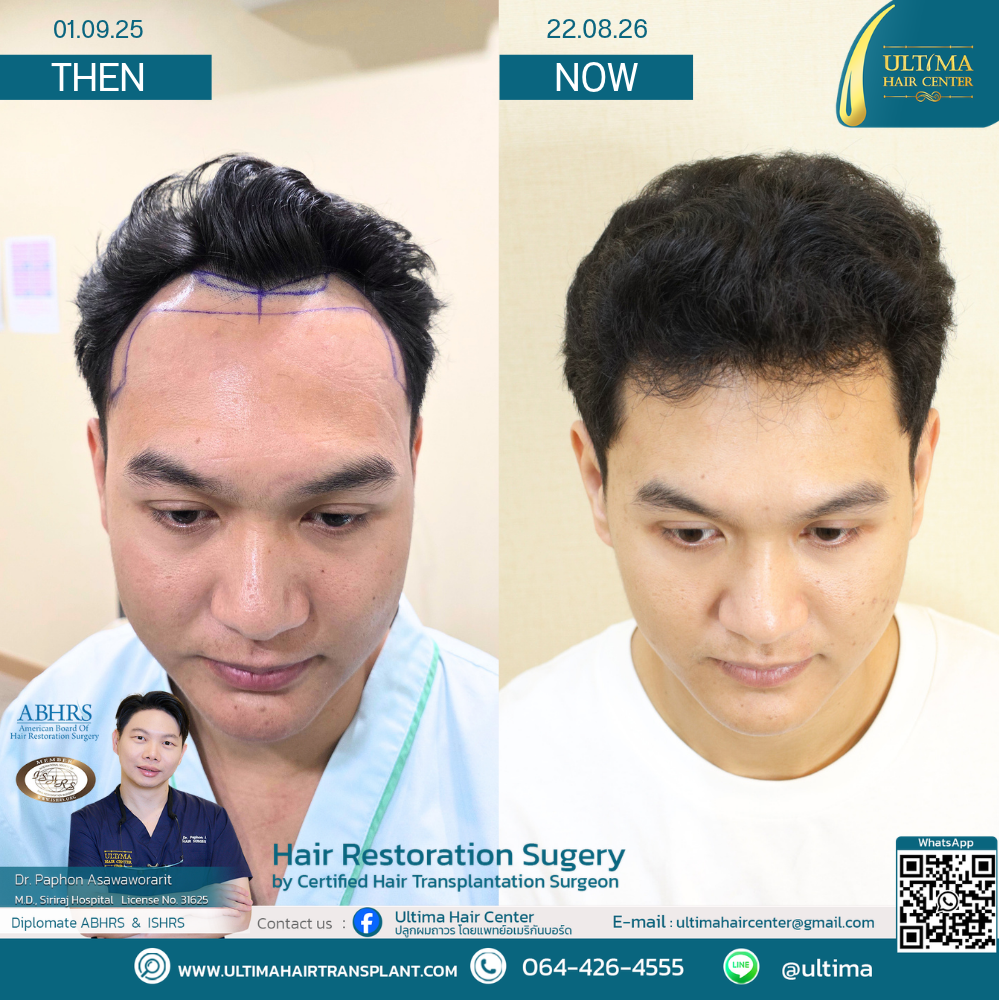 Will Shaving Cause the Transplanted Grafts to Come Out?
This is one of the most common concerns among hair transplant patients
Once the initial healing period has passed and the grafts have become securely established within the tissue, cutting or shaving the hair above the scalp does not mean that the transplanted grafts will be removed
The transplanted grafts are located beneath the skin, so shaving the visible hair above the scalp does not cut out the graft itself
However, during the early period after a hair transplant, you should still be careful with razors and other equipment that directly touches the scalp
Therefore, the important question is not simply:
“Will shaving make my grafts come out?”
Instead, you should ask:
“Has my scalp healed enough to safely shave it?”
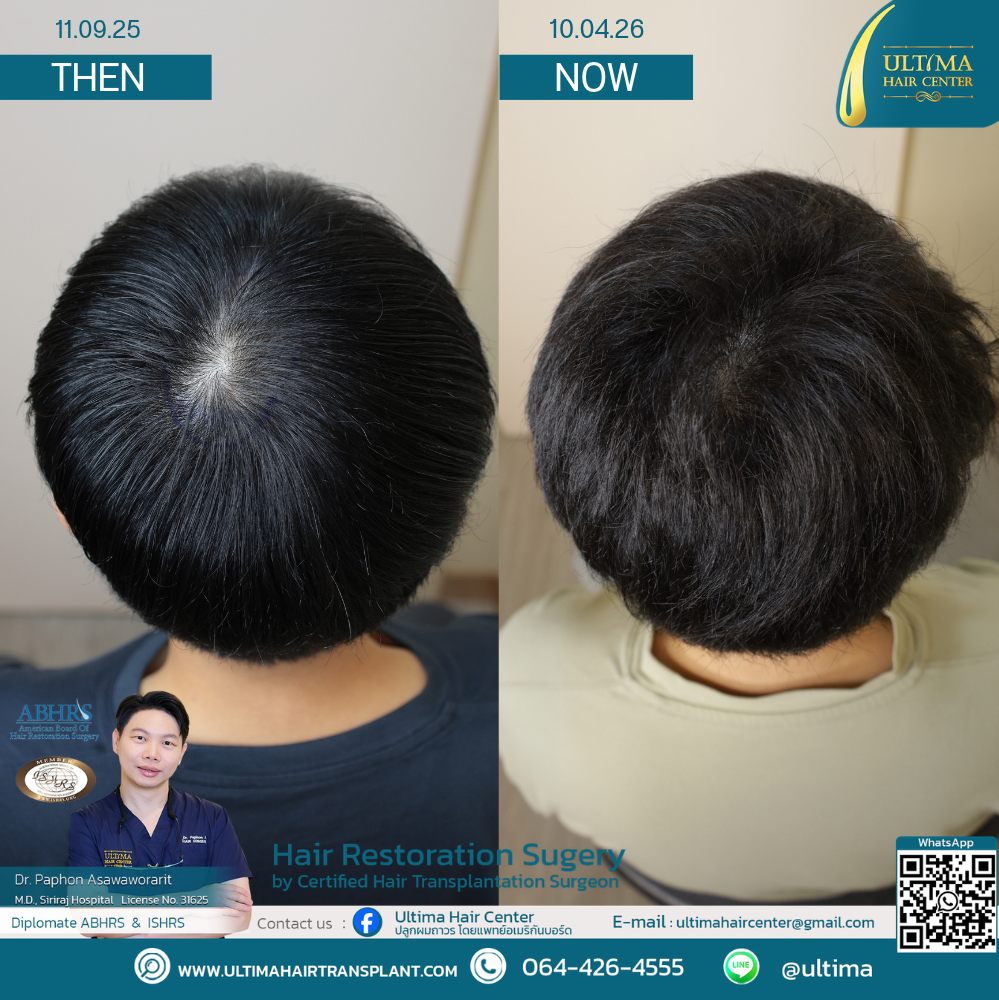 How Do FUE and FUT Affect Shaving Your Hair?
FUE
FUE, or Follicular Unit Excision, is a hair transplant technique in which individual hair grafts are harvested from the Donor Area
After healing, there will be small marks distributed throughout the donor area where the grafts were harvested
One advantage for some patients is that they may be able to wear their hair relatively short without having a linear scar like the one associated with FUT
However, shaving extremely short or completely down to the scalp may make the donor area marks more visible in some individuals
FUT
FUT, or Follicular Unit Transplantation, involves removing a strip of scalp from the Donor Area and then separating it into individual grafts
This results in a linear scar in the donor area at the back of the scalp
Therefore, if a patient wants to shave their hair extremely short, the linear scar may be more visible than when the hair is kept long enough to cover it
This is an important factor to discuss with your doctor before choosing a hair transplant technique
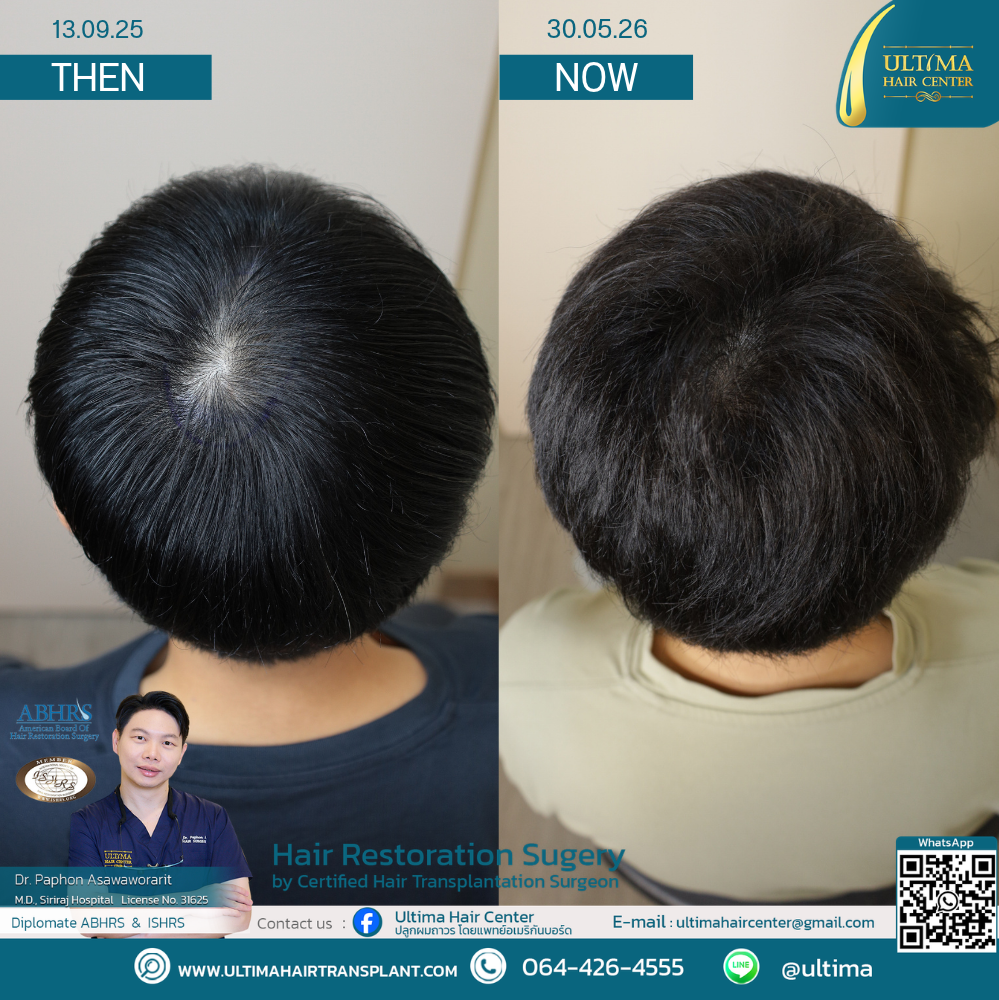 Should People Who Like to Shave Their Heads Choose FUE or FUT?
The decision should not be based solely on your preference for shaving your head. Other factors should also be considered, including:
- The number of grafts required
- The quality of the Donor Area
- The pattern of hair loss
- Scalp laxity
- Previous hair transplant history
- Your preferred hairstyle in the future
- How short you want to keep your hair
- The possibility of needing additional hair transplant procedures
If you tell your doctor from the beginning, “I want to keep my head shaved or very short,” this information can be important when planning your treatment
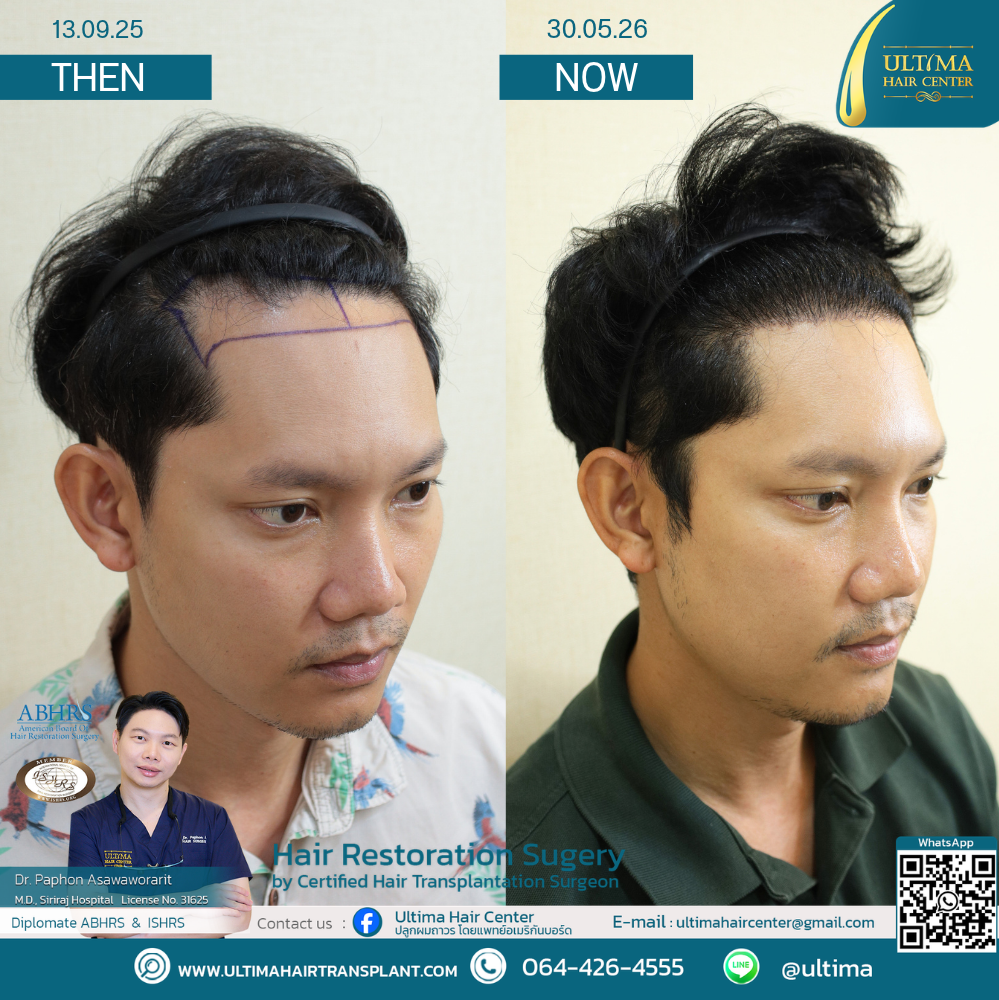 Should You Keep Your Hair Short or Long After a Hair Transplant?
During the early recovery period, keeping the hair somewhat longer may help reduce direct contact with the scalp and can help conceal areas that are still healing
As time passes, you can choose a hairstyle based on your preferences and what is appropriate for your hair condition
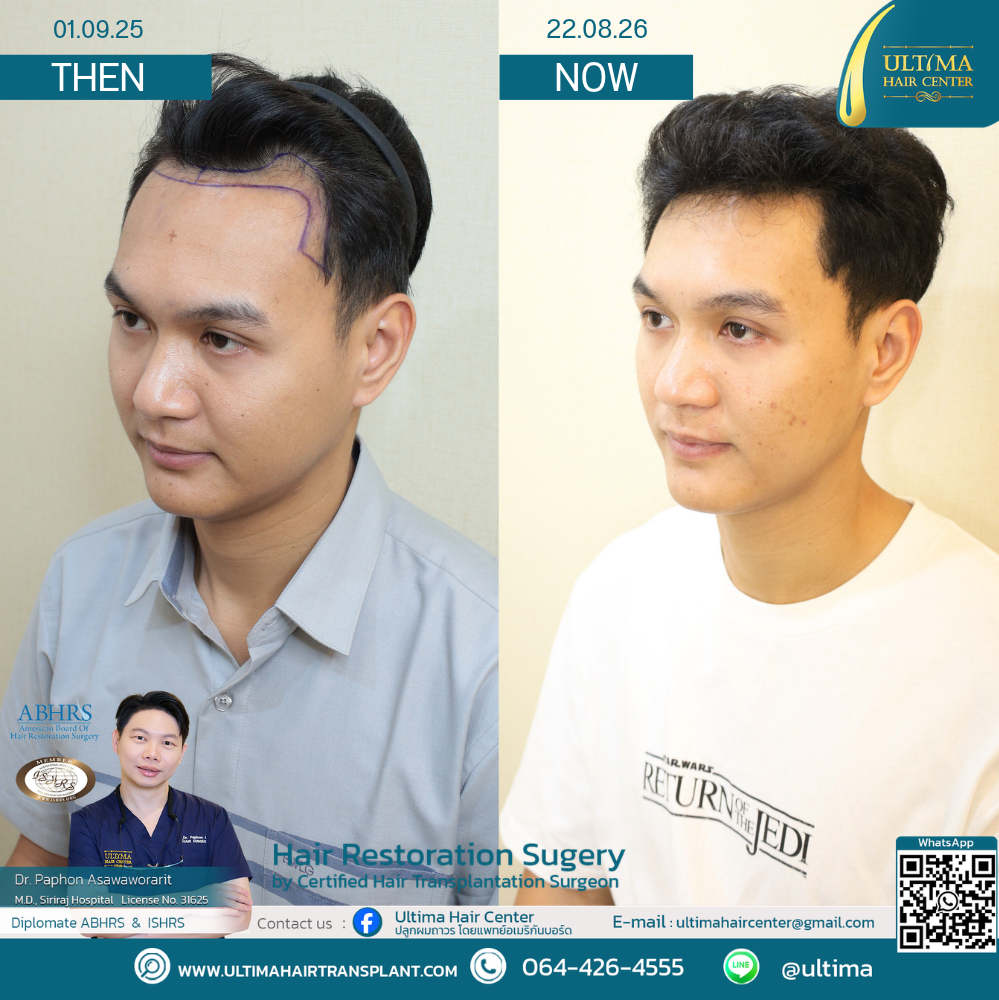
As the transplanted hair begins to grow and density improves, appropriate haircuts and styling can help the overall appearance look more polished
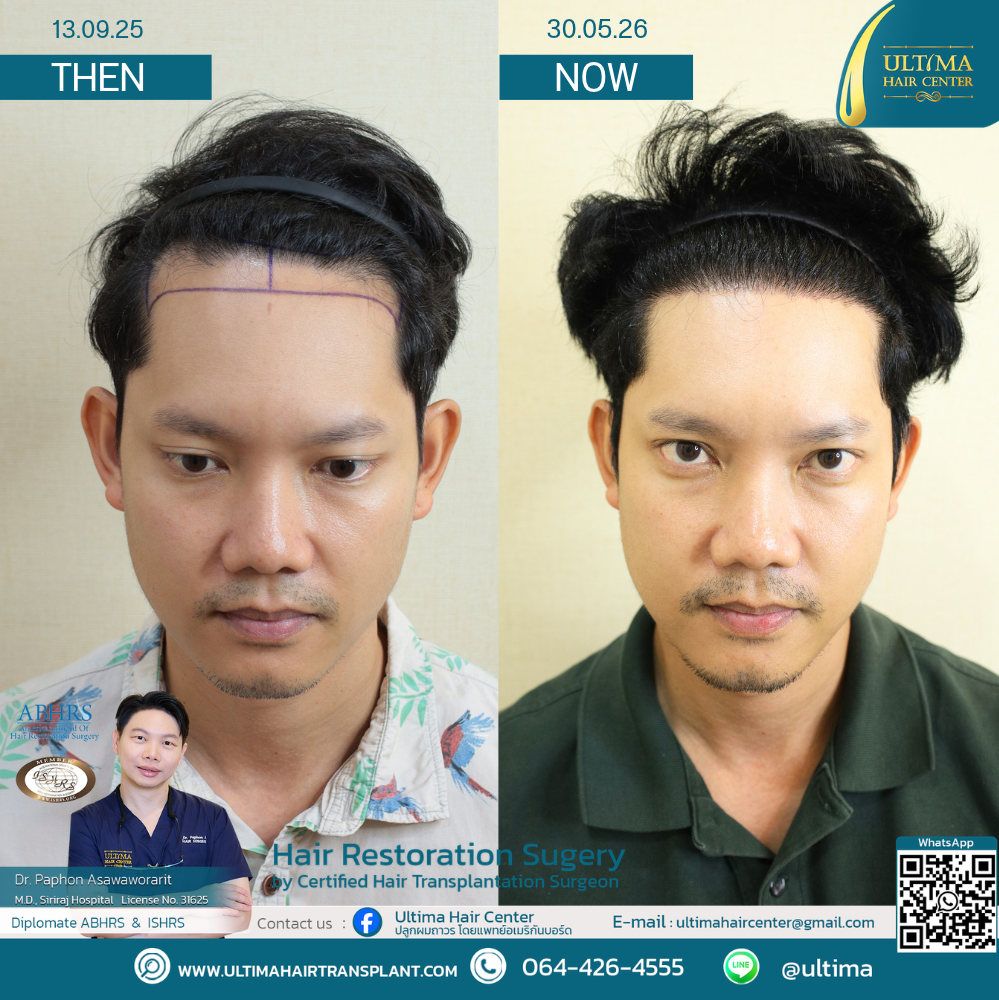 Will Cutting Your Hair Prevent Transplanted Hair From Growing?
Cutting the ends of the hair does not damage the hair roots located beneath the scalp
Therefore, once the appropriate recovery period has passed, cutting the hair does not stop the transplanted grafts from continuing to grow
However, cutting or shaving too early, while the scalp has not healed properly, may cause irritation or minor skin injury
It is therefore important to distinguish between “cutting the hair” and “traumatizing the scalp”
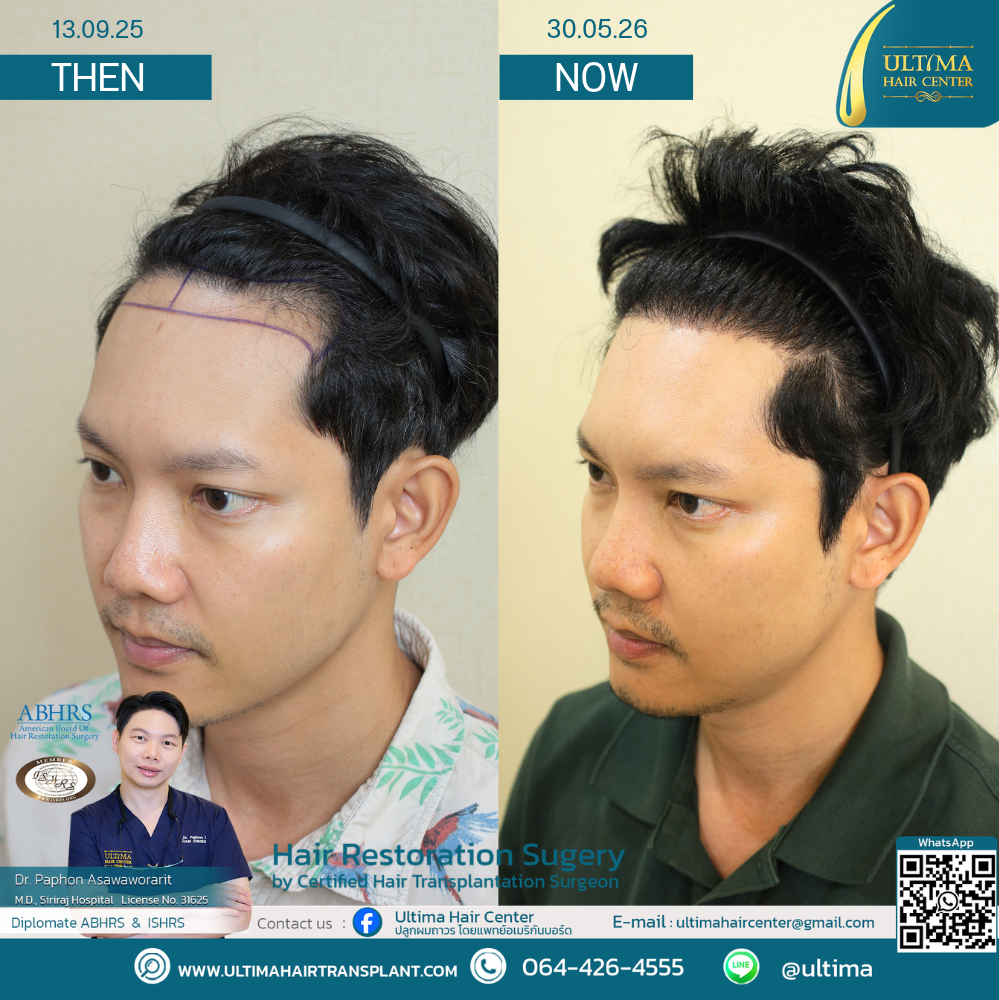 What Should Your Barber Be Careful About After a Hair Transplant?
When you return to the barber, let them know that you have recently undergone a hair transplant
During the early recovery period, particular care should be taken with:
- Applying strong pressure with hair clippers
- Using a razor directly against the scalp
- Pulling the hair
- Brushing or combing aggressively
- Using excessive amounts of styling products
- Using excessive heat when blow-drying the hair
If your scalp is still recovering, choose a haircutting method that minimizes direct contact with the scalp
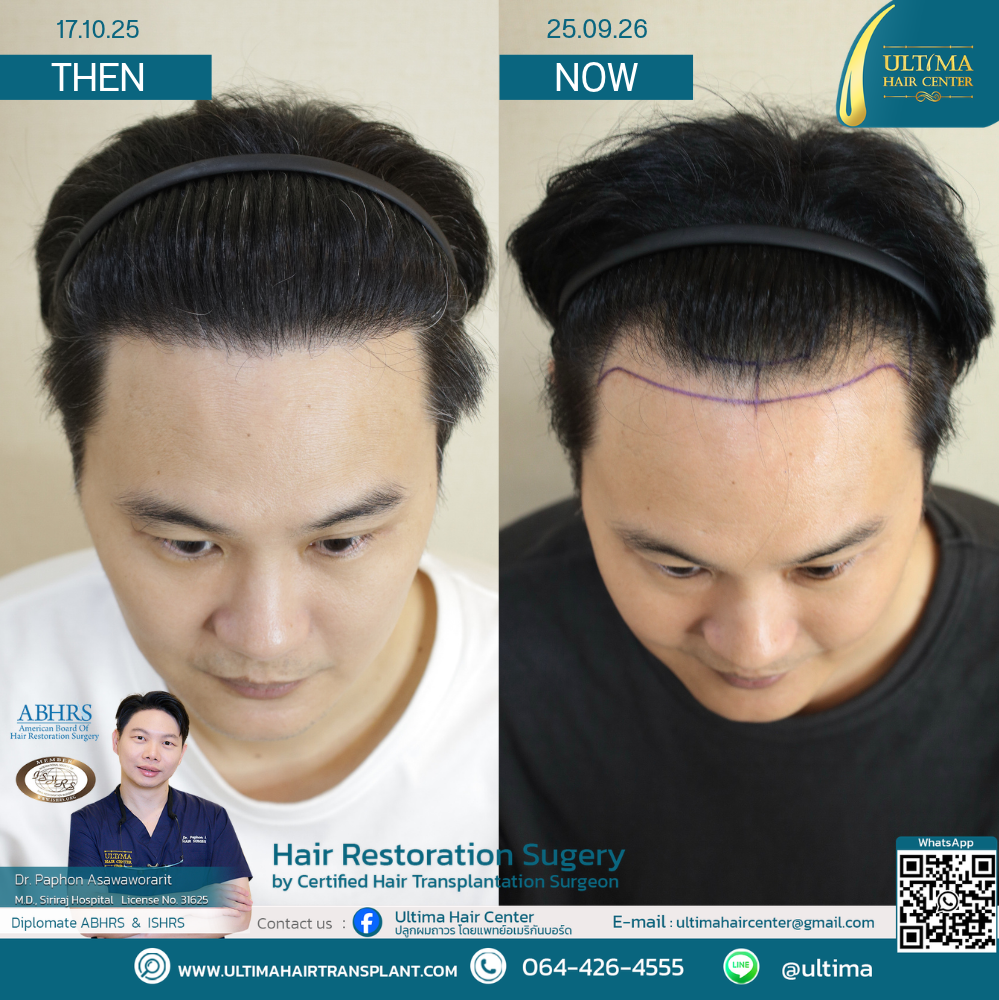 Can You Dye Your Hair After a Hair Transplant?
Hair coloring is another aspect that should be planned after a hair transplant
Hair dye products contain chemicals that may cause irritation in some individuals
Therefore, you should avoid coloring your hair too soon while the scalp still has wounds, scabs, or redness
Once the scalp has healed well, you can consider returning to your usual hair coloring routine, but it is advisable to consult your doctor beforehand
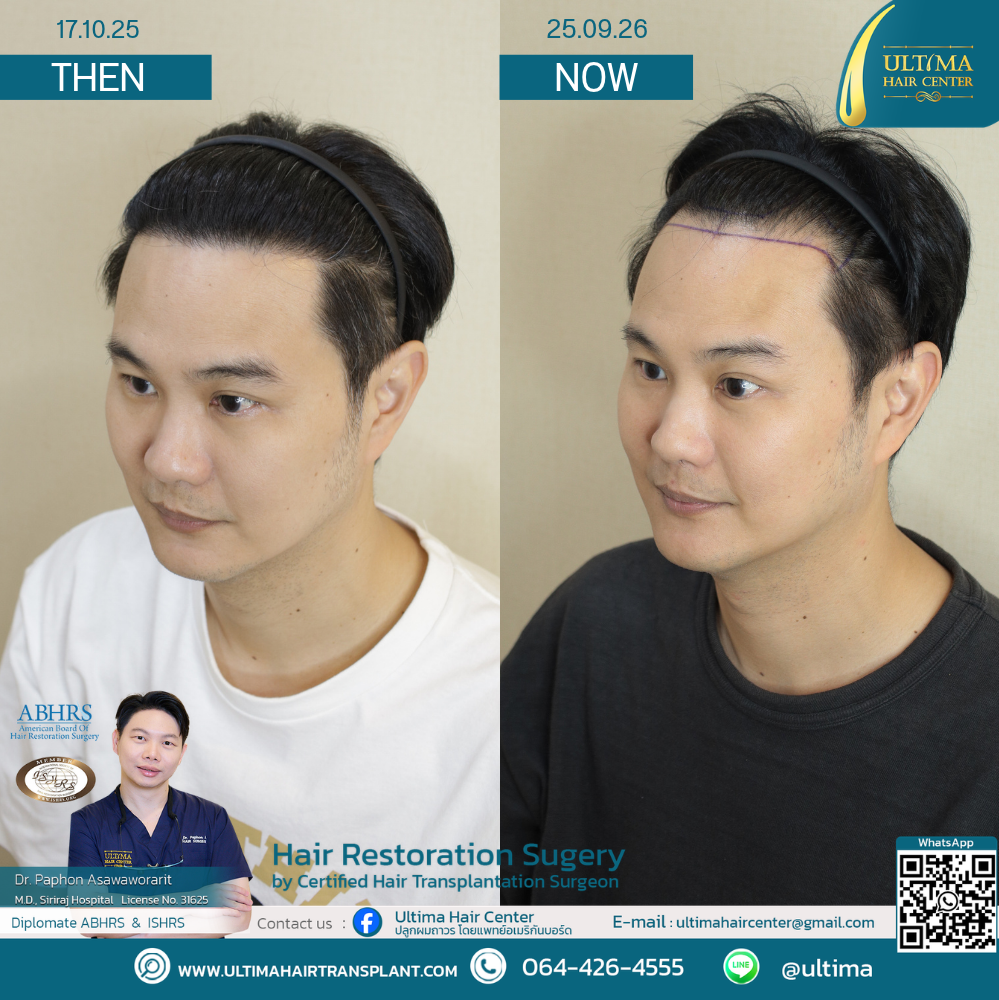 How Should You Cut Your Hair After a Hair Transplant for a Natural-Looking Result?
The goal of a haircut after a hair transplant is not simply to make the hair shorter or longer
Appropriate styling can help create a more balanced overall appearance, especially while newly transplanted hair is gradually growing
If the hairline has been properly designed and the grafts have been appropriately distributed from the beginning, styling becomes easier once the transplanted hair has grown enough to be trimmed
This is part of the overall concept of achieving a natural-looking hair transplant result
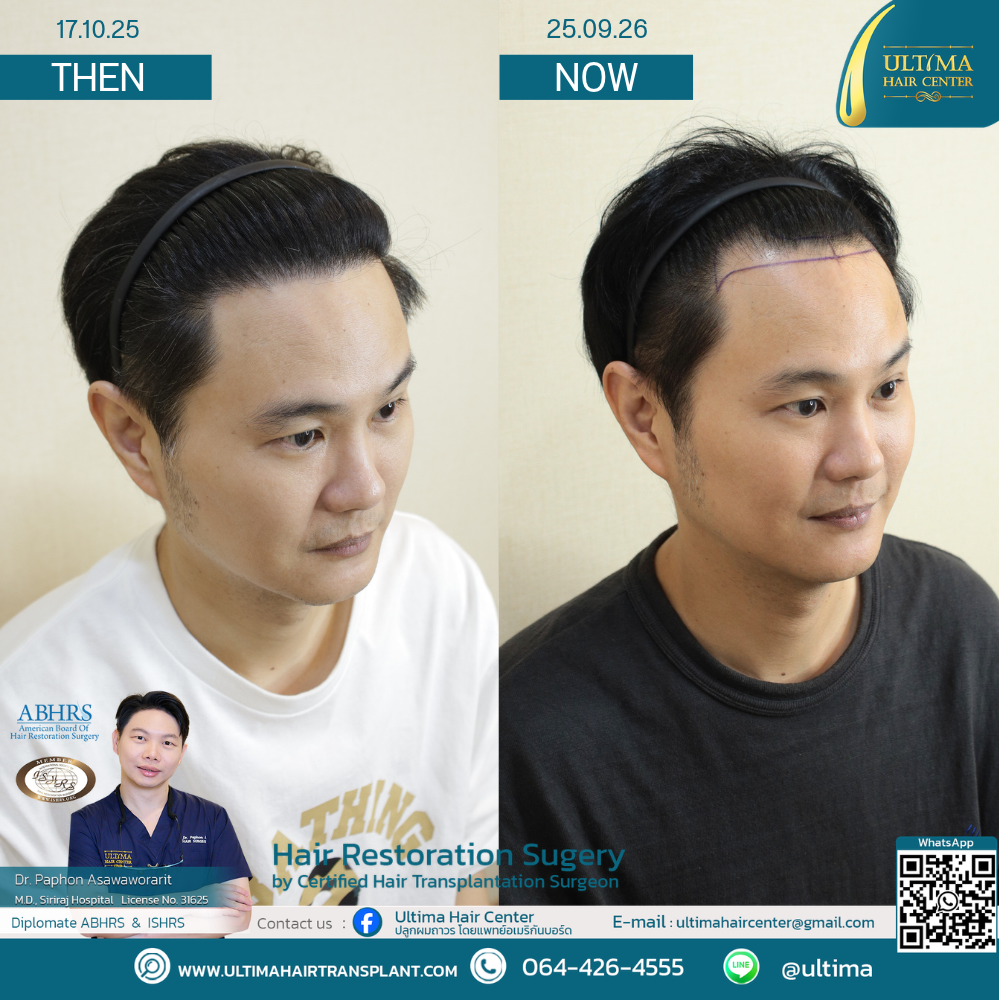 Quality-Focused Hair Transplantation Is Not Just About the Number of Grafts
People considering a hair transplant may focus heavily on the number of grafts, such as 2,000, 3,000, or 4,000 grafts
However, the number of grafts alone does not determine the quality of a hair transplant. Good planning should consider:
- The total number of available grafts
- Graft quality
- The area that needs transplantation
- Appropriate density
- Hairline design
- Hair direction
- Future hair loss
Therefore, quality-focused hair transplantation should mean making appropriate use of the available donor resources rather than simply placing as many grafts as possible
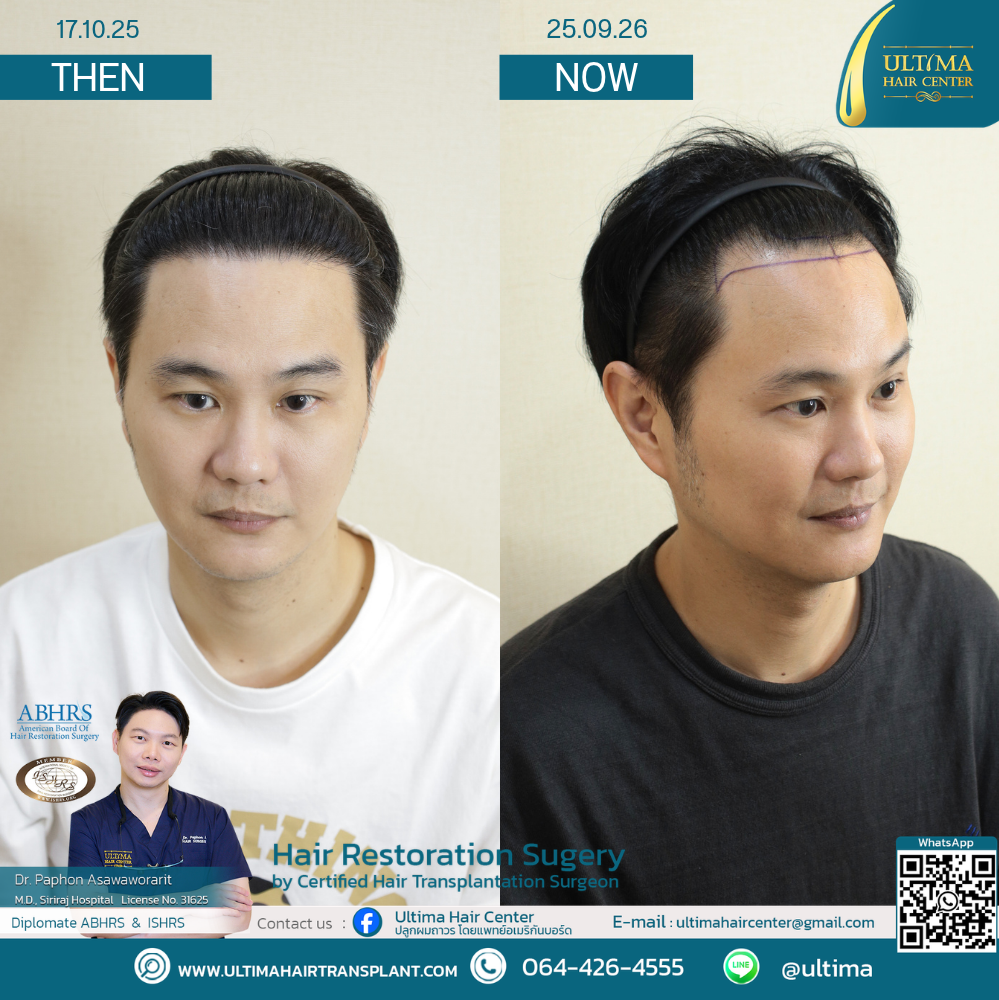 What Should You Look for When Choosing a Hair Transplant Clinic in Bangkok?
For people searching for a hair transplant clinic in Bangkok, it is important to consider more than just the price
Questions you should ask include:
Who performs the assessment?
You should receive an assessment from a doctor before a treatment plan is established
Which technique is used?
You should understand that FUE and FUT have different advantages and limitations
Is the number of grafts appropriate?
The decision should not be based simply on choosing the largest possible number of grafts
How will the hairline be designed?
The hairline is an important part of the overall appearance of the face
Is there follow-up care?
Appropriate post-operative instructions and follow-up are important parts of the hair transplant process
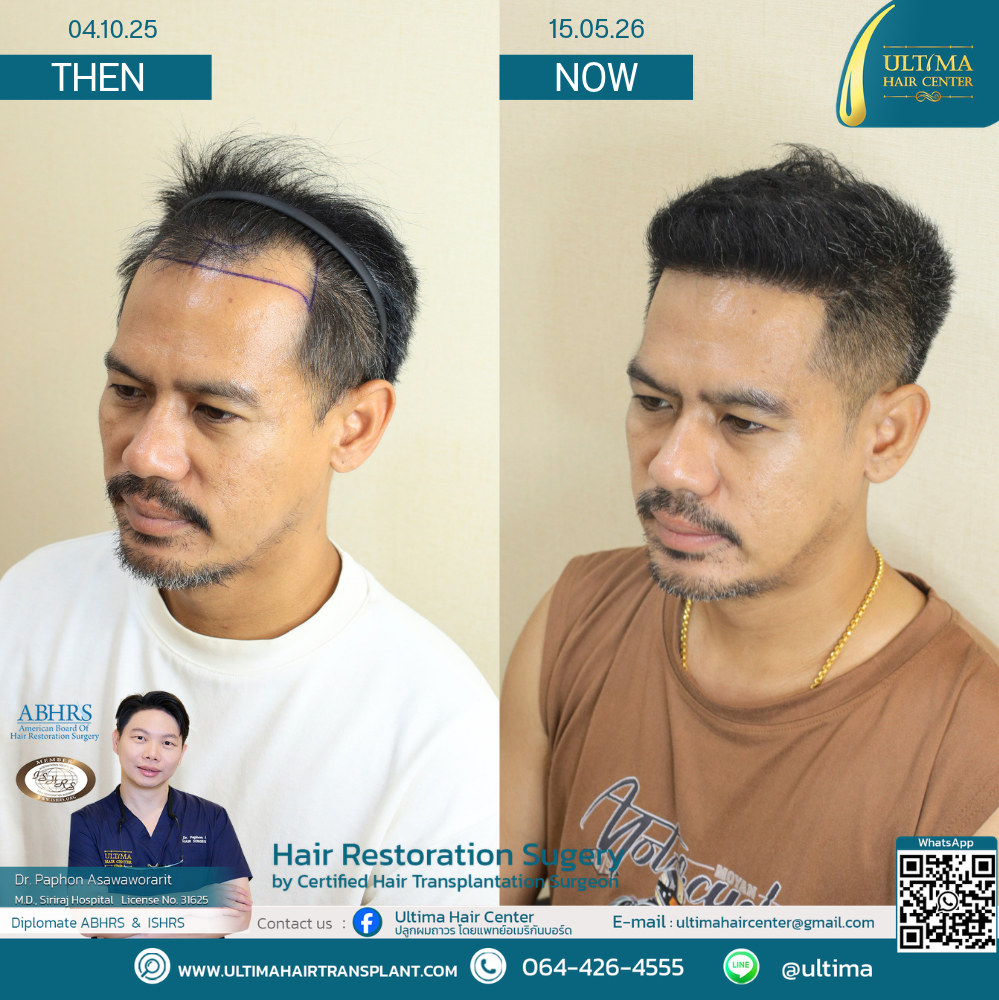 How Can Hair Transplantation With an ABHRS-Certified Doctor Help With Treatment Planning?
For people considering hair transplantation with an ABHRS-certified doctor, ABHRS certification can be considered as one of the factors when choosing a physician
ABHRS, or the American Board of Hair Restoration Surgery, is an organization that provides a certification system for physicians in Hair Restoration Surgery
However, you should also consider other factors, including:
- Assessment of your hair loss
- Hairline design
- Graft planning
- Selection of an appropriate technique
- Surgical approach
- Post-operative care
- Follow-up
Hair transplantation is a process that should be planned according to each individual’s specific characteristics and goals
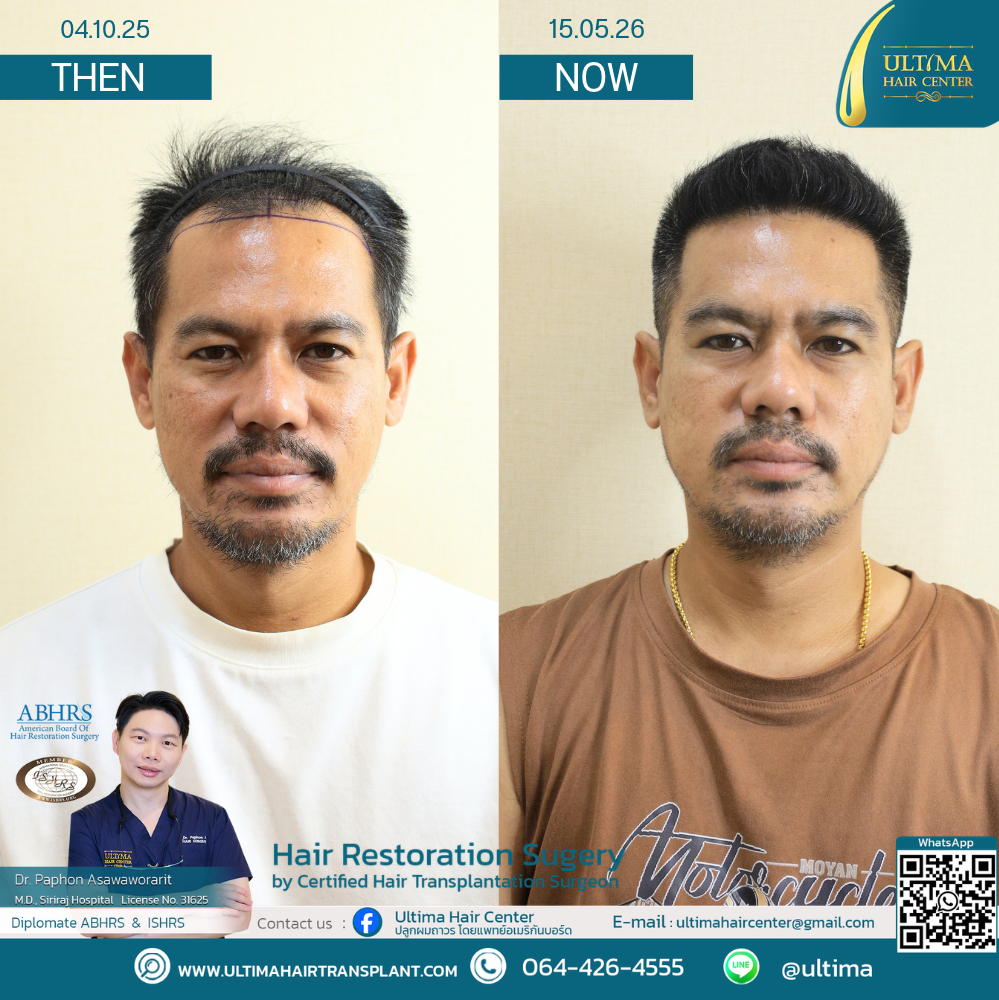 Ultima Hair Center Focuses on Planning Before Hair Transplantation
At Ultima Hair Center, we emphasize individualized hair transplant planning
The assessment considers the patient’s existing hair, Donor Area, pattern of hair loss, preferred hairstyle, and expectations
In particular, patients who prefer to keep their hair very short or regularly shave their heads should communicate this preference before choosing a technique
Your preferred hairstyle in the future can be an important consideration when planning a hair transplant
The approach at Ultima Hair Center is quality-focused hair transplantation, with an emphasis on appropriate planning, efficient use of available grafts, and designing the treatment around each individual patient
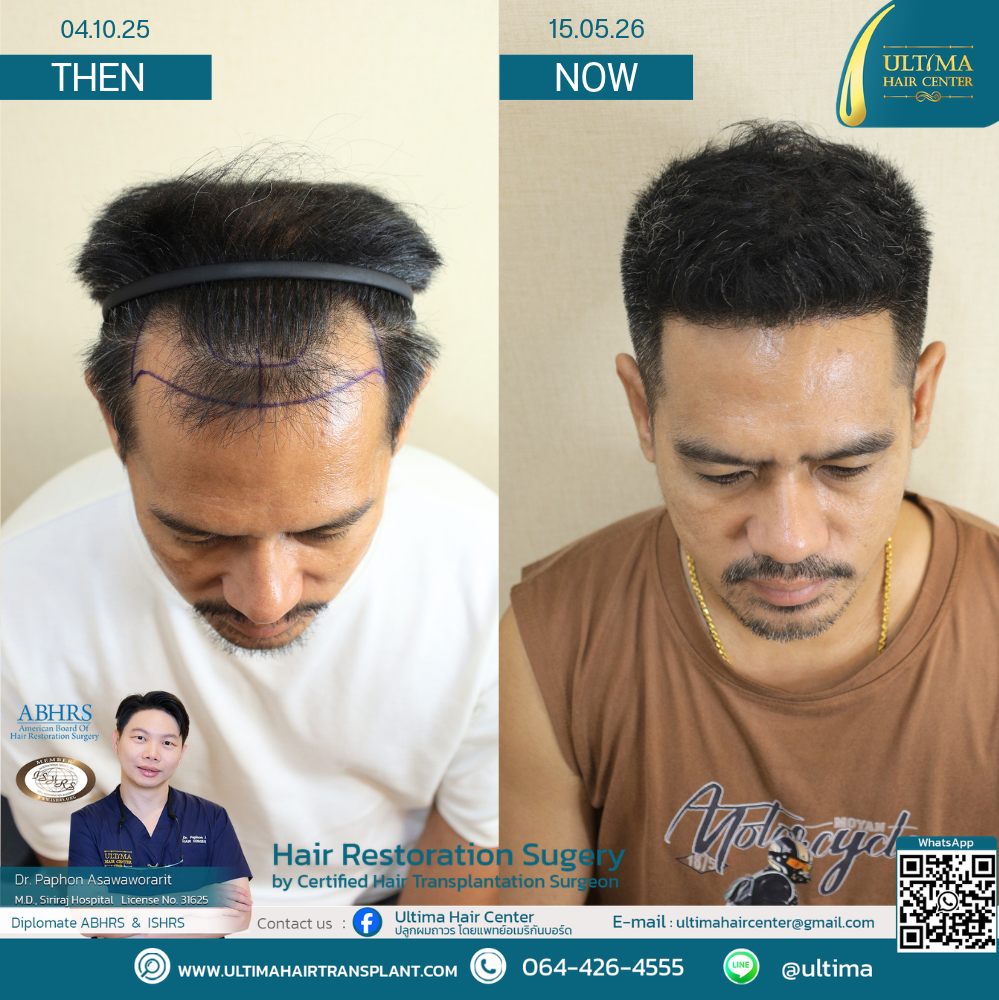 Free Consultation With Dr. Ming Before Your Hair Transplant
If you are planning a hair transplant and have questions such as:
“If I have a hair transplant, will I still be able to shave my head?”
or
“I prefer a Buzz Cut. Should I choose FUE or FUT?”
These are questions that should be discussed with a doctor before the procedure
At Ultima Hair Center, patients can receive a free consultation with Dr. Ming to discuss hair loss and hair transplant planning
Another important aspect is that Dr. Ming personally responds to patients’ messages, allowing patients to ask questions directly about preparation, treatment options, and post-operative care
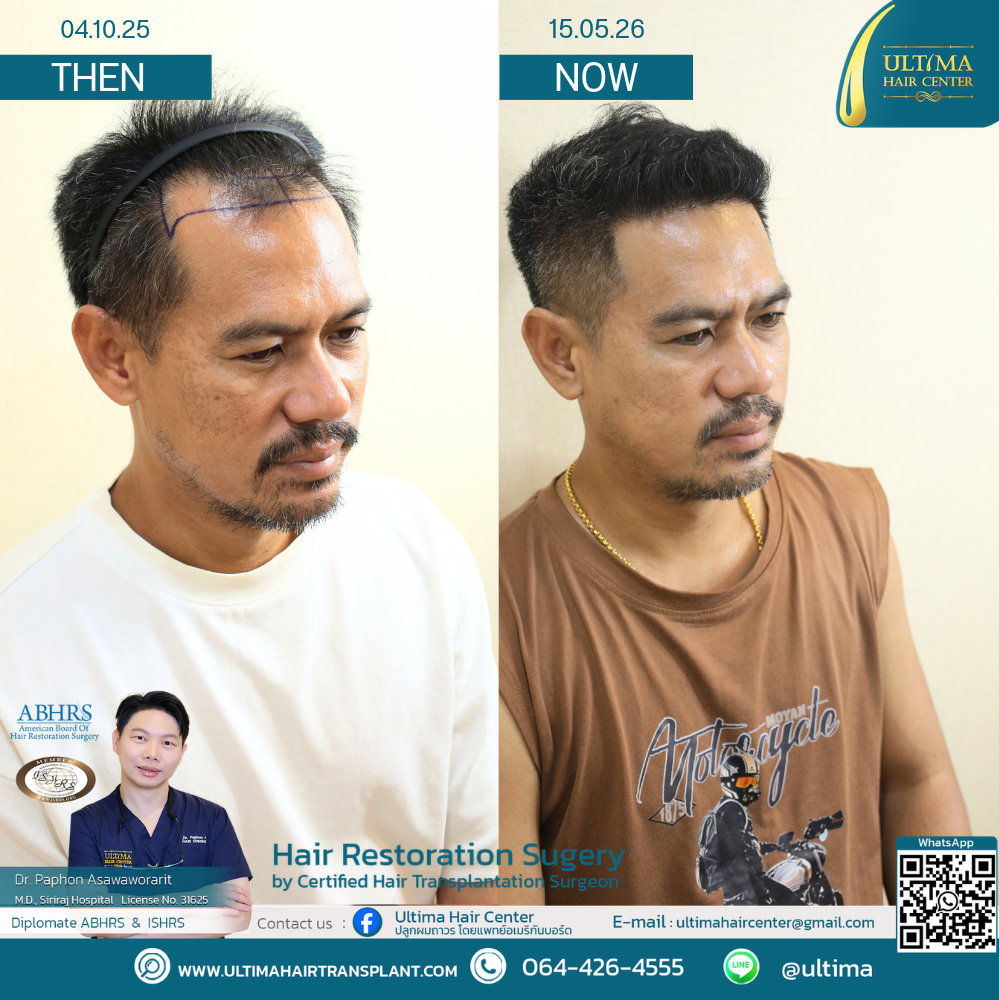 Frequently Asked Questions About Cutting and Shaving Hair After a Hair Transplant
How many days after a hair transplant can I get a haircut?
Around 1 month is a general guideline, but the appropriate timing depends on the area being cut, the technique used, and how well the scalp has healed. You should receive advice from your doctor before getting a haircut, especially when cutting the recipient area
Can I use scissors to cut my hair after a hair transplant?
You can return to using scissors once the recipient area has healed well. During the early recovery period, avoid pulling the hair or applying strong pressure to the scalp
Can I use hair clippers after a hair transplant?
You can use clippers once the scalp has healed sufficiently, but avoid applying strong pressure or clipping directly over areas that still have wounds or scabs
Can I shave my head after a hair transplant?
You can shave your head once both the recipient area and Donor Area have healed well. If you want to shave extremely close to the scalp, consult your doctor first
Will shaving make the transplanted grafts come out?
Once the grafts have become securely established, cutting or shaving the visible hair above the scalp does not mean that the grafts will come out. During the early recovery period, however, you should avoid strong contact with the scalp
Is FUE suitable for people who like to shave their heads?
FUE may be a suitable option for some people, but the Donor Area and your desired hair length should also be considered. The technique should not be selected based on this factor alone
Is FUT suitable for people who want to keep their hair very short?
This requires careful consideration because FUT leaves a linear scar in the Donor Area, which may become visible when the hair is shaved very short
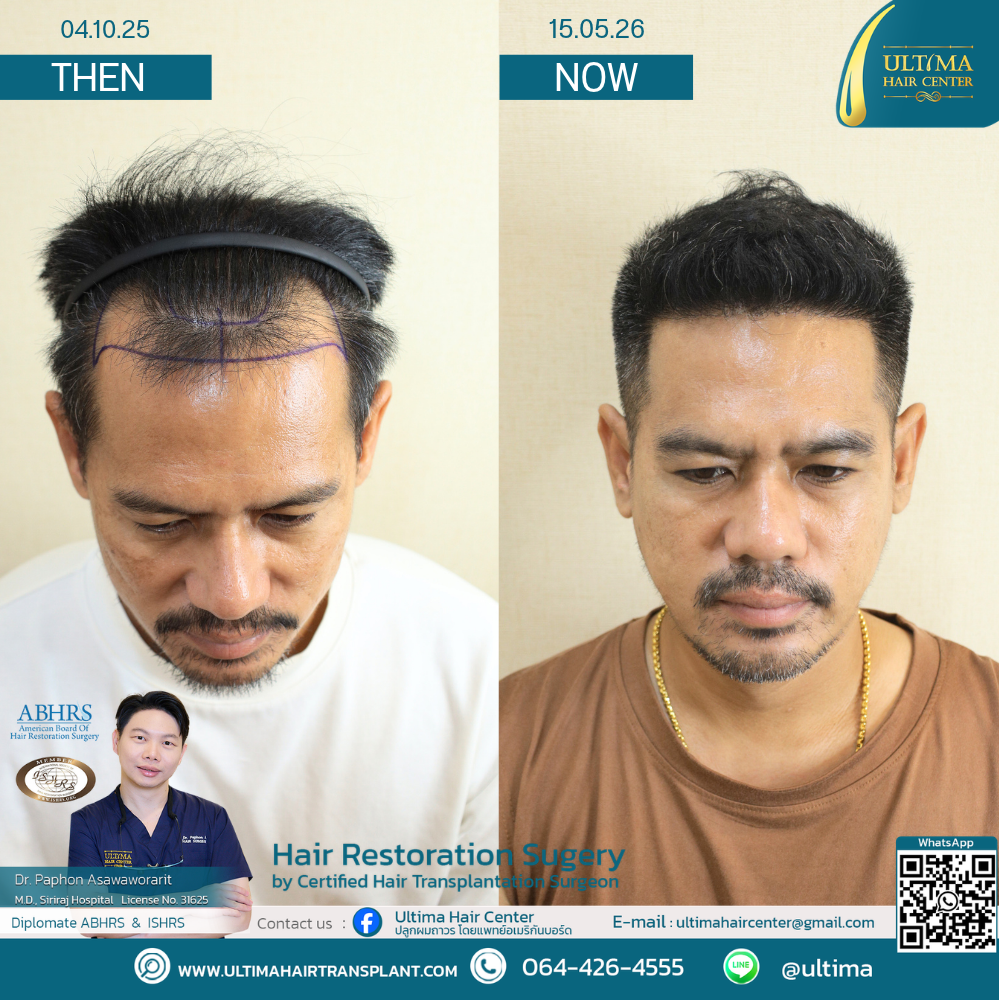 Conclusion: When Can You Cut or Shave Your Hair After a Hair Transplant?
You can return to cutting and shaving your hair after a hair transplant, but you should wait until the recipient area and Donor Area have healed sufficiently
Remember that cutting with scissors, using hair clippers, and shaving with a razor involve different levels of contact with the scalp. Therefore, there is no single rule stating that everyone can safely perform these activities after exactly the same number of days
For people who regularly shave their heads or prefer very short hairstyles, this preference should be discussed with the doctor before the hair transplant because your desired hairstyle may influence the choice of technique and the planning of the Donor Area
If you are looking for a hair transplant clinic in Bangkok and want to find out whether FUE or FUT may be more suitable for you, you can receive a free consultation with Dr. Ming at Ultima Hair Center, where Dr. Ming personally responds to patients’ messages
For patients who place importance on physician qualifications, hair transplantation with an ABHRS-certified doctor can be considered alongside the doctor’s experience, previous results, treatment planning, and approach to patient care
Ultimately, the goal of a hair transplant should not simply be to increase the number of hairs. It should also take into account hairline design, appropriate graft utilization, and each patient’s lifestyle and hairstyle preferences, so that patients can style their hair according to their preferences in the future and achieve an overall natural-looking hair transplant result
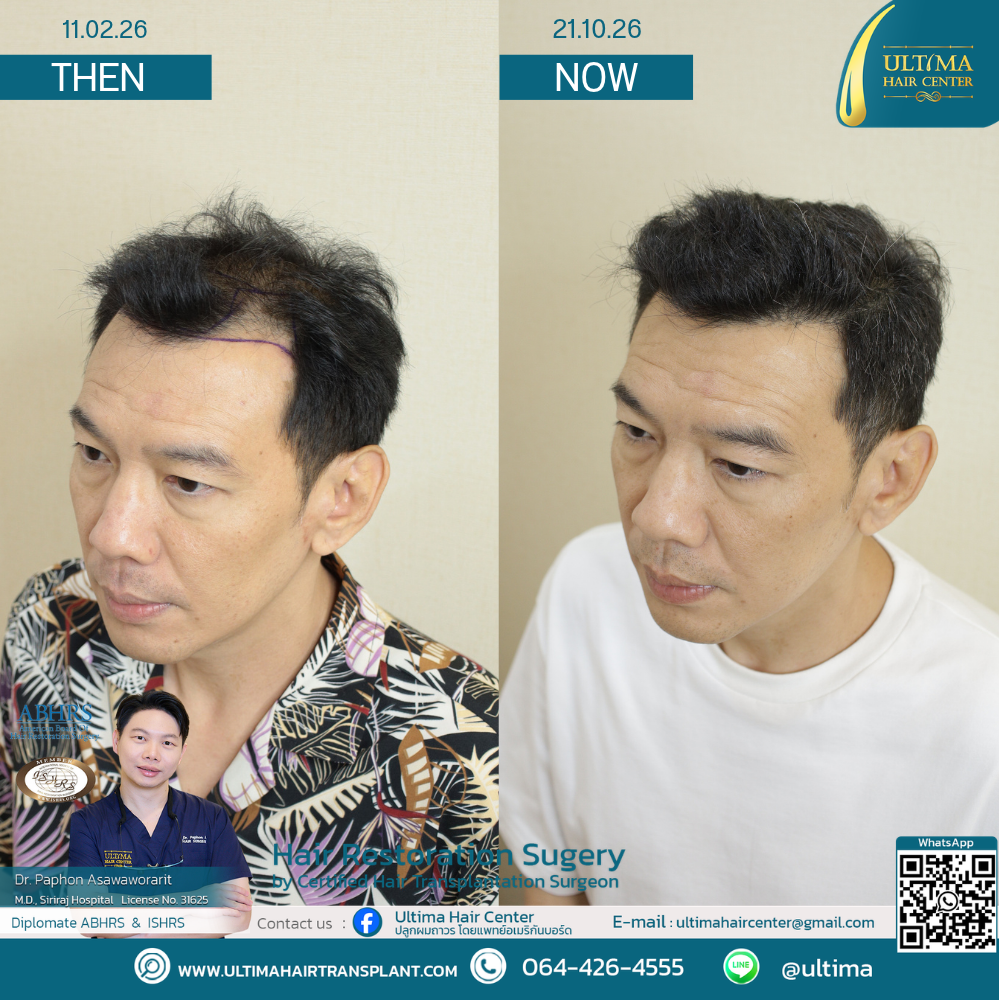
Contact Us:
Dr. Paphon Asawaworarit (Dr. Ming)
Physician Directory ABHRS
Ultima Hair Center (Thailand Website)
Ulitma Hair Transplant (English Website)
Line: @ultima
E-mail: ultimahaircenter@gmail.com
