

What Medications Should You Stop Before a Hair Transplant?

Medications to Avoid and What You Should Tell Your Doctor Before Hair Transplant Surgery
Before undergoing a hair transplant, one of the important things patients should consider, alongside choosing the appropriate technique and number of grafts, is the medications they regularly take, painkillers, blood thinners, antiplatelet medications, vitamins, supplements, and other products that may affect blood clotting
Some people may assume that a hair transplant is a relatively minor procedure and that they can continue taking all medications and supplements as usual. However, certain medications may increase the tendency to bleed, cause more oozing during or after the procedure, or make bruising more likely. For this reason, patients should always inform their doctor about all medications and supplements they are taking before undergoing a hair transplant
However, not every medication needs to be stopped before a hair transplant. Some medications should never be stopped without medical advice because suddenly discontinuing them may create a greater health risk than the potential bleeding risk associated with the procedure
Therefore, before deciding whether to stop any medication, patients should have their individual situation assessed by a doctor, especially if they have an underlying medical condition or take prescription medications regularly
 Why Should You Tell Your Doctor About Your Medications Before a Hair Transplant?
A hair transplant involves removing hair grafts from a donor area and placing them into areas affected by hair thinning or baldness. Whether the procedure is performed using FUE or FUT, small wounds are created during the procedure
For this reason, blood clotting is one of the factors that doctors need to consider
Certain medications can increase the tendency to bleed or bruise, including antiplatelet medications and anticoagulants. Some dietary supplements may also affect blood clotting
When your doctor knows what medications you are taking in advance, they can better assess potential risks and plan the procedure appropriately
Most importantly, do not stop your regular medication on your own simply because you are going to have a hair transplant
This is particularly important for medications used to treat heart disease, blood vessel conditions, blood clots, or other chronic medical conditions. Stopping these medications without medical advice may create a greater health risk than the potential side effects associated with the hair transplant procedure
 Which Types of Medication Should You Tell Your Doctor About Before a Hair Transplant?
1. Anticoagulants
The first group that should always be clearly reported to your doctor is anticoagulant medication, such as
- Warfarin
- Apixaban
- Rivaroxaban
- Dabigatran
- Edoxaban
- Heparin and related medications
These medications are prescribed for some patients who have an increased risk of blood clots, such as certain types of heart rhythm disorders, blood clots, or certain cardiovascular conditions
These medications should not be stopped on your own
If you are taking an anticoagulant, your hair transplant doctor should know before the procedure. If stopping or adjusting the medication is considered necessary, this should be discussed with the doctor who manages the underlying medical condition
 2. Antiplatelet Medications
Another important group is antiplatelet medications, such as
- Aspirin
- Clopidogrel
- Ticagrelor
- Prasugrel
These medications reduce platelet aggregation and are commonly prescribed for patients with coronary artery disease, stroke-related conditions, or other medical indications
Antiplatelet medications may increase the risk of bleeding during or after a procedure
However, the key point is that you should not stop these medications on your own
For example, some patients take low-dose Aspirin because they have a history of cardiovascular disease or have previously undergone coronary stent placement. Suddenly stopping the medication without medical advice may carry significant risks
Therefore, if you take Aspirin or another antiplatelet medication, inform your hair transplant doctor during the consultation stage
 3. Certain Painkillers
Some painkillers in the NSAID group, such as
- Ibuprofen
- Naproxen
- Diclofenac
- Ketoprofen
may affect platelet function and increase the tendency to bleed in certain situations
Therefore, if you regularly take pain medication or have recently taken a painkiller before your hair transplant, you should inform your doctor
In practice, your doctor may determine whether the medication should be temporarily stopped or adjusted based on the type of medication, dosage, duration of use, reason for taking it, and your overall health
For this reason, patients should not decide on their own how many days they need to stop a particular medication
 4. Regular Aspirin Use
Aspirin deserves special attention because some people take low-dose Aspirin regularly and may assume that because it is a small tablet, it will have little effect on a hair transplant
However, Aspirin can inhibit platelet function for longer than the medication remains in the bloodstream
Therefore, if you take Aspirin regularly, do not decide to stop it on your own
Tell your doctor why you are taking Aspirin and allow the doctor to determine whether it needs to be stopped before the procedure. If Aspirin is being used to prevent cardiovascular disease, coordination with your treating physician may also be necessary
 5. Vitamins and Dietary Supplements
In addition to prescription medications, one thing patients often forget to mention is vitamins and dietary supplements
Some supplements may affect blood clotting or increase the tendency to bleed, particularly when taken at high doses or together with certain medications
Examples of products that should be reported to your doctor include
- Fish oil / Omega-3
- Vitamin E
- Ginkgo biloba
- Garlic supplements
- Ginseng
- Turmeric / Curcumin
- Herbal supplements containing multiple ingredients
This does not mean that every supplement must be stopped before a hair transplant. However, you should tell your doctor what you are taking so that the potential risks can be assessed appropriately
If you take products that you purchased yourself and the ingredients are unclear, consider bringing the product name or a photo of the label so your doctor can review the ingredients
 6. Herbal Medicines and Self-Purchased Supplements
Some herbal medicines and dietary supplements may contain ingredients that affect blood clotting or interact with other medications
Therefore, if you regularly take herbal products, traditional Chinese medicines, or dietary supplements, inform your doctor about all of them
Anything you take regularly should be reported to your doctor before a hair transplant
Do not only report prescription medications
 Do You Need to Stop Minoxidil Before a Hair Transplant?
Patients who use Minoxidil to treat hair loss often ask whether they need to stop it before a hair transplant
The answer is it depends on the form of Minoxidil and the individual’s treatment plan
Minoxidil is available in both topical and oral forms, and the considerations may be different for each
For topical Minoxidil, your doctor may recommend temporarily stopping its use in the area involved in the hair transplant around the time of surgery, depending on the clinic’s treatment protocol
For oral Minoxidil, doctors may recommend stopping it before a hair transplant in some cases. However, patients should not stop or change the dosage on their own because oral Minoxidil has systemic effects, and the doctor should determine the appropriate approach
Therefore, if you are using Minoxidil, inform your doctor so they can assess whether it should be temporarily stopped or adjusted before your hair transplant
 Do You Need to Stop Finasteride or Dutasteride?
Patients with androgenetic hair loss may take Finasteride or Dutasteride to help control the progression of hair loss
In general, these medications are not primarily associated with increased bleeding in the same way as antiplatelet or anticoagulant medications
Therefore, you should not stop them simply because you are planning a hair transplant. Your doctor can determine whether you should continue them or modify your treatment plan based on your hair condition and overall health
For patients who are already taking medication for hair loss, informing the doctor before a hair transplant is important because the transplant is only one part of hair-loss management. Planning how to maintain the existing non-transplanted hair is also important
 Do Blood Pressure, Thyroid, or Other Regular Medications Need to Be Stopped?
Many patients wonder whether they need to stop all of their regular medications before a hair transplant
In general, do not stop your regular medications on your own, including
- Blood pressure medications
- Thyroid medications
- Diabetes medications
- Heart medications
- Cholesterol-lowering medications
- Other medications prescribed for chronic conditions
Each medication has different indications and potential risks
Some medications should be continued as usual, while others may require adjustment on the day of the procedure, particularly certain diabetes medications
Therefore, always tell your hair transplant doctor what medications you take, the dosage, and what condition each medication is being used to treat
If you are unsure whether a medication is relevant, you can take photos of all your medications and send them to your doctor for review in advance
 Should You Avoid Alcohol Before a Hair Transplant?
In addition to medications, alcohol is another factor that deserves attention
Drinking alcohol before a procedure may affect several aspects of your condition, including dehydration, sleep quality, blood pressure, and the body’s response to the procedure
Alcohol may also interact with certain medications used before or after a hair transplant
Therefore, it is generally advisable to avoid alcohol for approximately 3 days before and after a hair transplant, or according to your doctor’s specific instructions
 Should You Stop Smoking Before a Hair Transplant?
Smoking and nicotine are also important issues to discuss with your doctor before a hair transplant
Smoking can affect blood vessels and circulation, which are relevant to the wound-healing process. Smoking may also contribute to ongoing hair loss and thinning over time
If you smoke regularly, tell your doctor honestly. There is no need to hide this information because it can help your doctor assess potential risks and provide more appropriate pre- and post-operative recommendations
 What Is More Important Than Asking “How Many Days Should I Stop My Medication?”
A common question patients ask is
“How many days before a hair transplant do I need to stop my medication?”
However, the more important question is
“Can the medication I am taking affect my hair transplant?”
The appropriate timing for stopping a medication depends on the type of medication, why it is being used, the patient’s underlying medical conditions, and the individual’s overall risk
Some medications may not need to be stopped at all, while others may need to be temporarily discontinued before the procedure
And some medications should never be stopped without medical advice, particularly medications related to heart disease, blood vessels, or blood clots
Therefore, simply telling every patient to “stop all medications for 7 days” or “stop all medications for 5 days” is not an appropriate approach for everyone
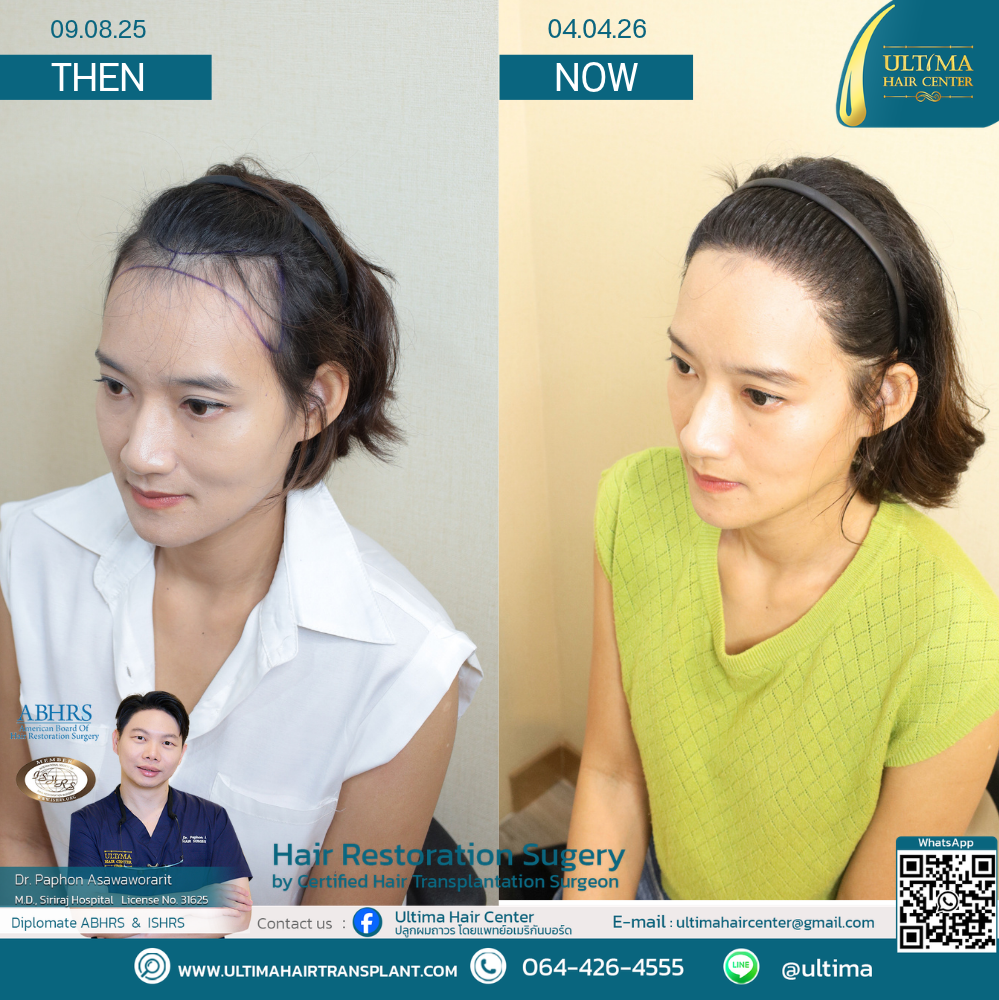 How Should You Prepare Your Medication Information Before a Hair Transplant?
To help your doctor assess your situation more easily, prepare the following information
1. A Complete List of Medications
Include both prescription medications and medications that you purchase yourself
2. Medication Dosages
For example, how many tablets you take each day and the strength of each tablet
3. Why You Take Each Medication
For example, whether it is used to treat high blood pressure, diabetes, heart disease, or hair loss
4. Vitamins and Dietary Supplements
Do not forget to report supplements and herbal products
5. Drug Allergies
Tell your doctor about any medications you have previously been allergic to and describe the reaction you experienced
6. Underlying Medical Conditions
In particular, tell your doctor about heart disease, high blood pressure, diabetes, blood disorders, liver disease, kidney disease, and conditions related to blood clotting
This information is more useful for planning a hair transplant than simply remembering how many days you were told to stop a particular medication
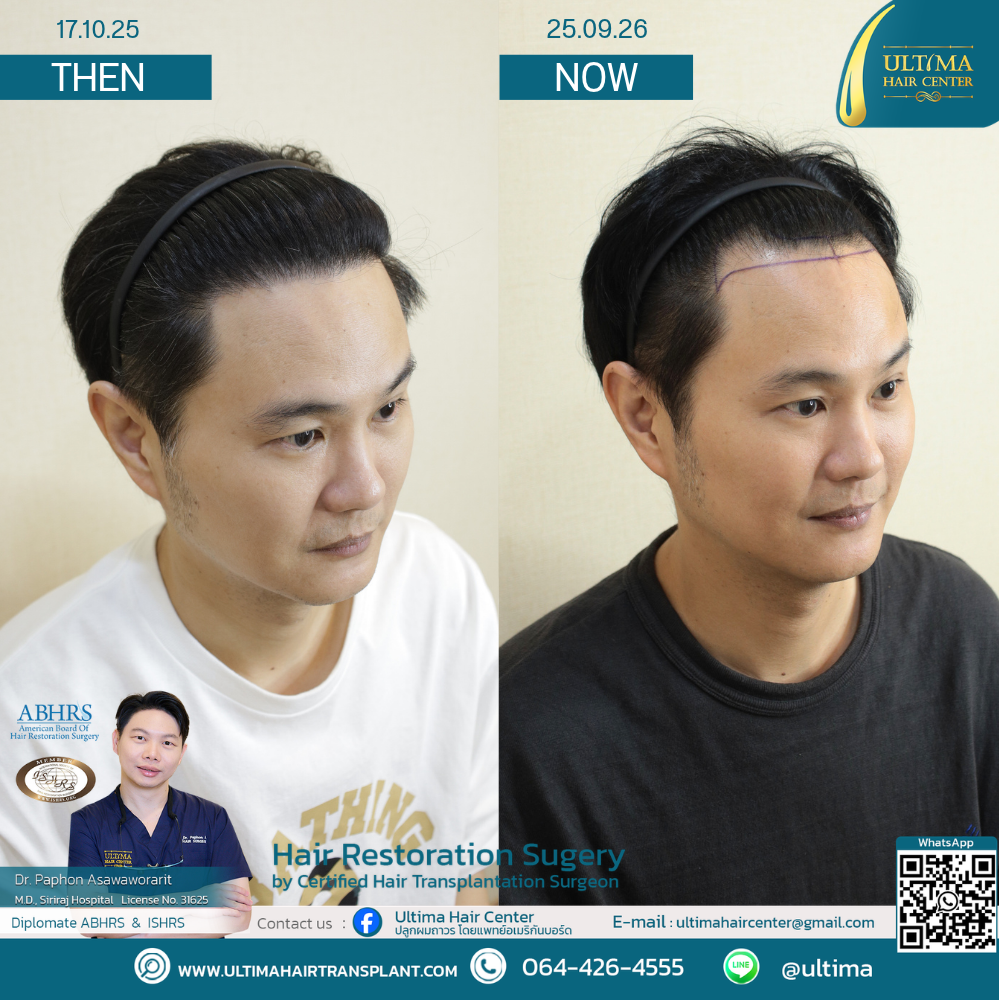 Can Stopping Medication on Your Own Before a Hair Transplant Cause Problems?
Yes, it can, particularly when the medication is necessary to control an underlying medical condition
For example, patients taking anticoagulants to prevent blood clots should not stop the medication simply because they are having a hair transplant without medical advice
Stopping certain medications may increase the risk of complications related to the underlying condition, such as blood clots or cardiovascular events
Therefore, the safest approach is
Tell your doctor first and allow your doctor to determine whether the medication should be stopped or continued
If consultation with another treating physician is necessary, the hair transplant doctor can coordinate with the physician managing the patient’s underlying condition to ensure that the preparation is appropriate
 Preparing for a Hair Transplant Is About More Than Medications
Good preparation should cover several areas, including
- Medical history
- Underlying medical conditions
- Current medications
- Dietary supplements
- Smoking
- Alcohol consumption
- Drug allergies
- Previous surgeries
- Previous hair transplant procedures
- Hair and scalp condition
- Donor area
- Patient expectations and goals
In particular, patients who have undergone a previous hair transplant but are not satisfied with the results should provide detailed information because planning a revision hair transplant for a problematic previous case can be different from planning a first-time hair transplant
 How Should You Choose a Doctor When Planning a Hair Transplant?
In addition to preparing your medications, choosing the right doctor is also an important part of planning a hair transplant
A hair transplant should not be evaluated solely based on price or the number of grafts offered. Patients should consider whether the doctor performs a thorough assessment of the hair-loss pattern, explains the potential limitations and realistic possibilities clearly, and provides a long-term treatment plan
For those searching for a hair transplant clinic in Bangkok, it is important to consider a clinic that emphasizes medical standards and provides close physician involvement throughout the treatment process
At Ultima Hair Center, patients are assessed individually. The treatment plan is not based solely on the number of grafts required. The doctor considers the patient’s hair-loss pattern, hairline, donor area, age, potential future hair loss, and expectations
The clinic’s approach is quality-focused hair transplantation, with an emphasis on planning and designing the result according to each individual’s characteristics, with the goal of achieving a natural-looking hair transplant result as much as the patient’s hair characteristics and limitations allow
 Why Is a Medical Consultation Important Before a Hair Transplant?
Before undergoing a hair transplant, patients should have the opportunity to speak directly with a doctor because certain questions about medications and health cannot be answered accurately using general information alone, such as
- Does this medication need to be stopped?
- How many days should I stop it?
- Can I have a hair transplant while taking Aspirin?
- Should I take my blood pressure medication on the day of the procedure?
- Should I stop Minoxidil before a hair transplant?
- Can the supplements I take affect the procedure?
- If I have had a previous hair transplant, do I need different preparation?
These questions should be answered by a doctor who understands the patient’s health information and treatment plan
At Ultima Hair Center, patients can consult Dr. Ming for free before making a decision, with an emphasis on providing information so that patients can understand their treatment options and make an informed decision
Another important aspect is that Dr. Ming personally responds to patient messages, allowing patients to ask questions about hair transplantation and pre-operative preparation directly with the doctor
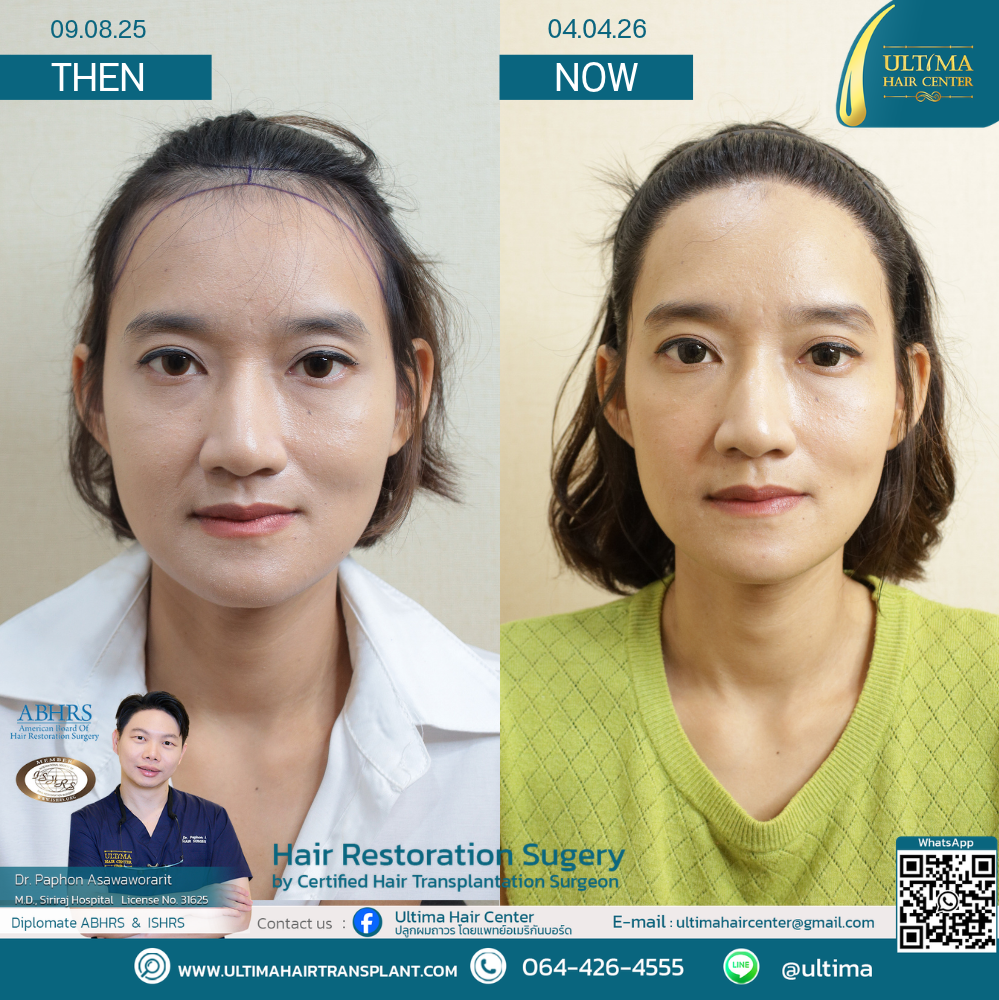 What Are the Benefits of Having a Hair Transplant with an ABHRS-Certified Doctor?
For patients who place importance on medical qualifications and professional standards, another factor to consider is the doctor’s credentials and professional certification
Having a hair transplant with an ABHRS-certified doctor is one factor that patients may consider when choosing a physician. ABHRS, or the American Board of Hair Restoration Surgery, is an organization that certifies physicians in the field of hair restoration surgery according to its certification requirements
However, certification alone should not be the only factor in choosing a doctor. Patients should also consider the doctor’s experience, treatment-planning approach, actual results, explanation of limitations, and patient care before and after the hair transplant
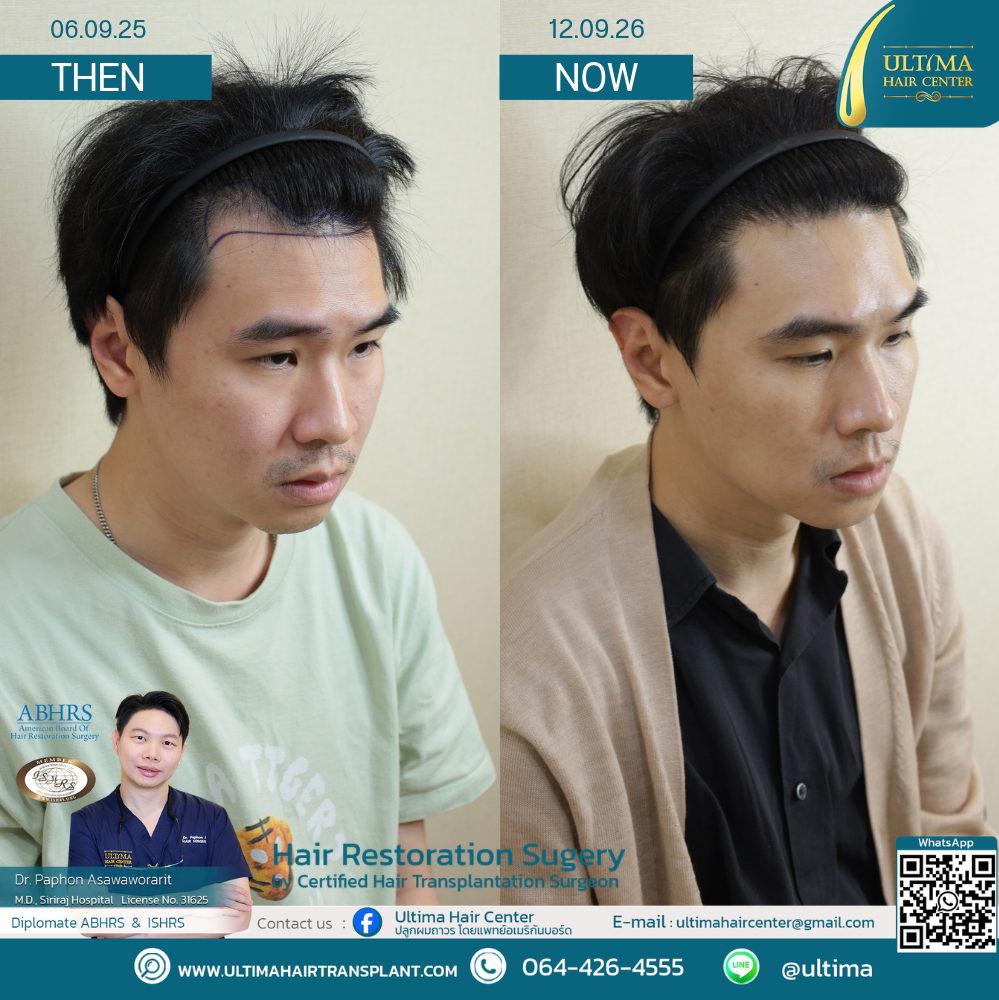 Summary: What Medications Should You Stop Before a Hair Transplant?
Medications and products that may need to be considered before a hair transplant include
- Anticoagulants
- Antiplatelet medications
- Aspirin
- Certain NSAID painkillers
- Certain vitamins and dietary supplements
- Herbal medicines and supplements
- Hair-loss medications such as Minoxidil, Finasteride, or Dutasteride, which should be discussed with a doctor on an individual basis
However, the most important point is do not stop your regular medications on your own
In particular, medications used for heart disease, blood vessel conditions, blood clots, or other chronic medical conditions should always be reported to your hair transplant doctor. If a medication needs to be stopped or adjusted, this should be done under the guidance of the doctor responsible for managing that medication
Good preparation does not mean stopping as many medications as possible. It means making sure your doctor knows about your complete medical history and all medications and supplements you take, so that the hair transplant can be planned appropriately and safely
For patients looking for a hair transplant clinic in Bangkok and who would like to discuss their treatment with a doctor before making a decision, Ultima Hair Center offers a free consultation with Dr. Ming, with Dr. Ming personally responding to patient messages
The approach at Ultima Hair Center is quality-focused hair transplantation, with an emphasis on treatment planning and designing the hairline according to each individual, with the goal of achieving a natural-looking hair transplant result rather than making decisions based solely on price

Contact Us:
Dr. Paphon Asawaworarit (Dr. Ming)
Physician Directory ABHRS
Ultima Hair Center (Thailand Website)
Ulitma Hair Transplant (English Website)
Line: @ultima
E-mail: ultimahaircenter@gmail.com
