

When Is the Best Time to Have a Hair Transplant?
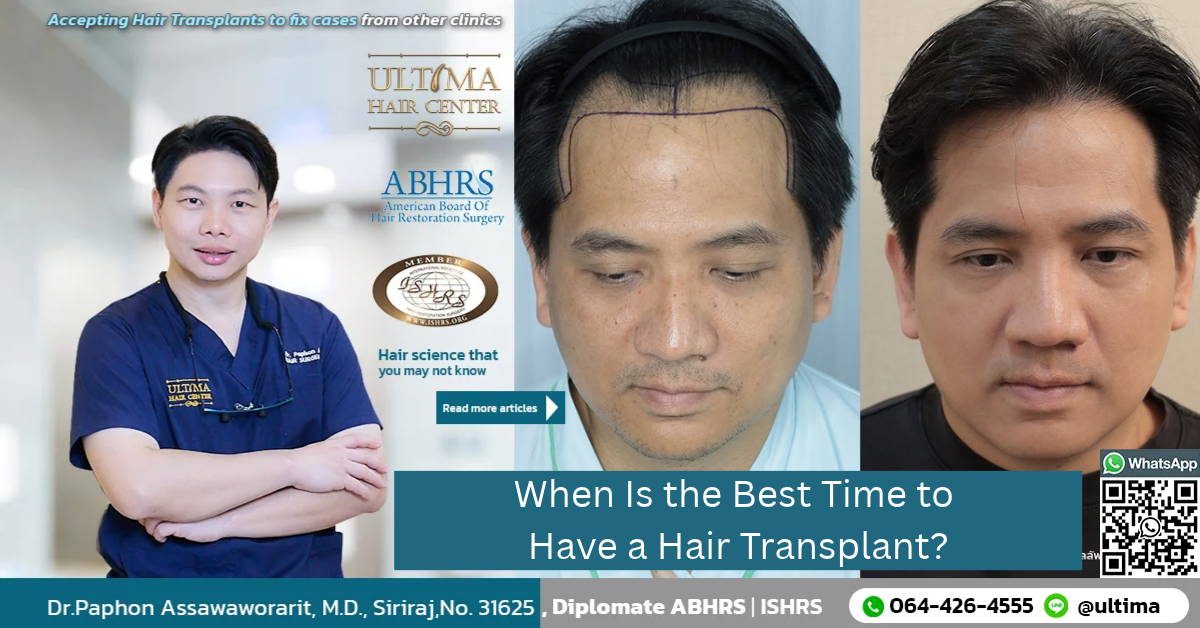
Which Season Is Best for a Hair Transplant and When Is the Best Time to Recover?
“When is the best time to have a hair transplant?”
This is one of the most common questions people ask when considering a hair transplant. Many patients wonder whether it is better to have a hair transplant during winter, summer, or the rainy season, and whether certain seasons may help transplanted grafts grow better or allow for a faster recovery
In reality, there is no single season that can be considered the best time for a hair transplant for everyone. More important factors include the patient’s overall health, scalp condition, treatment plan, lifestyle, and ability to follow post-operative care instructions
A hair transplant is a procedure that requires a period of recovery. Although many patients can return to work and normal daily activities relatively quickly, certain activities such as strenuous exercise, sports, outdoor activities, or anything that may cause trauma to the transplanted area may need to be avoided for a certain period according to the doctor’s instructions
Therefore, if you are looking for a hair transplant clinic in Bangkok, the most important question is not simply “Which month is best for a hair transplant?”
Instead, consider asking:
“When is the best time for me to have a hair transplant, and when can I properly take care of myself during the recovery period?”
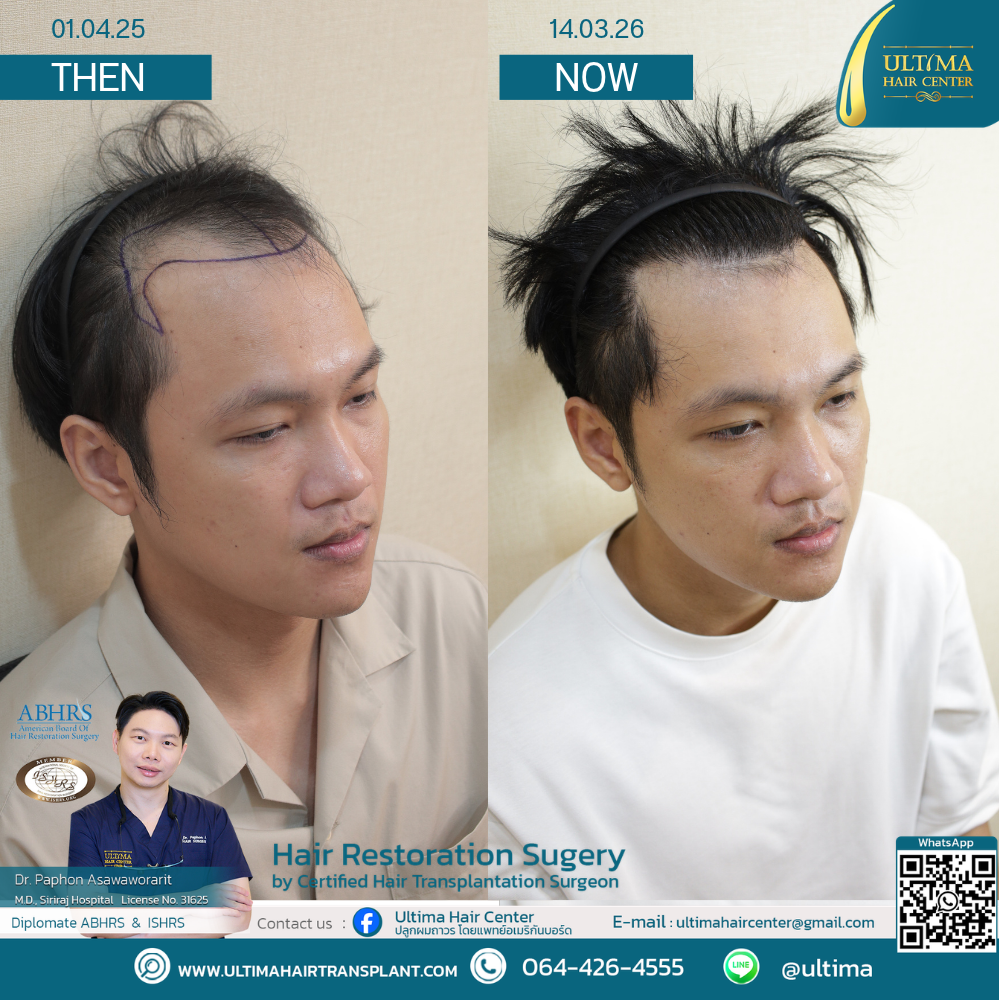 Which Season Is Best for a Hair Transplant?
For patients in Thailand, the seasons may affect lifestyle and recovery convenience more than they affect the actual growth of transplanted hair
Each season has its own advantages and considerations
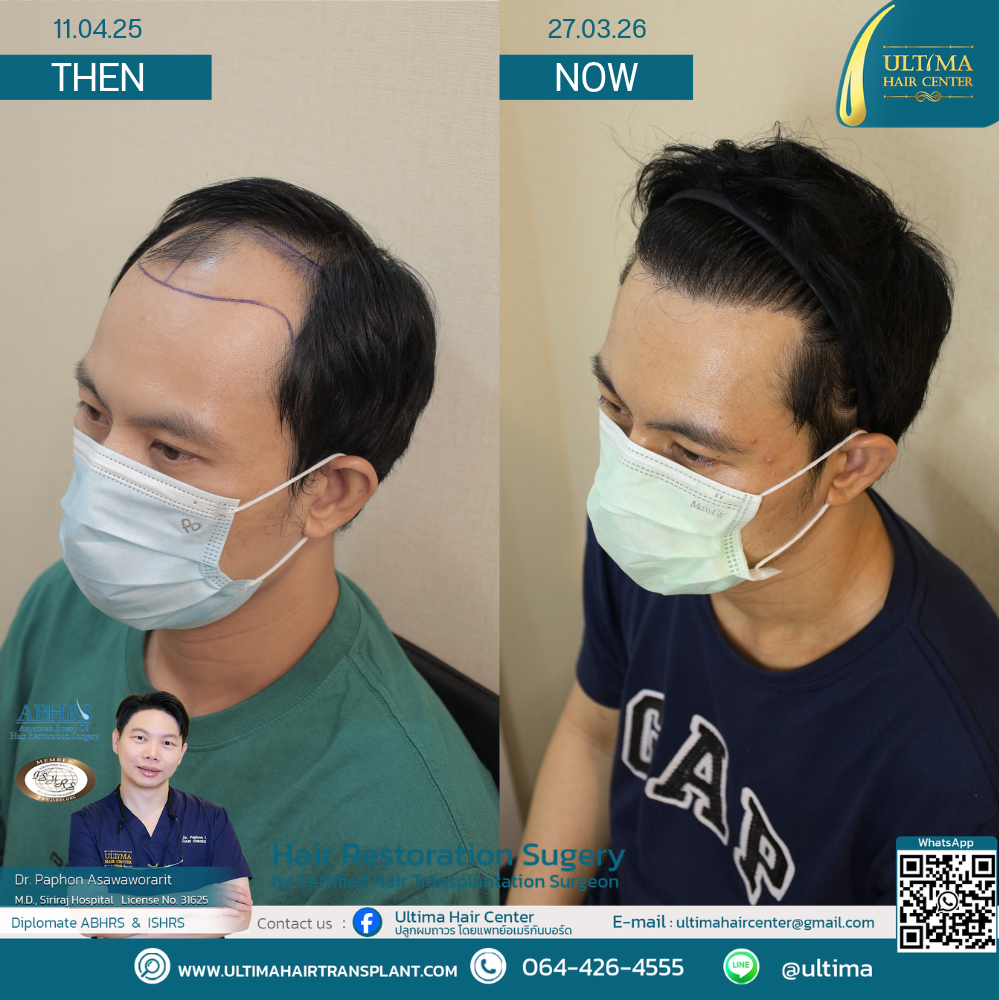 Hair Transplant in Summer
Thailand can experience high temperatures and strong sunlight during much of the year
One advantage of having a hair transplant during summer is that recovery can still be managed normally if the patient is able to avoid excessive outdoor activities and stay in an environment with air conditioning or good ventilation
However, several factors should be considered:
- Excessive sweating
- Outdoor activities
- Traveling under direct sunlight
- Wearing a hat or other protective equipment according to the doctor’s instructions
- Avoiding scratching or touching the transplanted area
- Feeling less comfortable because of high temperatures
After a hair transplant, your doctor will provide specific instructions regarding care of the transplanted area and when you can return to exercise or other activities. The recommended timing depends on the procedure and the individual’s recovery
Therefore, having a hair transplant during summer is possible, but patients should plan their activities carefully during the recovery period
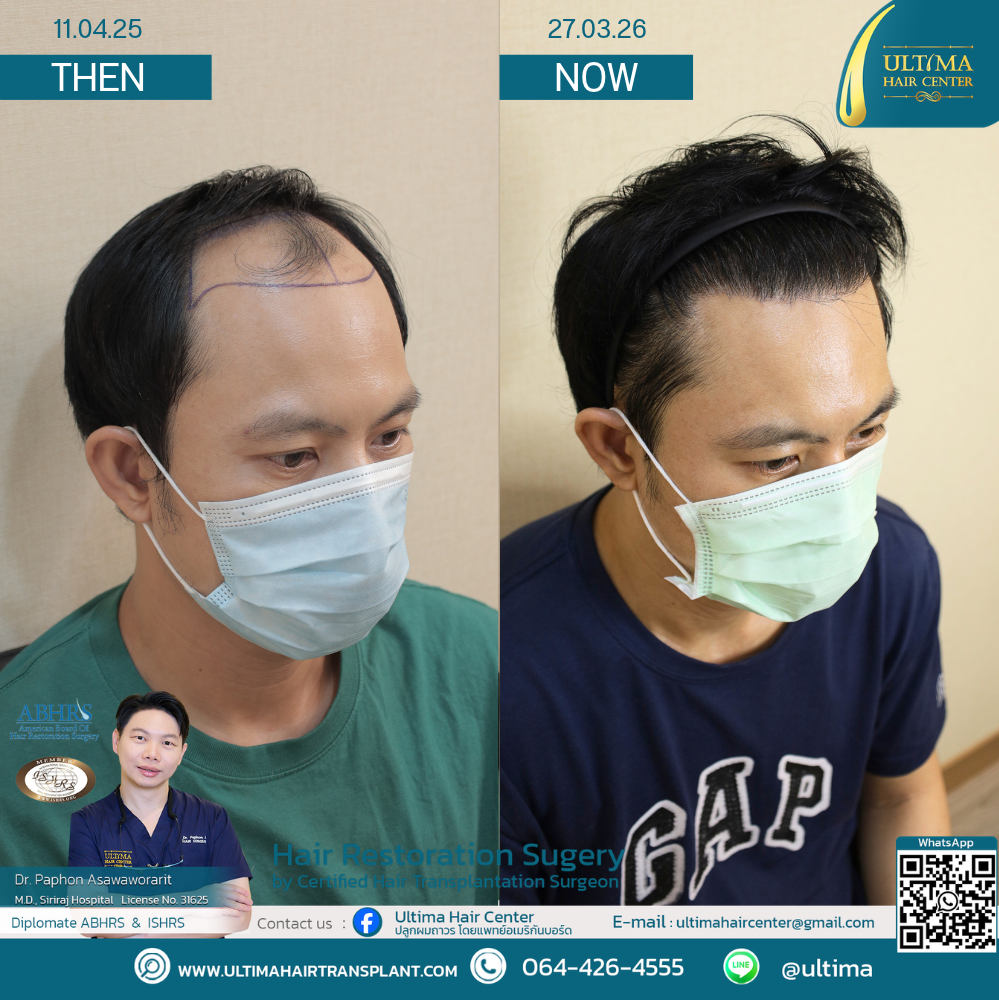 Is the Rainy Season a Good Time for a Hair Transplant?
Some people hesitate to have a hair transplant during the rainy season because of concerns about humidity, sweating, and transportation
In reality, rain itself is not a reason that prevents someone from having a hair transplant
The more important consideration is the patient’s daily routine
For example, if you regularly travel by motorcycle, work outdoors, or are frequently exposed to rain, choosing a period when these activities can be minimized may make recovery more convenient
On the other hand, if you work in an office, travel by car, and can control your environment after the procedure, the rainy season is not a contraindication to hair transplantation
The important point is to follow your doctor’s instructions regarding washing the hair, caring for the transplanted area, and avoiding activities that could interfere with healing
 Is Winter a Good Time for a Hair Transplant?
In Thailand, the cooler months may bring lower temperatures and less sweating in some periods, which can make post-operative care more comfortable for some people
For patients who have fewer outdoor activities, cooler weather may be a convenient time to recover
However, this does not mean that cooler weather automatically makes transplanted hair grow faster than it would in other seasons
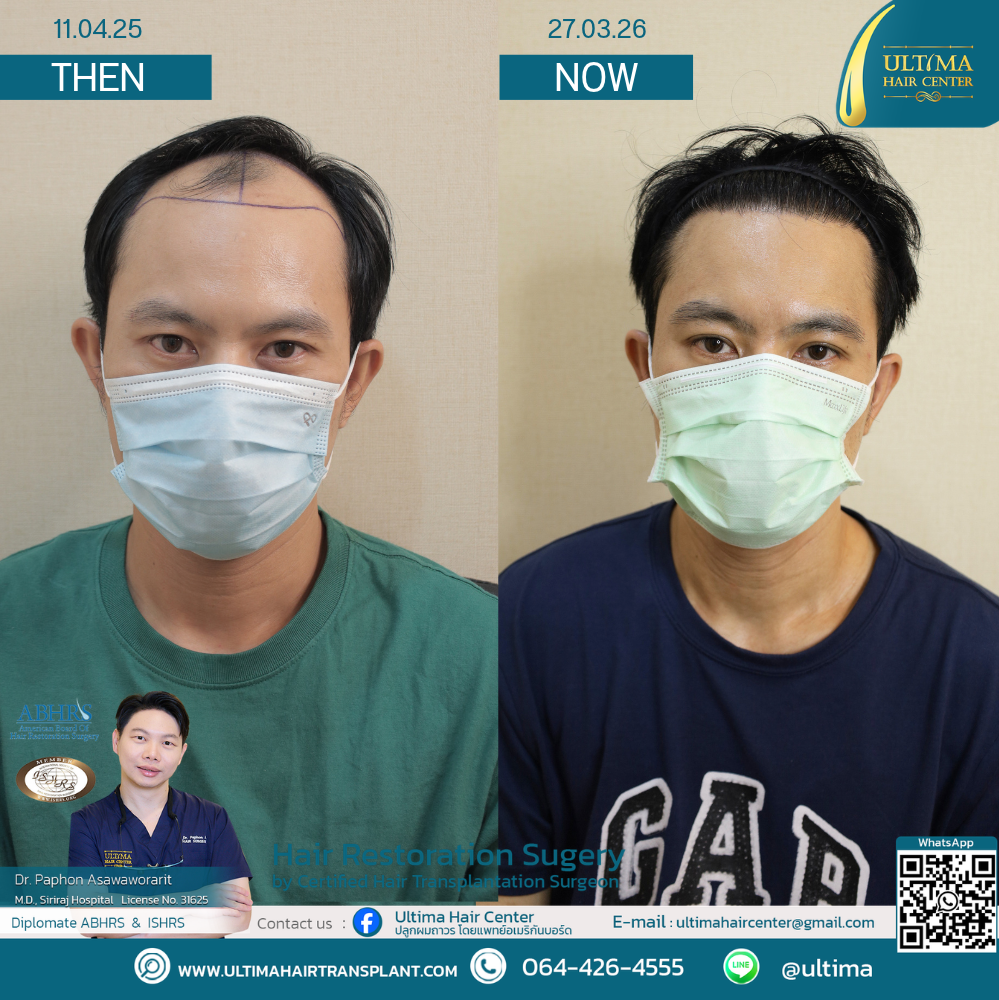
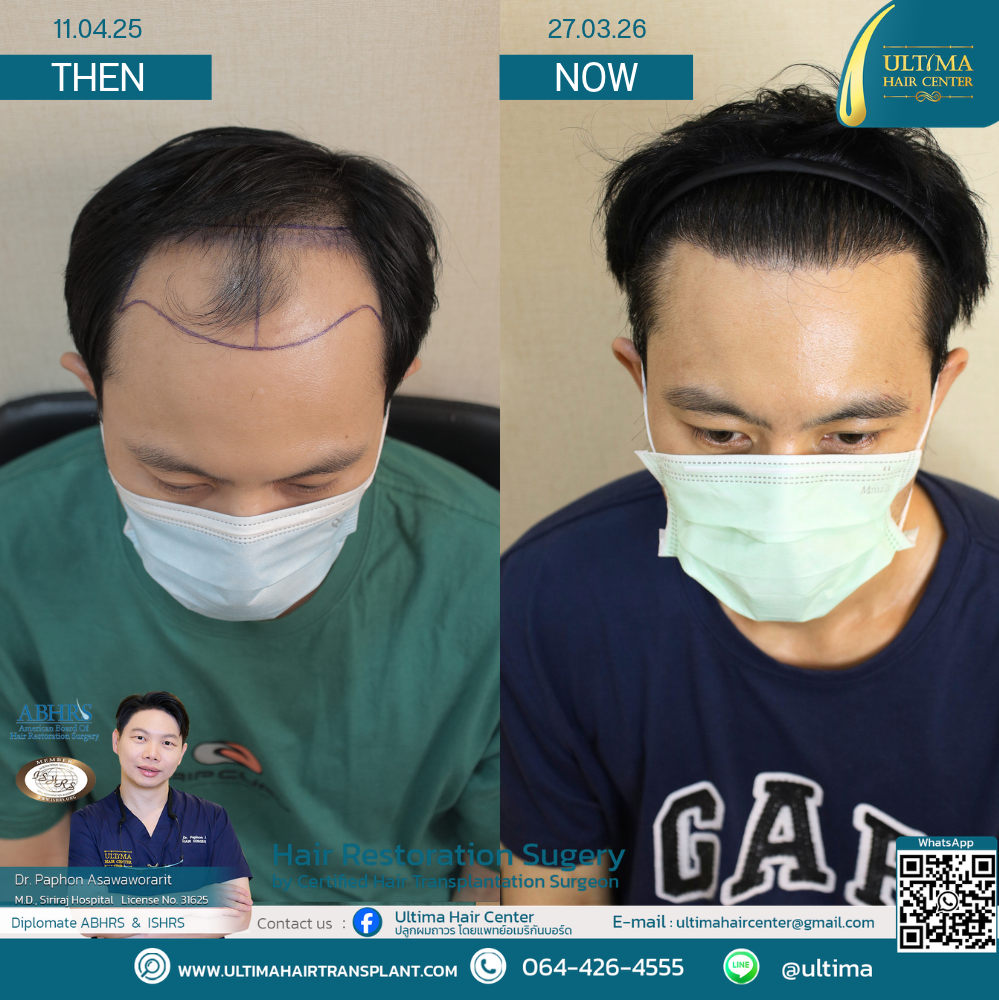
The outcome of a hair transplant depends on many factors, including treatment planning, graft quality and quantity, donor area characteristics, the suitability of the recipient area, the technique used, and post-operative care
Therefore, if you ask:
“Is a hair transplant in winter better than one in summer?”
There is no general principle stating that winter automatically produces better results than summer
For some people, however, cooler weather may simply make the recovery period more comfortable and convenient
 The Recovery Period Is More Important Than the Season
One of the most important questions to consider before choosing a hair transplant date is:
“Will I have enough time to take care of myself after the procedure?”
Some patients can return to work relatively quickly, while others may need more time, particularly those who work outdoors, perform physically demanding jobs, play sports, or need to wear equipment on their heads
Many patients can return to work and begin light activities within a few days, while returning to strenuous exercise or sports may require approximately two weeks. However, the exact timing should depend on the doctor’s instructions and each patient’s recovery
Before booking your procedure, consider your personal schedule
 Examples of a Suitable Time for a Hair Transplant
- You have several consecutive days off
- You do not have long-distance travel immediately after the procedure
- You do not have important meetings or social events immediately afterward
- You can avoid prolonged outdoor activities
- You can get enough rest
- You can follow your doctor’s post-operative instructions
- You do not have sports competitions or strenuous activities scheduled during the recovery period
If these conditions are met, choosing the right date may be more important than choosing a particular season
 When Should Office Workers Have a Hair Transplant?
For people who work in an office, scheduling a hair transplant during a long holiday or extended weekend may be convenient
For example, having a hair transplant before a long holiday can provide additional time for recovery before returning to work
However, there is no universal number of days that everyone needs to take off work because working conditions are different
Someone who works at a computer in an air-conditioned office may be able to return to work sooner
In contrast, people who:
- Work in construction
- Work outdoors
- Work in factories
- Participate in sports
- Ride motorcycles regularly
- Need to wear helmets or protective headgear
- Travel for long periods
may need to plan a longer recovery period
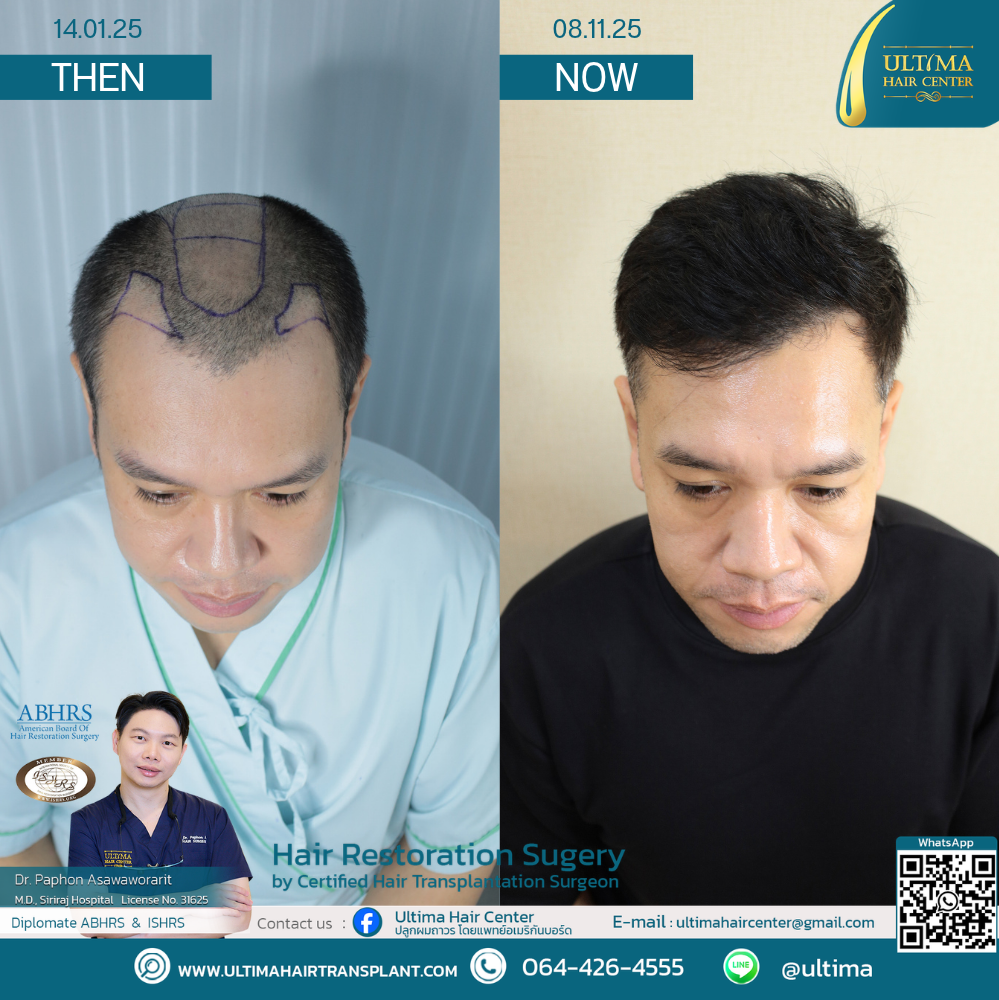 When Should Athletes and People Who Exercise Have a Hair Transplant?
People who exercise regularly should pay particular attention to their training schedule
After a hair transplant, activities that may interfere with recovery of the recipient or donor areas should be avoided according to the doctor’s recommendations
There is no single exercise schedule that applies to everyone because the appropriate timing depends on the type of hair transplant, the type of activity, the individual’s occupation, and the healing process
If you have an upcoming competition or important sporting event, it is better to schedule your hair transplant with an adequate recovery period rather than immediately before the event
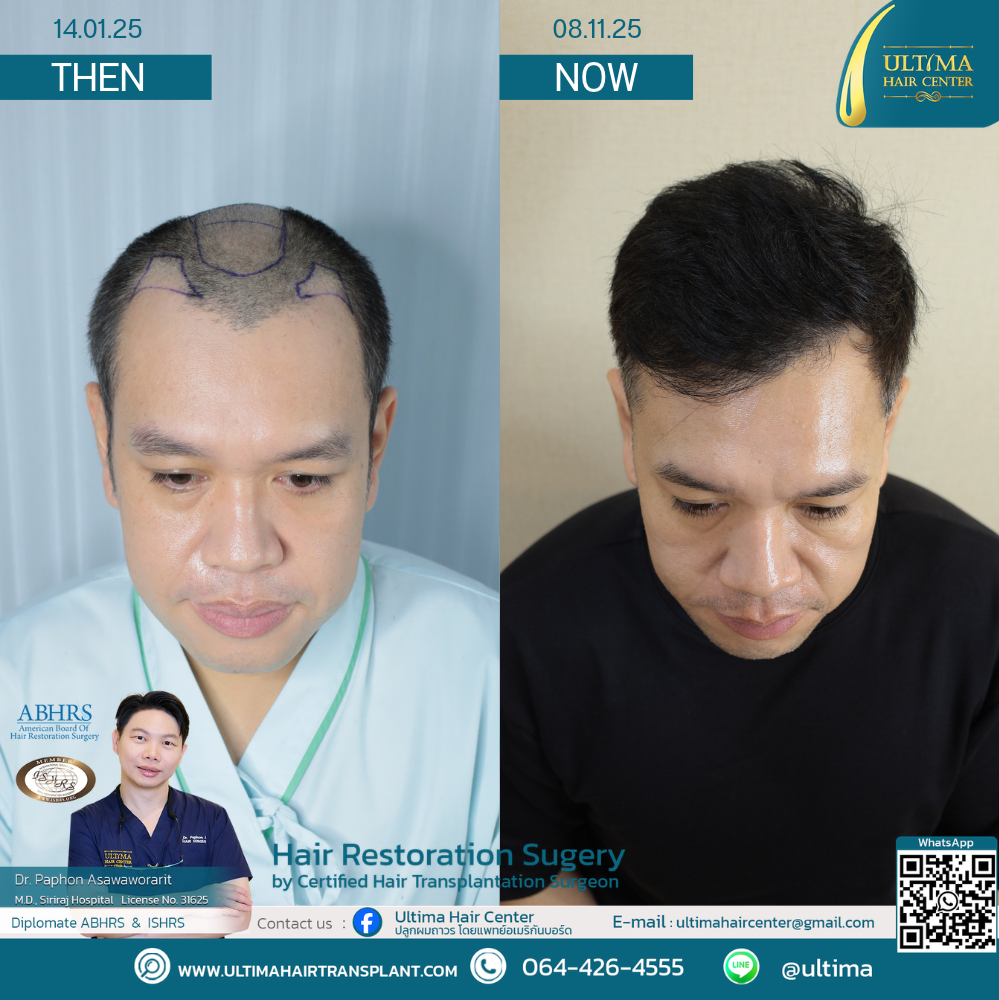 When Should You Have a Hair Transplant If You Need to Travel?
Another factor that is sometimes overlooked is traveling after a hair transplant
If you need to travel domestically or internationally, inform your doctor before scheduling the procedure
Travel may make it more difficult to properly care for the transplanted area, and certain activities during the trip may not be suitable during the early recovery period
If you are planning a vacation involving activities such as:
- Going to the beach
- Skiing
- Hiking
- Traveling to a hot climate
- Spending long periods outdoors
it may not be the most convenient time to have a hair transplant
After the procedure, patients should prioritize protecting the treated areas and following their doctor’s post-operative instructions
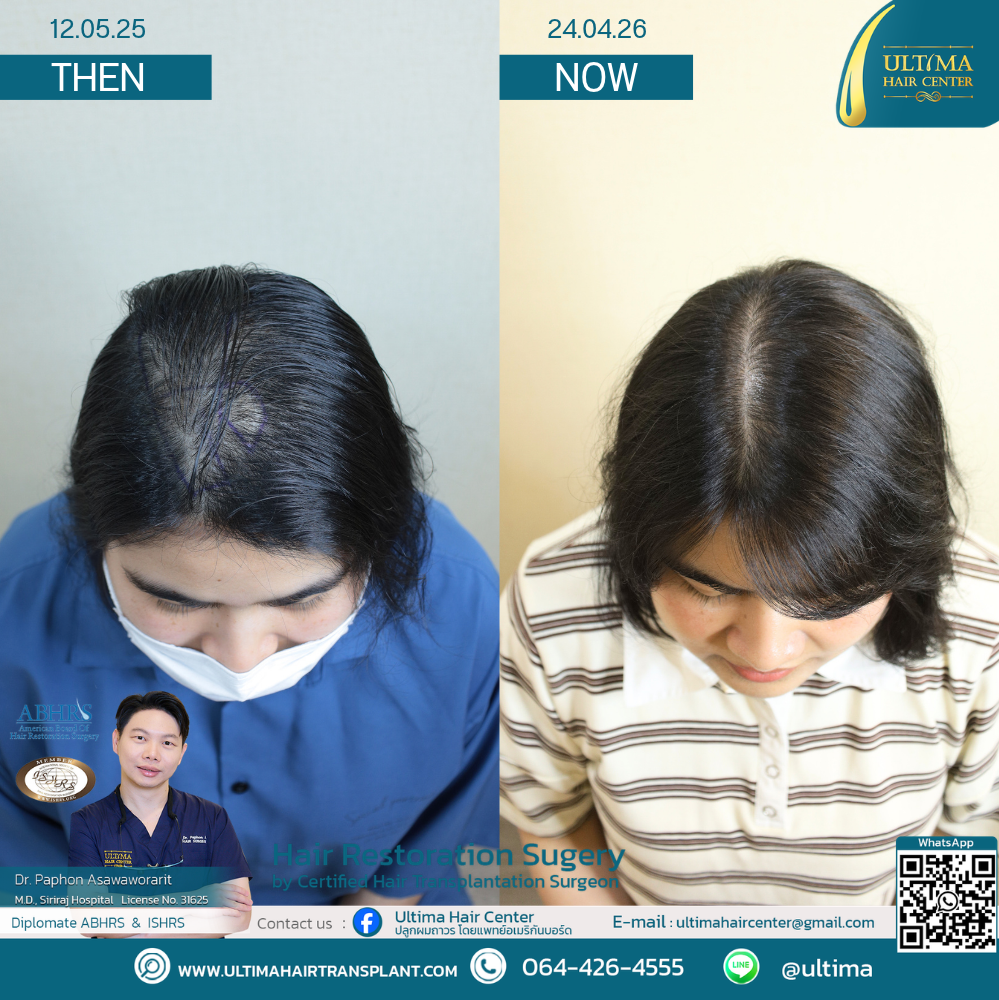 What About Going to the Beach After a Hair Transplant?
If you have a beach vacation planned, it is better to schedule the trip with sufficient time before or after the hair transplant according to your doctor’s recommendations
The concern is not only seawater but also:
- Sun exposure
- Heat
- Sweating
- Swimming
- Touching or rubbing the scalp
- Outdoor activities
Protecting the treated area from direct sunlight is particularly important during the recovery period. Healing areas should generally be protected from direct sun exposure according to the instructions provided by your doctor
Therefore, if you have a beach vacation planned, it may be more convenient to complete the trip first and then have your hair transplant, or schedule the procedure when you have sufficient recovery time afterward
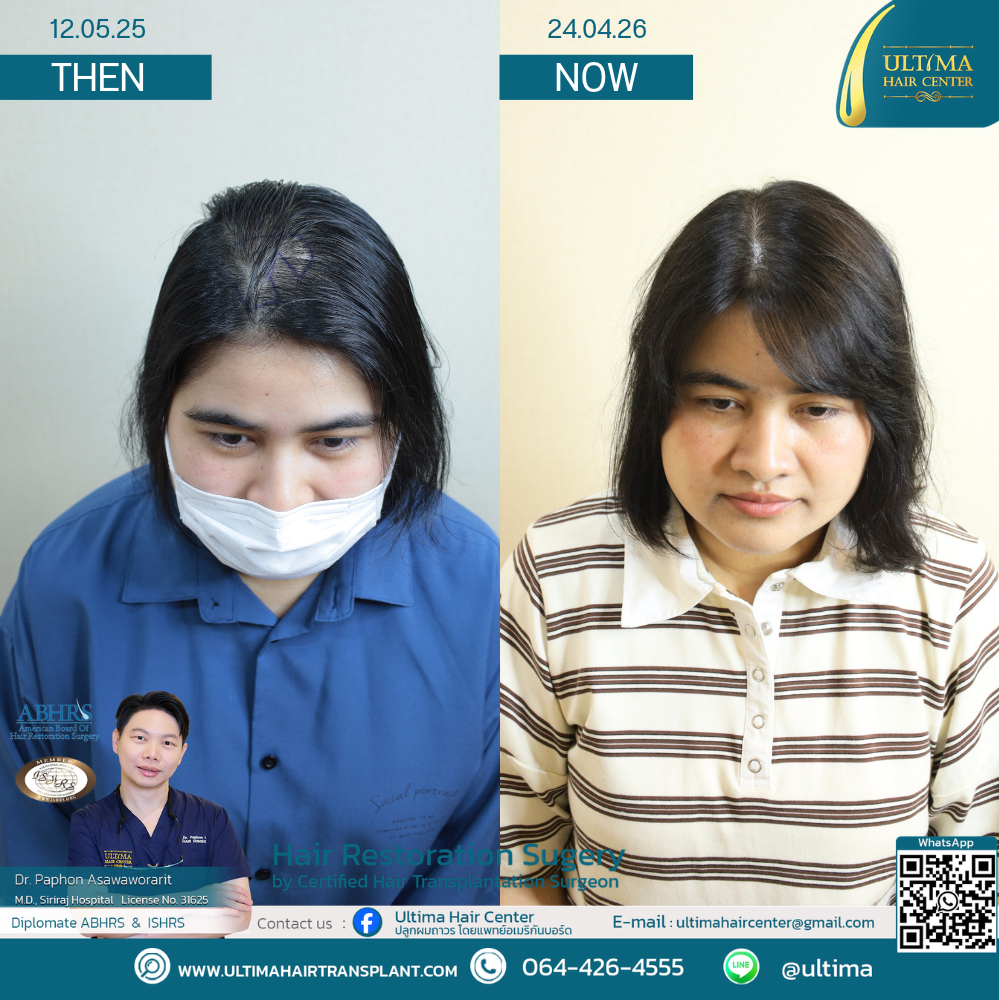 What Age Is the Right Age for a Hair Transplant?
The question of “timing” does not only refer to seasons. It can also refer to the appropriate age for a hair transplant
A hair transplant should not be considered based solely on age
Important factors include:
- The cause of hair loss
- The pattern of hair loss
- Whether hair loss is still progressing
- The quantity and quality of the donor area
- The patient’s expectations
- Whether additional treatment may be needed in the future
Hair restoration organizations such as the ISHRS emphasize evaluating the cause of hair loss and developing an individualized treatment plan. Hair transplantation is one part of hair-loss treatment rather than simply adding more hair to an area that has become thin
Therefore, younger patients who are beginning to experience hair loss do not necessarily need to rush into surgery without considering the future progression of their hair loss
At the same time, if a patient has been properly evaluated and is considered suitable for transplantation, there is no need to wait until significant baldness develops before discussing treatment
 Should You Have a Hair Transplant Before or After an Important Event?
If you have an important event such as:
- A wedding
- Graduation
- Starting a new job
- Meeting important clients
- A photo shoot
- A social event
- International travel
you should allow sufficient time for recovery
It is not advisable to have a hair transplant only a few days before an important event and expect the scalp to look completely normal immediately
During the early recovery period, some patients may experience redness, scabbing, or swelling, and the recovery process varies from person to person
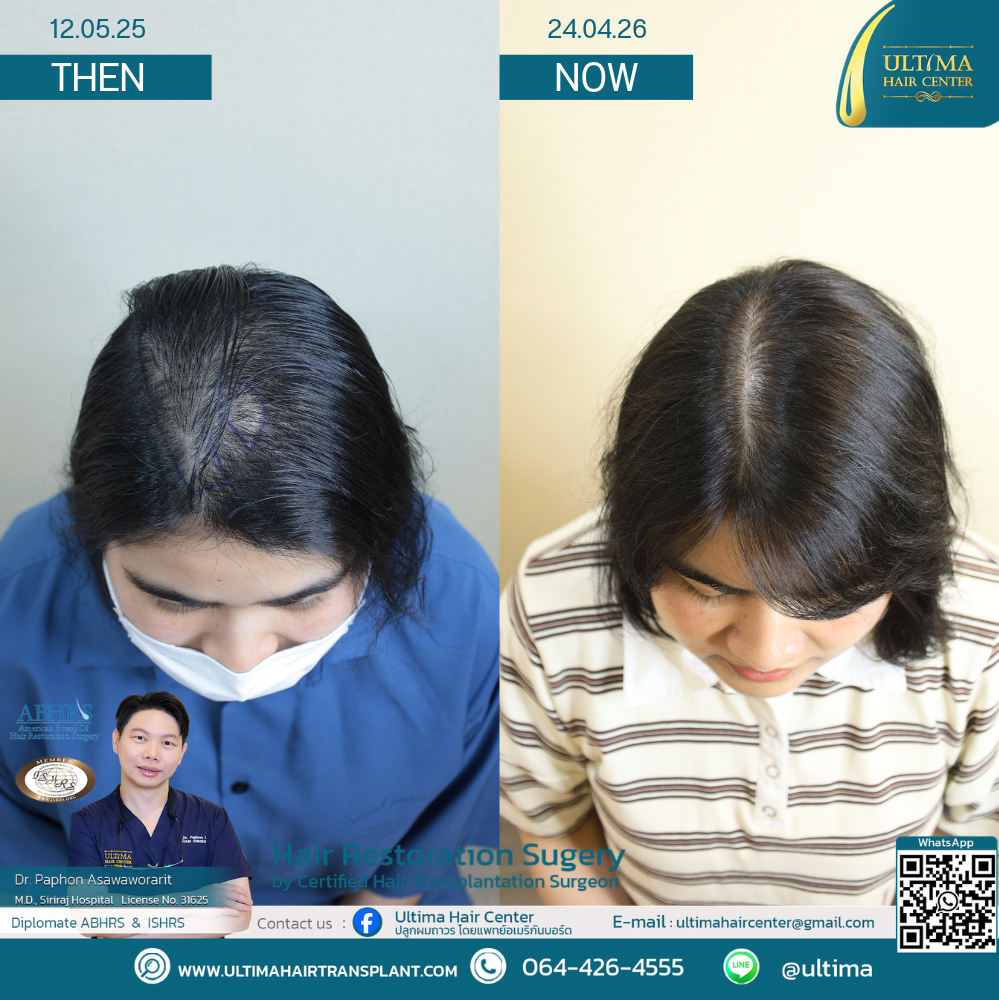
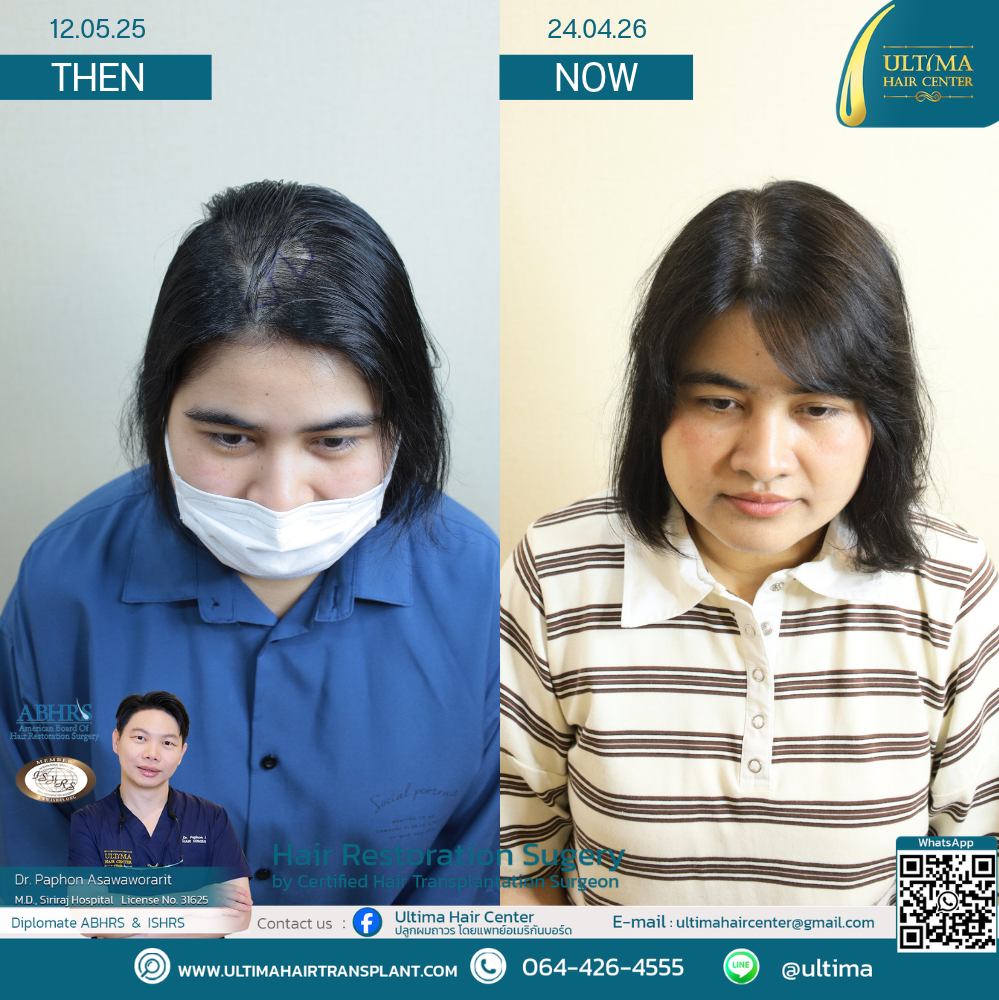
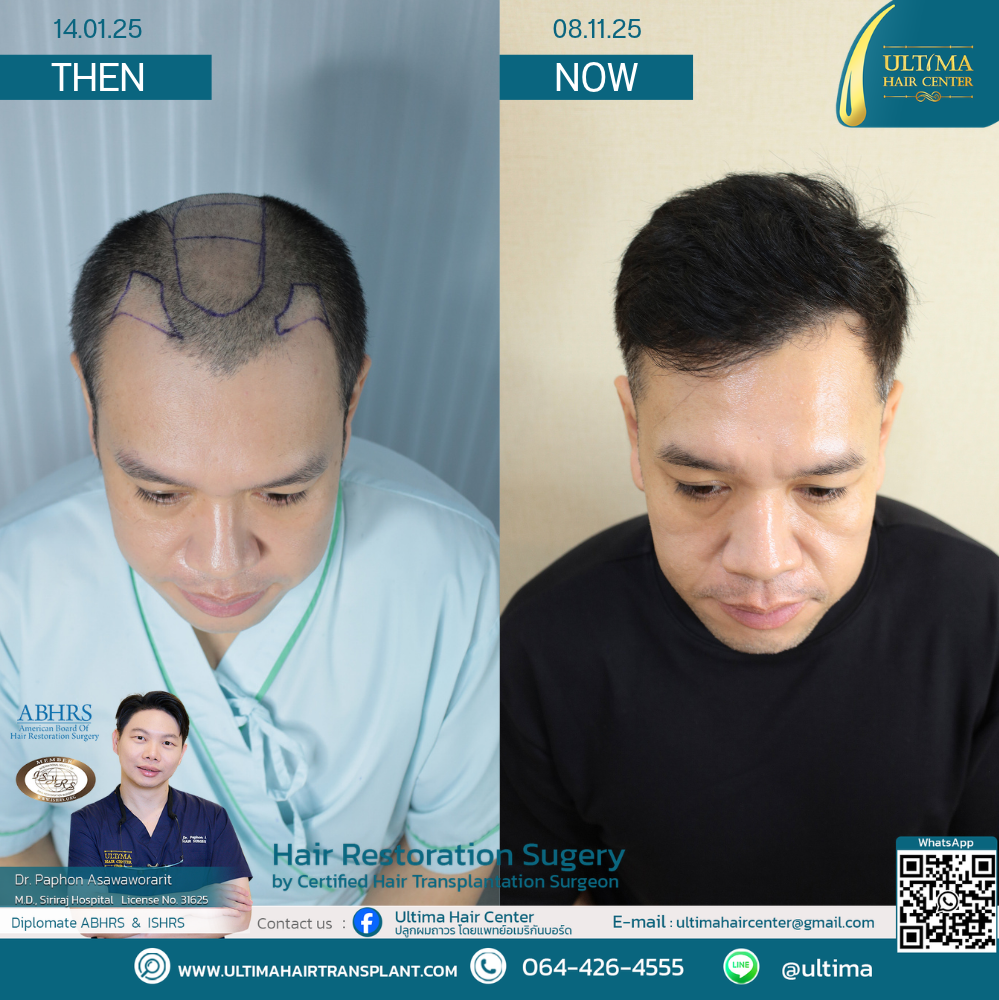
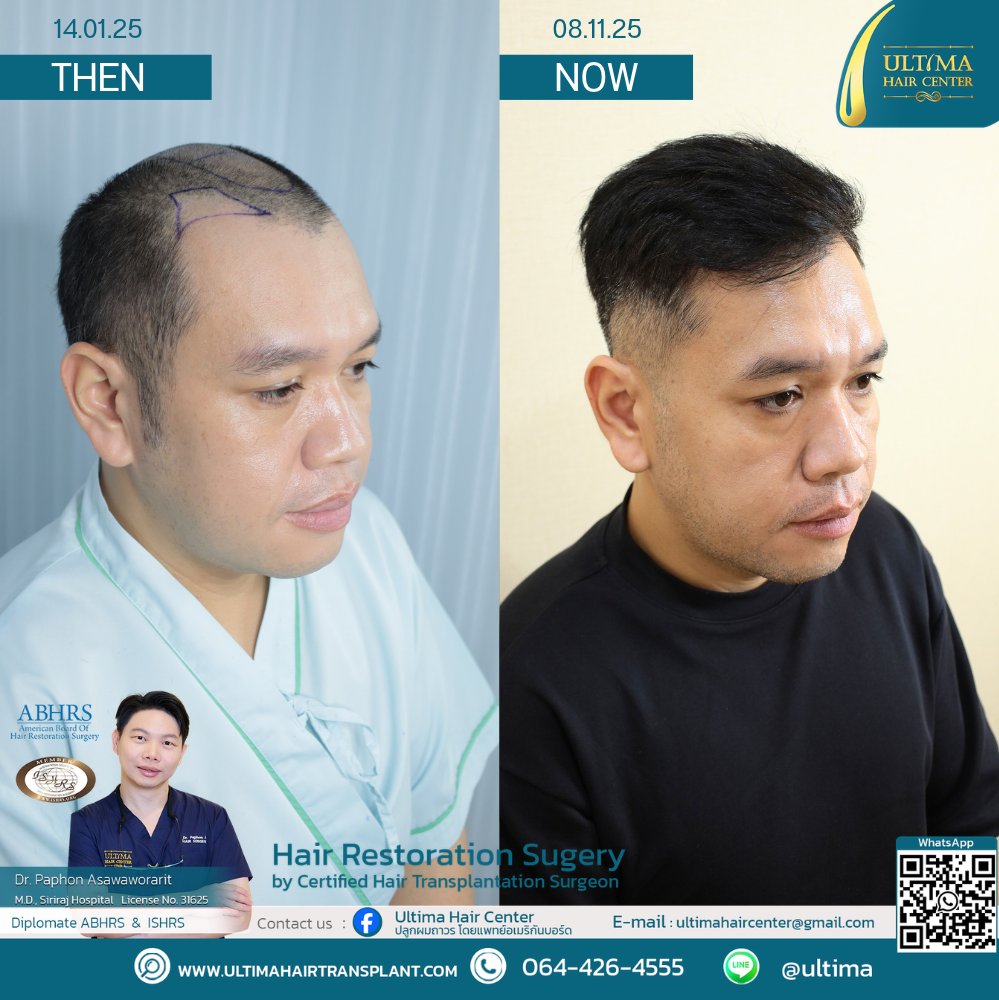
In addition, transplanted hair does not immediately become fully grown after the procedure. Hair growth takes time, and transplanted hairs commonly shed during the early phase before new growth develops. The final result may take approximately one year to fully develop
Therefore, if you have an important event and want your hair to look fuller, plan your hair transplant months in advance rather than only a few days beforehand
 If I Am Not Very Bald Yet, Should I Have a Hair Transplant Now?
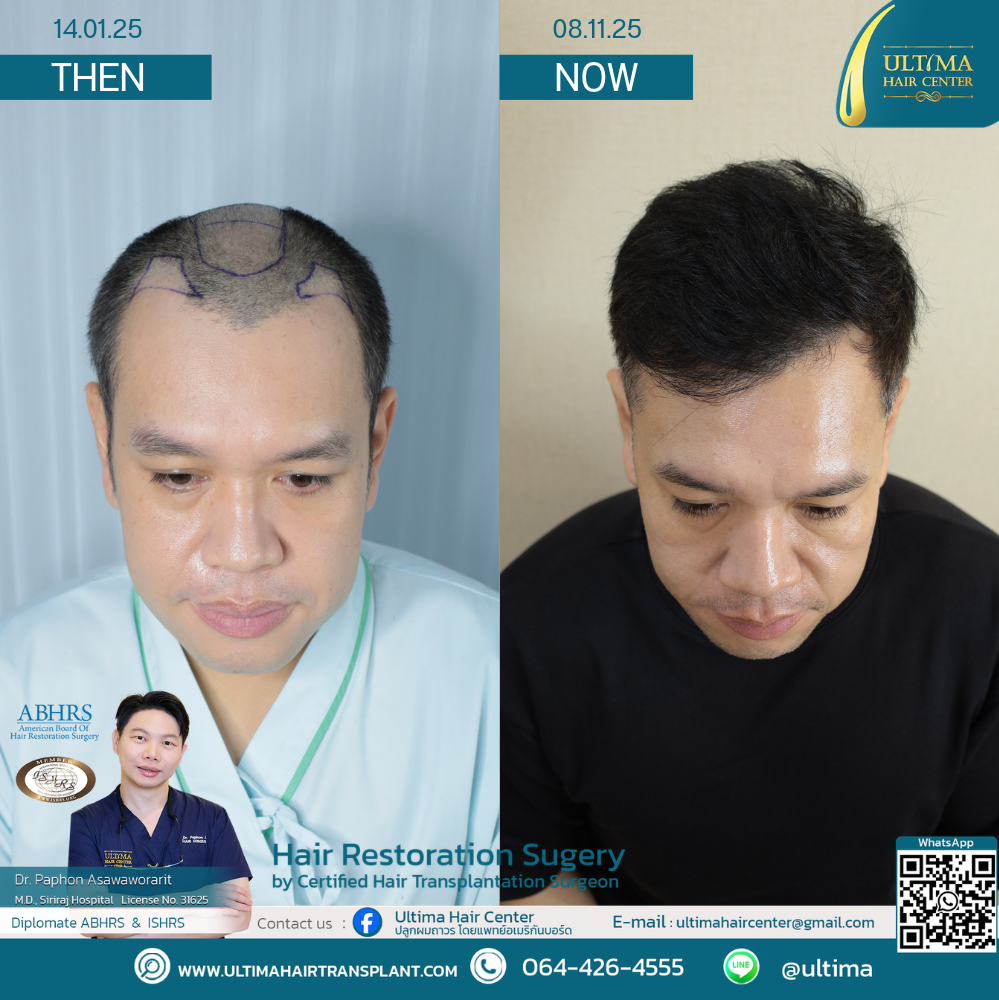
You do not necessarily need to wait until significant baldness develops, but you also should not rush into surgery without an appropriate evaluation
The key is to develop a treatment plan that considers both the current situation and the future
For patients with genetic or pattern hair loss, other areas of the scalp may continue to thin. Therefore, hairline design and graft allocation should take future hair loss into consideration
A good hair transplant is not necessarily about placing the maximum number of grafts in one session. It should also consider the available donor area and the long-term balance of the patient’s hair
 Signs That “Now” May Be a Suitable Time for a Hair Transplant
Instead of asking only which month is best, consider whether you currently have the following conditions
1. You Understand the Cause of Your Hair Loss
Rather than immediately deciding that you need a hair transplant, it is important to understand why your hair is thinning
2. You Have Enough Time for Recovery
You can arrange enough time to rest and follow the recommended post-operative care
3. You Do Not Have Major Activities Immediately After Surgery
Especially sports, strenuous exercise, or outdoor work
4. You Do Not Have an Important Trip Immediately After the Procedure
Particularly trips involving prolonged sun exposure or outdoor activities
5. You Are Prepared to Take Care of Yourself
Post-operative care is an important part of the hair restoration process
6. You Understand the Hair Growth Timeline
You should not expect the final result immediately after the procedure
 How Should You Choose a Hair Transplant Clinic?
Once you have decided to undergo a hair transplant, another important consideration is choosing the right doctor and clinic
The decision should not be based only on:
“The lowest price” or “the largest number of grafts”
The appropriate number of grafts is different for every patient
A proper evaluation should consider the recipient area, donor area, hair characteristics, pattern of hair loss, age, and the expected progression of hair loss in the future
The ISHRS emphasizes the importance of appropriate patient evaluation and treatment planning, including consideration of donor-area limitations when planning hair restoration surgery
Therefore, if you are looking for a hair transplant clinic in Bangkok, consider choosing a clinic where you can speak directly with the doctor and receive clear information about the potential benefits, limitations, and realistic possibilities of treatment
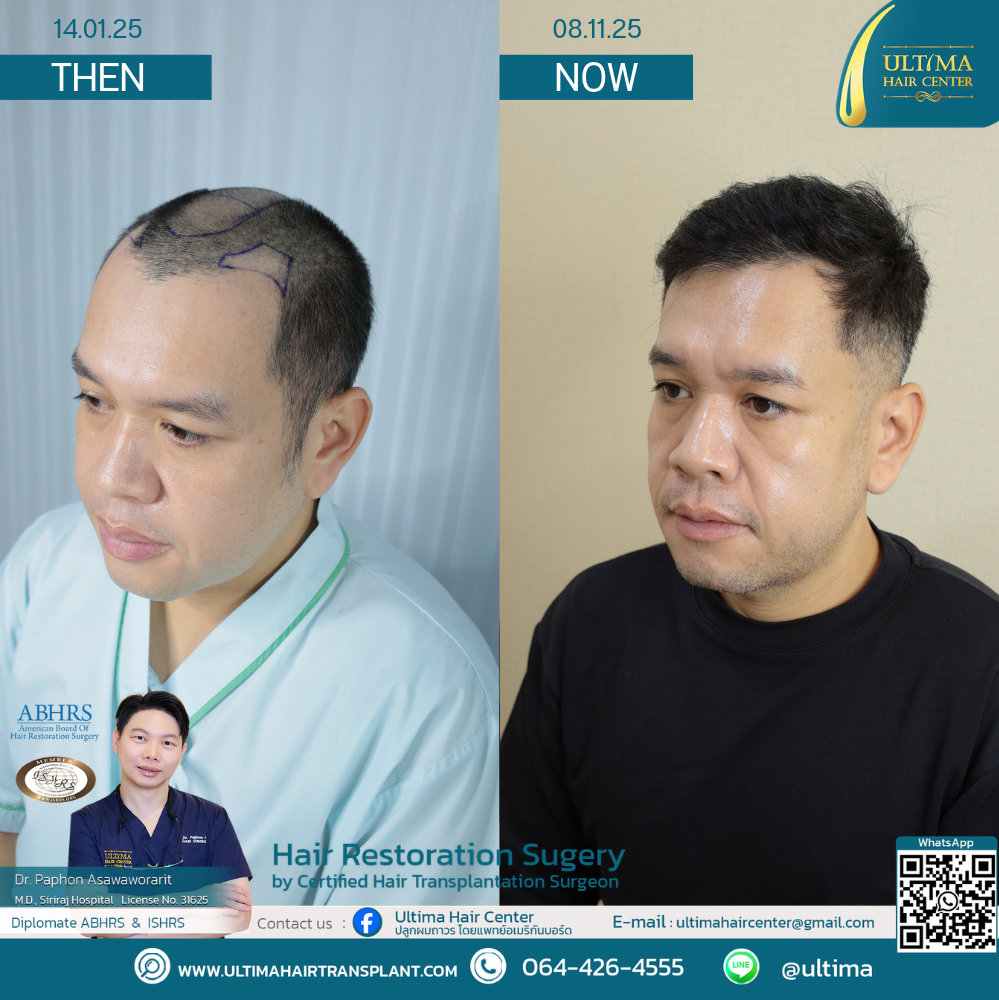 Individualized Hair Transplant Planning at Ultima Hair Center
At Ultima Hair Center, our approach begins with an individual assessment of each patient’s hair-loss condition before developing a hair transplant plan. We do not use the same graft number or treatment approach for every patient
Choosing the right time for a hair transplant should therefore take into consideration the patient’s hair condition, overall health, recovery schedule, occupation, and lifestyle
This individualized approach is consistent with an important principle of hair restoration: treatment should be planned according to each patient’s characteristics and limitations
For patients considering a hair transplant with an American Board-certified ABHRS physician, physician credentials can be reviewed through the ABHRS Physician Directory. Paphon Asawaworarit is listed in the ABHRS directory under Ultima Hair Center in Bangkok
The philosophy of quality-focused hair transplantation is not simply about maximizing the number of grafts that can be transplanted. It also involves hairline design, graft distribution, appropriate use of the donor area, and planning for a result that looks as natural as possible
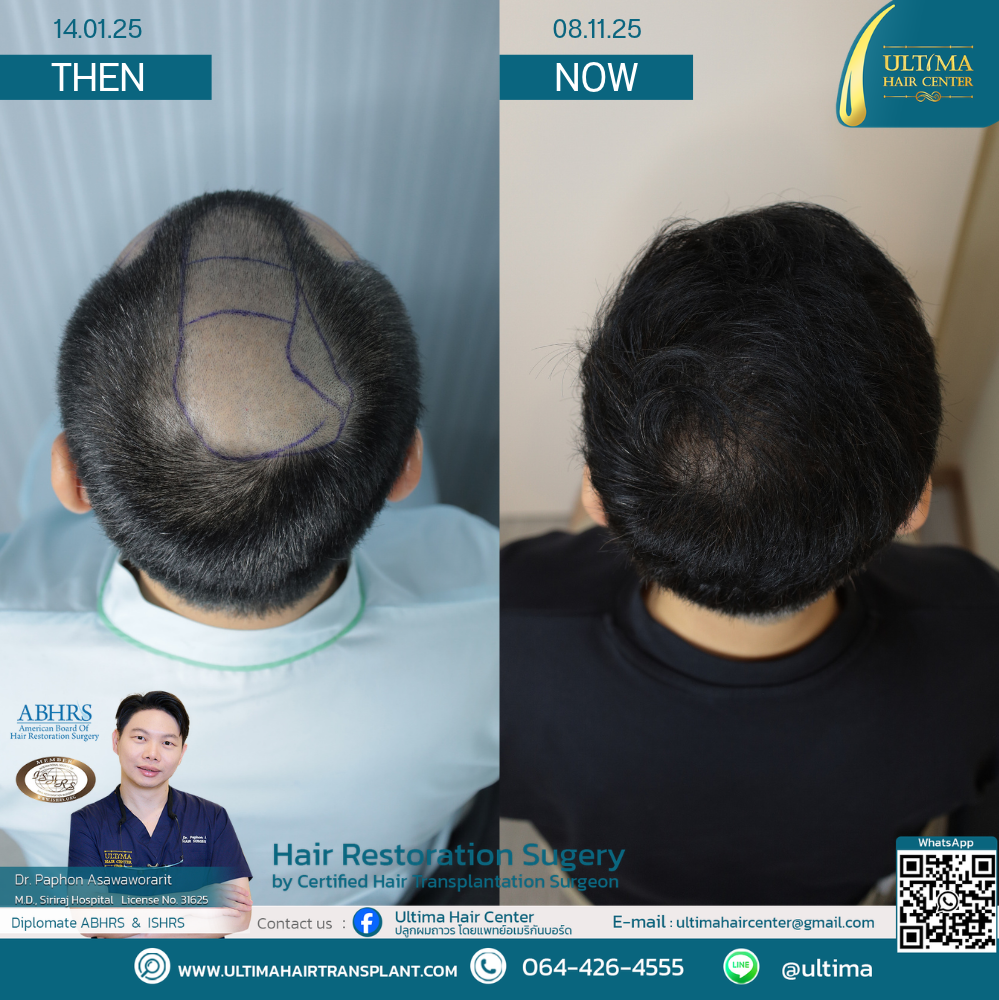 Consult a Doctor Before Choosing Your Hair Transplant Date
If you are still unsure about the best time for your hair transplant, discussing your situation directly with a doctor is an important step
Some patients may be suitable for a hair transplant relatively soon, while others may benefit from further evaluation and planning before undergoing the procedure
Questions you may want to ask include:
- Am I currently suitable for a hair transplant?
- Which areas should be treated first?
- Approximately how many grafts will I need?
- Should I consider FUE or FUT?
- How should I prepare before the procedure?
- Do I need to stop any medications or supplements?
- How long should I expect to recover?
- When can I return to exercise?
- When can I cut or shave my hair?
- How long should I protect my scalp from direct sunlight?
- When should I expect to see results?
At Ultima Hair Center, patients can consult Dr. Ming for free before making a decision, and Dr. Ming personally responds to patient messages, allowing patients to ask questions about hair transplantation and preparation directly
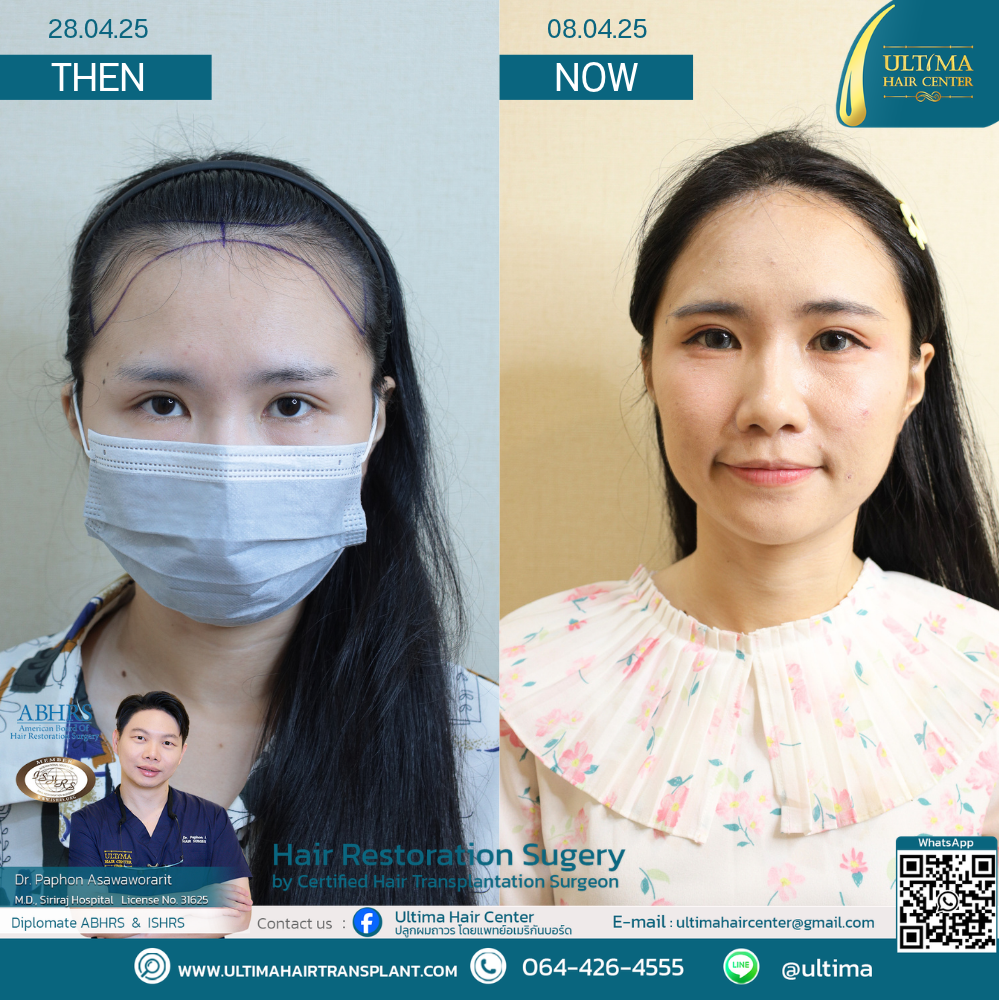 Conclusion: When Is the Best Time to Have a Hair Transplant?
If you ask:
“When is the best time to have a hair transplant?”
The answer is the time when you are most prepared, rather than one particular season
A hair transplant can be performed during summer if you can minimize direct sun exposure and activities that cause excessive sweating
A hair transplant can also be performed during the rainy season if you can manage transportation and avoid situations that may interfere with the treated area
Winter may feel more comfortable for some people because of cooler temperatures and less sweating, but this does not automatically mean that the results will be better than during other seasons
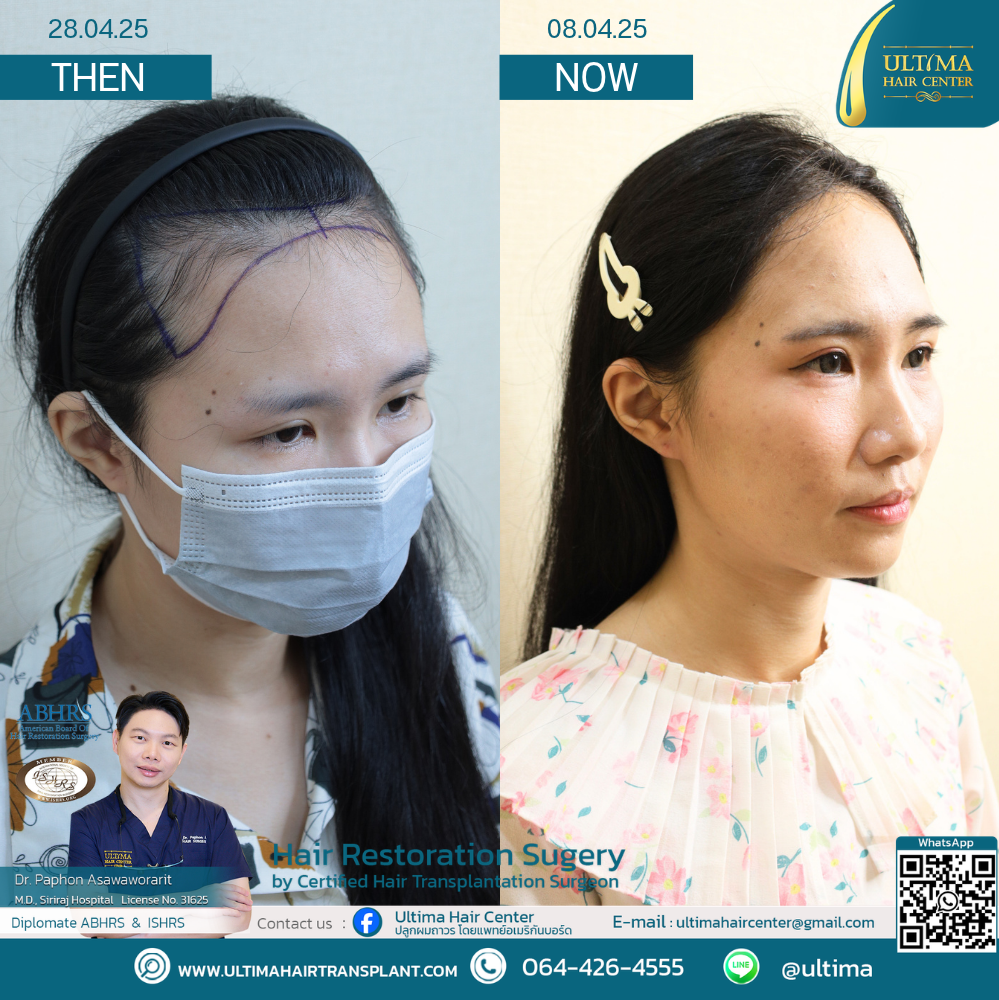
The most important factors to consider are:
Patient health + scalp condition + treatment plan + recovery time + lifestyle + ability to follow post-operative care
If you are planning a quality-focused hair transplant, you do not necessarily need to wait for the “perfect season.” Instead, choose a period that fits your individual circumstances and have your condition assessed by a qualified doctor beforehand
For patients looking for a hair transplant clinic in Bangkok, you can contact Ultima Hair Center to consult Dr. Ming for free and discuss the most suitable timing for your individual hair transplant. Dr. Ming personally responds to patient messages
The goal is to develop an appropriate treatment plan from the beginning, use grafts responsibly, and design the result to look as natural as possible within the limitations of each individual patient
 FAQ: Frequently Asked Questions About the Best Time for a Hair Transplant
What month is best for a hair transplant?
There is no single month that is best for everyone. The appropriate timing should be based primarily on your health, scalp condition, work schedule, recovery time, and ability to follow post-operative care instructions
Can I have a hair transplant in summer?
Yes. A hair transplant can be performed during summer, but patients should plan to minimize direct sun exposure, outdoor activities, and activities that cause excessive sweating during the recovery period according to their doctor’s instructions
Can I have a hair transplant during the rainy season?
Yes. The rainy season is not a contraindication to hair transplantation. However, patients should plan transportation carefully and avoid exposing the treated area to conditions that conflict with post-operative instructions
Is a hair transplant better in winter than in summer?
There is no general evidence that winter automatically produces better hair transplant results than summer. However, some people may find recovery more comfortable because of cooler temperatures and less sweating
How many days after a hair transplant can I return to work?
This depends on the type of work and the individual’s recovery. Many patients can return to light work within a few days, while people who work outdoors or perform physically demanding jobs may need more time. Follow your doctor’s specific recommendations
How many days after a hair transplant can I exercise?
The appropriate timing depends on the type and intensity of exercise and the individual’s recovery. Returning to strenuous exercise or sports may take around two weeks in some cases, but the treating doctor’s instructions should be followed
If I have a beach vacation planned, should I have the hair transplant before or after the trip?
It is generally better to schedule sufficient time between the hair transplant and the beach trip. Beach vacations often involve sunlight, heat, swimming, and outdoor activities, which may not be suitable during the early recovery period. Ask your doctor about the appropriate timing for your individual situation
Do I need to wait until winter to have a hair transplant?
No. Hair transplantation can be performed throughout the year if your health and scalp condition are suitable and you are able to follow the recommended post-operative care
Contact Us:
Dr. Paphon Asawaworarit (Dr. Ming)
Physician Directory ABHRS
Ultima Hair Center (Thailand Website)
Ulitma Hair Transplant (English Website)
Line: @ultima
E-mail: ultimahaircenter@gmail.com
