

Why Do You Need to Trim Your Eyebrows After an Eyebrow Transplant?
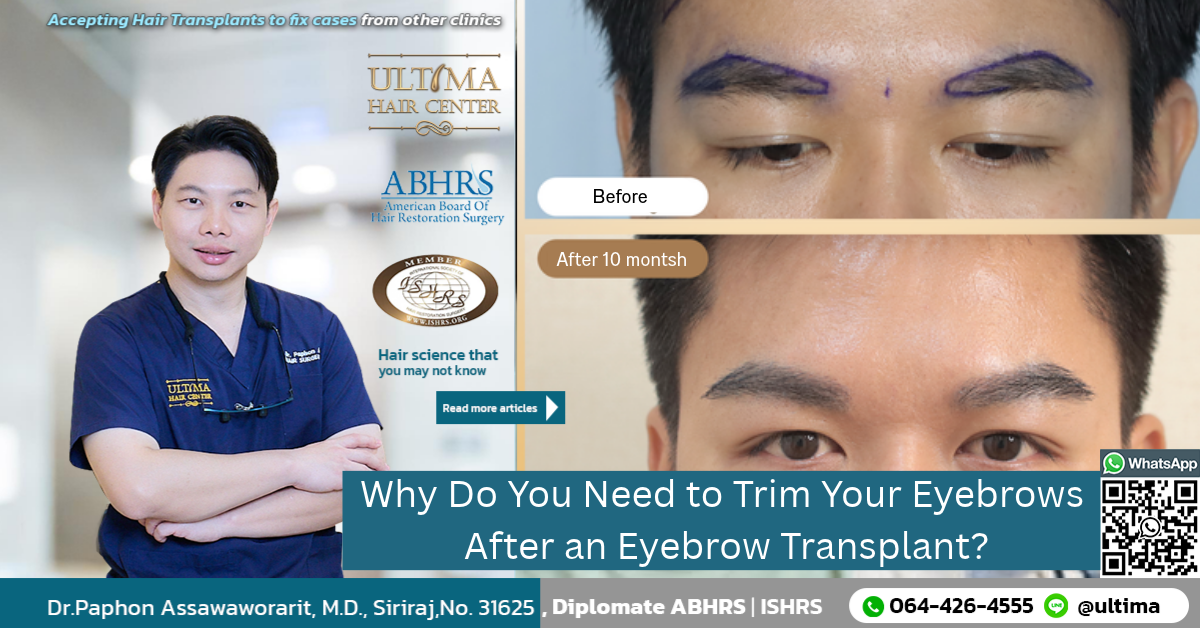
What You Should Know About Eyebrow Trimming After an Eyebrow Transplant and How to Keep Your Eyebrows Looking Natural
An eyebrow transplant is one of the options available for increasing eyebrow density, improving eyebrow shape, or filling in areas where the eyebrows have become thin or sparse
Many people considering an eyebrow transplant often ask:
“Do I need to trim my eyebrows after an eyebrow transplant?”
“Why do I need to trim them if the purpose of the transplant is to have more eyebrow hair?”
“What happens if I don’t trim my eyebrows?”
The answer is that eyebrow trimming after an eyebrow transplant is something that patients may need to do regularly because the hair used for eyebrow transplantation has different growth characteristics from natural eyebrow hair
Hair transplanted into the eyebrow area generally retains the growth cycle and length characteristics of scalp hair. This means that, once transplanted into the eyebrow area, these hairs can continue growing in a similar way to scalp hair
Therefore, trimming is an important part of eyebrow transplant aftercare. It helps control hair length and maintain an eyebrow shape that is appropriate for the individual’s facial features
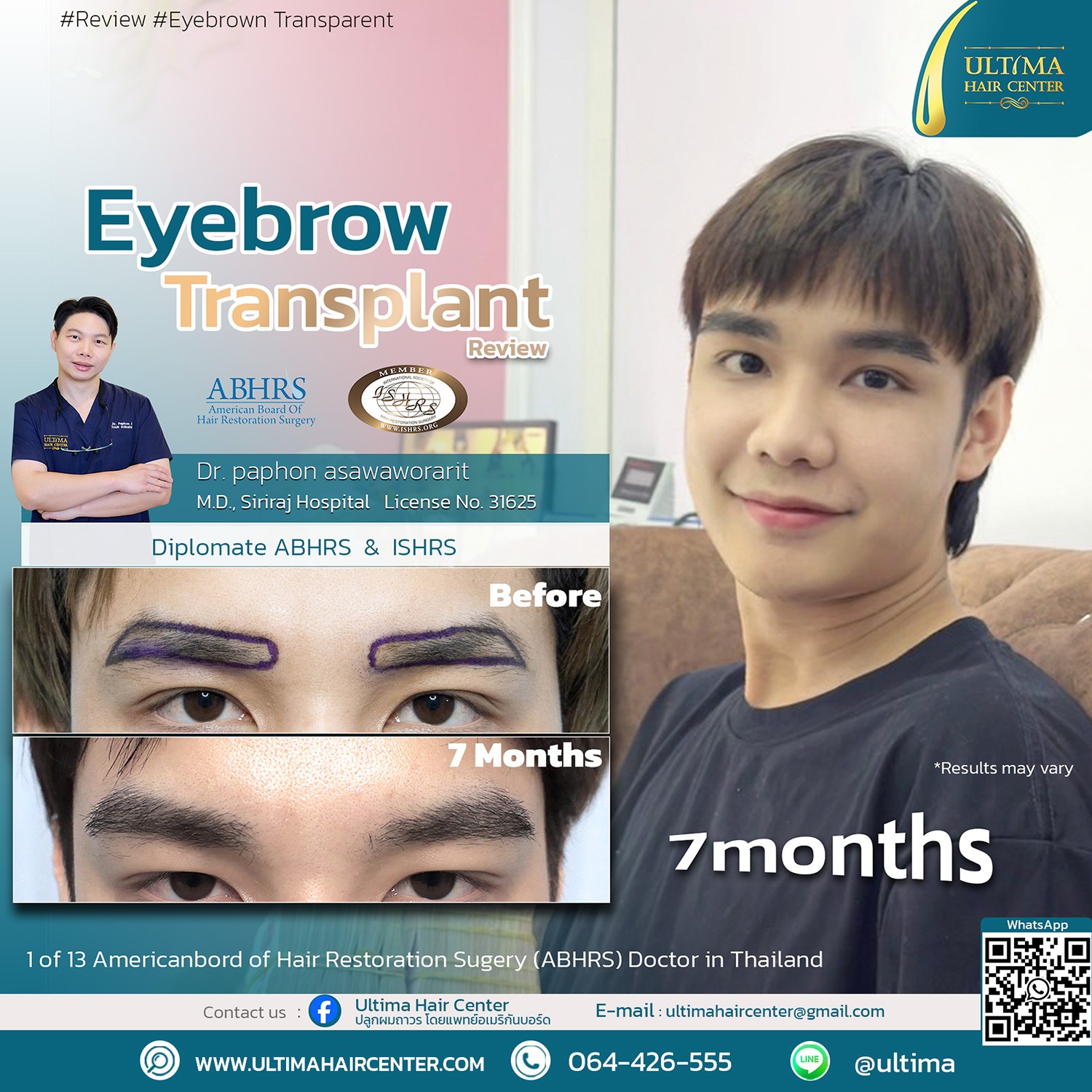 Why Do You Need to Trim Your Eyebrows After an Eyebrow Transplant?
The main reason is that the hair transplanted into the eyebrow area retains many of the characteristics of scalp hair
Even though the hair is transplanted into the eyebrow area, its growth characteristics do not automatically change into those of natural eyebrow hair
As time passes, transplanted hairs can continue to grow longer
If they are left untrimmed, they may cause:
- Eyebrow hairs to become too long
- The eyebrows to look untidy
- Some hairs to fall downward toward the eyes
- Different hairs to have different lengths
- The eyebrow shape to look different from the original design
- More time being needed to style the eyebrows
Therefore, trimming after an eyebrow transplant is not a sign that something went wrong with the procedure. It is simply a characteristic of using scalp hair for eyebrow transplantation
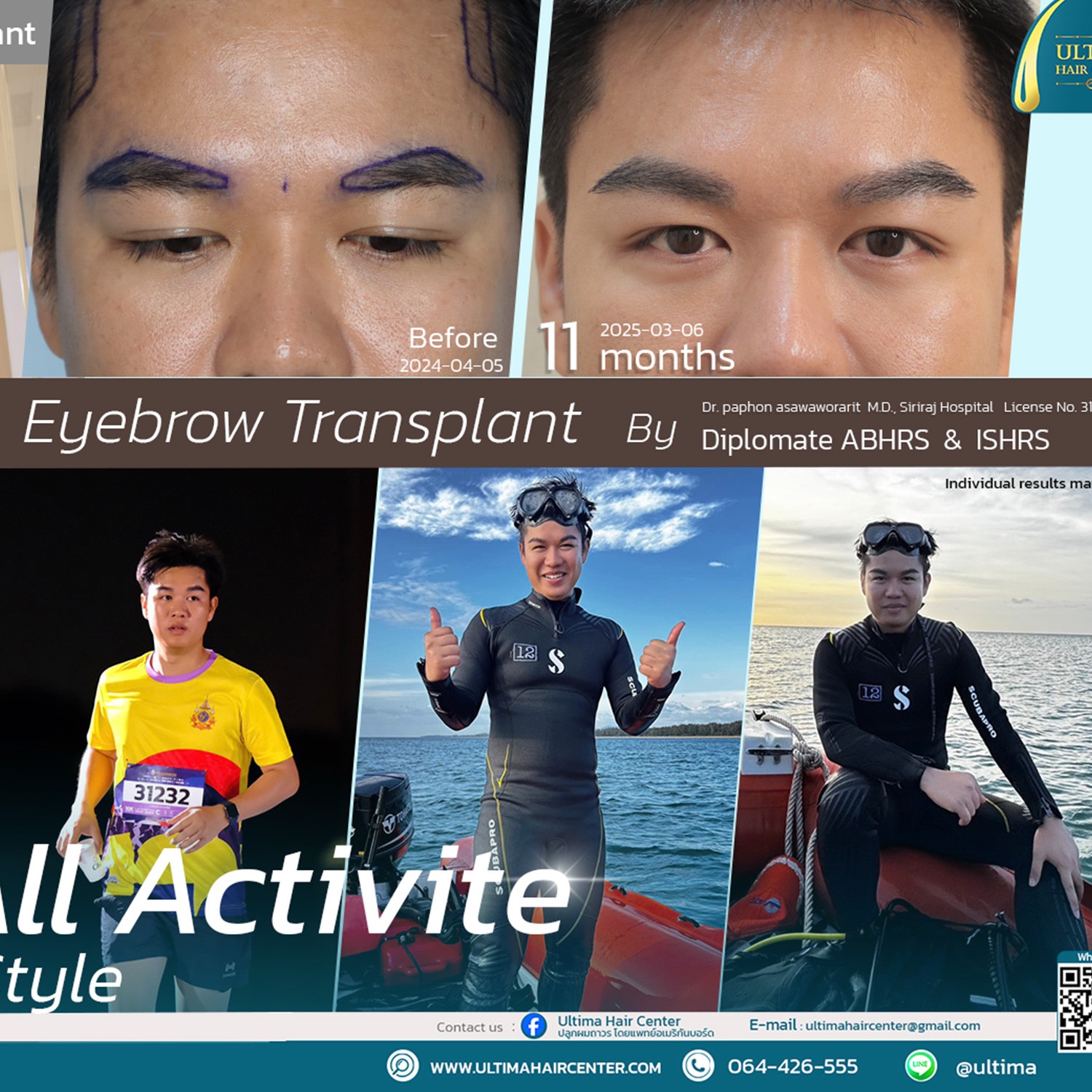 Where Does the Hair Used for an Eyebrow Transplant Come From?
During an eyebrow transplant, the doctor generally selects hair from the back of the scalp or another suitable Donor Area
One of the most important considerations is selecting hair that is appropriate for use in the eyebrow area
Because the eyebrows are a highly detailed facial feature, graft selection is particularly important
In addition to the number of grafts, the doctor should consider:
- Hair shaft thickness
- Hair fineness
- Hair growth characteristics
- Growth direction
- Implantation angle
- Position of each graft
- Desired eyebrow shape
Therefore, an eyebrow transplant is not simply about increasing the number of hairs. It requires careful planning of the position and direction of each graft
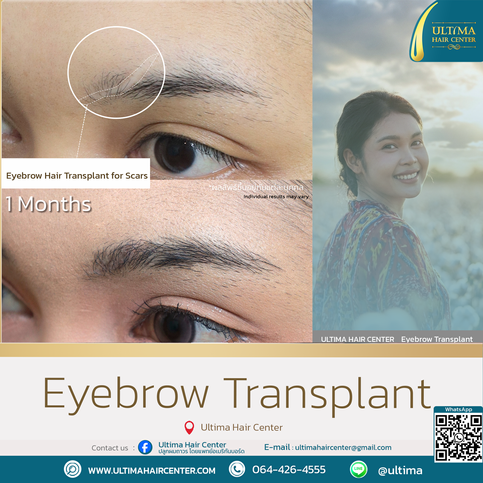
Why Does Transplanted Eyebrow Hair Grow Longer Than Natural Eyebrow Hair?
Natural eyebrow hair has a different growth cycle from scalp hair
Eyebrow hairs generally have a shorter growth phase and therefore have a more limited maximum length compared with scalp hair
However, when hair from the scalp is transplanted into the eyebrow area, the transplanted hair generally retains characteristics associated with its original Donor Area. As the grafts grow, the hairs can therefore continue growing longer
This is the main reason “eyebrow transplants need regular trimming”
Trimming is therefore an important part of eyebrow transplant aftercare
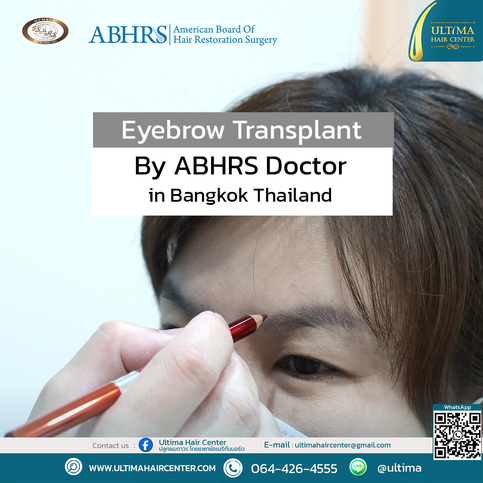
How Often Do You Need to Trim Your Eyebrows After an Eyebrow Transplant?
The frequency of trimming varies from person to person and depends on:
- How quickly the hair grows
- Hair characteristics
- Desired hair length
- Eyebrow shape
- The location of the transplanted hairs
Some people may need to trim their eyebrows more frequently than others
In general, some patients may trim their transplanted eyebrow hairs approximately once a week. However, it is better to observe the hair length and trim it when the hairs begin to grow beyond the desired eyebrow shape
There is no need to follow exactly the same trimming schedule for everyone
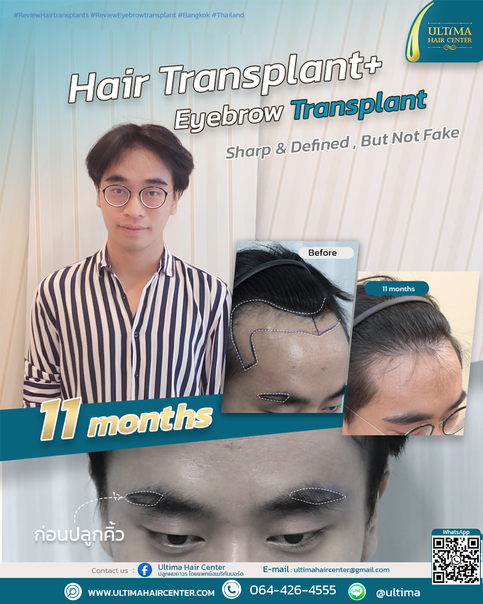
When Can You Start Trimming After an Eyebrow Transplant?
The appropriate time to begin trimming should follow the instructions of the doctor who performed the eyebrow transplant
During the early period after transplantation, extra care should be taken around the transplanted grafts because they need time to recover and become established in the recipient area
Therefore, patients should not immediately use scissors or other trimming tools around the transplanted area without medical advice
Once the doctor has determined that the recipient area has recovered sufficiently, trimming can be started according to the doctor’s recommendations
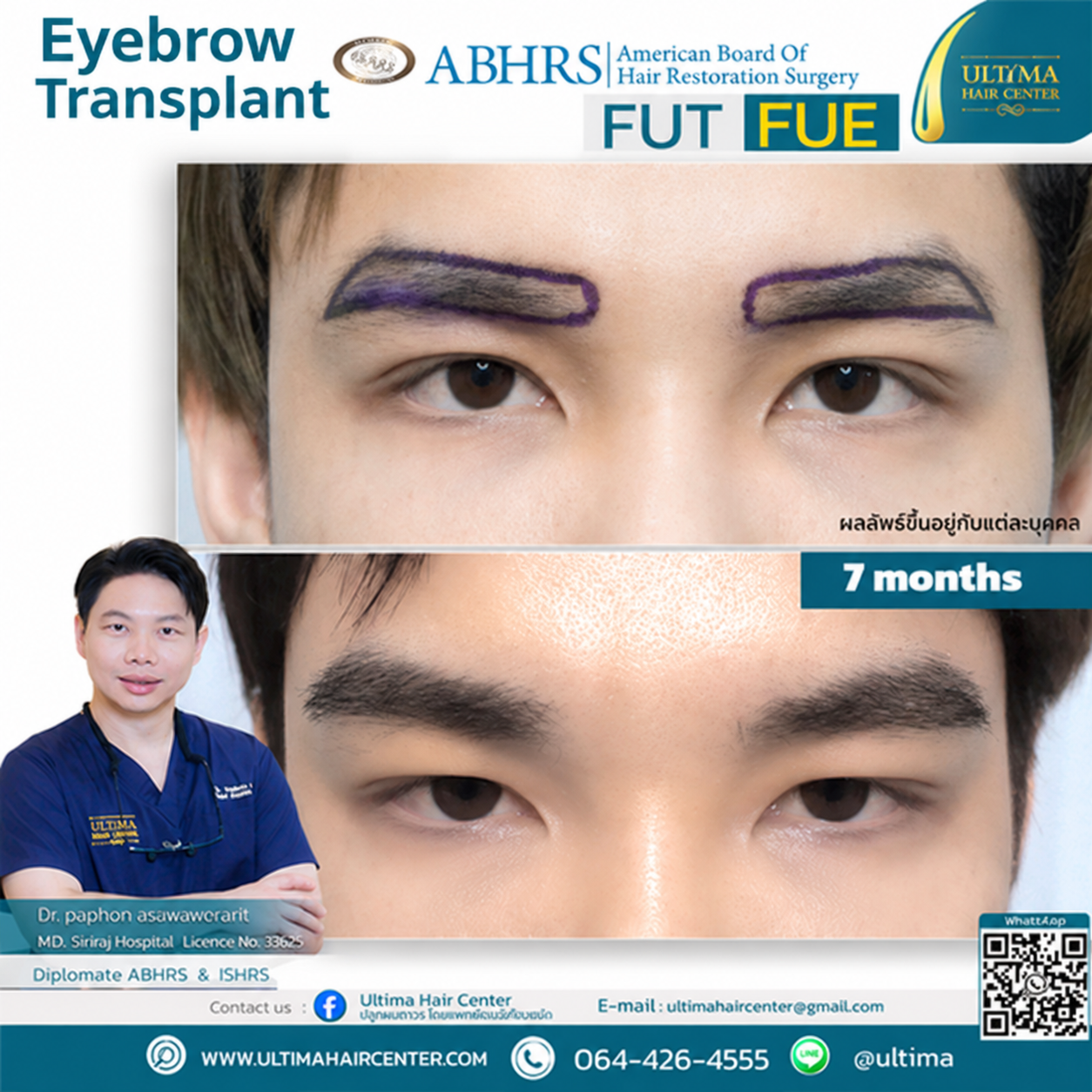
How Should You Trim Your Eyebrows After an Eyebrow Transplant?
Once you have reached the stage where trimming is permitted, it should be done carefully
1. Use Scissors Designed for Trimming Hair
Choose an appropriate tool that is easy to control and suitable for trimming eyebrow hairs
2. Trim Only the Hairs That Are Too Long
There is no need to cut all of the hairs very short
The goal is to control the length while maintaining the desired eyebrow shape
3. Trim a Little at a Time
Cutting too much at once may make the eyebrows look uneven or unbalanced
4. Avoid Pulling the Hair Out
Trimming and plucking are different
Plucking may affect the hair root, so transplanted hairs should not be plucked without consulting your doctor
5. Be Careful Not to Press the Scissors Against the Skin
The eyebrow area is close to the eyes, so extra caution should always be taken when using scissors or other tools
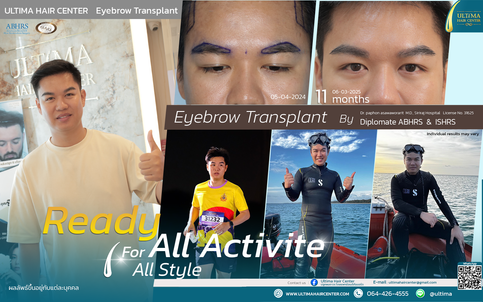
Does Trimming Make Transplanted Eyebrow Hair Thicker?
Trimming does not make the hair roots stronger and does not increase the number of transplanted hairs
Cutting the hair only removes the portion above the skin. It does not cause the hair root to produce additional hairs
The common belief that “the more you cut, the thicker the hair becomes” is not how hair growth works
After trimming, the ends of the hair may initially appear more blunt, which can make them look darker or thicker. However, this does not mean that the number of hairs or the size of the hair roots has increased

What Happens If You Don’t Trim Your Eyebrows After an Eyebrow Transplant?
If the transplanted hairs are never trimmed, they may continue growing longer according to their growth characteristics
This may result in:
- Eyebrows that look too long
- Some hairs falling downward
- An untidy appearance
- More time needed for styling
- The original eyebrow design appearing different over time
Therefore, eyebrow trimming is part of maintaining the appearance of transplanted eyebrows, rather than correcting a problem with the transplant itself
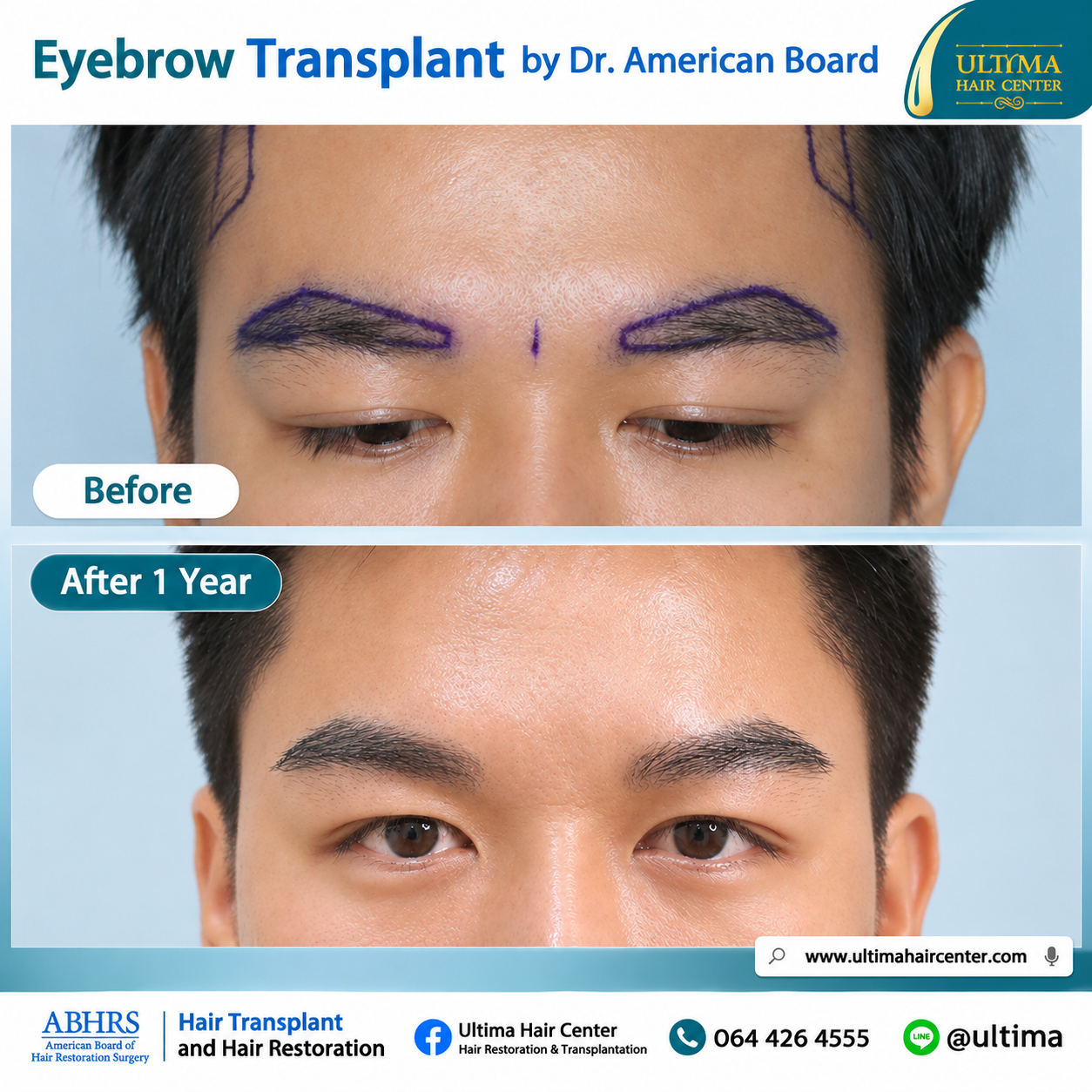 Can You Shave Your Eyebrows After an Eyebrow Transplant?
In general, shaving or trimming transplanted eyebrow hairs can be done once the recipient area has sufficiently recovered, but patients should follow the specific instructions provided by their doctor
However, for eyebrow transplant aftercare, trimming is often easier for controlling hair length
Because the eyebrow is a small and highly detailed area, trimming only the hairs that have become too long can make it easier to maintain the desired shape
Why Is Eyebrow Design Important Before an Eyebrow Transplant?
An eyebrow transplant differs from a scalp hair transplant in several important ways
The eyebrows are an important part of facial structure and can directly affect the overall appearance of the face
Before an eyebrow transplant, the doctor should consider:
- Facial shape
- Distance between the eyebrows
- Position of the eyebrow head
- Highest point of the eyebrow
- Length of the eyebrow tail
- Desired eyebrow thickness
- Hair direction
- Eyebrow curvature
- Existing eyebrow characteristics
The goal is not simply to increase the number of hairs. The eyebrows should be designed to complement the individual’s facial features
 Hair Direction Is Extremely Important in Eyebrow Transplantation
Another particularly important consideration is hair direction
Eyebrow hairs do not simply grow straight outward from the skin in the same way scalp hair does
Different parts of the eyebrow have different patterns and directions of hair growth
If grafts are placed without considering these directions, the transplanted hairs may grow in a way that looks too upright or does not follow the desired eyebrow pattern
Therefore, an eyebrow transplant should carefully consider:
Position + Angle + Direction + Density
rather than focusing only on the number of grafts
 Why Is Proper Graft Selection Important in an Eyebrow Transplant?
The eyebrow is a relatively small area
If grafts containing too many hairs are used, the eyebrows may appear too thick or coarse for the desired appearance
Therefore, the doctor should carefully plan the number of grafts according to the size and characteristics of the recipient area
Selecting appropriate grafts and placing them in the correct locations can help create a more refined appearance that complements the individual’s facial structure
This is one reason why quality-focused hair transplantation should emphasize the quality of planning and graft management, rather than simply focusing on the number of grafts
 Why Is Choosing an Experienced Doctor Important for an Eyebrow Transplant?
An eyebrow transplant is a highly precise procedure because the working area is small, and even subtle differences in eyebrow shape or hair direction can affect the overall appearance
The doctor should evaluate:
- Existing eyebrow characteristics
- The cause of eyebrow thinning or loss
- Hair quality in the Donor Area
- The number of grafts required
- Eyebrow design
- Hair direction
- The patient’s expectations
Therefore, patients should consider choosing a doctor with experience in eyebrow transplantation who can develop a treatment plan according to their individual characteristics
 How Should You Care for Your Eyebrows After an Eyebrow Transplant?
After an eyebrow transplant, patients should carefully follow the aftercare instructions provided by their doctor
During the early period, patients should generally:
- Avoid touching or scratching the transplanted area
- Avoid picking at scabs
- Avoid trauma to the area
- Avoid rubbing the eyebrows
- Care for the recipient area as instructed
- Take prescribed medication if medication has been provided
- Attend follow-up appointments as scheduled
Most importantly, do not rush to trim or pluck the eyebrows during the early healing period without medical advice
The grafts need sufficient time to recover and become established
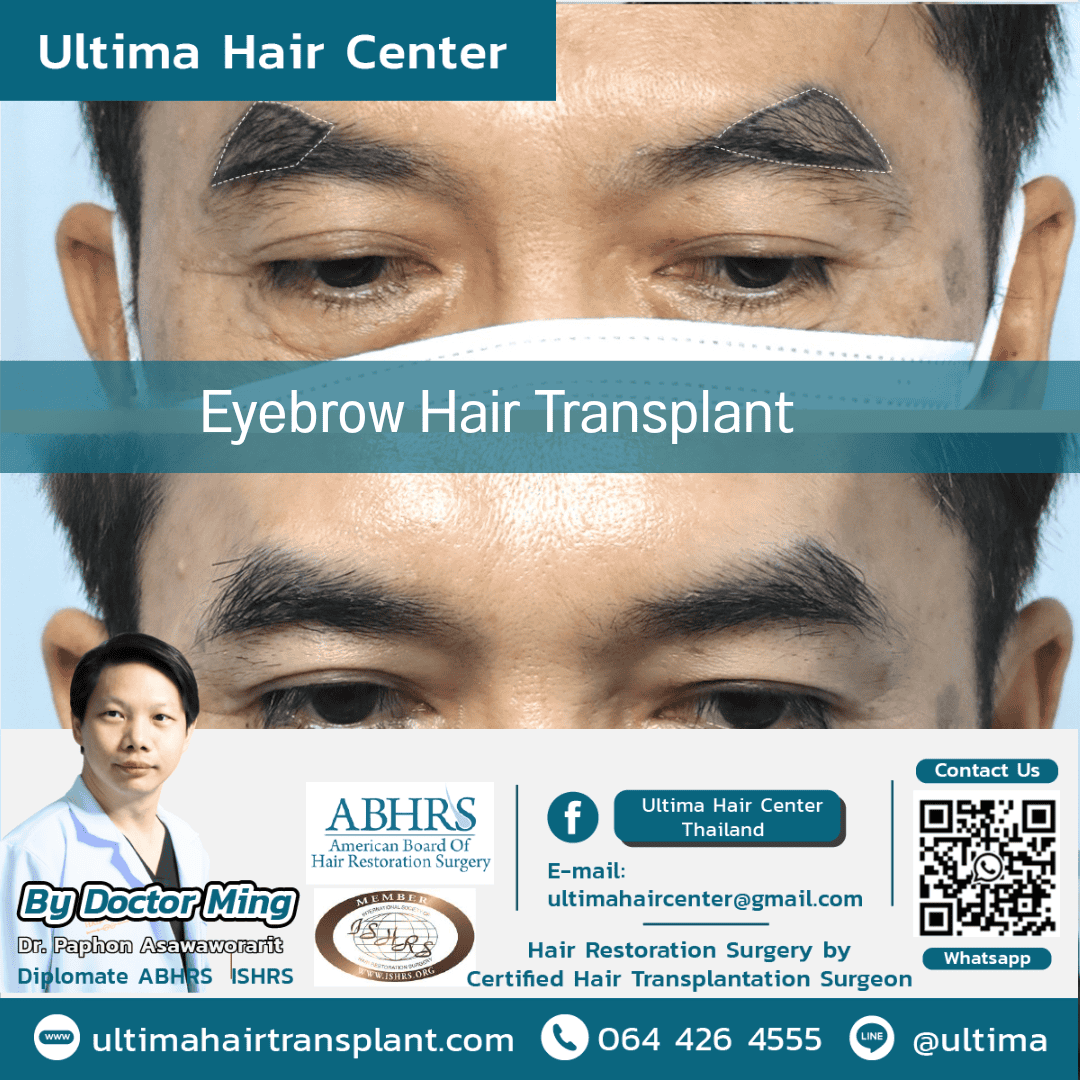 Will All the Transplanted Eyebrow Hair Grow at the Same Time?
Not necessarily. Each graft has its own hair growth cycle
As a result, some areas may begin showing hair growth earlier, while other areas may still appear less dense
During the early stages, transplanted hairs may be:
- Fine
- Small
- Growing at different times
- Different in length
As time passes, the changes can become more noticeable
Therefore, the result of an eyebrow transplant should not be judged based only on the early stages
Will You Need to Trim Your Eyebrows Regularly After an Eyebrow Transplant?
If the transplanted hair retains growth characteristics similar to the hair from the Donor Area, it may need to be trimmed regularly
The frequency varies from person to person
Some people may feel that they need to trim their eyebrows frequently, while others may need to trim them less often. This depends on how quickly the transplanted hair grows and the eyebrow shape they want to maintain
Therefore, it is better to consider trimming as part of maintaining transplanted eyebrows, rather than viewing it as a disadvantage of eyebrow transplantation
Who May Be Suitable for an Eyebrow Transplant?
An eyebrow transplant may be an option for people experiencing:
- Thin eyebrows
- Missing areas of the eyebrows
- Asymmetrical eyebrows
- Eyebrow thinning caused by repeated plucking or waxing
- Scarring in the eyebrow area
- A desire to increase eyebrow density
- A desire to improve eyebrow shape
However, the underlying cause of eyebrow thinning or loss should be evaluated before deciding on transplantation
Some causes of eyebrow thinning may be related to medical or dermatological conditions that should be evaluated and treated first
Who Should Be More Careful About Eyebrow Transplantation?
People who have conditions that cause patchy eyebrow hair loss, such as Alopecia Areata, or certain skin conditions should be evaluated by a doctor before considering an eyebrow transplant
An eyebrow transplant is not suitable for every situation
If the underlying cause of hair loss is still active, transplantation may not be the appropriate first step
Therefore, identifying the cause of eyebrow hair loss before transplantation is important
What Should You Look for When Choosing an Eyebrow Transplant Clinic?
For people searching for a hair transplant clinic in Bangkok that also provides eyebrow transplantation, it is important to consider several factors rather than looking only at price
Important factors include:
1. Is the patient evaluated by a doctor?
There should be a medical evaluation before deciding whether transplantation is appropriate
2. Is the eyebrow individually designed?
The eyebrow shape should correspond to the patient’s facial features and personal preferences
3. Does the clinic pay attention to hair direction?
Hair direction is an important detail in eyebrow transplantation
4. Is there postoperative follow-up?
Aftercare is an important part of the overall treatment process
5. Can you communicate directly with the doctor?
Communication with the doctor can help patients understand the procedure, expectations, and limitations of their individual case
How Does Ultima Hair Center Approach Eyebrow Transplantation?
At Ultima Hair Center, we place importance on individualized eyebrow transplant planning
Every person’s eyebrows are different in terms of shape, density, hair direction, and facial structure
Therefore, eyebrow transplantation should involve more than simply increasing the number of hairs
The goal is to plan the eyebrow shape and hair placement to complement the patient’s facial features and achieve an overall result that looks natural
Dr. Ming Personally Answers Patients’ Messages
For people with questions about eyebrow transplantation, such as:
- How many grafts are needed?
- Is an eyebrow transplant painful?
- How often will I need to trim my eyebrows after transplantation?
- Can I shave transplanted eyebrow hair?
- Can I have an eyebrow transplant if my existing eyebrows are very thin?
- Can an eyebrow transplant improve asymmetrical eyebrows?
At Ultima Hair Center, Dr. Ming personally answers patients’ messages
This allows patients to ask questions about their individual concerns and discuss eyebrow transplantation directly with the doctor
Free Consultation with Dr. Ming Before an Eyebrow Transplant
If you are considering an eyebrow transplant but are unsure whether you are a suitable candidate, speaking with a doctor beforehand is an important step
You can consult with Dr. Ming for free about:
- The cause of eyebrow thinning
- Suitable eyebrow shape
- Estimated number of grafts
- Donor Area
- Pre- and postoperative care
- Eyebrow trimming after transplantation
- Expectations regarding the results
A pre-treatment assessment can help patients better understand their individual limitations and the most appropriate approach for their situation
How Is ABHRS Certification Relevant to Eyebrow Transplantation?
For people researching hair transplantation with an ABHRS board-certified doctor, the doctor’s certification can be considered as one of the factors when choosing a hair restoration doctor
ABHRS, or the American Board of Hair Restoration Surgery, is an organization that has a certification system for physicians in Hair Restoration Surgery based on its established criteria
However, a doctor should not be selected based on certification alone. Patients should also consider:
- The doctor’s experience
- Previous results
- Eyebrow design
- Graft planning
- Techniques used
- Postoperative care
- Follow-up
- Understanding of the patient’s expectations
This is particularly important because eyebrow transplantation requires detailed planning and an individualized approach
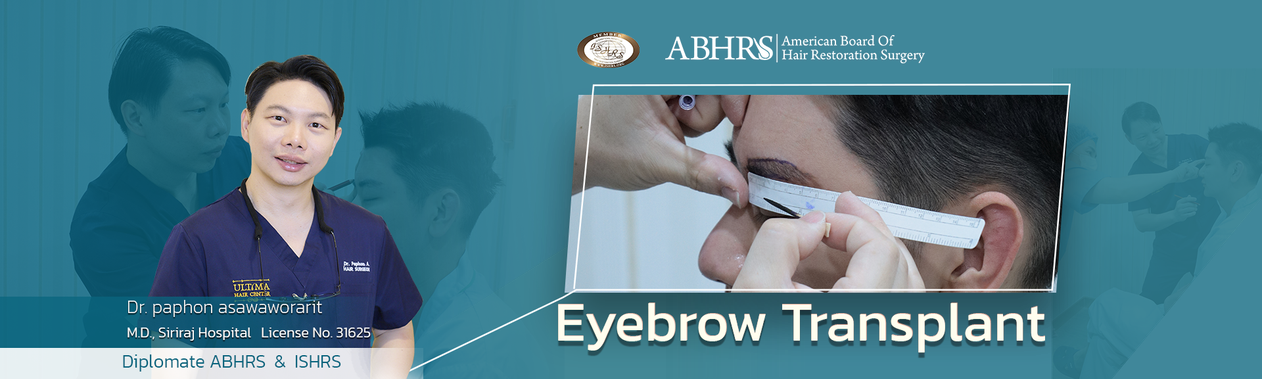 Summary: Why Do You Need to Trim Your Eyebrows After an Eyebrow Transplant?
The main reason is that the hair transplanted into the eyebrow area retains characteristics of the hair from the Donor Area
Therefore, once the grafts begin growing, the transplanted hairs can continue growing longer than natural eyebrow hairs
Trimming helps control:
- Hair length
- Eyebrow shape
- Overall neatness
- The visible direction of the hairs
- The overall appearance of the eyebrows
Trimming does not damage the grafts and does not make the transplanted hair thicker. It simply removes the portion of the hair that extends above the skin, helping maintain the desired eyebrow shape
However, during the early period after an eyebrow transplant, patients should not rush to trim, pluck, or repeatedly touch the transplanted area. It is better to wait until the doctor determines that the area has recovered sufficiently and provides appropriate instructions for eyebrow care
For people looking for a hair transplant clinic in Bangkok that also provides eyebrow transplantation, it is important to consider eyebrow design, graft selection, hair direction, transplantation technique, and postoperative care
At Ultima Hair Center, we focus on quality-focused hair transplantation, including individualized planning for eyebrow transplantation
If you still have questions, you can consult with Dr. Ming for free, with Dr. Ming personally answering patients’ messages, allowing you to discuss your individual concerns and expectations directly
For patients who consider physician credentials important, hair transplantation with an ABHRS board-certified doctor can be one of the factors to consider, together with the doctor’s experience, previous results, treatment planning, and overall patient care
Because a successful eyebrow transplant does not end when the procedure is completed. It also includes appropriate postoperative care and regular trimming to maintain the planned eyebrow shape and help the transplanted eyebrows look neat and look natural
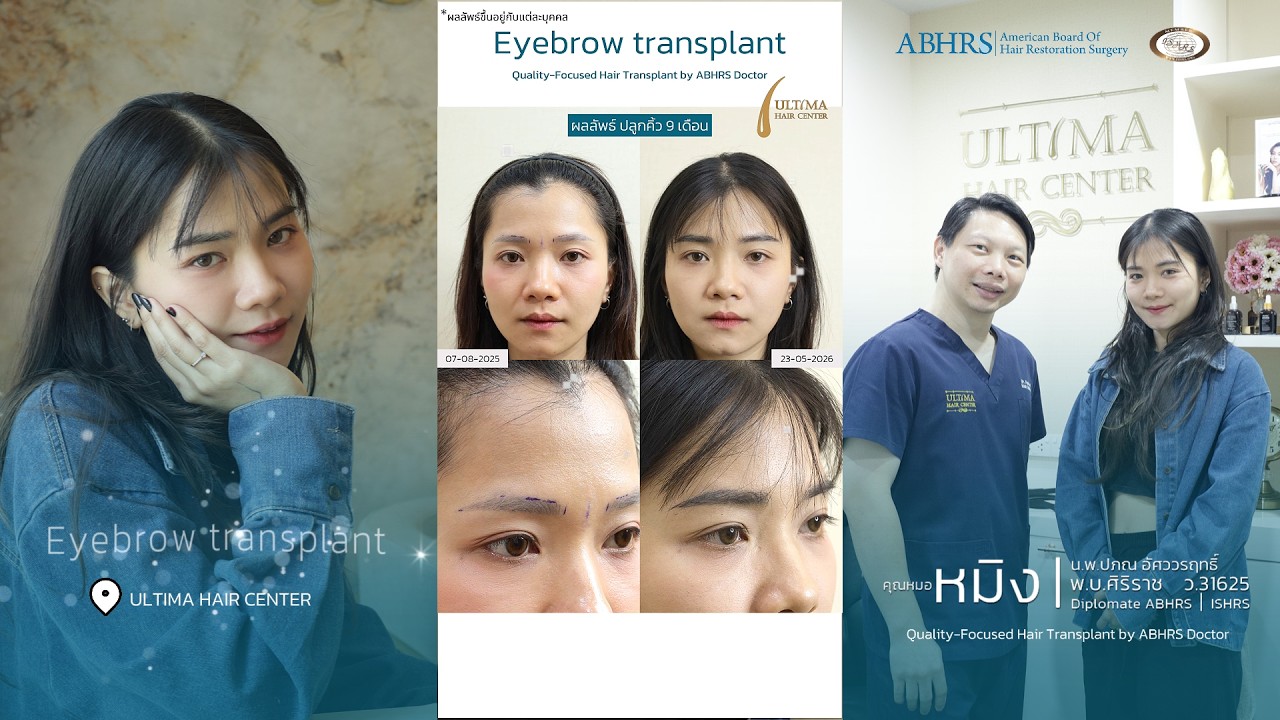
Contact Us:
Dr. Paphon Asawaworarit (Dr. Ming)
Physician Directory ABHRS
Ultima Hair Center (Thailand Website)
Ulitma Hair Transplant (English Website)
Line: @ultima
E-mail: ultimahaircenter@gmail.com
