

Understanding the Characteristics of High-Quality Hair Grafts Before Choosing Hair Transplantation
Hair transplantation is not determined by the number of grafts alone. Graft quality is one of the important factors to consider before undergoing a hair transplant because each graft has different characteristics and components. Graft quality can affect treatment planning, the use of the Donor Area, and the overall result, particularly when the goal is to achieve a natural-looking appearance
Many people may assume that a “good graft” is simply one containing the greatest number of hairs. In reality, a high-quality graft is not defined only by the number of hairs it contains. Several factors should be considered together, including the integrity of the hair follicles, the number of hairs per graft, the condition of the surrounding tissue, hair characteristics, and how the grafts are harvested and handled
This article explains what makes a high-quality hair graft, which types of grafts are suitable for different areas, and why the choice of harvesting technique, such as FUT and FUE, should be considered according to each individual
What Is a Hair Graft?
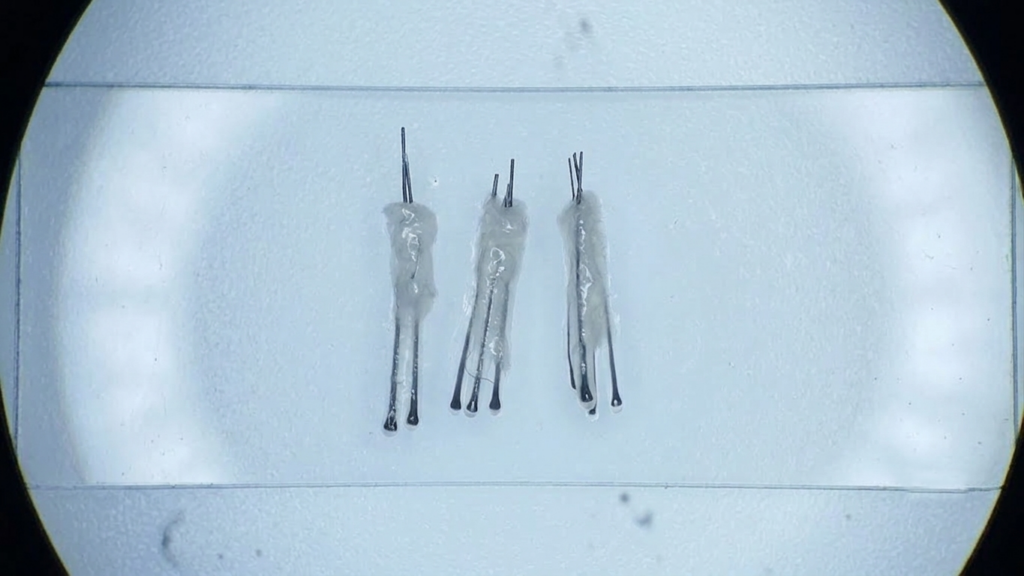
In hair transplantation, the term “graft” refers to a unit of tissue harvested from the Donor Area and transplanted to an area with thinning or no hair
A single graft may contain one or more hairs, and the number of hairs varies from one graft to another. For example:
- A graft containing 1 hair
- A graft containing 2 hairs
- A graft containing 3 hairs
- A graft containing 4 or more hairs in some cases
These differences are important when planning a hair transplant
The frontal hairline generally requires grafts containing fewer hairs to help create a natural-looking hairline, while grafts containing multiple hairs may be used in the posterior areas to increase density
Therefore, a “good graft” does not necessarily mean a graft with the highest number of hairs
What Makes a High-Quality Hair Graft?
Graft quality should be evaluated based on several factors. Important considerations include:
1. Intact Hair Follicles
A good graft should have hair follicle structures that have been harvested appropriately with minimal damage
During graft harvesting, the physician and surgical team must take care to avoid injuring or damaging important follicular structures
Even when a graft has been successfully removed, damage to important structures may affect its ability to grow and survive after transplantation
2. An Appropriate Number of Hairs per Graft
Each graft can contain a different number of hairs
Therefore, good planning does not mean trying to use only grafts with the highest number of hairs. Instead, grafts should be selected according to the area being transplanted
Frontal Hairline
Grafts containing fewer hairs, such as single-hair grafts, are often used to create detail and refinement along the frontal hairline
Mid-Scalp
Multi-hair grafts can be used where appropriate to increase density
Crown
The direction of hair growth and the rotational pattern of the crown should be considered. Single-hair grafts may be particularly useful in the central crown area, with the direction carefully planned to resemble the natural crown pattern. The curvature of the hair can also be directed closer to the scalp to help create a more natural-looking crown
This is why the number of grafts alone cannot fully determine the quality of a hair transplant
3. Appropriate Hair Shaft Diameter
Hair shaft diameter is another factor that can influence the overall appearance
People with thicker hair shafts can create the appearance of greater density with fewer grafts than people with finer hair
In contrast, people with fine hair may require a different approach to planning
Therefore, before a hair transplant, it is important to assess:
- Number of grafts
- Number of hairs per graft
- Hair shaft diameter
- Donor Area density
The number of grafts alone should not be the only consideration
4. Graft Structure Suitable for Hair Transplantation
Grafts with an appropriate structure can allow the physician to place them more effectively in different areas
This is particularly important when transplanting the frontal hairline, where appropriate graft selection is needed to create fine and detailed hairline characteristics
Therefore, graft organization and allocation can be just as important as the total number of grafts
5. Minimal Graft Damage During Harvesting
The graft harvesting process is extremely important. Harvesting a graft does not simply mean removing it from the scalp. The goal is to preserve the important structures of the graft as much as possible
Damage during the process may be associated with:
- Harvesting technique
- Instruments used
- Skill and experience of the physician and surgical team
- The patient’s individual hair characteristics
- The difficulty of extracting the grafts from the Donor Area
Therefore, graft quality should be considered from the beginning of the harvesting process, not only after the graft has been removed
6. Consistent Graft Quality
The quality of the Donor Area is not necessarily uniform throughout the entire area
Some areas may have higher hair density, while others may have lower density
Good planning should therefore involve selecting the appropriate areas for harvesting and avoiding unnecessary use of the Donor Area
7. Grafts Appropriate for the Intended Transplant Area
This is an especially important consideration
One type of graft may be suitable for one area but not necessarily for every area
For example:
Frontal Hairline
Single-hair grafts and grafts with fewer hairs are important for creating a fine and detailed hairline
Mid-Scalp
Multi-hair grafts may be used to increase density
Crown
Planning should take into account the natural direction and rotational pattern of hair growth
Therefore, a high-quality graft must also be used in an appropriate location
Why Are Single-Hair Grafts Important?
Grafts containing only one hair play an important role, particularly in creating the frontal hairline
A realistic-looking hairline is generally not a perfectly straight line with identical density throughout. Instead, the number of hairs and spacing can vary from one point to another
Appropriate use of single-hair grafts can help create a smoother transition between the forehead and the hairline
What Are the Benefits of Multi-Hair Grafts?
Grafts containing 2–3 hairs can provide greater density
They are therefore often used in areas where increased density is desired, particularly in the inner zones
However, multi-hair grafts should generally not be placed densely along the frontal hairline because this can make the hairline appear harsh or less harmonious
Graft Quality Is Not Determined by the Number of Hairs Alone
This is a common misconception
Some people may think that having a large number of three-hair grafts means that the grafts are automatically of the highest quality
In reality, this is not necessarily the case. Normally, hair naturally consists of a mixture of grafts containing 1–3 hairs. Furthermore, a three-hair graft containing fine hairs may appear less dense than a complete, healthy single-hair graft with a larger hair shaft diameter
FUT and Graft Quality
FUT, or Follicular Unit Transplantation, is a harvesting technique in which a strip of scalp is removed from the Donor Area and then divided into individual hair grafts before transplantation
One advantage of FUT is that a large number of grafts can be harvested in a single procedure. When performed using an appropriate technique, the integrity of the grafts can be well preserved, while the density of the remaining hair in the posterior Donor Area is not reduced in the same way as with widespread individual extraction
Who May Be Suitable for FUT?
FUT may be suitable for people who:
- Require a large number of grafts
- Do not have sufficient Donor Area density to extract a large number of grafts individually
- Need to plan transplantation across multiple areas
- Prioritize good graft integrity and a good growth rate
- Want to preserve sufficient graft resources for future treatment
However, FUT produces a linear scar in the Donor Area, so the patient’s preferred hairstyle and individual requirements should also be taken into consideration
FUE and Graft Quality
FUE, or Follicular Unit Excision, involves extracting individual grafts from the Donor Area using a punch, with the extraction sites distributed across the posterior scalp
One advantage is that it avoids the linear scar associated with FUT
However, FUE also involves several important considerations, including:
- Punch size
- Direction of extraction
- Angle of extraction
- Depth of the graft
- Hair density before and after the procedure
- Prevention of graft injury during extraction and removal
- Distribution of harvesting sites
Which Produces Better-Quality Grafts: FUT or FUE?
FUT can often produce higher-quality grafts because the hair follicles can be directly visualized during graft dissection
FUT also does not reduce the density of the remaining posterior hair in the same manner as individual FUE harvesting
However, there is no single technique that is best for everyone
Both FUT and FUE have their own advantages and limitations
The choice should take into account:
- Age
- Hair characteristics
- Donor Area density
- Scalp laxity
- Number of grafts required
- Future hair transplant planning
- Preferred hairstyle
- Previous hair transplant history
Therefore, the choice of technique should be based on an individual assessment rather than relying solely on advice found online
Because relatively few physicians and hair transplant clinics are genuinely experienced in performing both FUE and FUT, consulting a physician who can actually perform both techniques may provide a more balanced understanding of the advantages and limitations of each approach, helping patients make a more informed decision
How Should High-Quality Grafts Be Handled After Harvesting?
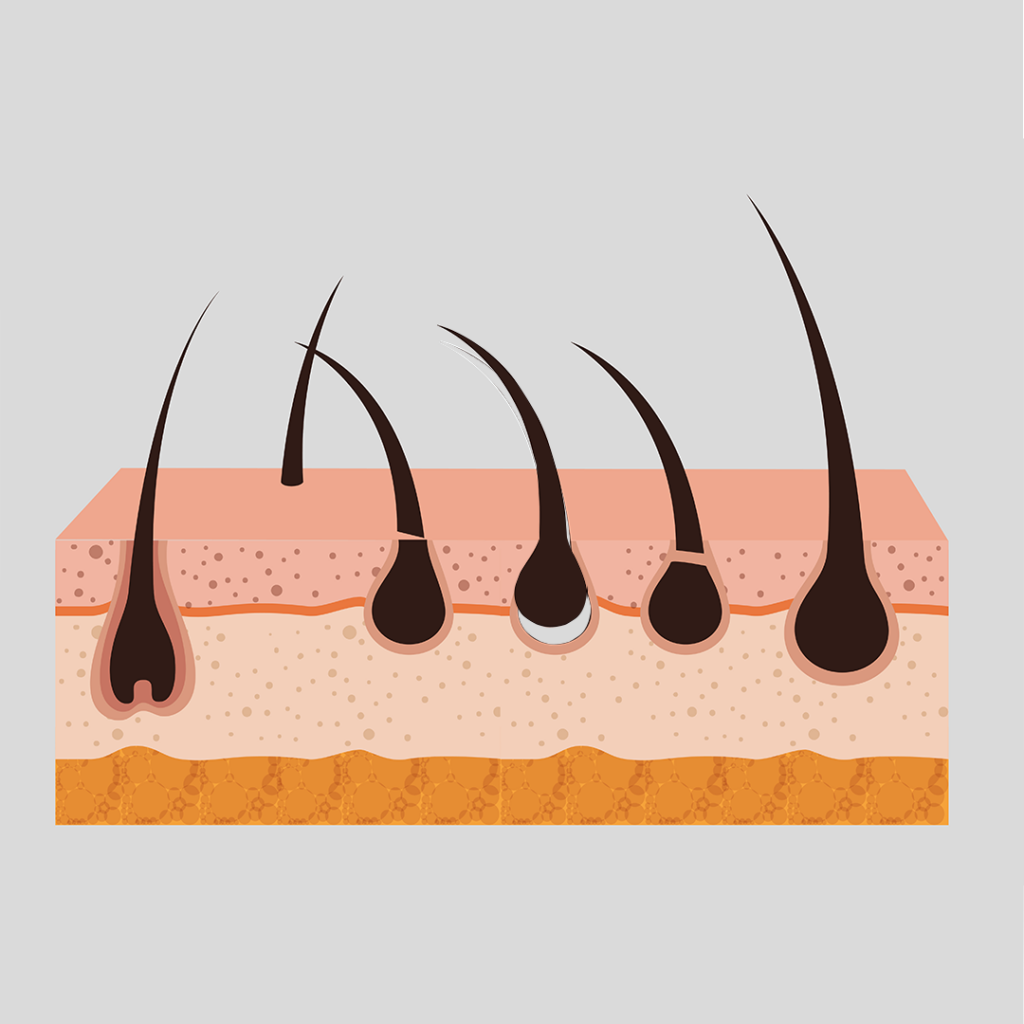
After harvesting, grafts must be handled appropriately before transplantation
Important considerations include:
- Minimizing physical trauma to the grafts throughout the transplantation process
- Handling grafts carefully
- Storing grafts in an appropriate solution at a suitable temperature
- Preventing grafts from drying out
- Minimizing the time grafts remain outside the body as appropriate
These details are part of the overall hair transplantation process and should be planned systematically
How Does the Donor Area Affect Graft Quality?
The Donor Area is the source from which grafts are harvested. If the Donor Area has:
- Good density
- Good hair quality
- Appropriate hair shaft thickness
- A sufficient number of available grafts
the physician has more options when developing a treatment plan
However, when the available number of grafts is limited, using them efficiently and planning for the long term becomes even more important
Why Should You Avoid Overharvesting the Donor Area?
The Donor Area is a limited resource. Excessive harvesting may cause the posterior and lateral scalp to appear thinner
Furthermore, if the patient is likely to experience continued hair loss in the future, additional grafts may be needed later
For this reason, the physician should consider Donor Area management for both the present and the future
This is one of the important principles of quality-focused hair transplantation
How Can High-Quality Grafts Contribute to a Natural-Looking Hair Transplant?
Having appropriate grafts allows the physician to place them more precisely according to the characteristics of each area
However, it is important to understand that high-quality grafts alone do not guarantee a natural-looking result
Many other factors are also involved, including:
- Hairline design
- Number of grafts
- Graft selection
- Direction and angle of graft placement
- Density
- Graft distribution
- Preservation and treatment of existing hair
- Post-transplant care
The entire process should therefore be considered as a whole
Why Does the Frontal Hairline Require Careful Graft Selection?
The frontal hairline is one of the most visible areas of a hair transplant
If multi-hair grafts are placed too closely together, the hairline may appear excessively dense or harsh compared with naturally occurring hair
Good hairline design therefore generally considers:
Avoiding an overly straight appearance + appropriate graft selection + gradual density transition
to create an appropriate Transition Zone
Do High-Quality Grafts Depend on Having a Highly Skilled Physician?
Graft quality does not depend on one individual alone. The entire process is important, including:
Assessment → Planning → Harvesting → Graft Dissection → Storage → Graft Placement → Post-Transplant Care
When the physician and surgical team have appropriate knowledge and skill throughout these stages, this can contribute to obtaining high-quality grafts and a good growth rate
Why Is a Physician Consultation Important Before Hair Transplantation?
Before deciding to undergo a hair transplant, an assessment by a physician is recommended because the physician can evaluate:
- The cause of hair loss
- Whether a hair transplant is necessary
- The condition of the Donor Area
- Whether sufficient grafts are available
- Which technique may be appropriate
- Which areas should be transplanted first
- How many grafts should be harvested
- Whether existing hair should also receive treatment
These assessments are much more important than selecting a number of grafts based solely on price
Questions to Ask a Physician Before a Hair Transplant
Before making a decision, patients may ask questions such as:
1. What is the condition and quality of my Donor Area?
2. Approximately how many grafts are available for transplantation?
3. What is the average number of hairs per graft?
4. Which areas should use single-hair grafts?
5. Which areas should use multi-hair grafts?
6. Am I more suitable for FUE or FUT?
7. How should the treatment be planned if my existing hair continues to thin in the future?
8. Do I need treatment to preserve my existing hair as well?
9. How should I care for my hair after the transplant?
10. Will there be follow-up after the hair transplant?
Is Having More Grafts Better Than Having Higher-Quality Grafts?
Not necessarily
The number of grafts is only one of the figures used when planning a hair transplant
Other factors to consider include:
Number of grafts × Number of hairs per graft × Graft quality × Placement location × Appropriate density
Having a large number of grafts does not necessarily produce a better result if they are not used appropriately
Conversely, using available grafts strategically and planning according to the recipient area may allow the Donor Area resources to be used more efficiently
Can Graft Quality Be Assessed From Photographs?
Photographs can help provide an initial assessment, but they cannot reveal every aspect of graft quality
A physician may need to evaluate additional factors such as:
- Hair density
- Hair shaft diameter
- Hair characteristics
- Scalp condition
- Donor Area
- History of hair loss
- Previous treatments
Therefore, a physician consultation is important before making a decision
Why Is Choosing an ABHRS Physician Important for Hair Transplantation?

People considering a hair transplant may encounter physicians with different qualifications and certifications from various organizations
Choosing an American Board ABHRS hair transplant physician is one factor that can be considered when evaluating a physician
However, it is important to understand that certification does not mean that every patient will achieve the same result
It should be considered together with:
- Pre-treatment assessment
- Experience
- Previous results
- Treatment planning
- Graft harvesting technique
- Graft handling
- Hairline design
- Post-transplant care
- Whether patients can communicate directly with the physician or must communicate through an administrator
Hair transplantation is a process involving many components, from the initial consultation through ongoing post-transplant care
Why Does Ultima Hair Center Emphasize Graft Quality?
The approach of Ultima Hair Center emphasizes individualized hair transplant planning rather than focusing only on the number of grafts or the number of hairs
The assessment should cover:
Cause of hair loss → Donor Area → Graft quality → Number of grafts → Hairline design → Graft harvesting technique → Graft placement → Post-transplant care
The goal of hair transplantation should not simply be to add more hair, but to use the available grafts appropriately and plan for a result that looks natural-looking and is suitable for each individual
Free Consultation With Dr. Ming Before Your Hair Transplant
If you are unsure whether you have sufficient high-quality grafts, or are wondering whether FUE or FUT may be more suitable, a proper pre-treatment assessment is an important step
Those interested can consult with Dr. Ming for free to discuss their hair loss, explore possible treatment options, and better understand their Donor Area and hair transplant planning
A consultation can help patients understand:
- Whether they are suitable for a hair transplant
- Which areas should be transplanted
- Approximately how many grafts may be required
- Whether there are limitations in the Donor Area
- Whether FUE or FUT may be more appropriate
- How treatment should be planned for the long term
Summary: What Makes a High-Quality Hair Graft?
A high-quality hair graft does not simply mean a graft containing the greatest number of hairs. It means a graft with an appropriate structure, harvested carefully with minimal damage, and suitable for placement in the appropriate recipient area
A well-planned hair transplant should therefore consider everything from the Donor Area and graft quality to the choice of harvesting technique, whether FUT or FUE
Both techniques have their own advantages and limitations, and neither is suitable for everyone. The choice should depend on the patient’s hair characteristics, Donor Area, number of grafts required, preferred hairstyle, and future treatment plan
In addition, high-quality grafts alone cannot guarantee the final result. Hairline design, graft selection, placement direction and angle, density, and post-transplant care all play important roles
For those considering quality-focused hair transplantation, the important question should not simply be “How many grafts can I get?” but rather “What is the quality of the available grafts, how will they be used, and how will the treatment be planned specifically for me in the long term?”
For those interested in having a hair transplant with an American Board ABHRS physician, the physician’s qualifications should be considered as one part of the decision-making process, together with previous results, pre-treatment assessment, graft harvesting techniques, treatment planning, and follow-up care
Ultimately, the goal of hair transplantation is not simply to obtain a large number of grafts, but to use the available grafts efficiently and appropriately so that the transplanted hair can blend with the existing hair and achieve the most natural-looking result possible
