

12 Key Factors Before Deciding on Hair Transplant
Hair transplantation has become increasingly popular in recent years, both for men and women experiencing hair thinning, baldness, receding hairlines, or those seeking to improve facial proportions.
When searching online, you’ll find numerous hair transplant clinics, each offering different promotions, prices, techniques, and graft counts. This leads many to wonder:
What factors should I consider when choosing a hair transplant clinic?
In reality, hair transplantation is a procedure with long term results. Therefore, choosing a clinic shouldn’t be based solely on price. Considerations should include the quality of treatment, the doctor’s experience, and long-term planning.
This article compiles key factors to consider before choosing a hair transplant clinic to help you make a more confident decision.
Why is choosing the right hair transplant clinic important?
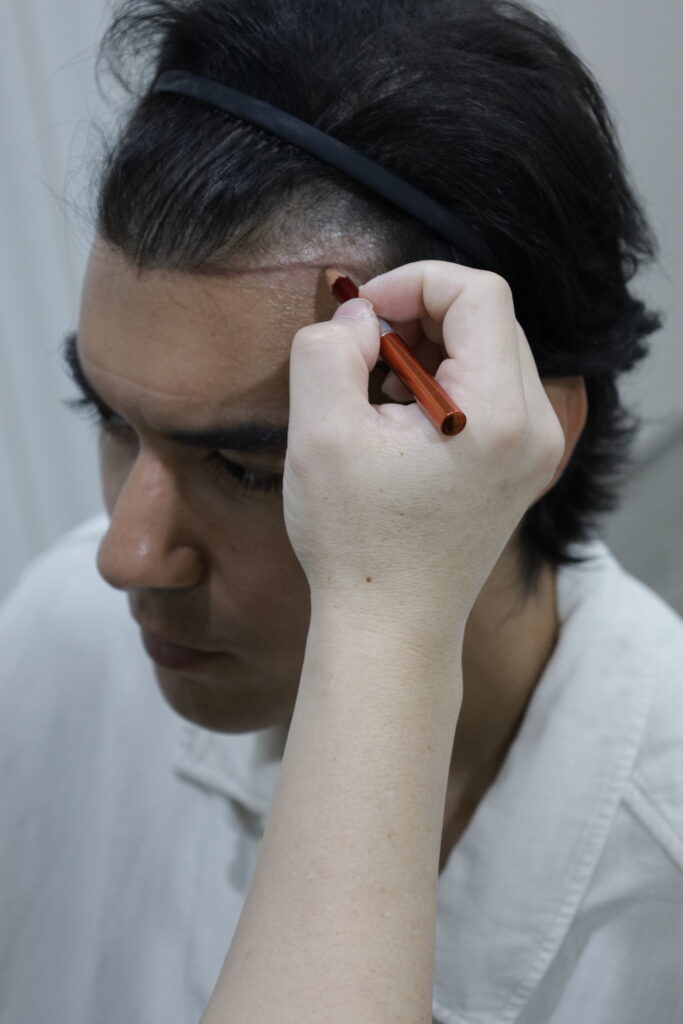
Hair transplantation isn’t just about moving hair follicles from one area to another; it involves comprehensive planning:
– Assessing the cause of hair loss.
– Designing a natural-looking hairline.
– Managing the appropriate number of grafts for long-term results.
– Evaluating the optimal number of grafts to be extracted from the donor area.
– Considering future hair loss trends.
If the plan is not properly executed, the results may not meet expectations or may require subsequent corrective procedures.
1. The doctor will provide consultation and plan your treatment.
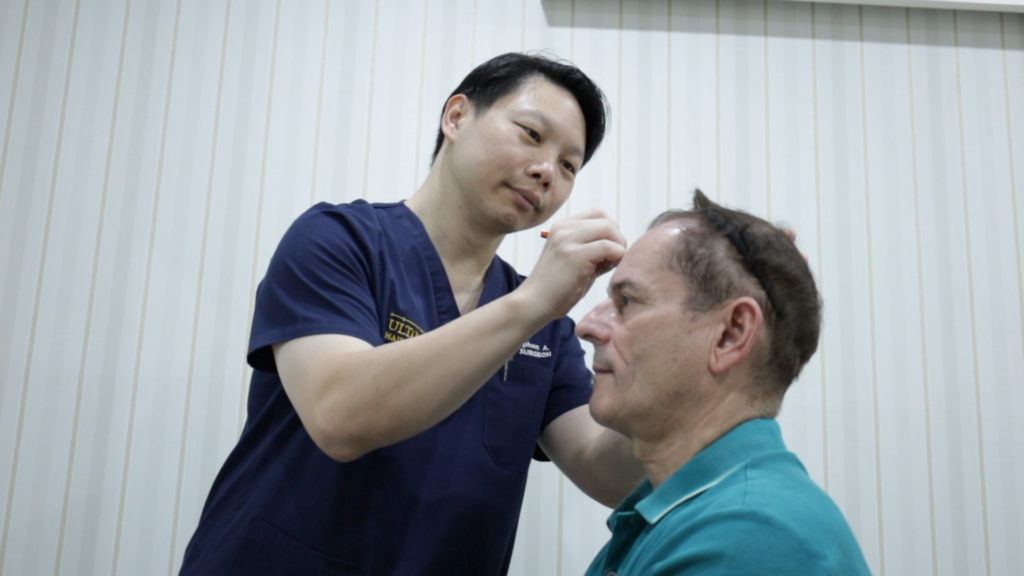
The most important factor is the doctor’s expertise.
Taking a medical history.
Examining the scalp.
Assessing the donor area.
Designing the hairline.
Planning the number of grafts.
Following up after treatment.
Planning long-term treatment for individuals with hair loss problems.
Because each person has different problems and requires different care.
2. The doctor’s experience in hair transplantation.
Hair transplantation is a specialized field requiring both knowledge and experience in:
Designing the hairline.
Selecting the appropriate grafts.
Determining the direction of the hair.
Managing the donor area.
Addressing complex cases.
Doctors who regularly handle hair transplant cases usually have experience in dealing with a wide variety of problems.
3. Hair transplantation certifications and training.
While certifications alone are not the whole answer, they reflect the development of knowledge in the field.
ABHRS (American Board of Hair Restoration Surgery)
This is the only internationally recognized certification in hair transplantation, accepted worldwide.
4. Hairline design.
An ideal hairline should suit:
Face shape
Age
Gender
Personality
Hair type
Future hair loss tendency
A hairline design shouldn’t be the same for everyone, as it significantly impacts the overall facial appearance.
5. Graft Planning
Many mistakenly believe that more grafts are better, but the donor area is limited. Doctors should plan the graft usage appropriately to achieve a balance between:
Hair density of transplanted hair
Maintaining the remaining donor area to prevent excessive density loss
Future demand for hair grafts for hair transplantation
6. Experienced Team
Hair transplantation is a collaborative effort between the doctor and a team of assistants. An experienced team will meticulously oversee each step, such as preparing equipment, selecting grafts, and ensuring graft readiness during the procedure.
7. Reviews from Actual Patients
Reviews are valuable information for decision-making. Consider:
Before and after photos from real patients
Follow-up period
Consistency of results
Reviews from multiple sources
Don’t just look at immediate post-transplant photos.
8. Honesty and Informal Information
A good clinic should explain:
Advantages
Limitations
Reasonable expectations
Treatment options
without focusing solely on sales.
9. Post-treatment care
Hair transplantation doesn’t end on the day of the procedure. Follow-up is necessary, including:
Scalp care advice
Preservation of existing hair
Long-term follow-up
10. Hygiene and safety standards
Choose a clinic with:
Standardized procedure rooms
Sterilized instruments
Quality control system
Patient safety measures
11. Don’t judge by price alone
Hair transplantation is a treatment requiring time, precision, and experience.
Very low prices may not always reflect quality treatment.
Conversely, high prices don’t necessarily mean it’s suitable for everyone.
The key is receiving treatment tailored to each individual’s problem and needs.
12. The clinic should have a long-term plan, not just for today.
Especially for those with genetic hair thinning, the doctor should consider:
Patient’s age
Future hair loss trends
Preservation of the donor area
The suitability of the hairline over time Good planning from the start reduces the chance of unnecessary repeat hair transplants.
Warning signs to consider when choosing a hair transplant clinic:
You should be cautious when you find that:
– Focuses more on selling promotions than assessing the problem.
– Provides advice without a doctor’s consultation.
– Offers unrealistic guarantees of results.
– Recommends a smaller number of grafts than necessary.
– Does not explain the limitations or risks of the treatment.
– Does not provide post-treatment follow-up.
Questions to ask before choosing a hair transplant clinic:
Before deciding, ask questions such as:
– What is the cause of my hair thinning?
– Is hair transplantation suitable, or should I consider other treatments first?
– Approximate number of grafts needed?
– How will the hairline be designed?
– Is there a plan to address future hair loss?
– What are the post-treatment care instructions?
– When are follow-up appointments?
Important point many people don’t know:
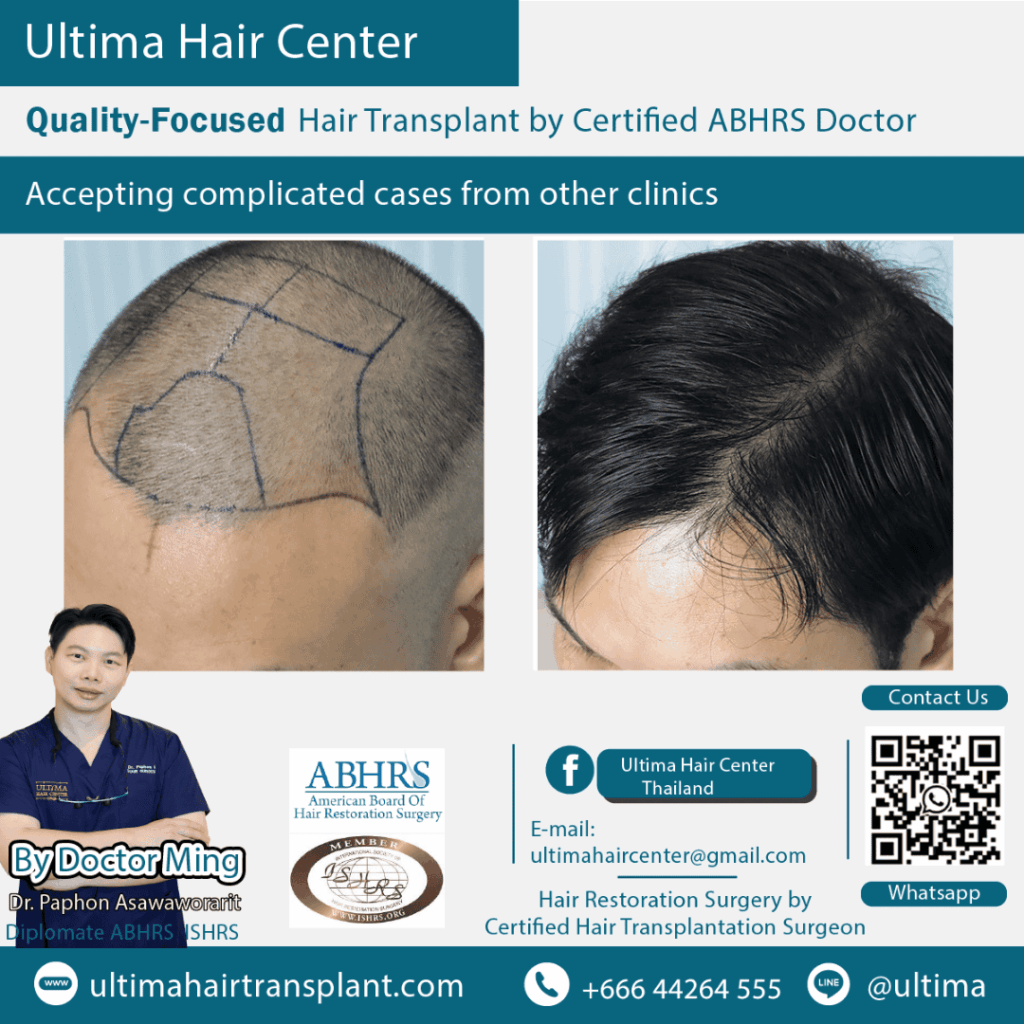
A good hair transplant isn’t about making the hair as thick as possible.
It’s about creating results tailored to each individual, including:
– Hair density
– Hairline
– Hair direction
– Appropriate use of grafts
To achieve natural-looking results that align with future hair changes.
Preserving existing hair is just as important as hair transplantation.
In many cases, your doctor may recommend preserving existing hair in conjunction with hair transplantation to help slow down the thinning and receding of existing hair, and to improve the results.
If you’re looking for a hair transplant clinic, where should you start?
Begin by consulting with a doctor to assess the cause of the problem and plan a treatment suitable for each individual.
For those seeking a hair transplant clinic, Ultima Hair Center is staffed by doctors certified by the ABHRS (American Board of Hair Restoration Surgery). The doctors provide consultations, design hairline patterns, plan the graft usage, and prioritize natural-looking results, preservation of existing hair, and long-term follow-up.
Ultima Hair Center @Krungthep Kreetha-Bang Kapi offers free consultations with Dr. Ming. Inquire directly with Dr. Ming through all available channels.
In summary:
Choosing a hair transplant clinic shouldn’t be based solely on price, promotions, or the number of grafts. Instead, prioritize the doctor’s experience, treatment plan, hairline design, post-treatment care, and clinic standards.
Making a careful decision from the start will increase the chances of achieving suitable, natural-looking results and building long-term confidence without the need for subsequent corrections.
